

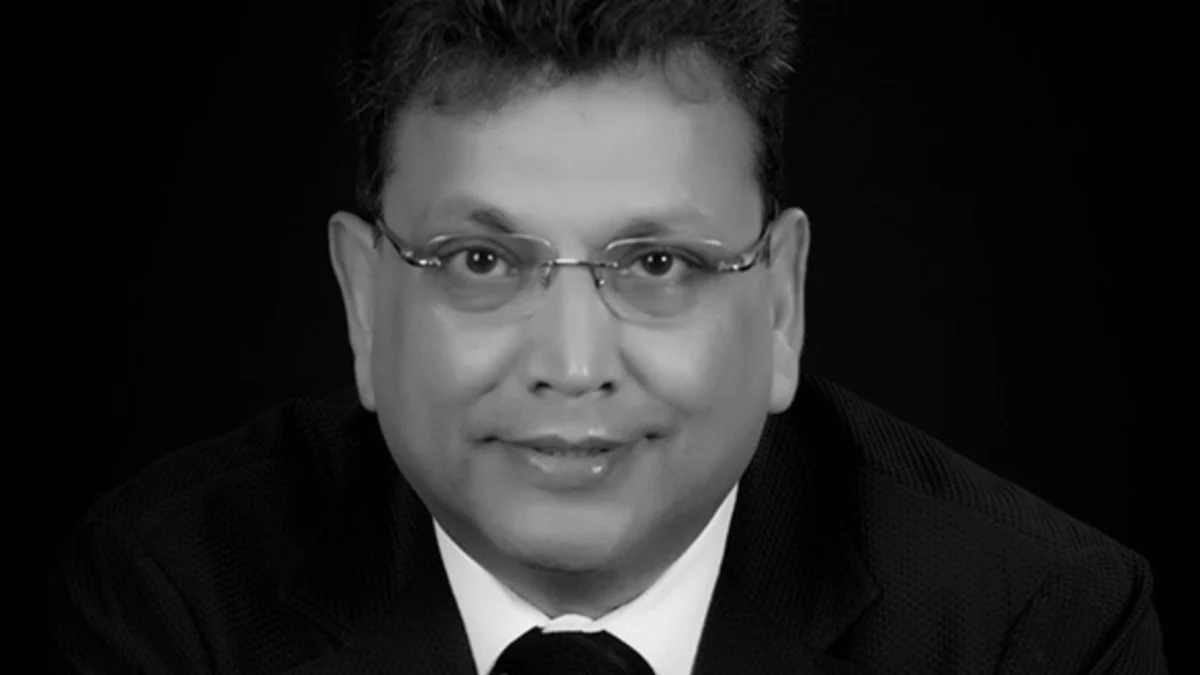
New Delhi, September 4, 2026, 08:02 PM IST – In a significant development for the Shri Ram Janmabhoomi Teerth Kshetra Trust, prominent Delhi-based businessman Mahesh Bhagchandka, 68, has been appointed as its new Treasurer. This pivotal appointment comes as the Trust embarks on a new chapter under a refreshed leadership team, aiming to address past controversies, particularly concerns around donation management, and to solidify public faith in the monumental Ayodhya project.
Bhagchandka, the esteemed CEO of the M2K Group, brings a wealth of experience from diverse "sunrise sectors" including biologicals, real estate, and multiplexes. His deep-rooted ties to the Sangh Parivar and his long-standing commitment to the Ram Temple movement are seen as key factors in his selection, signalling a renewed emphasis on both financial acumen and ideological alignment within the Trust’s highest echelons.
The appointment underscores the Trust’s commitment to robust financial stewardship as it oversees the ongoing construction and future development of the grand Ram Temple. It also highlights the intricate blend of business leadership and spiritual dedication that continues to shape one of India’s most significant cultural and religious undertakings.
Main Facts: A New Steward for Ayodhya’s Finances
Mahesh Bhagchandka’s elevation to the role of Treasurer for the Shri Ram Janmabhoomi Teerth Kshetra Trust marks a critical juncture for the organization responsible for the construction and administration of the Ram Temple in Ayodhya. The announcement, made on September 4, 2026, positions a seasoned corporate leader at the helm of the Trust’s financial operations, a role that demands meticulous oversight given the vast public donations involved.
Bhagchandka, a 68-year-old entrepreneur from Delhi, is widely recognized as the CEO of the M2K Group. This diversified conglomerate has established a formidable presence across various high-growth sectors. According to the M2K Group’s official website, its interests span "sunrise sectors" such as biologicals, real estate, and multiplexes. The group is credited with having "enriched the National Capital landscape with some of the best multiplexes and outstanding housing projects," demonstrating a track record of successful ventures and large-scale project management. M2K’s real estate portfolio includes residential apartment complexes in burgeoning urban centres like Gurugram, Delhi, and Dharuhera, alongside commercial establishments such as shopping arcades and corporate parks. This extensive business background is expected to bring a professional, corporate approach to the Trust’s financial management.
The appointment is particularly noteworthy given the recent backdrop of a "donation theft controversy" that had cast a shadow over the Trust’s operations. While details of the controversy were not extensively publicized, its existence necessitated a decisive move towards enhanced transparency and accountability. Bhagchandka’s role as Treasurer is therefore not merely administrative but carries the significant responsibility of restoring and reinforcing public confidence in the integrity of the Trust’s financial dealings. His reputation as a successful businessman, combined with his undisputed commitment to the Ram Temple cause, positions him as a figure capable of navigating these challenges.
Born in Kolkata on August 1, 1958, Bhagchandka completed his BCom degree from Calcutta University, laying the foundation for his illustrious business career. However, his profile extends far beyond corporate success, delving deep into the ideological and spiritual fabric of the Ram Temple movement, making him a figure uniquely suited for this sensitive and high-profile position.
Chronology: A Journey of Devotion and Dedication
Mahesh Bhagchandka’s association with the Ram Temple movement and the broader Sangh Parivar is neither new nor superficial; it is a bond forged over decades, marked by active participation and profound ideological commitment. This extensive history provides crucial context for his recent appointment.
His journey within the Sangh Parivar was significantly shaped by the late Vishwa Hindu Parishad (VHP) leader, Ashok Singhal, whom Bhagchandka reverently considers his mentor. Singhal was an iconic figure in the Ram Janmabhoomi movement, often regarded as its architect and a relentless advocate for the temple’s construction. His leadership provided the ideological framework and organizational impetus that mobilized millions across India. Bhagchandka’s mentorship under such a towering figure signifies not just a personal relationship but a deep immersion into the core tenets and objectives of the movement.
Bhagchandka’s practical involvement in the Ram Temple cause has been multifaceted and profound. He was intricately associated with the installation of "Ram stambhs" (pillars) at 222 sites linked to the Shri Ram Van Gaman Yatra. This yatra traces the legendary route that devotees believe Lord Ram traversed during his 14-year exile. The installation of these pillars was a symbolic act, aimed at reconnecting devotees with the sacred geography of Lord Ram’s journey and reinforcing the cultural narrative surrounding his life. Bhagchandka’s direct involvement in such a significant grassroots initiative underscores his dedication to the cultural and spiritual dimensions of the movement.
Furthermore, his commitment was evident during two of the most historically significant events related to the temple: the "bhoomi pujan" (ground-breaking) ceremony and the "pran pratishtha" (consecration) ceremony. During both these landmark events, Bhagchandka served as a "yajman" – a host or patron – a role of immense spiritual and ceremonial importance. Being a yajman signifies not just financial contribution but also active participation in the sacred rituals, symbolizing a deep personal and spiritual investment in the temple’s realization. These roles cement his credentials as a devout and committed proponent of the Ram Temple.
His admiration for Ashok Singhal was publicly articulated in 2015 during the release of a book on Singhal’s life. The event, graced by then Union Home Minister Rajnath Singh and RSS Sarsanghchalak Mohan Bhagwat, served as a platform for Bhagchandka to pay a heartfelt tribute to his mentor. He recalled the momentous "Boat Club campaign" held in 1991, an event that saw approximately 25 lakh people from across the globe converge to advocate for the Ram Temple. Bhagchandka’s vivid recollection of the rallying cry, "We swear to Lord Rama, we will construct the Rama temple there only," highlighted the emotional resonance and mass appeal of the movement, which he had witnessed and participated in firsthand.
In his tribute, Bhagchandka extolled Singhal’s contributions, asserting that the VHP leader had helped the country move "towards a new direction" and that his name would be "written in golden words as the greatest leader of Hinduism." Such powerful endorsements not only reflect his personal reverence but also align him firmly with the ideological narrative championed by Singhal and the broader Sangh Parivar.
Bhagchandka’s organizational affiliations further underscore his deep integration into this ecosystem. He is associated with the Ashok Singhal Foundation, an organization dedicated to preserving Singhal’s legacy and continuing his work, particularly in promoting Hindu culture and values. Additionally, he is a member of the executive committee of the World Hindu Economic Forum, an initiative that seeks to promote economic cooperation and development among Hindu entrepreneurs globally, aligning economic prosperity with Hindu cultural resurgence. These affiliations are not merely nominal; they signify active engagement and leadership within institutions that are ideologically intertwined with the Ram Temple movement.
Supporting Data: M2K Group’s Prowess and the Temple’s Financial Magnitude
The selection of Mahesh Bhagchandka as Treasurer is significantly bolstered by his professional achievements and the robust performance of his M2K Group. The group’s diversification into "sunrise sectors" demonstrates an ability to identify and capitalize on emerging economic opportunities, a quality highly desirable for managing the vast financial resources of the Ram Temple Trust.
M2K Group’s Diverse Portfolio:
The M2K Group’s involvement in biologicals, for instance, suggests a presence in the pharmaceutical or biotechnology sector, an industry characterized by complex regulatory frameworks, significant R&D investments, and large-scale manufacturing. This demands a high degree of financial prudence and strategic foresight. Their real estate ventures, including residential and commercial projects in key urban hubs like Gurugram, Delhi, and Dharuhera, involve substantial capital deployment, project management, and revenue generation, showcasing expertise in handling large-scale financial flows and investments. Similarly, their success in the multiplex sector indicates an understanding of consumer markets, entertainment economics, and capital-intensive infrastructure development. This diversified expertise positions Bhagchandka as a seasoned financial manager, capable of overseeing diverse revenue streams and expenditures.
The Scale of the Ram Temple Project and its Finances:
The Shri Ram Janmabhoomi Teerth Kshetra Trust operates on a scale almost unprecedented for a non-governmental religious body in India. The construction of the Ram Temple itself is a multi-billion-rupee project, funded almost entirely by public donations. Following the Supreme Court verdict in 2019 and the subsequent formation of the Trust, a massive nationwide fundraising campaign was launched, eliciting an overwhelming response from millions of devotees. Reports indicated collections running into thousands of crores of rupees, highlighting the immense financial responsibility placed on the Treasurer. This scale necessitates not just transparent accounting but also strategic financial planning for long-term sustainability, including corpus management, investment of surplus funds, and allocation for future phases of development (e.g., pilgrim facilities, cultural centres, museum).
The "Donation Theft Controversy":
The original article briefly mentions a "donation theft controversy" that the Trust aimed to put behind it with the new leadership. While specific details were not provided, such incidents invariably lead to a public outcry and erode trust. For any public or charitable trust, financial integrity is paramount. A controversy, even if minor, can undermine the credibility of the entire project and dissuade future donors. The appointment of a figure like Bhagchandka, with a strong business background and deep ideological commitment, is a strategic move to address these concerns head-on. His corporate reputation is expected to instill confidence among donors and the general public that funds will be managed with professionalism, accountability, and transparency. The expectation is that his tenure will usher in robust financial controls, regular audits, and clear reporting mechanisms to prevent any future irregularities.
The Mentor-Protégé Dynamic in Sangh Parivar:
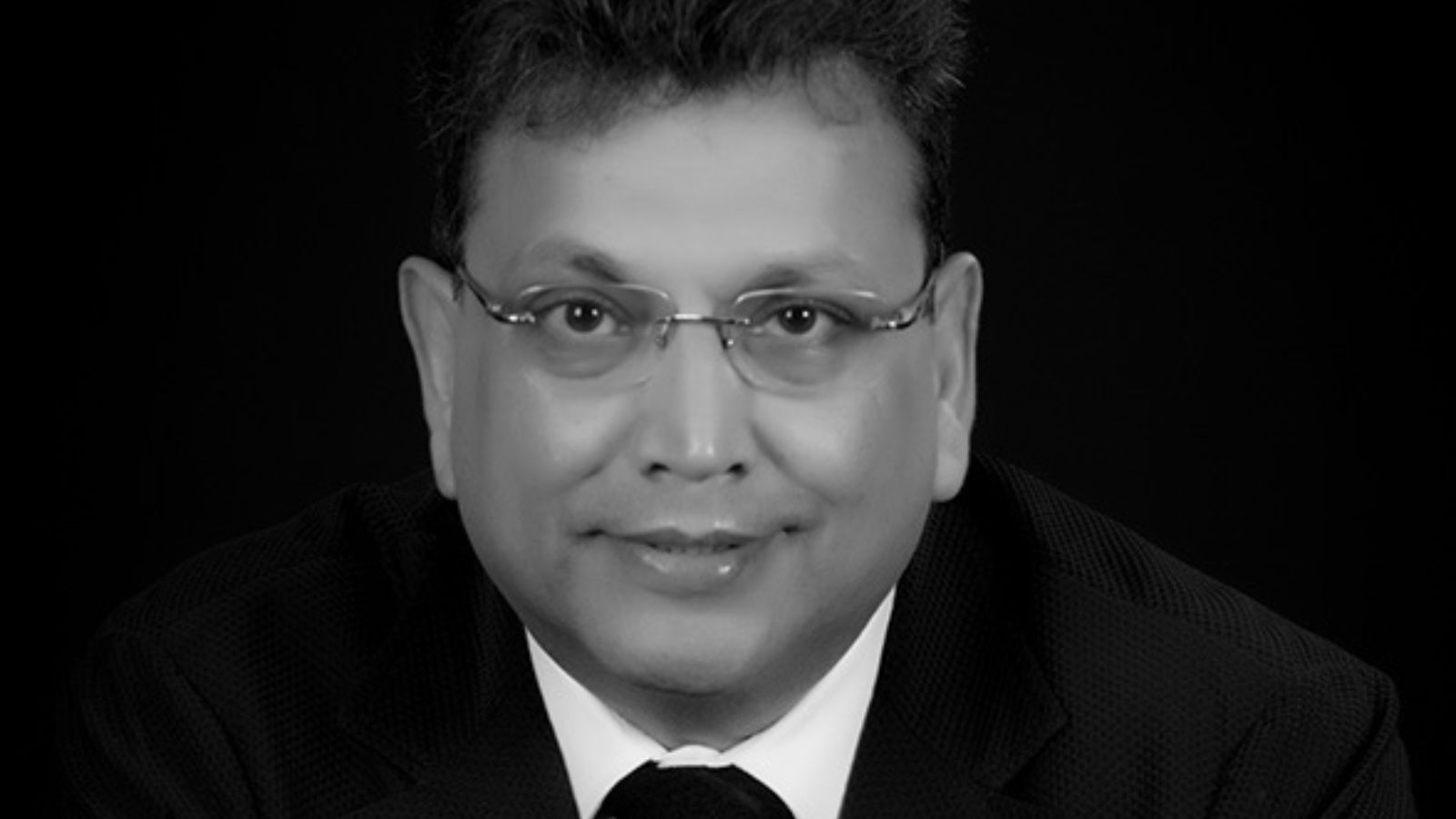
Prabhat Kumar of Prabhat Prakashan, who published the book on Ashok Singhal, provided a crucial insight into the dynamics within the Sangh Parivar. He described Bhagchandka’s closeness to Singhal as typical of the mentor-protégé relationship within the organization, often becoming "even closer than one’s own family sometimes." Kumar further characterized Bhagchandka as a "committed social worker with nationalist views." This supporting data is vital because it explains the ideological underpinnings of the appointment. It suggests that beyond financial expertise, Bhagchandka brings a deeply ingrained ethos of service, nationalism, and adherence to the Sangh Parivar’s vision, ensuring that the Trust’s financial decisions align with its overarching spiritual and cultural mission. This blend of professional competence and ideological purity is a hallmark of leadership selections within the Sangh ecosystem.
Official Responses: Trust’s Strategic Choice and Implicit Rationale
Despite several attempts, The Indian Express could not reach Mahesh Bhagchandka for a direct comment on his appointment. This is not uncommon for individuals taking on such significant roles, particularly in the initial days following an announcement. However, the implicit rationale behind the Trust’s decision to appoint him can be discerned through his profile, the Trust’s needs, and the broader context of the Ram Temple movement.
Inferred Rationale from the Trust’s Perspective:
-
Financial Acumen and Professional Management: The most apparent reason for selecting Bhagchandka is his proven track record as a successful businessman. The M2K Group’s diverse interests in complex, capital-intensive sectors like biologicals, real estate, and multiplexes demonstrate a high level of financial management expertise. The Trust, dealing with thousands of crores in donations and a massive construction budget, requires a Treasurer who can implement best practices in financial planning, budgeting, accounting, and auditing. His appointment signals a move towards professionalizing the Trust’s financial operations, which is crucial for such a high-profile national project.
-
Restoring Public Confidence Post-Controversy: The mention of a "donation theft controversy" directly preceding the new leadership’s formation indicates a pressing need to rebuild trust. Appointing a reputable businessman like Bhagchandka, known for managing large enterprises, sends a strong message that the Trust is serious about transparency and accountability. His professional image can help assuage public concerns and assure donors that their contributions will be handled with integrity.
-
Deep Ideological Alignment and Trustworthiness: Bhagchandka’s decades-long association with the Sangh Parivar and his mentorship under Ashok Singhal are invaluable assets for the Trust. The Shri Ram Janmabhoomi Teerth Kshetra Trust is not merely a construction body; it is the custodian of a profound cultural and religious symbol, deeply intertwined with the ideology of the Sangh Parivar. A Treasurer who shares this foundational ideology is essential to ensure that financial decisions align with the spiritual and cultural objectives of the temple. His past roles as a "yajman" for crucial ceremonies and his involvement in the "Ram stambhs" project further cement his ideological bona fides and trustworthiness within the Sangh ecosystem. As Prabhat Kumar noted, such relationships often become "closer than one’s own family," implying a deep personal commitment and reliability.
-
Strategic Network and Resource Mobilization: As a prominent businessman, Bhagchandka likely possesses an extensive network within the corporate world, both in India and potentially abroad. This network could prove beneficial for future fundraising efforts, securing corporate social responsibility (CSR) contributions, or even attracting specialized expertise for various temple-related projects. His involvement with the World Hindu Economic Forum further highlights his connections within a global network of ideologically aligned entrepreneurs.
-
Leadership for Future Development: The Ram Temple is not just about its construction; it involves the development of an entire ecosystem around it, including pilgrim facilities, cultural centres, and potentially educational institutions. Bhagchandka’s experience in real estate and infrastructure development could be instrumental in guiding these future expansion plans, ensuring that financial resources are allocated efficiently for comprehensive development.
In essence, while Bhagchandka himself has not issued an official statement, the Trust’s decision implicitly communicates its strategic intent: to combine robust financial governance with unwavering ideological commitment, ensuring that the Ram Temple project proceeds with both professional efficiency and spiritual authenticity.
Implications: A Blueprint for Financial Integrity and Ideological Continuity
The appointment of Mahesh Bhagchandka as Treasurer of the Shri Ram Janmabhoomi Teerth Kshetra Trust carries significant implications across various dimensions, from the operational efficiency of the Trust to its broader public image and its relationship with the ideological core of the Ram Temple movement.
1. Enhanced Financial Management and Transparency:
The most immediate implication is the expectation of significantly improved financial management. Bhagchandka’s extensive corporate background, particularly in managing diversified businesses with large capital outlays, suggests that the Trust will adopt more rigorous financial protocols. This could include:
- Strengthened Internal Controls: Implementation of stricter internal audit mechanisms and financial oversight to prevent future controversies.
- Transparent Reporting: Potential for more frequent and detailed public disclosures of financial statements, expenditure, and donation utilization, rebuilding donor confidence.
- Strategic Investment: Leveraging his business acumen to explore prudent investment strategies for the Trust’s substantial corpus, ensuring sustainable growth and long-term financial stability for the temple’s maintenance and future projects.
- Efficient Resource Allocation: Optimization of spending on ongoing construction and future development phases, ensuring that every rupee donated is utilized effectively and ethically.
2. Rebuilding Public Trust and Credibility:
Following the "donation theft controversy," the Trust faced a challenge in maintaining public trust. Bhagchandka’s reputable standing as a successful businessman, untainted by major public scandals, is a strategic asset. His appointment is a clear signal that the Trust is committed to restoring its credibility and demonstrating accountability to millions of devotees and donors. This can help re-energize fundraising efforts and ensure continued public support for the monumental project.
3. Reinforcement of Ideological Continuity and Vision:
Bhagchandka’s deep, decades-long association with the Sangh Parivar and his mentorship under Ashok Singhal underscore a strong commitment to the core ideology and vision that propelled the Ram Temple movement. His appointment ensures that the financial decisions of the Trust will not merely be technocratic but will also be aligned with the spiritual, cultural, and nationalistic objectives envisioned by the movement’s founders. This provides continuity with the historical struggle and ensures that the temple remains true to its foundational principles. The Trust’s operations are likely to reflect the values of "committed social work with nationalist views," as described by Prabhat Kumar.
4. Strengthened Linkages with the Sangh Parivar and Associated Bodies:
His affiliations with the Ashok Singhal Foundation and the World Hindu Economic Forum indicate a well-established network within the broader Sangh ecosystem. This could facilitate greater synergy and collaboration between the Trust and other Sangh-affiliated organizations, potentially streamlining resource mobilization, coordinating cultural outreach, and reinforcing the collective strength of the movement. It signifies a harmonious working relationship between the spiritual custodians and the wider ideological family.
5. Impact on Future Development and Expansion of Ayodhya:
Beyond the temple’s construction, Ayodhya is envisioned as a major spiritual and cultural hub. Bhagchandka’s experience in real estate and infrastructure development could play a crucial role in guiding the Trust’s plans for developing surrounding facilities, pilgrim amenities, and cultural projects. His business perspective could bring efficiency and strategic planning to these large-scale urban development initiatives, transforming Ayodhya into a world-class pilgrimage destination.
6. Broader Socio-Political Perception:
The appointment of a figure with such a strong blend of business acumen and ideological rootedness will likely be viewed positively by supporters of the Ram Temple movement, who will see it as a logical and robust choice. For critics, it might further solidify perceptions of the Trust being deeply integrated with the Sangh Parivar’s political and ideological agenda. However, from the Trust’s perspective, this appointment is a clear statement of its direction: marrying professional excellence with unwavering commitment to its core mission.
In conclusion, Mahesh Bhagchandka’s appointment as Treasurer is more than just a change in personnel; it represents a strategic recalibration for the Shri Ram Janmabhoomi Teerth Kshetra Trust. It signals a concerted effort to enhance financial integrity, restore public confidence, and ensure that the monumental task of completing and managing the Ram Temple in Ayodhya proceeds with both impeccable corporate governance and an unyielding commitment to its profound spiritual and cultural significance. His leadership will undoubtedly shape the financial trajectory and operational ethos of the Trust for years to come, as it continues to build not just a temple, but a legacy.
