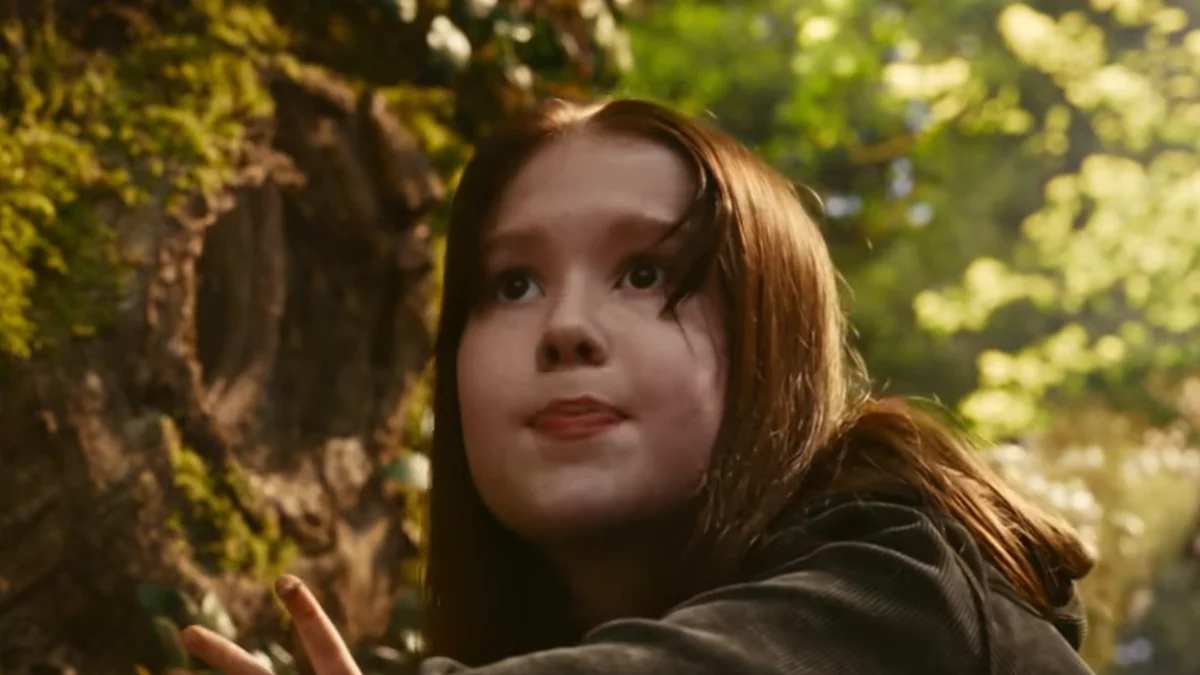
The enduring charm of Enid Blyton’s "The Magic Faraway Tree" has been brought to the silver screen in a vibrant and imaginative cinematic adaptation. "The Magic Faraway Tree," directed by Ben Gregor, promises to transport audiences back to the whimsical world of the Enchanted Wood, offering a fresh yet faithful reimagining of the beloved children’s book series. This film, starring a stellar ensemble cast including Andrew Garfield and Claire Foy, is poised to enchant a new generation of viewers while rekindling nostalgic memories for those who grew up with the adventures of the Faraway Tree.
The initial release of this news article serves as a concise introduction to the film, highlighting its premise, key cast members, and overall reception. However, a deeper dive into the production, its creative choices, and its potential impact reveals a more nuanced and compelling narrative worthy of extensive exploration. This enriched article aims to delve into the intricacies of "The Magic Faraway Tree," examining its journey from page to screen, the creative decisions that shaped its fantastical world, and its significance in the landscape of family cinema.
From Beloved Pages to the Silver Screen: The Genesis of a Magical Adaptation
Enid Blyton’s "The Magic Faraway Tree" series, first published in the 1930s, has long been a cornerstone of children’s literature, captivating readers with its boundless imagination and memorable characters. The stories, which follow the adventures of children who discover a magical tree capable of transporting them to various fantastical lands, have inspired countless dreams and fueled a generation’s sense of wonder. The prospect of a cinematic adaptation, therefore, was met with a mixture of excitement and cautious optimism, a sentiment echoed in the original article’s observation: "When news of an adaptation broke, one was cautiously optimistic, wondering if the filmmaker’s imagination would mesh with our own."
The journey from Blyton’s whimsical prose to a visual spectacle is a testament to the enduring appeal of her creations. The film’s director, Ben Gregor, and the creative team faced the considerable challenge of translating the vividly described lands and characters into a tangible cinematic experience. This involved not only bringing to life the physical manifestations of places like the Land of Do-As-You-Please and the Land of Burps and Sneezes but also capturing the intangible essence of magic, friendship, and discovery that lies at the heart of Blyton’s work. The original article notes that the film is "very much a spiritual reimagining of the series. There is a gentle humour, vivid imagination and a quiet wonder to the film that makes it irresistible." This suggests a deliberate choice to honor the spirit rather than strictly adhere to every narrative detail, allowing for creative interpretation while maintaining the core magic.
The casting of Andrew Garfield as Tim and Claire Foy as Polly Thompson, the parents of the three children who stumble upon the Faraway Tree, provides a strong emotional anchor for the film. Their portrayal of parents navigating the transition to a new life in the countryside, while simultaneously embracing the extraordinary, is crucial. Their characters, as described, embody a blend of grounded reality and an openness to the fantastical, a dynamic that allows the children’s adventures to feel both grounded and magical. The inclusion of Judi Dench as the voice of a smart fridge, though a minor detail, hints at the film’s willingness to infuse modern technology with a touch of whimsical anachronism, a characteristic that Blyton herself often employed.
A Tapestry of Enchantment: Exploring the Film’s Creative Choices
"The Magic Faraway Tree" distinguishes itself through its thoughtful approach to adaptation, balancing fidelity to the source material with cinematic innovation. While the original article mentions departures from the book, it frames these changes positively, suggesting they enhance the viewing experience rather than detract from it. For instance, the reimagining of the Slippery Slip, which in the film is not merely a hole in the floor but a more dynamic visual element, reflects a desire to create a more visually engaging and thrilling experience for a modern audience. The article states, "Having what one imagined brought to life exactly would have been rather spooky, no?" This observation suggests a deliberate decision to lean into the fun and adventure rather than the potentially unsettling aspects of certain magical elements.
The film’s visual aesthetic is a critical component of its success. The description of the palette as "not overtly twee, comfortably walking the line between reality and full-blown fantasy with fairy dust and beautiful towering trees" indicates a sophisticated visual design. This careful balance ensures that the magical elements feel integrated into the narrative and do not overwhelm the emotional core of the story. The mention of specific visual touches, such as a talking toothbrush warning against cavities in the Land of Goodies, exemplifies the film’s commitment to capturing the quirky and inventive details that make Blyton’s world so memorable.
The characters from the books have been reinterpreted with a fresh perspective. While Nonso Anozie’s portrayal of Moonface may differ from some readers’ specific imaginings, the article notes that Dustin Demri-Burns’s interpretation of Saucepan Man is "exactly right." This suggests a nuanced approach to character adaptation, where some elements are given more latitude for creative interpretation while others are meticulously preserved to resonate with the established essence of the character. Nicola Coughlan’s portrayal of Silky, the non-winged fairy, and Rebecca Ferguson’s spirited performance as Dame Snap, singing "Teddy Bear’s Picnic," further highlight the film’s dedication to bringing its fantastical inhabitants to life with charisma and charm. The subtle nod to the revision of Dame Slap’s name to Dame Snap in later editions of the book demonstrates an awareness of the literary history and an effort to incorporate these nuances into the film.

Thematic Resonance: Connection, Imagination, and the Digital Age
Beyond its fantastical elements, "The Magic Faraway Tree" delves into themes that are highly relevant to contemporary audiences. The film’s storyline, which centers on a family moving to the country and discovering the importance of connection, imagination, and magic, directly addresses the growing concern about excessive screen time and the potential for digital distractions to erode genuine human connection. The original article highlights this aspect by noting that Beth and Joe are "addicted to their screens," while Fran is the "dreamer who rarely speaks." This contrast sets the stage for the transformative power of the Enchanted Wood and the Faraway Tree to pull the children away from their digital devices and into a world of shared adventure and imaginative engagement.
The film’s narrative arc, where the children initially resist the move to the countryside but are eventually captivated by the magic of their new surroundings, serves as a gentle commentary on the benefits of disconnecting from the digital world and reconnecting with nature and each other. Fran, the quiet dreamer, becomes the catalyst for this transformation, her innate curiosity and openness to wonder leading her family into a world far more engaging than any screen could offer. This underscores the film’s central message: that true magic often lies not in the fantastical realms themselves, but in the shared experiences and the rekindling of imagination that such adventures inspire.
The film’s exploration of imagination is also paramount. Enid Blyton’s stories have always been a testament to the power of a child’s imagination, and "The Magic Faraway Tree" appears to embrace this wholeheartedly. The original article’s reference to Blyton imagining "Google (yes, Blyton imagined it in 1939, long before it was a verb)" speaks to her forward-thinking creativity and her ability to conjure concepts that would later become commonplace. The film’s adaptation seems to carry this torch, encouraging viewers to embrace their own imaginative capacities and to see the world through a lens of wonder.
A Timeless Appeal and the Promise of Sequels
The success of "The Magic Faraway Tree" hinges on its ability to appeal to both established fans of Enid Blyton’s work and newcomers to her universe. The original article wisely notes, "While there is enough to engage and delight Blyton devotees, the film also has enough whimsy and charm to welcome people unfamiliar with the books." This inclusive approach is vital for any adaptation of a beloved classic. By focusing on universal themes of family, adventure, and the power of imagination, the film transcends generational divides.
The inclusion of the detail that "there are going to be sequels!" is a significant indicator of the film’s anticipated success and the studio’s confidence in its potential. This suggests a strategic vision for building a franchise around "The Magic Faraway Tree," potentially exploring other lands within the Enchanted Wood or introducing new characters and adventures. Such a prospect is exciting for fans, offering the promise of continued magical journeys and further exploration of Blyton’s rich literary world.
The original article’s concluding statement, "The Magic Faraway Tree is currently running in theatres," serves as a call to action for audiences to experience this cinematic re-imagining firsthand. The film’s blend of nostalgia, fresh interpretation, and relevant themes positions it as a significant addition to the family film landscape. It is a testament to the enduring power of Enid Blyton’s storytelling that her creations continue to inspire and enchant audiences decades later, proving that the magic of the Faraway Tree is indeed timeless.
The film’s ability to evoke a sense of wonder and adventure, while simultaneously addressing contemporary concerns about connection and imagination, solidifies its place as a meaningful cinematic experience. It is a reminder that even in an age of advanced technology, the simple yet profound power of storytelling and shared imaginative experiences remains a vital and irreplaceable aspect of human connection. "The Magic Faraway Tree" is not just a movie; it is an invitation to rediscover the magic that lies within and around us, a sentiment that resonates deeply with the enduring spirit of its source material.