

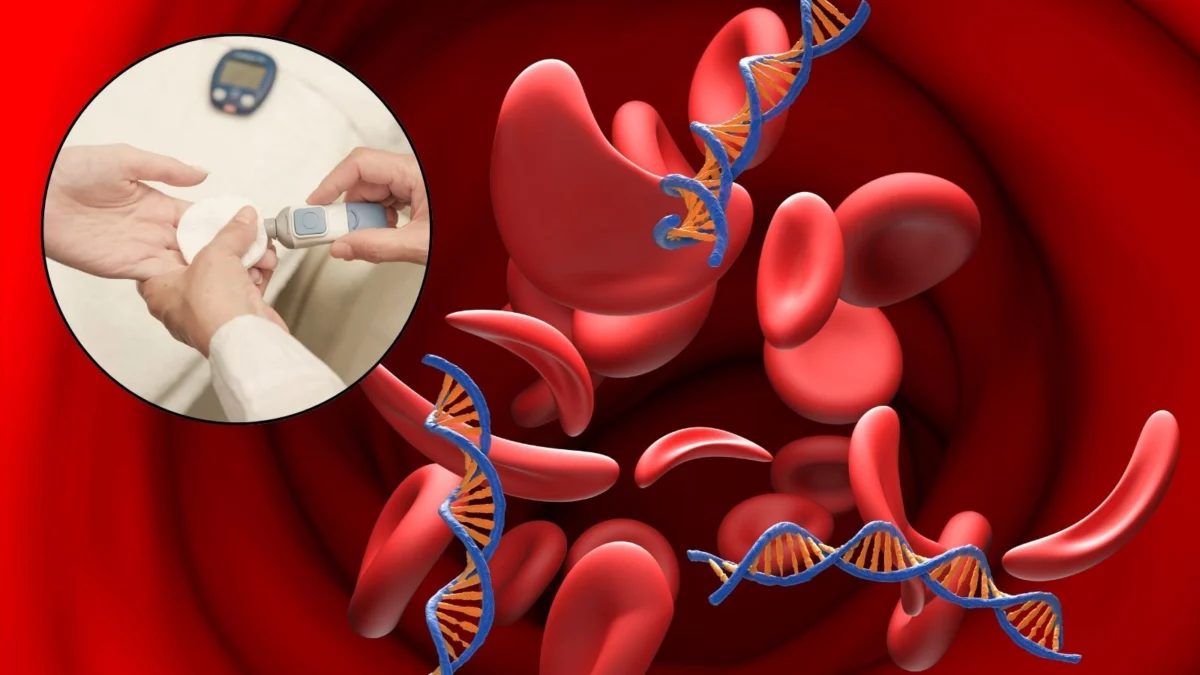
New Delhi, September 3, 2026 – A common diagnostic tool for diabetes, the HbA1c test, which estimates average blood glucose levels over two to three months, may present a misleading picture for individuals battling anemia. This complex interplay between a condition affecting blood composition and a vital diabetes marker raises critical questions for both patients and healthcare providers, potentially leading to misdiagnosis or suboptimal treatment strategies.
The HbA1c test’s reliance on red blood cells and their lifespan in circulation makes it susceptible to interference from conditions that alter these cells. Anemia, a broad term encompassing various disorders characterized by a deficiency of red blood cells or hemoglobin, can significantly impact the accuracy of HbA1c readings, leading to a scenario where a test result does not truly reflect a person’s actual blood glucose control.
The Crucial Link: Red Blood Cells and Glycated Hemoglobin
At its core, the HbA1c test measures the percentage of hemoglobin – the protein in red blood cells responsible for carrying oxygen – that has become glycated. Glycation occurs when glucose molecules in the bloodstream attach to hemoglobin. The higher the blood glucose levels over time, the more hemoglobin becomes glycated, leading to a higher HbA1c reading. This test is invaluable because it provides a longer-term perspective on glucose control, smoothing out daily fluctuations that can occur with standard blood glucose monitoring.
However, the duration for which red blood cells circulate in the bloodstream is a critical factor. Healthy red blood cells typically live for about 120 days. During this lifespan, they are exposed to circulating glucose, and the glycation process occurs. The HbA1c test, therefore, reflects an average of this glycation over the preceding two to three months, aligning with the average lifespan of red blood cells.
Anemia’s Shadow: How Red Blood Cell Dynamics Affect HbA1c
Anemia, by definition, involves an abnormality in red blood cells. This abnormality can manifest in several ways, each with the potential to influence HbA1c results:
-
Reduced Red Blood Cell Lifespan: In certain types of anemia, such as hemolytic anemia, red blood cells are destroyed prematurely. If red blood cells have a shorter lifespan, they have less time to accumulate glycated hemoglobin. This can lead to a falsely low HbA1c reading, even if the individual’s blood glucose levels are elevated. Patients might be led to believe their diabetes is well-controlled when, in reality, it is not.
-
Increased Red Blood Cell Production/Lifespan: Conversely, in conditions like iron-deficiency anemia, the body might produce red blood cells that have a slightly longer lifespan or a different composition. This extended circulation time allows for more glucose to attach to hemoglobin, potentially leading to a falsely high HbA1c reading. An individual with iron-deficiency anemia might receive an HbA1c result that suggests poorly controlled diabetes, when their actual blood glucose levels might be within or closer to the target range.
-
Abnormal Hemoglobin Variants: Genetic disorders affecting hemoglobin structure, such as sickle cell disease and thalassemia, can also complicate HbA1c interpretation. The abnormal hemoglobin molecules in these conditions may glycate differently or affect the overall lifespan of red blood cells, leading to inaccurate HbA1c values.
Expert Insights: Navigating the Diagnostic Maze
Dr. Palleti Siva Karthik Reddy, a Consultant Physician at Elite Care Clinic, emphasizes the critical need to consider the patient’s overall clinical picture when interpreting HbA1c results, especially in the presence of anemia.
"Yes, anemia can absolutely affect HbA1c levels," states Dr. Reddy. "Iron-deficiency anemia, for instance, can sometimes make HbA1c appear higher than the person’s actual glucose levels would suggest." He elaborates that in iron deficiency, red blood cells might remain in circulation longer, providing more opportunity for hemoglobin to become glycated. This accumulation can artificially elevate the HbA1c value, even without a corresponding increase in blood glucose. Consequently, an unexpectedly high HbA1c reading in a patient with significant iron deficiency should not be automatically attributed to worsening diabetes without further investigation.
Dr. Reddy further explains the nuances of different anemias: "Any condition that significantly changes the lifespan, production, or destruction of red blood cells can affect HbA1c. Iron-deficiency anemia may falsely elevate it, while hemolytic anemia, recent blood loss, or conditions that shorten red blood cell survival can produce a falsely low HbA1c."
Identifying the Red Flags: When HbA1c Doesn’t Add Up
The most significant indicator for clinicians that an HbA1c result might be unreliable is a clear discrepancy between the test value and other measures of glucose control. This includes:
-
Inconsistent Home Glucose Readings: If a patient regularly monitors their blood glucose at home using a glucometer, and these readings consistently differ from what their HbA1c suggests, it’s a strong signal that something is amiss. For example, if home readings are consistently in the normal or prediabetic range, but the HbA1c indicates poorly controlled diabetes, further investigation is warranted.
-
Discrepancy with Symptoms: A patient’s reported symptoms (or lack thereof) should also align with their glucose control. If an HbA1c suggests severe diabetes, but the patient reports no symptoms of hyperglycemia (frequent urination, excessive thirst, unexplained weight loss), it raises a red flag.
-
Fasting and Post-Meal Blood Glucose Tests: Standard laboratory tests measuring fasting blood glucose and post-meal blood glucose provide a snapshot of glucose levels at specific times. If these values do not correlate with the HbA1c result, it warrants a closer look.
"A red flag for doctors is a clear mismatch between HbA1c and repeated fasting, post-meal, or home glucose readings," Dr. Reddy advises. "In such cases, hemoglobin levels, red blood cell indices, and the underlying cause of anemia need to be considered before making treatment decisions based on HbA1c alone."
Alternative Avenues: Assessing Glucose When HbA1c is Compromised
When the reliability of the HbA1c test is questioned due to anemia or other interfering factors, healthcare professionals have a range of alternative diagnostic tools at their disposal to accurately assess glucose control:
-
Fasting and Post-Meal Blood Glucose Measurements: These are foundational tests that provide immediate data on blood sugar levels at specific points in time. Repeated measurements can help establish a pattern.
-
Continuous Glucose Monitoring (CGM): CGM devices provide real-time, around-the-clock glucose readings. They can paint a comprehensive picture of glucose fluctuations throughout the day and night, offering insights into trends and patterns that standard tests might miss. This is particularly useful for individuals with fluctuating blood glucose levels or those whose anemia significantly impacts HbA1c.
-
Structured Home Glucose Monitoring: Encouraging patients to maintain a detailed log of their home glucose readings, along with their diet, exercise, and medication, can provide valuable data for their physician. This structured approach can highlight discrepancies and inform treatment decisions.
-
Fructosamine Tests: This test measures glycated albumin, which reflects glucose control over a shorter period, typically two to three weeks. Unlike HbA1c, fructosamine levels are not significantly influenced by red blood cell lifespan, making it a useful alternative in cases of anemia.
-
Glycated Albumin Tests: Similar to fructosamine, glycated albumin provides a shorter-term view of glucose control and is less affected by red blood cell abnormalities.
"Fructosamine or glycated albumin can also be useful because they reflect glucose control over a shorter period and are not dependent on the lifespan of red blood cells," Dr. Reddy explains. "The underlying anemia should be identified and treated rather than simply adjusting diabetes medication on the basis of a potentially misleading HbA1c. Once the anemia and red blood cell turnover have stabilized, HbA1c can generally be interpreted with greater confidence."
The Path Forward: Integrated Care and Accurate Diagnosis
The intricate relationship between anemia and HbA1c underscores the importance of a holistic approach to patient care. Physicians must be vigilant in identifying potential confounding factors that can impact diagnostic test results. This involves:
-
Thorough Patient History: A detailed medical history, including any known conditions like anemia or a family history of blood disorders, is paramount.
-
Comprehensive Blood Work: Beyond HbA1c, ordering a complete blood count (CBC) to assess red blood cell parameters, iron studies, and tests for specific types of anemia is crucial.
-
Open Communication: Encouraging patients to report any concerns or discrepancies they observe in their own health monitoring is vital for timely intervention.
Treating the underlying anemia is often the first and most critical step. Addressing the root cause of the red blood cell dysfunction can help normalize red blood cell lifespan and composition, thereby improving the reliability of future HbA1c tests. Once the anemia is managed and red blood cell dynamics stabilize, the HbA1c test can once again serve as a trusted indicator of long-term glucose control.
In conclusion, while the HbA1c test remains a cornerstone in diabetes management, its interpretation requires careful consideration of individual patient factors, particularly the presence of anemia. By employing a combination of diagnostic tools and maintaining open communication, healthcare providers can navigate these complexities to ensure accurate diagnoses and effective treatment plans, ultimately improving patient outcomes.
Disclaimer: This article is based on information from the public domain and expert opinions. It is intended for informational purposes only and does not constitute medical advice. Always consult with a qualified healthcare practitioner for any health concerns or before making any decisions related to your health or treatment.
