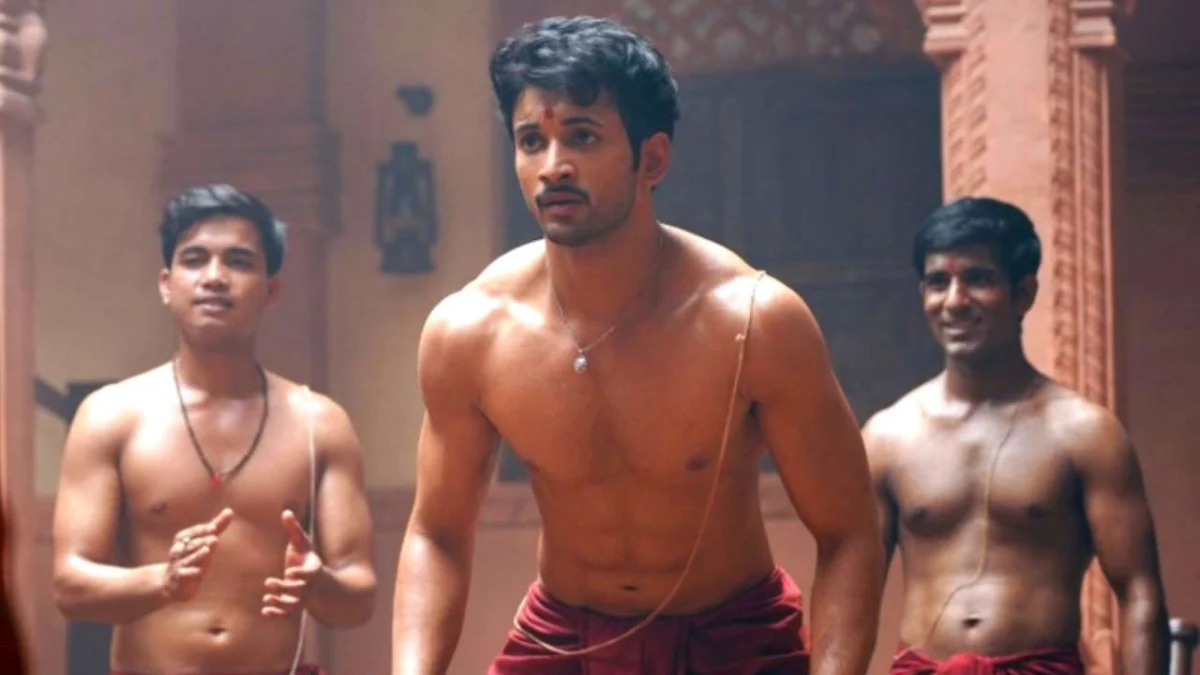
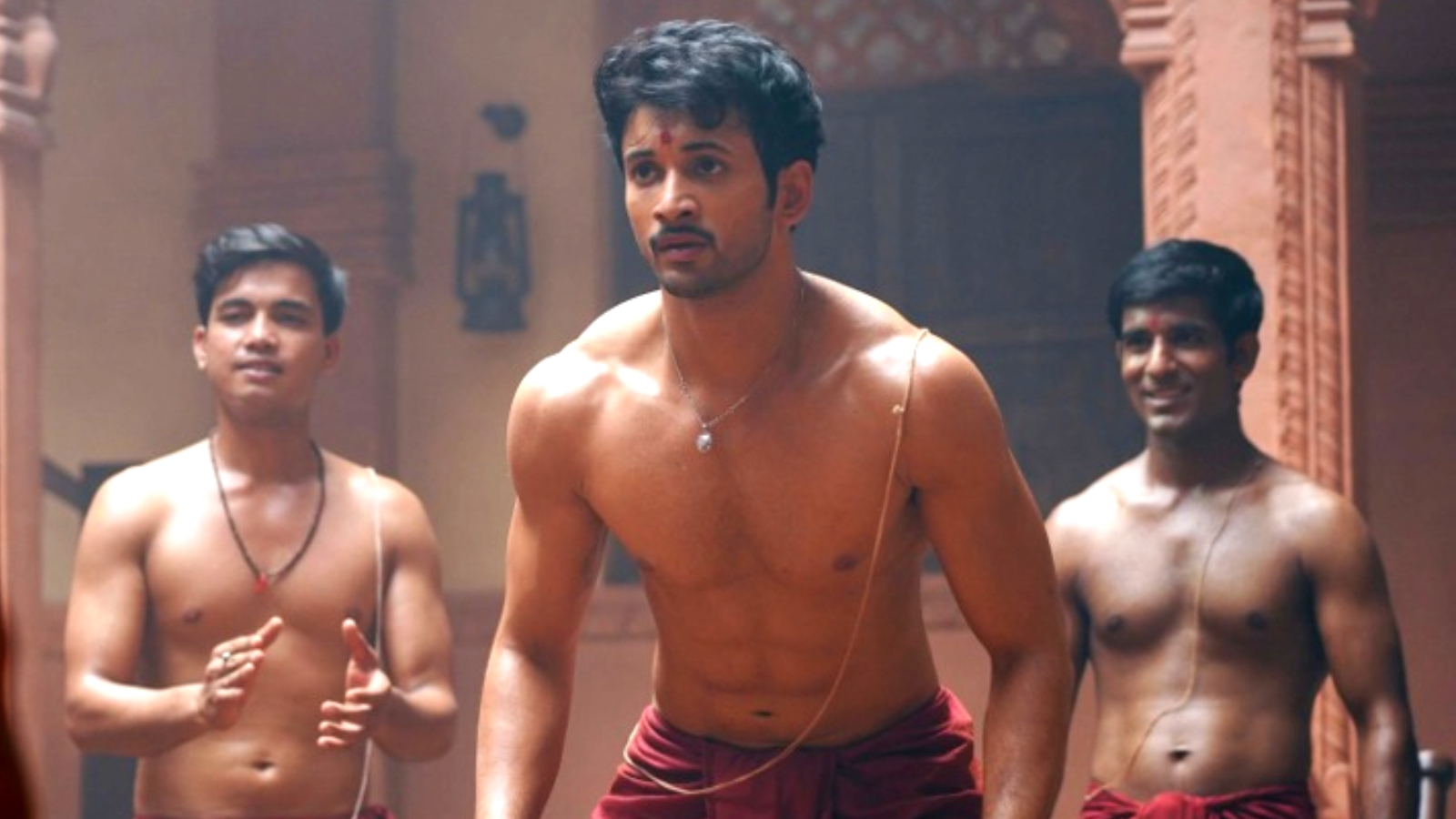
Mumbai, India – September 8, 2026 – The upcoming historical drama series, "The Revolutionaries," poised to premiere on Prime Video on September 11th, is already generating significant buzz, not just for its compelling narrative of India’s freedom struggle, but also for the astonishing physical metamorphosis undertaken by its lead actor, Rohit Saraf. Saraf, who portrays the young revolutionary Sachindra Nath Sanyal, has undergone an arduous 15-month transformation, pushing his physical limits to embody the spirit and stature of a historical figure. This dedication, coupled with intensive training in traditional Indian combat forms, highlights a new benchmark for actor preparation in the burgeoning Indian streaming landscape.
From Heartthrob to Warrior: The Genesis of a Transformation
Rohit Saraf, known for his relatable portrayals in contemporary roles, is stepping into a vastly different persona for "The Revolutionaries." Director Nikkhil Advani envisioned a powerful, physically imposing presence for Sanyal, drawing a striking parallel to Brad Pitt’s iconic physique in "Fight Club." This ambitious directive set the stage for Saraf’s extensive preparation.
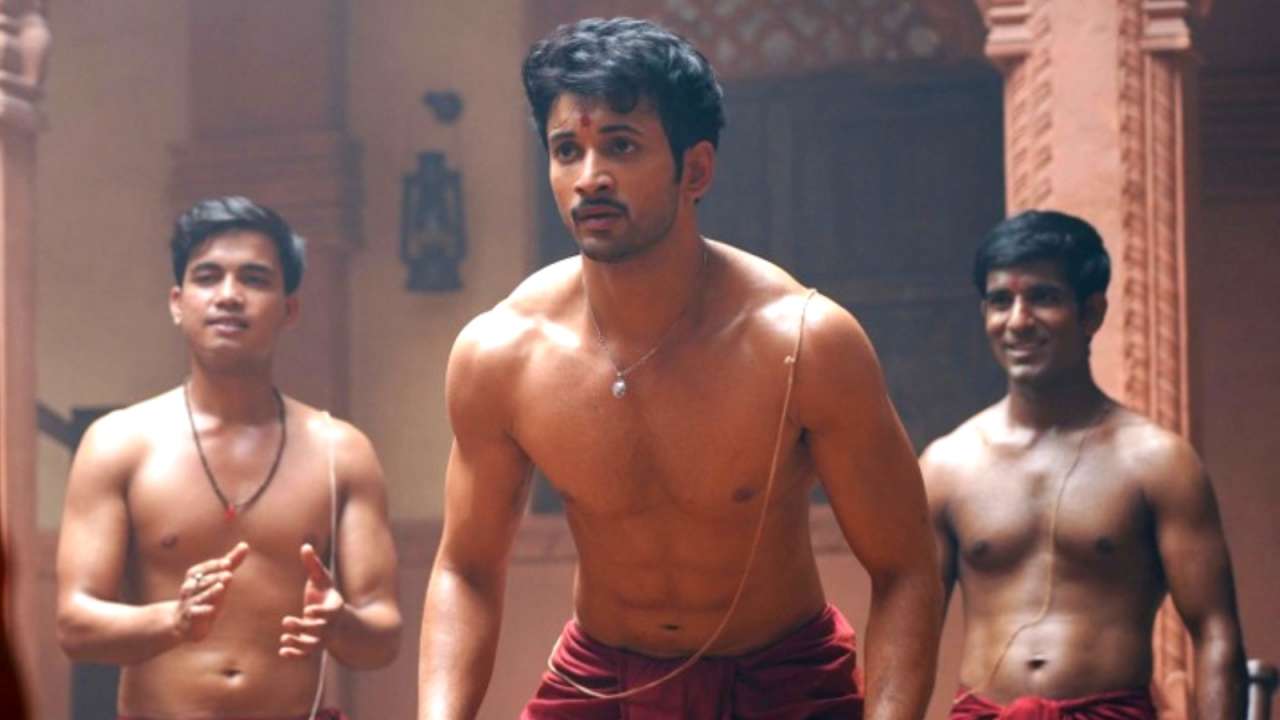
"Primarily, my preparation was physical," Saraf revealed in a recent interview. "It took me almost 15 months to transform my body, while the training in different art forms for the series lasted about three months." This statement underscores the sheer commitment required to sculpt a physique that not only looked the part but also conveyed the inherent strength and resilience of a freedom fighter. The actor’s journey was not merely about aesthetics but about internalizing the physical demands of a life dedicated to revolution.
Advani’s vision was clear: Saraf needed to embody the intensity and raw power associated with individuals who dared to challenge an empire. The initial consultation with the director marked a pivotal moment, as Saraf candidly admitted his initial state, while fit, was far from the envisioned "Brad Pitt from Fight Club" physique. This realization fueled a rigorous regimen that would redefine his physical capabilities and his understanding of his own body’s potential.
)
A Symphony of Strength: Mastering Traditional Indian Combat Forms
Beyond the gym, Saraf’s transformation was deeply rooted in the rich heritage of Indian martial arts. The series demanded not just a sculpted physique but also proficiency in combat forms that were both historically relevant and physically demanding. He immersed himself in the disciplines of Mallakhamb and Kushti, alongside other combat forms, to authentically portray the physical prowess of revolutionaries.
Mallakhamb, a traditional Indian sport involving gymnastics on a vertical wooden pole, demands exceptional strength, flexibility, and balance. Kushti, an ancient form of wrestling, requires immense power, endurance, and strategic grappling. Saraf’s training in these disciplines was not a superficial addition but a fundamental aspect of his character development. The intensive sessions, described by Saraf as "pretty grueling," were a testament to his dedication.

"Beyond that, he also wanted me to learn Mallakhamb, Kushti and other forms of physical training," Saraf explained. "The sessions were intense and, in all honesty, pretty gruelling. I would constantly send Nikkhil sir videos of what we were doing, and I think what I enjoyed most was seeing, bit by bit, how all of that training was changing the way I looked and moved." This iterative process of training, feedback, and visible change became a source of profound satisfaction for the actor, reinforcing the tangible impact of his efforts.
The meticulous training regimen likely involved a combination of strength conditioning, agility drills, and the specific techniques associated with each combat form. This multifaceted approach ensured that Saraf could not only look the part of a revolutionary but also move with the authenticity and power expected of such historical figures. The integration of these traditional arts into his preparation speaks volumes about the series’ commitment to historical accuracy and cultural representation.
)
Chronology of Commitment: The 15-Month Journey
Saraf’s 15-month physical transformation was a carefully orchestrated process, likely involving several distinct phases:
-
Phase 1: Foundation and Assessment (Months 1-3): This initial period would have focused on building a solid fitness base, assessing Saraf’s current physical condition, and establishing a baseline for strength and endurance. It would also have involved consultations with nutritionists and fitness trainers to design a personalized plan. The director’s vision of the "Fight Club" physique would have been a guiding principle from the outset.
)
-
Phase 2: Muscle Building and Hypertrophy (Months 4-9): With the foundation laid, this phase would have concentrated on increasing muscle mass and definition. This typically involves progressive overload in weight training, coupled with a meticulously planned diet rich in protein and essential nutrients. The aim would be to achieve a lean yet powerful build.
-
Phase 3: Skill Acquisition and Integration (Months 10-12): This crucial phase saw the intensive training in Mallakhamb, Kushti, and other combat forms. This period would have been physically taxing, requiring immense dedication to learn new skills, build muscle memory, and integrate them with the existing physical conditioning. The actor would have been working closely with specialized coaches for each discipline.
)
-
Phase 4: Refinement and Performance Readiness (Months 13-15): In the final months, the focus would shift to refining the physique, ensuring optimal body fat percentage, and perfecting the movements learned. This phase would also involve simulating combat scenarios and ensuring Saraf could perform the necessary physical actions required for the series with confidence and authenticity. The continuous feedback loop with Nikkhil Advani, through video updates, played a vital role in this refinement process.
This extended timeline underscores the significant investment of time and effort required to achieve such a dramatic physical transformation. It is a testament to Saraf’s commitment to his craft and his understanding of the importance of physical embodiment in historical roles.
)
Supporting Data: The Science Behind the Physique
While specific workout routines and dietary plans are often kept private, the principles behind Saraf’s transformation are well-established in the realm of fitness and bodybuilding. Achieving a physique akin to Brad Pitt’s in "Fight Club" typically involves:
- Intense Strength Training: This includes compound exercises like squats, deadlifts, bench presses, and overhead presses, designed to build overall muscle mass and strength. The progressive overload principle, gradually increasing weight, reps, or sets, is key to continuous muscle growth.
- High-Intensity Interval Training (HIIT): To achieve a lean physique, HIIT plays a crucial role in burning calories and improving cardiovascular fitness without sacrificing muscle mass.
- Strategic Nutrition: A diet focused on lean protein, complex carbohydrates, healthy fats, and ample hydration is essential for muscle repair and growth, as well as fat loss. Calorie intake would have been carefully monitored to support muscle gain while minimizing fat accumulation.
- Adequate Rest and Recovery: Muscle growth occurs during rest. Saraf’s regimen would have included sufficient sleep and recovery periods to allow his body to adapt and rebuild.
- Mastery of Traditional Arts: The specific demands of Mallakhamb and Kushti would have required exceptional core strength, grip strength, flexibility, and muscular endurance, further contributing to a well-rounded and powerful physique. The rotational movements in Kushti, for instance, would have developed explosive power in the legs and core.
The 15-month duration allowed for a gradual and sustainable transformation, minimizing the risk of injury and ensuring the actor’s long-term health and performance.
)
Official Responses and Director’s Vision
Nikkhil Advani, the creator and director of "The Revolutionaries," has been vocal about his expectations and Saraf’s dedication. His initial directive to achieve a "Brad Pitt from Fight Club" physique was not merely about aesthetics but about conveying a sense of controlled power and resilience that the character of Sachindra Nath Sanyal would have possessed.
Advani’s approach is indicative of a directorial style that emphasizes deep character immersion. By setting such a high bar for Saraf’s physical preparation, he aimed to ensure that the actor’s portrayal would be not only emotionally resonant but also physically commanding, lending an undeniable authenticity to the revolutionary spirit.
)
"I think what I enjoyed most was seeing, bit by bit, how all of that training was changing the way I looked and moved," Saraf recalled, highlighting the director’s consistent engagement throughout the process. This collaborative dynamic, where the actor actively shares progress and receives feedback, is crucial for achieving the director’s vision and building a character that feels lived-in and believable.
The production house, Emmay Entertainment, through producers Monisha Advani and Madhu Bhojwani, has clearly invested significantly in the authenticity and quality of "The Revolutionaries." The choice to focus on such a rigorous physical transformation for a lead actor signals a commitment to delivering a premium historical drama that resonates with audiences on multiple levels.
)
Implications for the Industry and Future Roles
Rohit Saraf’s extensive transformation for "The Revolutionaries" carries significant implications for the Indian entertainment industry.
- Raising the Bar for Actor Preparation: Saraf’s dedication sets a new precedent for physical commitment in Indian cinema and streaming. It signals a growing trend towards actors undergoing substantial transformations to inhabit their characters fully, moving beyond superficial makeovers to deep physical and skill-based immersion.
- Emphasis on Authenticity in Historical Dramas: The incorporation of traditional Indian combat forms like Mallakhamb and Kushti underscores a commitment to historical accuracy and cultural representation. This approach can enrich the storytelling and provide audiences with a more authentic and engaging experience of the past.
- Versatility and Range: This role is poised to showcase Rohit Saraf’s impressive range as an actor, proving his ability to transcend his previous on-screen personas and embody complex historical figures. It will undoubtedly open doors to a wider array of challenging and diverse roles in the future.
- A Boon for Streaming Platforms: As streaming platforms continue to invest in ambitious original content, the demand for actors willing to undergo such extensive preparation will likely increase. This can lead to more visually compelling and thematically rich productions.
- Promoting Indigenous Art Forms: By highlighting and integrating traditional Indian martial arts into a mainstream production, "The Revolutionaries" has the potential to bring renewed attention and appreciation to these rich cultural practices.
As "The Revolutionaries" prepares for its premiere, Rohit Saraf’s journey from actor to a physically transformed historical figure stands as a powerful testament to the dedication, discipline, and artistic ambition that defines the modern entertainment landscape. His commitment to embodying Sachindra Nath Sanyal promises to be one of the most compelling aspects of this eagerly anticipated series.