

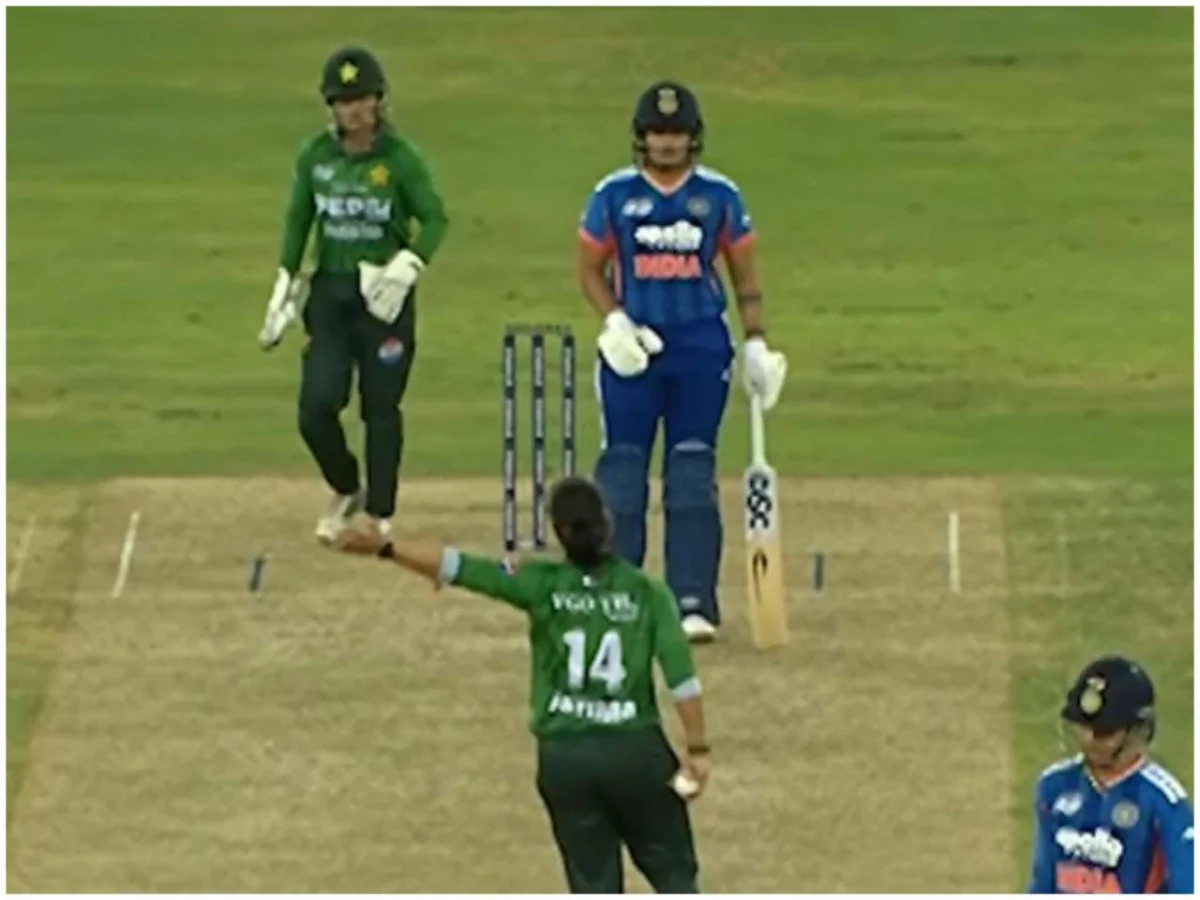
[City, Country] – [Date, likely September 7, 2026, based on image date] – In a significant development reverberating through the cricketing world, Pakistan women’s national team captain, Fatima Sana, has been handed a fine and a demerit point by the International Cricket Council (ICC) for her on-field conduct following the dismissal of India’s prolific batter, Shafali Verma, during a high-stakes Group A encounter at the ongoing Women’s Asia Cup 2026. The action underscores the ICC’s unwavering commitment to upholding the ‘Spirit of Cricket’ and maintaining strict disciplinary standards, particularly in matches laden with historical rivalry and intense emotions.
The incident, which occurred during a keenly contested match between the arch-rivals, saw Sana breach Level 1 of the ICC Code of Conduct. Her actions, described as a "gesture" after Verma’s wicket fell, were deemed to disparage the batter and could have potentially provoked an aggressive reaction, drawing the attention of match officials and subsequently leading to a formal charge. This is Sana’s second offence within a 24-month period, placing her disciplinary record under increased scrutiny and raising questions about the fine line between passionate celebration and unsportsmanlike conduct.
The Core Incident: Passion, Performance, and Penalty
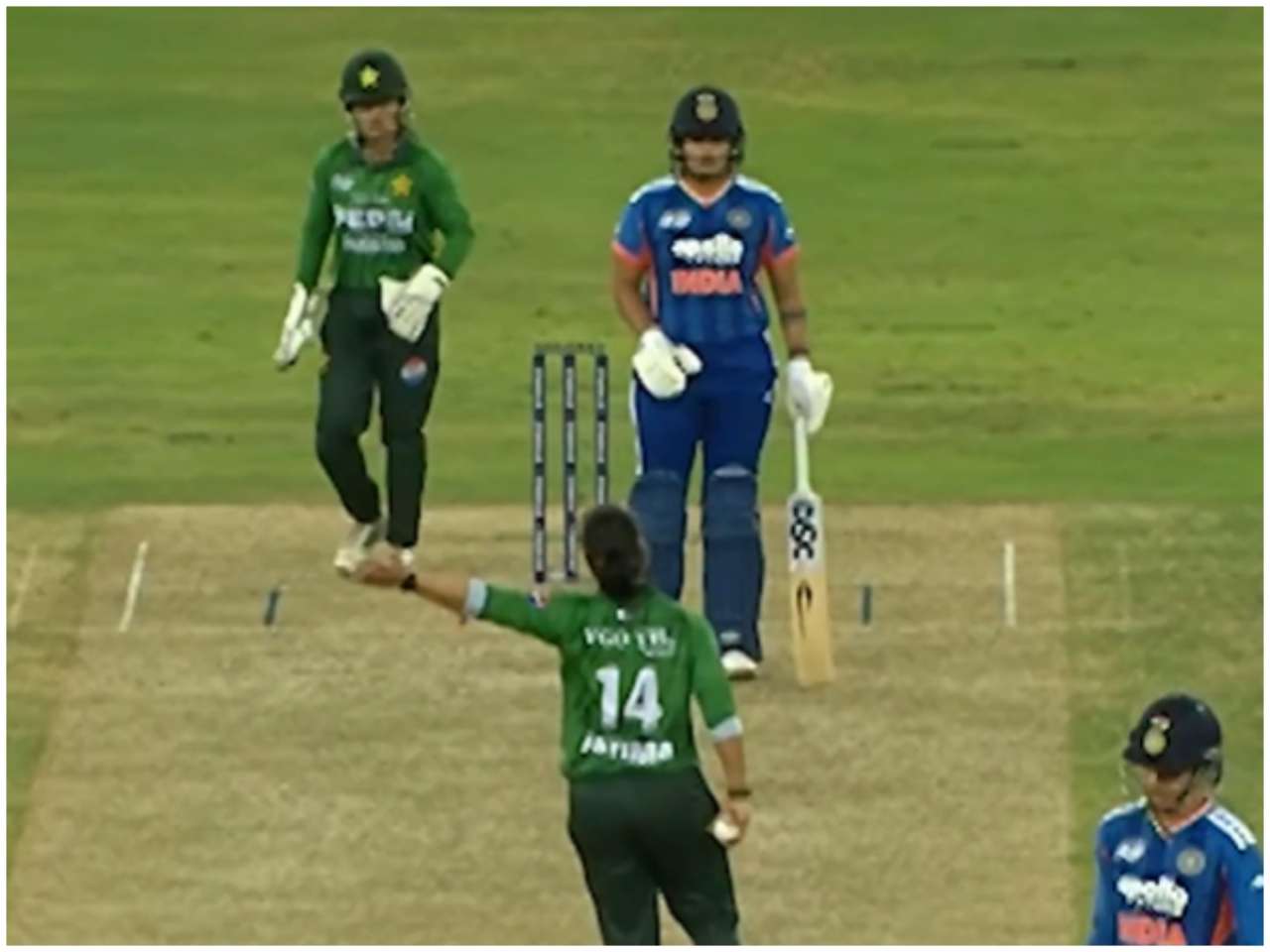
The heart of the matter lies in a moment of intense sporting theatre: the dismissal of a key opposing player in a crucial match. Pakistan captain Fatima Sana, a pivotal all-rounder for her team, found herself at the centre of controversy after her reaction to dismissing India’s explosive opener, Shafali Verma.
The Match Context: The Women’s Asia Cup 2026 fixture between India and Pakistan was, as always, a highly anticipated clash. These encounters transcend mere cricketing contests; they are battles of national pride, drawing immense viewership and scrutiny. The pressure on players from both sides to perform, and to manage their emotions, is immense. Shafali Verma, known for her aggressive batting and ability to change the complexion of a game rapidly, is a prized wicket for any opposition. Her early dismissal, or a crucial one at any stage, can significantly impact the momentum and outcome of the match.
)
The Dismissal: While the specific details of the dismissal – whether it was a clean catch, a stumping, or an LBW – are not the primary focus of the ICC’s action, the fact remains that Verma’s wicket was taken. Following this, Fatima Sana, in a moment that was clearly captured on camera and later reviewed by match officials, engaged in a gesture directed towards the departing Indian batter. Though the exact nature of the gesture has not been explicitly detailed by the ICC in its public statement, the term "send-off" typically implies an action or language intended to mock, intimidate, or disrespect the dismissed player. Such actions are strictly prohibited under the ICC’s Code of Conduct, which aims to foster an environment of mutual respect and fair play.
The Sanction: For her transgression, Sana was fined 10 percent of her match fees. More significantly, one demerit point was added to her disciplinary record. This punishment was meted out by Supriya Rani Das of the Emirates ICC International Panel of Match Referees, who found Sana guilty of breaching Article 2.5 of the ICC Code of Conduct for Players and Player Support Personnel. Article 2.5 specifically addresses "using language, actions or gestures which disparage, or which could provoke an aggressive reaction from a batter upon his/her dismissal during an International match." Fatima Sana’s prompt admission of the offence and acceptance of the proposed sanction meant that there was no need for a formal hearing, streamlining the disciplinary process.

A Chronology of Conduct: Sana’s Disciplinary Record
This is not the first instance of Fatima Sana attracting the attention of match officials. Her current demerit point brings her total to two within a 24-month period, signalling a pattern that the ICC will be keen to monitor.
Previous Offence (August 2025): The Pakistani skipper’s first demerit point during this disciplinary window was incurred against Ireland during a T20I series in August of the previous year. While the specifics of that incident are not detailed in the current reports, it indicates that Sana has previously been found to have violated the ICC’s Code of Conduct. This prior record undoubtedly played a role in the swiftness and certainty of the current sanction, as repeat offenders often face less leniency.
)
The Asia Cup 2026 Incident: The latest incident involving Shafali Verma occurred during a crucial phase of the Women’s Asia Cup 2026. The high stakes of the tournament and the added intensity of an India-Pakistan match amplify the significance of any breach of conduct. The timing of the incident, coupled with Sana’s captaincy, places additional responsibility on her shoulders to set an example for her team and for younger players.
The Disciplinary Process: Following the match, the incident was likely reported by the on-field umpires or the third umpire to the match referee. Supriya Rani Das, after reviewing the evidence (likely video footage and potentially witness statements), determined that Sana’s actions constituted a Level 1 breach. The match referee then formally charged Sana, who, upon being presented with the evidence and the proposed sanction, chose to admit the offence. This admission expedited the process, avoiding a potentially drawn-out hearing and allowing the matter to be resolved swiftly, maintaining focus on the tournament.
)
Supporting Data: ICC Code, Player Profiles, and Rivalry Dynamics
To fully understand the gravity of the situation, it’s essential to delve into the supporting frameworks and contexts that govern such incidents in international cricket.
ICC Code of Conduct: Level 1 Breaches Explained:
The ICC Code of Conduct is a comprehensive document designed to ensure fair play, respect, and discipline in international cricket. Level 1 breaches are considered the least severe, but they are nonetheless taken seriously. They cover a range of offences, including:
)
- Abuse of cricket equipment or clothing.
- Audible obscenity.
- Disrespect towards an umpire’s decision.
- Excessive appealing.
- And, crucially, "using language, actions or gestures which disparage, or which could provoke an aggressive reaction from a batter upon his/her dismissal during an International match" (Article 2.5).
The penalties for Level 1 breaches range from an official reprimand (the minimum) to a maximum of 50 percent of a player’s match fee, along with one or two demerit points. The specific penalty applied depends on the severity of the offence, the player’s disciplinary record, and the discretion of the match referee. In Sana’s case, a 10% fine and one demerit point falls within this range, indicating a clear, but not extreme, violation.
The Demerit Point System: The demerit point system is a crucial component of the ICC’s disciplinary framework. It serves as a cumulative record of a player’s infractions.
)
- Demerit points remain on a player’s disciplinary record for a period of 24 months from their imposition. After this period, they are expunged.
- The critical threshold is four or more demerit points within this 24-month period. If a player accumulates four or more demerit points, they are converted into "suspension points."
- Two suspension points are equivalent to a ban from one Test match, or two One-Day Internationals (ODIs), or two Twenty20 Internationals (T20Is), whichever comes first in the player’s schedule. This means that a player reaching four demerit points will automatically face a ban from at least one international fixture.
Fatima Sana, with two demerit points, is now halfway to a potential suspension. This places her in a precarious position, where any further Level 1 breach (carrying at least one demerit point) or a more severe Level 2 breach (which typically carries 2-4 demerit points) could lead to her being sidelined from future international matches.
Fatima Sana: A Profile: Fatima Sana is not just the captain of the Pakistan women’s team but also a talented fast bowler and a valuable all-rounder. Her rise to captaincy signifies her importance to the team’s structure and her leadership qualities. Known for her pace and ability to pick up crucial wickets, she is often at the forefront of Pakistan’s bowling attack. However, her recent disciplinary issues highlight the challenges faced by players, particularly captains, in managing emotions during high-pressure situations. As a leader, her conduct sets a precedent for her teammates.
Shafali Verma: The Impact Player: Shafali Verma is one of the most exciting young talents in women’s cricket globally. An aggressive opening batter, she has rapidly made a name for herself with her fearless approach and ability to score quickly. Her wicket is often considered a game-changer, as she can take the match away from the opposition within a few overs. The intensity of celebrations following her dismissal is understandable given her threat, but it must remain within the bounds of the Code of Conduct.
)
The India-Pakistan Rivalry: The cricketing rivalry between India and Pakistan is arguably one of the most intense and storied in sports. Every match between these two nations carries an unparalleled emotional charge, driven by historical and geopolitical factors that extend beyond the boundaries of the cricket field. While women’s cricket may not have the same decades-long history of clashes as the men’s game, the rivalry is equally potent. Matches are often tightly contested, and emotions run high, making it imperative for players to adhere strictly to the rules of engagement and sportsmanship. Incidents like the one involving Sana and Verma, while seemingly minor, can quickly become amplified due to the inherent tension of these encounters.
Growing Professionalism in Women’s Cricket: The increased scrutiny on player conduct in women’s cricket reflects the sport’s rapid growth and professionalisation. With more televised matches, higher stakes, and greater media attention, women cricketers are now under the same spotlight as their male counterparts. The ICC’s swift action against Sana is a testament to its commitment to applying the same standards of conduct across all forms and genders of international cricket.
)
Official Responses and Stances
The immediate aftermath of such an incident usually involves a series of official communications and statements, designed to clarify the situation and reinforce the governing body’s position.
ICC’s Stance: The ICC’s primary role is to govern and promote cricket globally, and a key aspect of this is maintaining the integrity and spirit of the game. By taking swift action against Fatima Sana, the ICC has reiterated its zero-tolerance policy towards unsportsmanlike conduct. While the ICC rarely issues detailed press releases on individual player admissions, the formal announcement of the fine and demerit point serves as a clear message that such behaviour will not be overlooked. The ICC’s objective is not to stifle passion but to ensure that it is expressed within the boundaries of respect and fair play, protecting the game’s image and fostering a positive environment for all participants.
)
Pakistan Cricket Board (PCB): While the PCB has not issued a detailed statement beyond likely acknowledging the ICC’s decision, their typical response to such matters involves supporting their player while simultaneously reinforcing the importance of adhering to the ICC Code of Conduct. The PCB would likely advise Sana to be more mindful of her actions in the future, particularly as captain. They would also likely engage with Sana to ensure she understands the implications of further demerit points. The board’s focus would be on player welfare and ensuring their captain remains available for selection, while also upholding the reputation of Pakistani cricket.
Fatima Sana’s Acceptance: Sana’s admission of the offence and acceptance of the sanction is a crucial element. It suggests an understanding and acknowledgement of her transgression, potentially demonstrating remorse or at least a pragmatic acceptance of the official ruling. This avoids a protracted appeal process and allows her to move past the incident, focusing on her performance for the remainder of the Asia Cup. Her willingness to accept responsibility also aligns with the expectations of a team captain.
)
Board of Control for Cricket in India (BCCI) / Indian Team: The Indian team and the BCCI would likely refrain from making any direct comments on the disciplinary action taken against an opposition player. Their focus would remain on their own performance in the tournament. In such situations, it’s customary for teams to respect the decisions of the match referee and the ICC, avoiding any statements that could further inflame tensions or be perceived as gloating.
Implications: Beyond the Match Fee
The sanction against Fatima Sana carries implications that extend far beyond the immediate financial penalty and the addition of a demerit point.
)
Implications for Fatima Sana:
- Reputational Impact: As captain, Sana is expected to lead by example. This incident, her second in 24 months, could tarnish her image as a leader and a role model within the sport. While passion is appreciated, repeated breaches can lead to a perception of indiscipline.
- Risk of Suspension: The most immediate and tangible implication is the heightened risk of suspension. With two demerit points, Sana is now only two points away from an automatic ban. This means she will need to be exceptionally cautious with her conduct over the next two years. Any minor infraction could lead to her missing crucial matches, which would be a significant blow to both her career and the Pakistan team.
- Impact on Captaincy: While unlikely to lead to her immediate removal from captaincy, consistent disciplinary issues could put pressure on her leadership role in the long term. A captain is expected to maintain composure and discipline under pressure.
Implications for the Pakistan Team:
)
- Team Morale: While players are generally professional, a captain’s disciplinary issues can sometimes affect team morale or create a distraction. The team will need to rally around Sana and ensure that the incident does not become a prolonged talking point.
- Setting an Example: Sana’s sanction serves as a stark reminder for all Pakistani players about the importance of adhering to the Code of Conduct. It reinforces the message that even leaders are not exempt from disciplinary action.
Implications for the Asia Cup and Women’s Cricket:
- Tournament Atmosphere: While the match itself is over, such incidents can add another layer of narrative to the tournament. It highlights the competitive spirit but also the need for boundaries.
- Reinforcing Standards: The ICC’s swift action sends a clear message across women’s cricket that aggressive send-offs and unsportsmanlike gestures will not be tolerated. This helps maintain a professional and respectful environment as the sport continues to grow globally. It sets a precedent for how future incidents, especially in high-profile matches, will be handled.
- Spirit of Cricket: The incident sparks a broader discussion about the ‘Spirit of Cricket’ – an unwritten code that emphasizes fair play, respect for opponents, and upholding the game’s traditions. While competitive fire is vital, it must always be balanced with sportsmanship.
Broader Implications for the India-Pakistan Rivalry:
)
- Adding to the Narrative: Every incident, big or small, becomes a part of the rich and complex tapestry of the India-Pakistan cricketing rivalry. While this particular event is a disciplinary matter, it subtly adds another layer to the narrative, which fans and media often revisit in future clashes. It reinforces the notion that these contests are not just about runs and wickets, but also about intense emotional battles.
- Player Conduct in High-Stakes Games: The incident underscores the unique challenges players face in India-Pakistan matches, where the pressure to perform and the emotional investment are exceptionally high. It highlights the need for players to develop robust coping mechanisms and maintain composure, even in the most charged atmospheres.
In conclusion, Fatima Sana’s sanction is a potent reminder of the ICC’s vigilance in upholding the ‘Spirit of Cricket’. While passion and competitive fire are integral to the game, they must always be tempered by respect for opponents and adherence to the rules. For Sana, this serves as a crucial warning, placing her on the brink of a potential suspension and emphasizing the added responsibility that comes with leadership in international cricket. As the Women’s Asia Cup 2026 progresses, all eyes will be on how players navigate the fine line between intense competition and impeccable conduct.
