

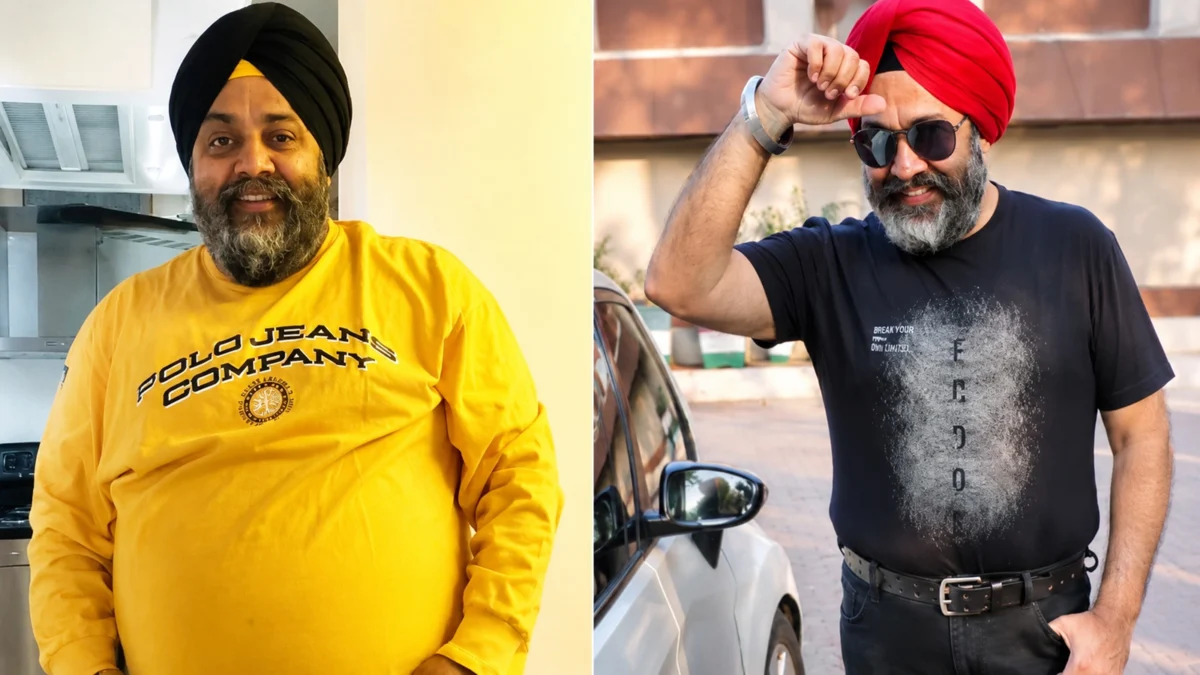
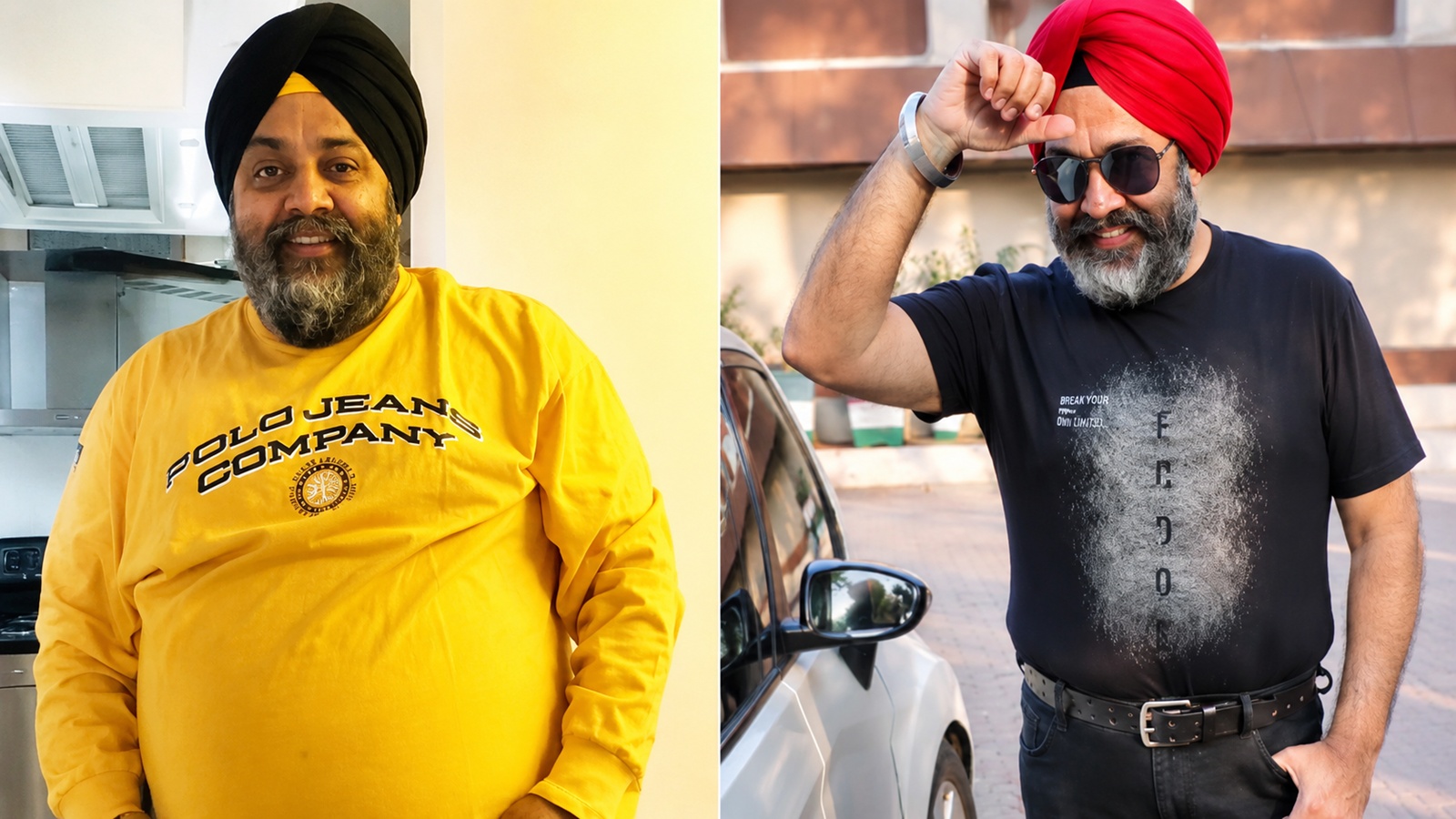
New Delhi – In an era where "quick fixes" and "fad diets" often dominate the social media landscape, the story of veteran actor Manmeet Singh offers a nuanced look at the intersection of discipline, lifestyle modification, and metabolic recovery. At 57, Singh, a recognizable face from the blockbuster Rab Ne Bana Di Jodi, has revealed a staggering 61-kilogram weight loss—bringing his weight down from a life-threatening 152 kg to a manageable 91 kg.
Beyond the aesthetic shift, Singh’s journey serves as a clinical case study in the reversal of chronic lifestyle diseases, specifically Type 2 diabetes and hypertension. His narrative, shared via a candid Instagram update, has sparked a broader conversation regarding the efficacy of intermittent fasting and caloric restriction in middle-aged individuals.
I. Main Facts: The Anatomy of a Transformation
Manmeet Singh’s health journey is defined by a series of dramatic physiological metrics. For years, the actor lived with morbid obesity, peaking at 152 kg. This weight was not merely a physical burden but a precursor to severe metabolic dysfunction. Singh reported that his blood sugar levels had previously soared above 500 mg/dL—a level categorized as a diabetic emergency that carries high risks of ketoacidosis, organ damage, and cardiovascular events.
Key Statistics of the Transformation:
- Peak Weight: 152 kg
- Current Weight: 91 kg
- Total Weight Loss: 61 kg
- Medical Reversals: Type 2 Diabetes, High Blood Pressure, and Thyroid dysfunction.
- Duration of Remission: Four years off diabetes medication.
- Dietary Framework: Pure vegetarianism, zero alcohol, 1200-calorie daily limit.
- Fasting Protocol: 18-hour daily intermittent fasting window.
Singh’s revelation that he has been off medication for four years is perhaps the most significant aspect of his story. In clinical terms, "reversing" diabetes—or more accurately, achieving "remission"—is defined as maintaining normal blood sugar levels without the aid of glucose-lowering drugs for at least three to six months. Singh has surpassed this milestone nearly eightfold.
II. Chronology: From Health Crisis to Sustainable Routine
The timeline of Manmeet Singh’s transformation is not one of overnight success but of gradual adaptation.
The Crisis Phase
The journey began at a point of high medical risk. Carrying over 150 kg, Singh faced the classic "metabolic syndrome" trifecta: hypertension, hyperglycemia, and thyroid issues. Despite the physical toll, the actor maintains that he "always felt young at heart," a psychological resilience that likely fueled his initial commitment to change.
The Adaptation Phase
Singh initially adopted a 16:8 intermittent fasting schedule—a popular method involving 16 hours of fasting and an 8-hour eating window. During this phase, he began timing his final meal of the day for 6:00 PM, allowing his body a significant period of digestive rest.
The Optimization Phase
As his body adapted, Singh tightened his protocol. He moved from a 16-hour gap to an 18-hour gap (18:6). In his current routine, he consumes only two meals a day, and occasionally just one (a practice known as OMAD—One Meal A Day).
Crucially, his journey hit a plateau when he began gaining weight unexpectedly. Upon seeking medical advice, he discovered a thyroid imbalance. By addressing this through his regulated lifestyle and presumably medical guidance, he was able to stabilize his metabolism and continue his weight loss trajectory.
III. Supporting Data: The Science of Intermittent Fasting and Caloric Restriction
Singh’s success is anchored in two primary pillars: Intermittent Fasting (IF) and a strict Caloric Deficit. To understand the magnitude of his achievement, one must look at the physiological mechanisms at play.
The 18-Hour Fasting Window
Intermittent fasting is not a diet but a pattern of eating. When the body goes 18 hours without food, it undergoes several critical processes:
- Insulin Sensitivity: By extending the fasting window, insulin levels drop significantly, allowing the body to access stored fat for energy. This is central to reversing Type 2 diabetes.
- Autophagy: Around the 16-to-18-hour mark, the body begins a process of "cellular cleanup," where damaged cells are repaired or recycled.
- Growth Hormone Secretion: Fasting can trigger an increase in growth hormone, which aids in fat loss while attempting to preserve lean muscle tissue.
The 1200-Calorie Threshold
For a man of Singh’s stature and age, 1200 calories is a "very low-calorie diet" (VLCD) territory. While effective for rapid weight loss, it requires careful nutrient density to avoid malnutrition. Singh’s choice of a "pure vegetarian" diet means his caloric intake is likely dominated by complex carbohydrates, legumes, and vegetables. By abstaining from alcohol, he eliminated "empty calories" that contribute to visceral fat and fatty liver disease.
Reversing the "Irreversible"
The medical community once viewed Type 2 diabetes as a progressive, lifelong disease. However, data from the Diabetes Remission Clinical Trial (DiRECT) suggests that significant weight loss (usually over 15 kg) can put the disease into remission for a large percentage of patients. Singh’s 61 kg loss far exceeds the clinical threshold required for metabolic reset.
IV. Official Responses: Expert Insights and Clinical Nuance
While Singh’s results are inspiring, health experts urge caution for the general public attempting to replicate his specific regimen. Consultant dietitian Garima Goyal, speaking with The Indian Express, provided a balanced perspective on the actor’s journey.
The 5-10% Rule
Goyal notes that for individuals carrying substantial excess weight, the path to health starts much earlier than the final goal. "Even a 5–10 per cent reduction in initial body weight can produce meaningful improvements in metabolic health, including blood sugar regulation, blood pressure, and cardiovascular risk," she explains. Singh’s journey validates this, as his blood pressure medication was stopped long before he reached his final 91 kg goal.
The Importance of Muscle Mass
One area of concern in Singh’s self-reported routine is his admission: "I don’t exercise, which I should."
Goyal emphasizes that as body weight decreases, the risk of losing muscle mass (sarcopenia) increases, especially in men over 50. "Preserving muscle mass, improving fitness, and maintaining adequate nutrition are equally important," Goyal states. She suggests that resistance training and high protein intake are vital components that should ideally accompany such a massive caloric deficit to ensure the weight lost is fat, not muscle.
Individualization is Key
Goyal strongly advises against the "copy-paste" approach to celebrity diets. "Nutrient requirements vary considerably between individuals. A transformation of this scale should be viewed as a health journey rather than simply a physical makeover."
V. Implications: The Broader Impact on Public Health
Manmeet Singh’s transformation has implications that reach far beyond the film industry. It serves as a high-profile rebuttal to the "fat but fit" myth and highlights the severe risks of morbid obesity.
Addressing the Diabetes Epidemic
India is often cited as the "Diabetes Capital of the World." Singh’s story provides a roadmap for "lifestyle-based remission," suggesting that for many, the disease is not a life sentence but a condition that can be managed—and potentially halted—through rigorous dietary control.
The Psychological Shift
Singh’s emphasis on "staying happy" and being "young at heart" underscores the psychological component of weight loss. Long-term adherence to an 18-hour fasting window requires immense mental discipline. His ability to maintain this for four years suggests that he has moved past a "dieting" mindset into a permanent lifestyle shift.
Risks and Recommendations
While Singh’s story is a triumph, the medical implications of a 1200-calorie diet for a 91 kg man are complex. Such a deficit can lead to a slowed basal metabolic rate (BMR). Medical professionals generally recommend:
- Supervision: Any reversal of chronic medication (BP or Diabetes) must be done under the strict supervision of a doctor.
- Nutrient Density: In a low-calorie vegetarian diet, monitoring B12, Iron, and Protein levels is essential.
- Sustainability: The ultimate goal is "improved mobility, stamina, and quality of life," rather than just chasing a lower number on the scale.
Conclusion
Manmeet Singh’s journey from 152 kg to 91 kg is a testament to the power of caloric control and intermittent fasting. By successfully reversing Type 2 diabetes and hypertension, he has demonstrated that the body possesses a remarkable capacity for recovery when provided with the right metabolic environment. However, as expert Garima Goyal notes, the focus for the average person should be on sustainable, individualized habits rather than extreme calorie cutting. Singh’s story stands as a powerful reminder that while the journey to health is difficult, the rewards—freedom from medication and a renewed lease on life—are invaluable.
DISCLAIMER: This article is for informational purposes only and does not constitute medical advice. Always consult a qualified health practitioner or endocrinologist before starting a new diet or fasting routine, especially if you have underlying health conditions like diabetes or hypertension.
