

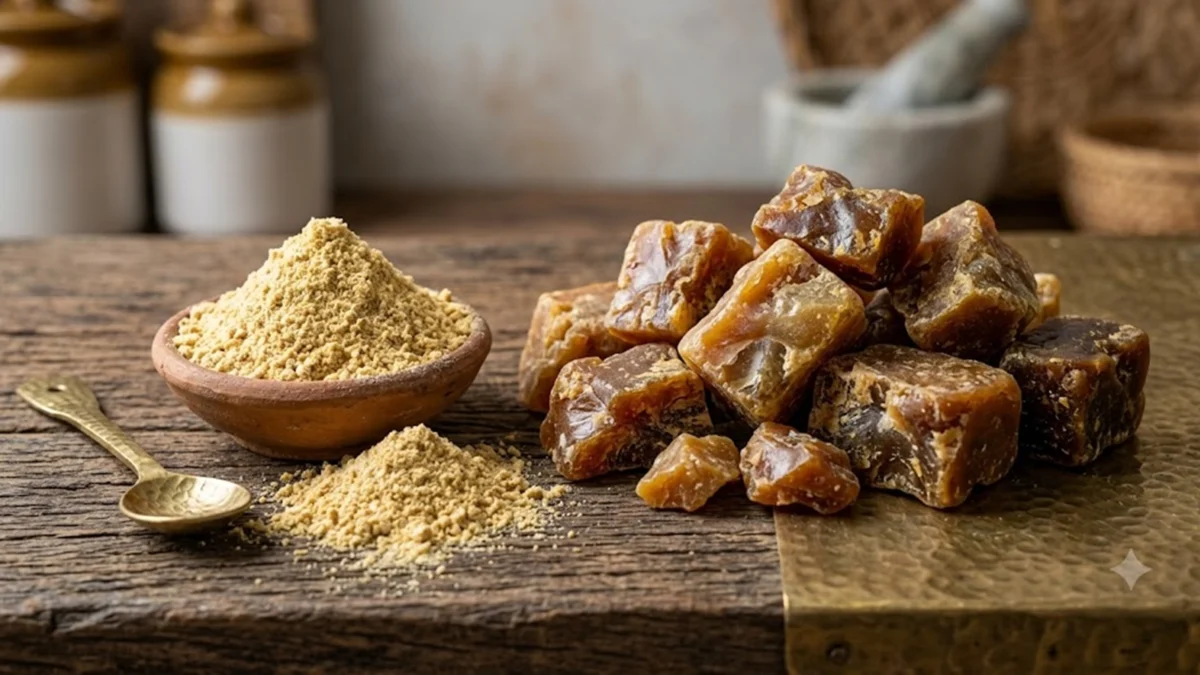
In the intricate tapestry of Indian culinary traditions, few ingredients hold as much sway as hing, or asafoetida. Known as the "Scent of the Gods" to its admirers and "Devil’s Dung" to the uninitiated, a mere pinch of this potent resin can transform a flat lentil curry into a gastronomic masterpiece. However, recent regulatory crackdowns have cast a shadow over this kitchen staple, revealing that the "gold" in our spice boxes may be heavily diluted with fillers, starch, and sub-standard substitutes.
As the Food Safety and Standards Authority of India (FSSAI) intensifies its scrutiny of major brands, a growing movement of chefs and nutritionists is advocating for a return to "pure" hing, urging consumers to reclaim control over their ingredients by processing the raw resin at home.
Main Facts: The FSSAI Crackdown and the Scale of Adulteration
The current controversy erupted following a series of prohibition orders issued by the FSSAI against several prominent spice manufacturers. The regulatory body’s move was prompted by alarming laboratory results that suggested a systemic failure in maintaining the purity of compounded hing powder—the most common form of the spice sold in retail markets.
Under Indian food safety laws, compounded asafoetida must meet specific chemical benchmarks to be considered fit for sale. One of the primary metrics is the "alcohol-soluble extract" level, which represents the actual resin content of the product. The legal minimum for this extract is 5 per cent. However, FSSAI lab tests revealed that several samples from major brands contained as little as 0 to 4.4 per cent, effectively rendering the product "substandard."
Furthermore, the Press Information Bureau (PIB) issued a notification highlighting a more visible form of adulteration: the excessive use of starch. While starch is a permitted additive used to prevent the sticky resin from clumping, it is legally capped at 1 per cent for raw hing. The tested samples showed starch levels ranging from 15 to 32 per cent. This disparity suggests that consumers are paying premium prices for what is essentially flavored flour rather than the potent medicinal resin they expect.
Chronology: From the Roots of the Ferula to the Modern Pantry
To understand how the purity of hing became compromised, one must first look at its complex journey from the rugged terrains of Central Asia to the Indian tadka pan.
The Origin of the Resin
Hing is not a seed, a leaf, or a mineral. It is an oleo-gum-resin—a milky exudate obtained from the living rhizomes and roots of several species of Ferula, a perennial herb that thrives in the arid climates of Afghanistan, Iran, and Uzbekistan. Historically, India has been the world’s largest consumer of hing, yet until very recently, it did not grow the plant domestically, relying entirely on imports of the raw, rock-like resin.
The Evolution of "Compounded" Hing
Raw hing is too potent and sticky for direct use. In its pure form, it is an intense, irregular lump that is difficult to measure or grind. To make it user-friendly, the "compounding" process was developed. This involves blending the raw resin with edible starches (like wheat or rice flour) and gum arabic.
Over the decades, as the demand for convenience grew, "Compounded Hing Powder" became the industry standard. However, this commercialization opened the door for "misbranding." Manufacturers began tilting the ratio, using more fillers and less resin to maximize profit margins, leading to the current regulatory crisis where the "spice" is more filler than flavor.
Supporting Data: The Science of Purity and the DIY Alternative
In response to the FSSAI’s findings, culinary experts like Chef Uma Raghuraman and Chef Shipra Khanna have sparked a "purity revolution" on social media. Their solution is simple but requires a shift in consumer habits: buy the solid "block" hing and process it at home.
The Anatomy of the Block
"The hing we use starts its journey as a sticky, milky extract," explains Chef Shipra Khanna. "When exposed to air, it hardens into intensely aromatic lumps. It’s incredibly concentrated because of its volatile, sulphur-containing compounds."
According to nutritional data, these sulfur compounds (primarily disulfides) are responsible for both the pungent aroma and the digestive benefits associated with the spice. When the resin is diluted excessively with starch, these therapeutic properties are significantly diminished.
The Homemade Process: A Step-by-Step Guide
For those looking to bypass the adulterated powders of the market, the transition to homemade powder involves a specific technique to preserve the volatile oils:
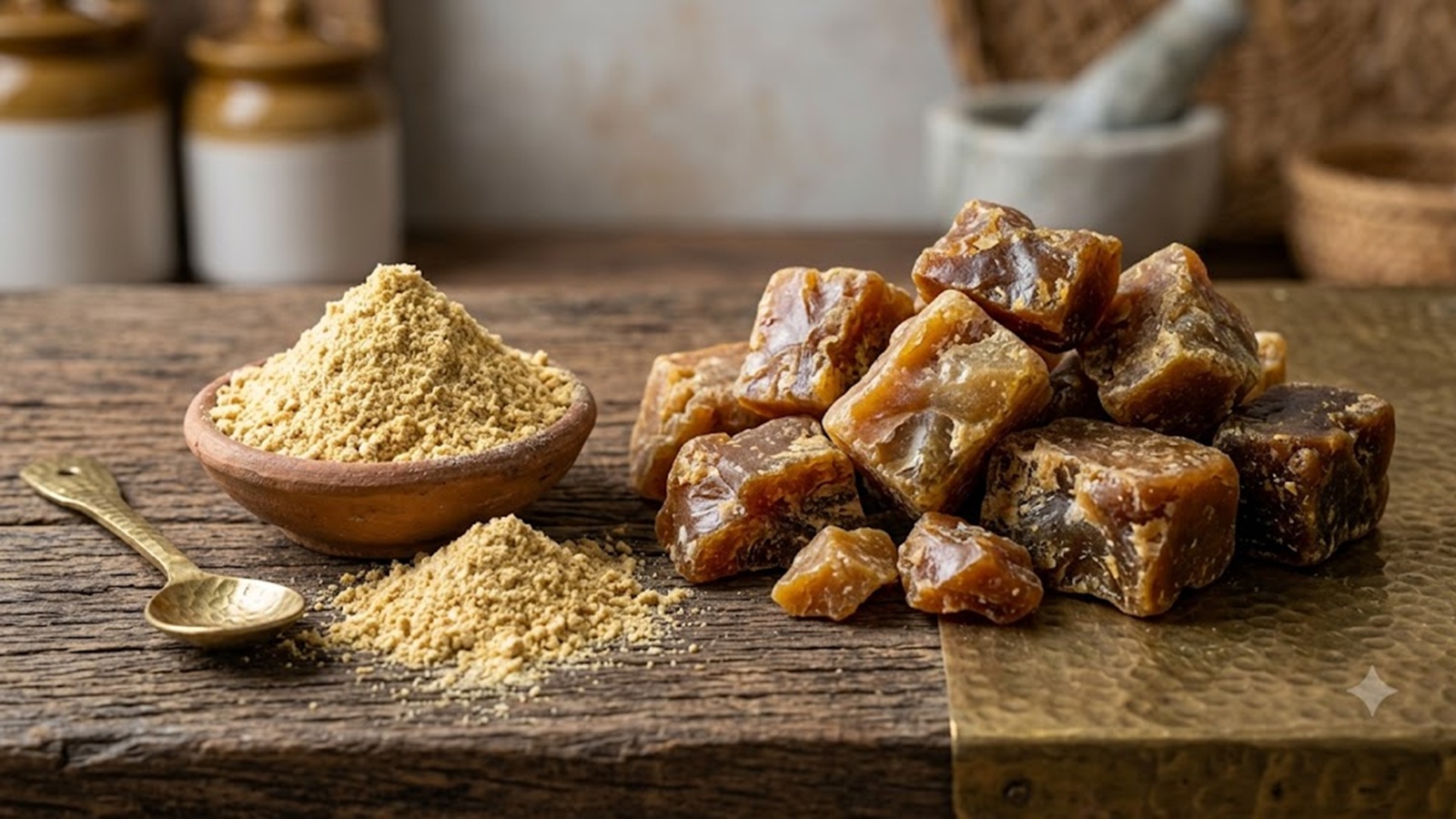
- Preparation: Purchase a high-quality compounded hing block or raw resin. Use kitchen scissors or a sharp knife to break the block into smaller, uniform pieces.
- Softening (Optional): If the block is too hard to cut, a brief 30-second stint in the microwave or a warm pan can make it pliable.
- The Roasting Phase: This is the most critical step. Place the pieces in a dry pan over a low flame. "Roast slowly for 8 to 10 minutes until the pieces puff up and turn golden," says Chef Raghuraman. High heat must be avoided, as burning the resin introduces a permanent bitter note.
- Cooling and Grinding: The resin must be completely cool before grinding. If processed while warm, the residual heat turns the resin back into a gum, which will seize the blades of a grinder.
Comparative Potency
Data from culinary tests suggest that freshly ground homemade hing is 3 to 5 times more potent than store-bought varieties. This means that while the initial cost of a resin block may be higher, the cost-per-use is often lower because a much smaller quantity is required to achieve the desired flavor profile.
Official Responses: FSSAI Standards and Labeling Requirements
The FSSAI has been vocal about the need for transparency in labeling, particularly concerning "Compounded Asafoetida."
The Regulatory Framework
Under the Food Safety and Standards (Food Products Standards and Food Additives) Regulations, compounded hing is categorized separately from pure asafoetida. The regulations allow for the addition of:
- Cereal flour or starch
- Gum arabic
- Edible vegetable oil
However, the FSSAI emphasizes that these must be disclosed. The recent prohibition orders were not just about the presence of starch, but the excessive amount of it and the failure of brands to meet the minimum resin threshold (the alcohol-soluble extract).
The Gluten Concern
One of the most significant implications of the FSSAI’s report concerns public health, specifically for those with celiac disease or gluten intolerance. Consultant dietitian Garima Goyal points out that because wheat flour is a common filler in compounded hing, the spice can be a hidden source of gluten.
"For people with wheat allergies, the label deserves particular attention," Goyal warns. "FSSAI standards recognize cereal flour as a legitimate ingredient in compounded hing, so choosing a product explicitly labeled ‘gluten-free’ is safer than assuming all hing is pure."
Implications: Culinary, Health, and Consumer Behavior
The fallout from the FSSAI investigation and the subsequent DIY movement suggests a turning point in how Indian consumers approach their pantry staples.
Health and Digestion
Traditionally, hing is added to legume-based dishes (like dal and sambar) not just for flavor, but for its carminative properties—its ability to reduce bloating and aid digestion. "There is no nutritional reason to consume hing as a ‘health shot’ or in large amounts," says Garima Goyal. "Its purpose is functional. When the hing is pure, a tiny amount is sufficient to aid the digestion of complex proteins in lentils."
The Economic Impact
The crackdown is likely to force a consolidation in the spice market. Reputable manufacturers who comply with the 5% resin rule may see increased trust, while those relying on "filler-heavy" models may face permanent brand damage. For the consumer, this may result in a slight price increase for quality products, but with the benefit of higher potency.
The Final Verdict: Store-Bought vs. Homemade
Is homemade hing objectively better? The answer is nuanced. While homemade powder offers maximum control and avoids unnecessary starches, commercially packaged hing from compliant, reputable manufacturers is not inherently "unhealthy."
The real takeaway from the FSSAI’s recent actions is the importance of consumer vigilance. Whether one chooses the convenience of a jar or the ritual of roasting resin blocks at home, the focus must remain on the ingredient list.
As the Indian kitchen evolves, the "pinch of hing" remains a symbol of culinary heritage. By demanding purity and understanding the science behind the spice, consumers ensure that this ancient resin continues to provide the flavor and health benefits that have made it a cornerstone of the Indian diet for centuries.
Disclaimer: This article is based on information from the public domain and expert consultations. Consumers are advised to consult with health practitioners before making significant changes to their dietary routines, especially in cases of allergies or chronic conditions.
