

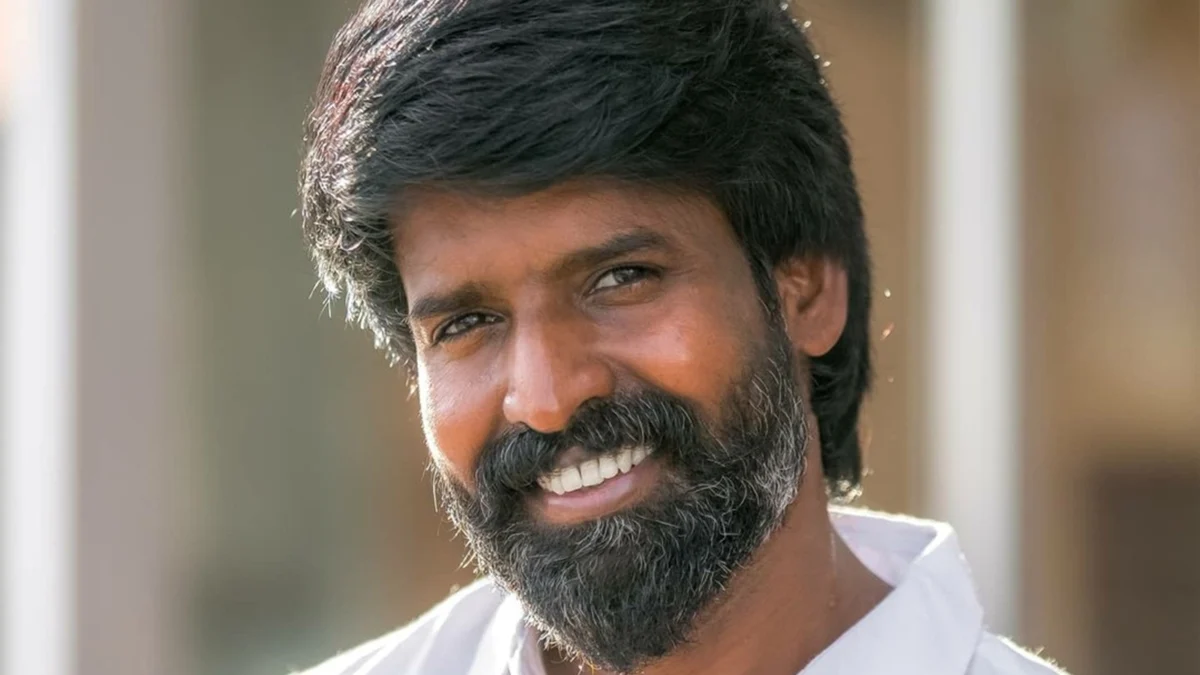
NEW DELHI – In an industry often dominated by "crash diets" and extreme physical transformations for specific roles, Tamil actor and comedian Soori Muthuchamy—affectionately known to millions as Soori—has emerged as a vocal advocate for a more measured, long-term approach to health. Recently, the Garudan and Viduthalai star opened up about the disciplined lifestyle he has maintained for the past seven years, sparking a nationwide conversation on the true balance between nutrition and physical activity.
Soori’s journey from a beloved comedic sidekick to a physically formidable lead actor has not been an overnight miracle. Instead, it is the result of a calculated "60/40" philosophy: a belief that health is 60 percent nutrition and 40 percent exercise. As the actor marks nearly a decade of this lifestyle, health experts and nutritionists are weighing in on why this specific ratio might be the "golden ticket" for sustainable wellness in an era of fleeting fitness trends.
Main Facts: The "60/40" Philosophy Defined
Speaking to Galatta.com, Soori attributed his current physical condition and mental clarity to a rigorous yet moderate routine guided by his professional trainer. The actor’s approach centers on three primary pillars: nutritional density, moderation, and the democratization of protein.
"Eat only those foods which have nutrition," Soori stated, emphasizing a departure from empty calories and processed snacks. "Eat good, eat in moderation. Protein is there in a lot of foods… whether vegetarian or non-vegetarian. Fitness is 40 per cent, food is 60 per cent for the past seven years. If health is fine, anything can be changed."
The actor’s revelation is significant for several reasons:
- Longevity: Unlike "transformation phases" for specific movies, Soori has maintained this for seven years, suggesting a lifestyle shift rather than a temporary fix.
- The Nutrition-First Approach: By weighing diet (60%) more heavily than exercise (40%), he aligns with modern sports science which suggests that weight management and metabolic health are primarily driven by fuel intake.
- Inclusivity: Soori’s insistence that protein is readily available in both vegetarian and non-vegetarian diets challenges the myth that a "hero’s physique" requires a meat-heavy diet.
Chronology: From "Parotta" Soori to a Symbol of Fitness
To understand the weight of Soori’s recent statements, one must look at the timeline of his career and physical evolution.
- 2009–2018: The Comedic Era: For much of his early career, Soori was known for his "everyman" look. His breakout role in Vennila Kabadi Kuzhu (2009) earned him the nickname "Parotta Soori" after a famous scene involving an eating challenge. During this decade, his physique was typical of a character actor—relatable and non-athletic.
- 2019: The Pivot: Around seven years ago, Soori began a quiet but intense transformation. This coincided with his casting in Vetrimaaran’s ambitious project Viduthalai. The role demanded a level of physical grit and "lean muscle" that required a complete overhaul of his habits.
- 2021–2023: The Reveal: As production stills for Viduthalai were released, the industry was stunned. Soori had developed a six-pack and a rugged, athletic frame. However, unlike many who "bulk and cut," Soori maintained this look through subsequent projects like Garudan.
- 2024–2026: The Advocate: Having sustained his physique for seven years, Soori has moved from merely "looking the part" to becoming a wellness advocate. His recent interview reflects a mature understanding of health—viewing it as a foundation for his career rather than a chore for the camera.
Supporting Data: Why the 60/40 Split Works
While Soori’s 60/40 split is a personal heuristic, it finds strong support in nutritional science. Experts often debate the exact percentage, but the consensus remains that you "cannot outrun a bad diet."
1. The Thermodynamics of Weight Management
The human body’s Basal Metabolic Rate (BMR) accounts for about 60–75% of total daily energy expenditure. Digestion (the thermic effect of food) accounts for another 10%. Physical activity, including formal exercise, typically only accounts for 15–30% of daily calorie burn. Therefore, managing the "input" (food) is statistically more impactful than the "output" (exercise) for most people.
2. The Protein Paradigm
Soori’s focus on protein is backed by its high satiety index and its role in muscle synthesis.
- Vegetarian Sources: Dals, chickpeas, and soy provide roughly 15–25 grams of protein per 100g.
- Non-Vegetarian Sources: Chicken breast and fish provide roughly 25–30 grams of protein per 100g.
By highlighting both, Soori promotes a flexible diet that prevents "dietary fatigue," a leading cause of why people quit fitness routines.
3. The Moderation Factor
Psychological studies on dieting show that "restrictive" diets (labelling foods as "evil") lead to higher rates of binge eating. Soori’s emphasis on "moderation" and "good food" aligns with the Flexible Dieting movement, which prioritizes nutrient density while allowing for occasional indulgences, ensuring the routine can be followed for years.
Official Responses: Expert Analysis
Taking a cue from Soori’s candid confession, medical professionals have weighed in to provide a clinical perspective on his claims.
Dt. Amreen Sheikh, Chief Dietitian at KIMS Hospitals Thane, supports Soori’s holistic view. "That is a useful way of looking at food," she noted. "Instead of categorizing foods as simply ‘good’ or ‘bad’, focus on what they contribute to the diet. Meals should ideally include a combination of protein, fibre-rich carbohydrates, healthy fats, vegetables and fruits, depending on individual requirements."
Sheikh further elaborated on the dangers of over-exercising to compensate for poor eating. "Moderation is equally important. Even nutritious foods can contribute excess calories when eaten in very large portions. A sustainable diet is one that provides adequate nutrition without making eating unnecessarily restrictive."
Regarding the 60/40 ratio, Sheikh clarified that while the numbers might shift slightly based on individual goals, the principle remains sound. "Physical activity helps build strength, maintain muscle, improve cardiovascular fitness and support metabolic health, while a nutritious diet provides the energy and nutrients required for these processes. The right balance will also vary depending on a person’s age, goals, lifestyle and health status."
She also issued a cautionary note regarding celebrity diets: "The exact amount of protein should be individualized rather than copied from a celebrity’s diet. The important point is to consume enough protein consistently and include a variety of sources across the day."
Implications: The Shift Toward "Slow Fitness"
Soori’s testimony marks a significant cultural shift in India’s relationship with fitness, especially in the context of the film industry.
1. Moving Away from "The Hero Transformation"
For years, the public has been fed stories of actors undergoing "3-month transformations" involving extreme dehydration and near-starvation diets. Soori’s seven-year timeline promotes "Slow Fitness"—the idea that true health is built over years of consistency rather than weeks of intensity.
2. Mental Health and Longevity
By stating "If health is fine, anything can be changed," Soori hints at the psychological resilience that comes with physical fitness. A stable routine provides a sense of control and discipline that translates into professional performance. For an actor, this means the stamina to endure 18-hour shoot days and the mental clarity to memorize complex scripts.
3. The Democratization of Wellness
Perhaps the most significant implication is the accessibility of Soori’s advice. By emphasizing common foods like dals, curd, and nuts, he strips away the "elitist" veneer of the fitness industry. He proves that one does not need expensive imported supplements or exotic superfoods to achieve a world-class physique; one needs a local grocery store, a trainer’s guidance, and unwavering consistency.
Conclusion: The Consistency Puzzle
As Dt. Amreen Sheikh aptly summarized, the most valuable lesson from Soori’s journey isn’t the specific 60/40 ratio, but the power of consistency.
"Eating nutritious food, maintaining appropriate portions, staying physically active and getting adequate sleep are all pieces of the same health puzzle," Sheikh said. "Choose nourishing foods most of the time, stay active regularly and make changes that you can sustain for years, not just weeks."
Soori Muthuchamy has successfully transitioned from being the "Parotta" lover on screen to a beacon of disciplined living off-screen. His story serves as a reminder that in the world of health and fitness, there are no shortcuts—only the slow, rewarding burn of a lifestyle built on moderation, nutrition, and the 40 percent effort that happens in the gym. For the millions who follow him, the message is clear: health is not a destination you reach for a movie premiere; it is the foundation upon which the rest of your life is built.
DISCLAIMER: This article is based on information from the public domain and/or the experts we spoke to. Always consult your health practitioner before starting any routine.
