

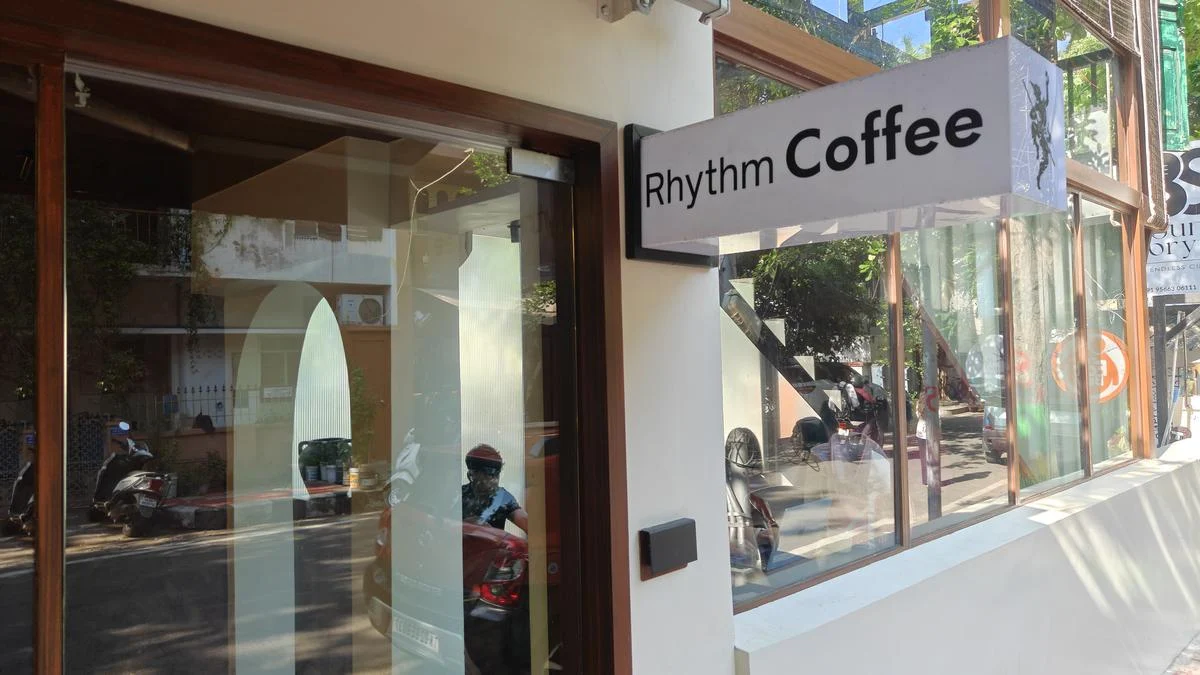
CHENNAI – In the leafy, upscale neighborhood of Alwarpet, where traditional filter coffee has long reigned supreme, a new contender is challenging the status quo. Rhythm Coffee, a minimalist specialty coffee bar, has recently emerged as the latest focal point of Chennai’s rapidly evolving beverage landscape. While social media algorithms frequently bestow the "hidden gem" moniker on various local establishments, Rhythm Coffee appears to be earning the title through a rigorous commitment to artisanal brewing and a curated selection of rare Indian coffee estates.
Main Facts: A New Chapter in Chennai’s Coffee Narrative
Rhythm Coffee represents a shift in the urban culinary experience, moving away from the sprawling, multi-cuisine cafes of the early 2000s toward highly specialized, "micro-cafés." Situated in a space described by early patrons as reminiscent of Harry Potter’s cupboard under the stairs, the establishment prioritizes the science of the bean over the comfort of a lounge.
The cafe’s primary offering is its specialty pour-overs, featuring four distinct roasts that rotate according to the harvest seasons. This "farm-to-cup" approach is a hallmark of the "Third-Wave Coffee" movement—a movement that treats coffee as a craft product rather than a mere commodity.
The menu is a calculated mix of technical precision and experimental flavor profiles. From the "Vaanam" beans of Valparai to the "Maalai" beans of Chikmagalur, each selection is intended to showcase the terroir of the South Indian coffee belt. Beyond the pour-overs, the menu extends to innovative concoctions like the "Blanc 2.0," a lime-infused cold brew, and a variety of matcha-based drinks, signaling a diversification of the Chennai palate.
Chronology: From Home Brewing to the Alwarpet Storefront
The genesis of Rhythm Coffee is a reflection of the broader journey many Indian coffee enthusiasts have taken over the last decade. The founder, Roshan A S, did not begin his journey as a trained sommelier or a veteran of the hospitality industry. Instead, his path was one of personal discovery.

"I was a South Indian filter coffee drinker initially," Roshan explains, citing the traditional milky, sugary brew that is a staple of Tamil households. His transition into the world of specialty coffee was born of necessity. High-pressure work environments led him to seek out the caffeine kick of an Americano. However, what began as a functional habit soon evolved into a hobby.
The period between 2020 and 2023 saw a significant spike in home-brewing across urban India, as lockdowns forced enthusiasts to experiment with AeroPresses, V60 drippers, and French presses. Roshan was part of this wave. As his technical knowledge of extraction rates, grind sizes, and fermentation processes grew, so did the vision for a physical space.
The Alwarpet outlet, which opened its doors in mid-2024, is the culmination of years of testing. The decision to open a "micro-bar" was intentional. By minimizing the footprint and seating capacity, the focus remains squarely on the interaction between the barista and the coffee, ensuring that each cup meets the exacting standards of specialty grading.
Supporting Data: The Geography of Flavor
Central to the appeal of Rhythm Coffee is its transparent sourcing and the specific data points of its bean selection. Unlike commercial coffee, which often blends beans from various regions to achieve a generic "coffee" taste, Rhythm emphasizes the unique characteristics of specific estates.
Currently, the cafe features four primary roasts, each representing a different processing method and micro-climate:
- Vaanam (Valparai, Tamil Nadu): Known for its high-altitude cultivation, these beans offer a delicate profile characterized by floral notes and a sharp citron acidity.
- Solai (Kodaikanal, Tamil Nadu): This is a rare "Yellow Bourbon" Arabica. Unlike the traditional red cherries, Yellow Bourbon is prized for its higher sugar content and complex profile, yielding notes of allspice and citrus.
- Kairee (Chikmagalur, Karnataka): This selection utilizes an innovative "raw mango fermentation" process. By introducing specific fruit enzymes during the fermentation stage, the beans take on a tangy, tropical acidity that challenges traditional perceptions of coffee flavor.
- Maalai (Chikmagalur, Karnataka): A experimental lot where the beans are dried alongside rose petals. This infusion results in a cup with distinct floral aromas and lychee-like sweetness.
The pricing at Rhythm Coffee, averaging approximately ₹350 per beverage, reflects the premium nature of these "Specialty Grade" beans, which must score above 80 points on a 100-point scale by the Specialty Coffee Association (SCA).

Official Responses and Philosophy: The Barista as Educator
Roshan A S views his role not just as a business owner, but as a curator of an experience. In a market where many consumers are still acclimating to the bitterness of black coffee or the acidity of light roasts, the role of the barista becomes educational.
"Each bean we have comes from a different estate," Roshan notes. "We want to keep these beans rotating every year with the harvest season. This ensures that our customers are always tasting the freshest crop and understanding the seasonal nature of agriculture."
The baristas at Rhythm are trained to guide customers through the "flavor wheel." For those accustomed to the sweetness of a Spanish Latte, the transition to a pour-over can be jarring. The staff is instructed to assist beginners in identifying notes of chocolate, fruit, or flowers, effectively bridge the gap between casual drinking and connoisseurship.
This philosophy extends to the "non-caffeinated" and experimental side of the menu. The "Blanc 2.0," for instance, is an Indianized adaptation of the Mont Blanc coffee. While the European version often uses orange, Rhythm utilizes sweet lime (Mosambi) juice, topped with a dense cold foam and zest. This choice was a result of local sourcing and a desire to create a "refreshing twist" that suits the humid Chennai climate.
Implications: The Future of the "Hidden Gem" and Urban Retail
The rise of Rhythm Coffee carries several implications for the future of the food and beverage (F&B) industry in Chennai and beyond.
1. The End of the "Third Place"?
For decades, cafes were seen as the "third place"—a social environment separate from home and work. However, Rhythm’s design, which comfortably seats only about six people, suggests a shift toward the "grab-and-go" high-quality model. With takeaways being the recommended mode of consumption, the emphasis is on the product’s portability and the speed of service, rather than the "work-from-cafe" culture that has dominated the last decade.

2. The Power of Social Media "Gem-Hunting"
The article highlights a growing trend in urban India: the "hidden gem" tirade on social media. While these viral videos provide immense initial traction for small businesses, they also create a "hype cycle" that can be difficult to sustain. For Rhythm Coffee, the challenge will be to convert the "Instagram tourists" into loyal "daily drinkers" once the novelty of the "hidden" location wears off.
3. Direct Trade and Agricultural Impact
By sourcing from specific estates like Valparai and Kodaikanal, Rhythm Coffee participates in the growing "Direct Trade" model. This allows farmers to bypass traditional auctions and earn higher premiums for their specialty crops. As more cafes like Rhythm open, it incentivizes Indian coffee planters to move away from high-yield Robusta and toward high-quality, experimental Arabica lots.
4. The Matcha and Specialty Tea Crossover
The inclusion of Mango Matcha and Vanilla Cloud drinks indicates that the specialty coffee movement is no longer isolated. It is merging with the global "Matcha" trend, catering to a younger demographic that values antioxidants and aesthetic "green" beverages as much as they value a well-pulled espresso shot.
Conclusion
Rhythm Coffee stands at the intersection of tradition and modernity. By occupying a small, unassuming corner in Alwarpet, it avoids the pretension of larger establishments while maintaining a rigorous scientific approach to brewing. Whether it is the citrusy brightness of the Solai roast or the experimental sweetness of the Maalai, the cafe offers a sensory roadmap of the South Indian hills.
As Chennai continues to refine its culinary identity, Rhythm Coffee serves as a reminder that sometimes the most significant changes come in the smallest packages. In the world of specialty coffee, it isn’t about the size of the room, but the rhythm of the pour and the story of the bean. For the residents of Alwarpet and the coffee-curious of Chennai, this "hidden gem" may soon become a permanent fixture of the morning routine.
