

Introduction
Mumbai-based veterinarian Dr. Rina Dev recently spent four days in a hospital bed, battling a severe lung infection that defied standard initial treatments. As an avian and exotic animal specialist who frequently collaborates with India’s forest department to treat seized and imported wildlife, her first thought upon discharge was a chilling one: “I hope it’s not something from the parrots I was treating.”
Dr. Dev’s suspicion is rooted in clinical reality. She is on the front lines of a burgeoning and often illicit trade in exotic wildlife—a multi-billion-dollar industry that does more than just threaten biodiversity. It serves as a high-speed conduit for zoonotic diseases, bridging the gap between remote ecosystems and urban households. This report, the first in a series on the exotic pet trade, examines the medical, legal, and ecological ramifications of keeping wild animals as domestic companions, and why experts believe this trade is a primary catalyst for the next pandemic.

Main Facts: The Zoonotic Gateway
The term "zoonosis" transitioned from medical jargon to a household word during the COVID-19 pandemic. However, while the world focused on wet markets, the exotic pet trade has remained a "neglected" pathway for pathogen spillover.
The core of the issue lies in the biological diversity of the animals being traded. Traded mammals, for instance, are 1.5 times more likely to share pathogens with humans than their non-traded counterparts. Research indicates that for every ten years a wild mammal species remains in the global trade loop, it tends to acquire at least one additional shared pathogen with humans.
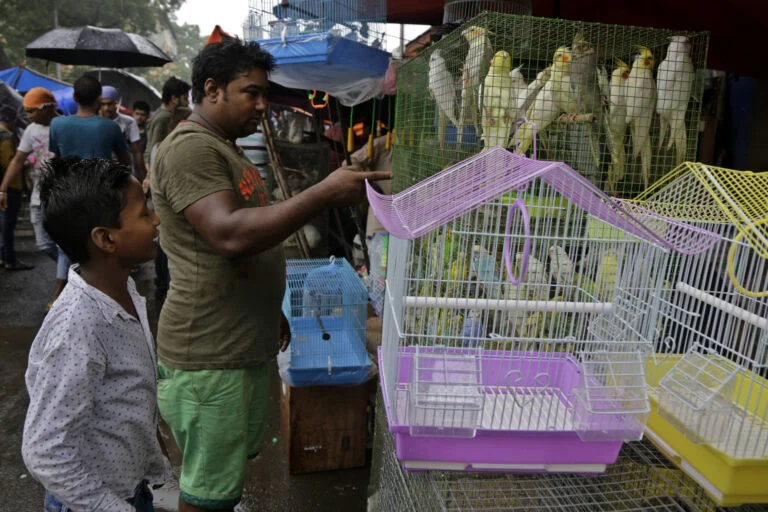
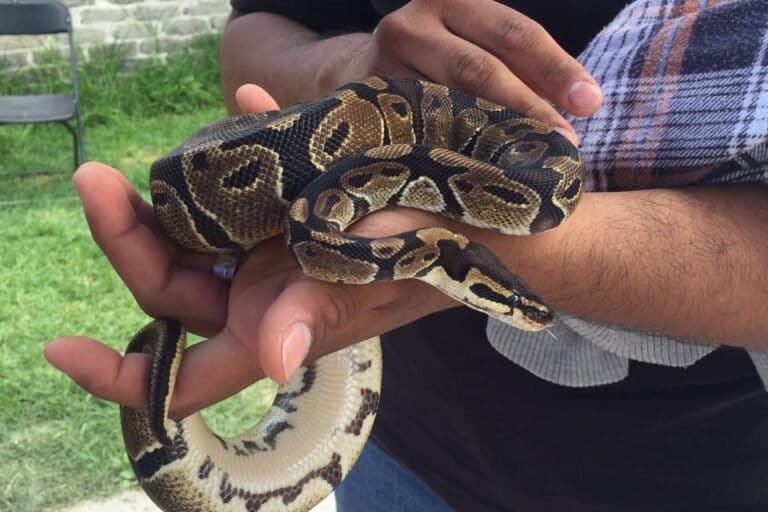
In India, the trade spans a vast spectrum: from red-lored Amazon parrots native to South America to ball pythons and primates. Each of these brings a unique "microbial suitcase."
- Psittacosis (Bird Handler’s Disease): Caused by the bacterium Chlamydia psittaci, this infection can lead to severe pneumonia in humans.
- Salmonellosis: Frequently carried by reptiles like the red-eared slider turtle.
- Tuberculosis (TB): Increasingly detected in traded primates, posing a massive risk in India, which already carries the world’s highest TB burden.
- Vector-borne diseases: Traded animals often carry ticks and parasites that harbor Lyme disease and other lesser-known pathogens.
Chronology: A History of Exposure
The link between the wildlife trade and human infection is not theoretical; it is documented through decades of clinical failures and seizures.

- 1994 (Belgium): Customs officers were hospitalized with chlamydiosis after inspecting a shipment of infected parakeets. This case highlighted the vulnerability of "first responders" in the trade chain.
- 2021 (India): The ICAR-Indian Veterinary Research Institute published a comprehensive review labeling avian chlamydiosis as a "neglected disease" with critical zoonotic potential, warning that surveillance in India was woefully inadequate.
- July 2025 (Singapore/India): A massive consignment of 2,500 red-eared slider turtles headed for the Indian pet market was intercepted in Singapore. Every single turtle tested positive for Salmonella, leading to the humane euthanasia of the entire shipment to prevent a public health outbreak.
- June 2026 (Bengaluru): Authorities arrested a practicing medical doctor and six others for the illegal possession of exotic wildlife. The investigation uncovered a sophisticated racket linked to the Instagram handle @Zoo2youu, which promoted "wildlife education" by bringing exotic animals into schools and apartment complexes, exposing children to unscreened pathogens.
- Late 2026 (Report Publication): Humane World for Animals released a landmark report on India’s exotic pet trade, revealing that 75% of emerging infectious diseases (EIDs) are zoonotic, and an estimated 1.7 million unknown viruses currently circulate in bird and mammal populations.
Supporting Data: The Mathematics of Risk
The scale of the exotic pet trade is difficult to quantify due to its illicit nature, but it is currently ranked as the fourth-largest transnational criminal activity globally, trailing only drugs, human trafficking, and illegal arms.
Pathogen Statistics:
A 2021 systematic review of 82 studies on the illegal wildlife trade identified 240 distinct pathogen cases. Of these, over 60% had known zoonotic potential. The distribution of these pathogens across species highlights the universal risk:
- Birds: 44 pathogen types
- Mammals: 47 pathogen types
- Reptiles: 16 pathogen types
- Amphibians/Fish/Invertebrates: 5 pathogen types
Viral Potential:
The Humane World for Animals 2026 report suggests that of the 1.7 million unknown viruses in the wild, approximately 850,000 have the potential to infect humans. The trade provides the "bridge" these viruses need. When an animal is captured, stressed by transport, and kept in cramped, unhygienic conditions, its immune system suppresses, leading to "viral shedding"—the process where the animal releases a higher load of pathogens into its environment through saliva, excreta, or respiratory droplets.
The India Context:
A study of India’s reptile trade identified 84 different exotic species being sold openly, many with significant gaps in CITES (Convention on International Trade in Endangered Species of Wild Fauna and Flora) reporting. This lack of traceability means that if an outbreak occurs, tracking the source animal becomes an impossible task for epidemiologists.
Official and Expert Responses: A Systemic Failure
Experts argue that India’s current "One Health" architecture—a framework intended to integrate human, animal, and environmental health—is failing to account for the exotic pet trade.
The Quarantine Gap:
Uttara Mendiratta, a conservation researcher, points out a critical flaw at the borders. "At a border point, officers may open a consignment and find live animals that need immediate care. In the race to keep the animals alive, zoonotic prevention is often ignored," she says. While legal imports are subject to species-specific quarantine periods at ports like Mumbai and Chennai, illegally trafficked animals bypass these controls entirely, entering communities without a single health check.
The "Cute" Factor:
Mendiratta also warns about the biological proximity of primates to humans. "The babies are cute, and people want to hold them close. This proximity makes disease transmission incredibly easy," she explains. This sentiment is echoed by Sumanth Bindumadhav of Humane World for Animals India, who criticizes the normalization of wildlife contact in "petting zoos" and "pet cafes."
The Antivenom Crisis:
The 2026 report also flags a specific medical concern: the rising import of venomous snakes. India’s healthcare system is equipped with polyvalent antivenom for native species (the "Big Four"), but there is virtually no species-specific antivenom available for exotic cobras or vipers from Africa or South America. A single bite from an illegally kept exotic snake could result in an untreatable fatality.

Implications: The Future of Public Health
The implications of the exotic pet trade extend far beyond the immediate health of the pet owner. It represents a broader shift in the human-wildlife interface that could have catastrophic consequences.
1. Normalization of Risk:
The rise of social media influencers showcasing exotic pets and the proliferation of unregulated petting facilities have desensitized the public. By using wild animals as "props" for education or entertainment, these facilities ignore the moral and medical risks. Experts argue that "sensitizing" children to nature should not require touching a stressed, potentially infectious animal.
2. Reverse Zoonosis (Anthroponosis):
A less discussed but equally dangerous pathway is reverse zoonosis—where humans infect animals. During the COVID-19 pandemic, 97 documented cases of human-to-wildlife transmission were recorded. In a captive setting, a human owner could pass a respiratory virus to an exotic primate, which could then mutate and be passed back to the human population in a more virulent form.
3. The Need for "One Health" Reform:
Current efforts to curb the trade are fragmented. Experts are calling for an integrated, multi-sectoral approach that involves:

- Landscape Restoration: Reducing the need for animals to be taken from the wild.
- Stricter Regulation: Moving beyond CITES to include comprehensive health screenings for all imported species.
- Enhanced Surveillance: Training customs officials and first responders in biosafety protocols.
Conclusion
The case of the Bengaluru medical doctor using exotic wildlife for school programs serves as a grim reminder: the trade is no longer confined to the shadows; it is in our classrooms and apartment complexes. As Dr. Rina Dev’s experience suggests, even the most experienced professionals are at risk. Without a radical shift in how India regulates the commercial pathways of exotic animals, the question is not if the pet trade will spark a local outbreak, but when that outbreak will become the next global pandemic.
The exotic pet trade is not just a hobby or a status symbol; it is a profound public health gamble—one where the stakes are increasingly becoming too high to ignore.
This is Part 1 of a series. Part 2 will explore the legal loopholes and the "gray market" of CITES-listed species in India.
