

New Delhi | September 17, 2026, 09:27 AM IST
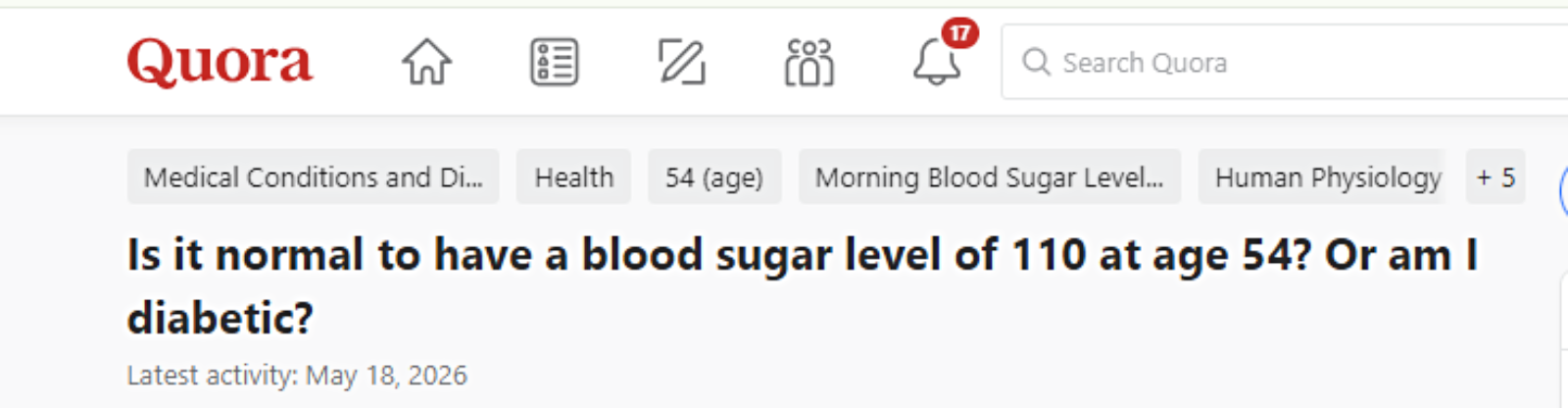
A seemingly simple number on a lab report – a blood sugar reading – can often spark a cascade of questions and concerns. For individuals, particularly those in their 50s, these figures can carry significant weight, prompting worries about developing chronic conditions like diabetes. This is precisely the dilemma faced by a 54-year-old individual who recently posed a pertinent question on the public forum Quora: "Is it normal to have a blood sugar level of 110 at age 54? Or am I diabetic?"
This query, while specific, touches upon a universal anxiety surrounding blood glucose monitoring. Understanding the nuances of blood sugar levels, the factors that influence them, and the appropriate diagnostic pathways is crucial for proactive health management. This article delves into the expert opinions and medical context surrounding a blood sugar reading of 110 mg/dL, aiming to demystify its implications and guide individuals toward informed health decisions.
The Critical Context: Fasting vs. Post-Meal Readings
The interpretation of any blood sugar reading hinges critically on the circumstances under which it was taken. A reading of 110 mg/dL, when viewed in isolation, can be misleading. Dr. Aarti Ullal, a seasoned physician and diabetologist at Gleneagles Hospital, Parel, emphasizes the paramount importance of differentiating between fasting and post-meal measurements.
"For a 54-year-old, 110 mg/dL is not necessarily abnormal, but its meaning depends entirely on whether the reading was taken after an overnight fast or after consuming food," Dr. Ullal explains.
Understanding the Fasting Blood Glucose Ranges:
- Normal: Less than 100 mg/dL
- Prediabetes: 100 to 125 mg/dL
- Diabetes: 126 mg/dL or higher
Based on these established guidelines, a fasting blood sugar reading of 110 mg/dL for a 54-year-old falls squarely within the prediabetes range. This classification signifies that the individual’s blood glucose levels are higher than normal but not yet high enough to be diagnosed as type 2 diabetes. It serves as a critical warning sign, indicating an increased risk of developing diabetes in the future if lifestyle modifications are not implemented.
However, it is crucial to reiterate Dr. Ullal’s clarification: "No, a single blood sugar reading of 110 mg/dL does not automatically mean a person has diabetes." Diabetes is a chronic condition diagnosed through a series of tests and consistent elevated readings over time, not a single measurement.
Conversely, if the 110 mg/dL reading was taken after a meal, its interpretation shifts. Blood glucose naturally rises after eating as the body digests carbohydrates and converts them into glucose for energy. Therefore, a post-meal reading is expected to be higher than a fasting reading. While specific post-meal thresholds can vary, a reading of 110 mg/dL post-meal would generally be considered well within a healthy range for most individuals. This underscores why asking "when was the test done?" is the first and most vital step in deciphering any blood sugar result.
Navigating the Diagnostic Landscape: Which Blood Sugar Tests Matter?
For individuals who receive a reading of 110 mg/dL, especially if it was a fasting measurement, or if they have concerns about their glucose levels, seeking further clarification through specific diagnostic tests is paramount. Relying on a single reading can lead to unnecessary anxiety or, conversely, a false sense of security.
Dr. Ullal strongly recommends a two-pronged approach for a comprehensive assessment:
-
Fasting Blood Glucose Test: This is the foundational test for assessing baseline blood sugar levels. It measures the amount of glucose in the blood after an overnight fast (typically 8-12 hours). As discussed, a fasting reading of 110 mg/dL warrants further investigation.
-
Hemoglobin A1c (HbA1c) Test: This test provides a more holistic view of average blood sugar levels over the past two to three months. It measures the percentage of hemoglobin in red blood cells that is coated with sugar. The HbA1c test is particularly valuable because it is not affected by recent meals or daily fluctuations in blood glucose, offering a stable indicator of long-term glycemic control.
Understanding HbA1c Ranges:
- Normal: Below 5.7%
- Prediabetes: 5.7% to 6.4%
- Diabetes: 6.5% or higher
"A fasting glucose test and HbA1c can help confirm the person’s blood sugar status," states Dr. Ullal. "I would recommend checking fasting blood glucose and HbA1c to assess average blood sugar levels and determine whether the person has normal glucose levels, prediabetes, or diabetes."
These two tests, when considered together, provide a robust picture of an individual’s glycemic health. A high fasting glucose coupled with an elevated HbA1c would strongly suggest prediabetes or diabetes, necessitating immediate medical attention and intervention. Conversely, a normal HbA1c with a fasting glucose of 110 mg/dL might warrant closer monitoring and lifestyle adjustments, but might not indicate immediate concern for diabetes.
The Significance of Repeated Readings: A Trend to Watch
While a single elevated reading can be a cause for concern, it is the pattern of readings over time that truly dictates the health trajectory. A blood sugar level of 110 mg/dL that appears sporadically might be attributed to various temporary factors. However, if repeated measurements, particularly fasting ones, consistently hover around this mark, it signals a more persistent underlying issue.
"Repeated readings around 110 mg/dL should not be ignored," Dr. Ullal sternly asserts. "This consistent elevation is a strong indicator that the body’s ability to regulate blood sugar is being challenged."
In such scenarios, a more thorough diagnostic workup is essential. Dr. Ullal advises a comprehensive approach that includes:
- Fasting Blood Glucose: To monitor the baseline.
- Two-Hour Post-Meal Blood Glucose: To understand how the body processes glucose after eating, providing insights into insulin response.
- HbA1c: To assess the three-month average.
Beyond these tests, consulting a diabetologist becomes crucial. A specialist can interpret the collective results in the context of the individual’s medical history, family history, lifestyle, and other risk factors. Based on this comprehensive evaluation, personalized recommendations for lifestyle modifications and, if necessary, medical management can be formulated.
Implications and Proactive Health Management
The information gleaned from blood sugar tests, especially a reading like 110 mg/dL in a 54-year-old, has significant implications for long-term health and well-being. Recognizing that a reading in this range often falls into the prediabetes category empowers individuals to take proactive steps to mitigate their risk of developing full-blown diabetes.
Prediabetes is a reversible condition. By making informed lifestyle changes, individuals can often bring their blood sugar levels back into the normal range and significantly reduce their likelihood of progressing to type 2 diabetes. These changes typically include:
- Dietary Adjustments: Focusing on a balanced diet rich in whole grains, lean proteins, fruits, and vegetables, while limiting processed foods, sugary drinks, and excessive carbohydrates.
- Regular Physical Activity: Aiming for at least 150 minutes of moderate-intensity aerobic exercise per week, such as brisk walking, cycling, or swimming.
- Weight Management: Losing even a modest amount of weight (5-7% of body weight) can make a significant difference in improving insulin sensitivity.
- Stress Management: Chronic stress can impact blood sugar levels. Techniques like mindfulness, meditation, or yoga can be beneficial.
- Adequate Sleep: Poor sleep quality can disrupt hormone balance and affect glucose metabolism.
Ignoring consistently elevated blood sugar readings can have serious long-term consequences. Uncontrolled diabetes can lead to a host of complications, including heart disease, stroke, kidney damage, nerve damage (neuropathy), and vision problems (retinopathy). Therefore, viewing a reading of 110 mg/dL not as a definitive diagnosis of diabetes, but as a crucial signal to assess and potentially alter one’s health habits, is the most constructive approach.
In conclusion, while a blood sugar reading of 110 mg/dL for a 54-year-old might not immediately confirm diabetes, it certainly warrants attention, especially if it is a fasting measurement. It signifies a potential transition into the prediabetes stage, a critical juncture where proactive intervention can dramatically alter one’s health future. By understanding the context of the reading, undergoing appropriate diagnostic tests, and embracing a healthier lifestyle, individuals can effectively manage their blood sugar and pave the way for a healthier life.
DISCLAIMER: This article is based on information from the public domain and expert opinions. It is intended for informational purposes only and does not constitute medical advice. Always consult your healthcare practitioner for any health concerns or before making any decisions related to your health or treatment.
