

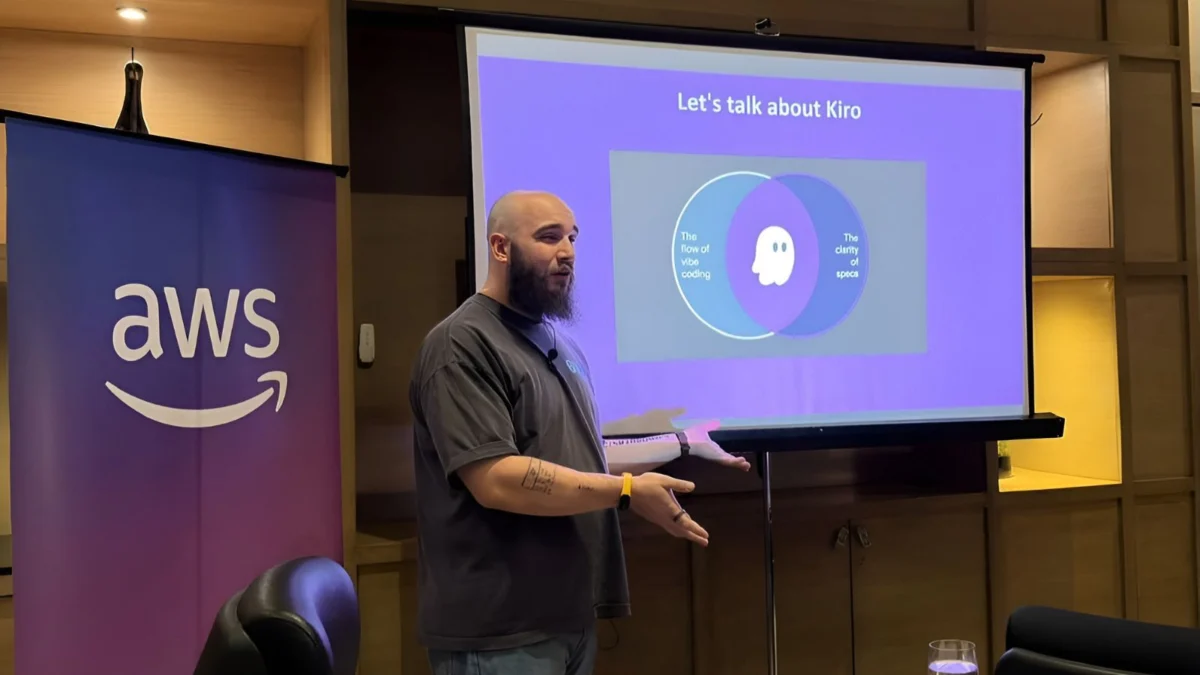
New Delhi, India – September 18, 2026 – The landscape of software development is undergoing its most profound transformation in decades, driven by the relentless march of artificial intelligence. As AI tools become increasingly sophisticated, capable of generating, debugging, and even designing code, the very definition of a "developer" is shifting. In this dynamic environment, a key voice in the industry, Darko Mesaroš, Distinguished Developer Advocate at Amazon Web Services (AWS), offers a nuanced perspective that is both pragmatic and forward-looking. During his recent visit to India, Mesaroš engaged with Indianexpress.com, sharing insights that challenge conventional notions of coding and highlight the expanding horizons for the modern software engineer.
The central theme of Mesaroš’s discourse revolves around a crucial dichotomy: the intuitive, exploratory process he terms "vibe coding" versus the structured, methodical approach of "spec-driven development." While acknowledging the enduring relevance of the former for creative exploration, Mesaroš champions the latter as the disciplined pathway to quality and intentionality in an AI-augmented world. Far from diminishing human roles, he posits that AI is elevating software engineering beyond mere syntax, demanding a broader and deeper skill set from practitioners. This conversation, facilitated by Assistant Editor Bijin Jose, provided a timely and authoritative glimpse into AWS’s vision for the future of development, its strategic investments in burgeoning tech hubs like India, and the enduring human element at the core of technological progress.
The Evolution of Software Engineering: A Historical Perspective
For decades, the image of a software developer was inextricably linked to the act of writing code. Lines of logic, meticulously crafted and debugged, formed the backbone of every application, system, and digital experience. This hands-on, often arduous, process consumed the bulk of a developer’s time and effort. The challenges were immense: ensuring syntax correctness, optimizing for performance, managing complex dependencies, and tirelessly debugging errors – all largely manual endeavors that required deep technical acumen and considerable patience. The software engineer was, first and foremost, a coder.
Darko Mesaroš, with over two decades immersed in the crucible of tech, systems administration, and software development, and 11 years navigating the expansive ecosystem of AWS, has witnessed this evolution firsthand. His career trajectory spans the foundational eras of computing to the current AI-driven revolution, lending his voice a profound sense of authority and historical context. He observed the transition from purely procedural programming to object-oriented paradigms, the rise of web-scale applications, the advent of cloud computing, and now, the transformative impact of artificial intelligence.
The rapid emergence of AI coding assistants marked a pivotal moment. Initially met with a mix of awe and apprehension, these tools promised to automate the mundane, accelerate development cycles, and potentially reshape the job market. Fears of job displacement were palpable, echoing historical anxieties about automation. However, Mesaroš contends that these fears, while understandable, misinterpret the fundamental nature of software engineering.
"Software engineering, as a practice, is so much more than coding," Mesaroš asserted during his interview. He elaborated, "Writing code was just one part of it – a big part, because it took the most effort – but it’s only part of the picture." This statement encapsulates the core of the industry’s shift. AI’s prowess in generating boilerplate code, suggesting completions, and even identifying errors has begun to offload the mechanical aspects of coding. This liberation, rather than rendering developers obsolete, frees them to focus on higher-order tasks – the strategic, architectural, and empathetic dimensions of building software. The role is shifting from a ‘coder’ to a more holistic ‘software engineer’ or ‘solution architect’, demanding a broader understanding of the entire development lifecycle and its impact.
Navigating the New Paradigm: Vibe Coding vs. Spec-Driven Development
At the heart of Mesaroš’s discussion lies a critical distinction between two distinct, yet complementary, approaches to software creation in the AI era: "vibe coding" and "spec-driven development" (SDD). These methodologies, far from being mutually exclusive, represent different phases and purposes within the development cycle.
Vibe Coding Unpacked: The Art of Exploration
Mesaroš defines "vibe coding" as an iterative, back-and-forth interaction with an AI agent. It’s a spontaneous, exploratory process, akin to brainstorming or rapid prototyping. Imagine a developer with a nascent idea, a vague concept for a feature, or a desire to experiment with a new API. Instead of spending hours meticulously drafting a design document, they engage in a fluid dialogue with an AI assistant, generating snippets of code, testing hypotheses, and iteratively refining their approach based on immediate feedback.
"Vibe coding is not going away," Mesaroš affirmed, recognizing its intrinsic value. He views it as an "integral part of software development because it’s not just about – you have to write this complicated thing every time you do anything. Vibe coding is there to help you explore, build prototypes, and experiment with what you want to build." This approach excels in scenarios demanding agility and creativity:
- Rapid Prototyping: Quickly spinning up a proof-of-concept to validate an idea or demonstrate functionality without investing heavily in formal design.
- Experimentation: Trying out new libraries, frameworks, or architectural patterns to understand their capabilities and limitations.
- Learning and Discovery: Exploring unfamiliar domains or APIs by asking the AI to generate examples and explain concepts.
- Troubleshooting and Debugging: Interactively probing an issue, receiving immediate suggestions for fixes or alternative approaches.
For instance, a developer might ask an AI: "How can I implement a basic user authentication flow in a React application using Firebase?" The AI might generate a simple component, and the developer can then iteratively refine it: "Add form validation," "Integrate with a loading spinner," or "Show error messages gracefully." This conversational, exploratory style allows for quick iteration and reduces the initial cognitive load, fostering a more fluid creative process.
Spec-Driven Development Explained: The Science of Intent
While vibe coding thrives on spontaneity, Mesaroš champions "spec-driven development" (SDD) as the more disciplined and robust approach when clarity of purpose is paramount. SDD is a structured methodology where requirements and design decisions are explicitly defined and formalized before code generation. This involves creating detailed specifications – essentially, a contract – between the developer (or a team) and the AI agent, outlining precisely what needs to be built, how it should function, and its expected outputs.
AWS’s Kiro, an AI-powered integrated development environment (IDE), exemplifies this philosophy. Kiro focuses on facilitating SDD by helping developers articulate their intent clearly. "Instead of an unstructured back-and-forth with an AI agent, spec-driven development turns the process into ‘a contract between a developer and an agent of what needs to be produced,’" Mesaroš explained. This contractual agreement is crucial for several reasons:
- Ensuring Quality and Accuracy: By defining expectations upfront, SDD significantly reduces the likelihood of "AI slop" – poorly conceived, buggy, or misaligned code generated by an AI without sufficient guidance. Mesaroš warned, "We’ve seen so much AI slop out there… I actually mean AI slop applications, and we all know what they look like when we see them. So spec-driven development absolutely helps prevent that."
- Clarity of Intent: It ensures that the generated code genuinely reflects the intended business logic and user experience, minimizing deviations and rework.
- Maintainability and Scalability: Well-defined specifications lead to more organized, coherent, and easily maintainable codebases, which are essential for long-term projects and larger teams.
- Compliance and Security: In regulated industries or for critical systems, detailed specifications are vital for auditability, security, and adherence to industry standards.
SDD, in many ways, integrates modern AI capabilities with established software engineering principles, borrowing from methodologies like Test-Driven Development (TDD) or Behavior-Driven Development (BDD), but with the AI as a key executor of the defined behavior. For complex enterprise applications, financial systems, healthcare platforms, or any software where errors have significant consequences, SDD is not just beneficial but indispensable. It provides a framework for accountability and quality assurance that unstructured "vibe coding" cannot offer alone.
The Symbiotic Relationship: Both are Essential
Mesaroš’s nuanced take underscores that SDD is not meant to replace vibe coding. Instead, they form a symbiotic relationship. Vibe coding can be used in the initial ideation and exploration phases, helping developers quickly validate concepts and understand technical feasibility. Once a concept is solidified and the intent becomes clear, the process can transition to SDD, where precise specifications guide the AI in generating robust, high-quality code. This blend allows developers to harness AI’s speed for exploration while leveraging its power for precision and reliability when it matters most.
Beyond Code: The Expanding Horizon of the Developer’s Role
Perhaps the most profound implication of AI’s integration into software development, according to Mesaroš, is the redefinition and expansion of the developer’s role itself. If AI can handle much of the repetitive coding, what then becomes the primary responsibility of the human engineer? Mesaroš’s answer is clear: the role is broadening, demanding a more holistic and strategic understanding of software creation.
"Software engineering, as a practice, is so much more than coding," he reiterated. "Writing code was just one part of it… but it’s only part of the picture." He emphasized that core disciplines remain paramount, including "understanding your customer base, systems design, scaling, operations." These are the intellectual frontiers where human creativity, empathy, and strategic thinking are irreplaceable.
Mesaroš predicts that for the next few years, developers will need to significantly broaden their skill sets. "I see that software developers are going to expand their skill sets slightly more than just being strictly coders," he noted, describing the shift as one toward people "who are actually building software and understanding a lot more than just how to write a good function in Rust." The reference to "Rust" is telling – while Rust is a highly technical, performance-oriented language demanding deep coding expertise, Mesaroš implies that even mastery of such a complex language will no longer be sufficient.
The modern software engineer must now become a polymath, proficient in areas traditionally considered distinct specializations:
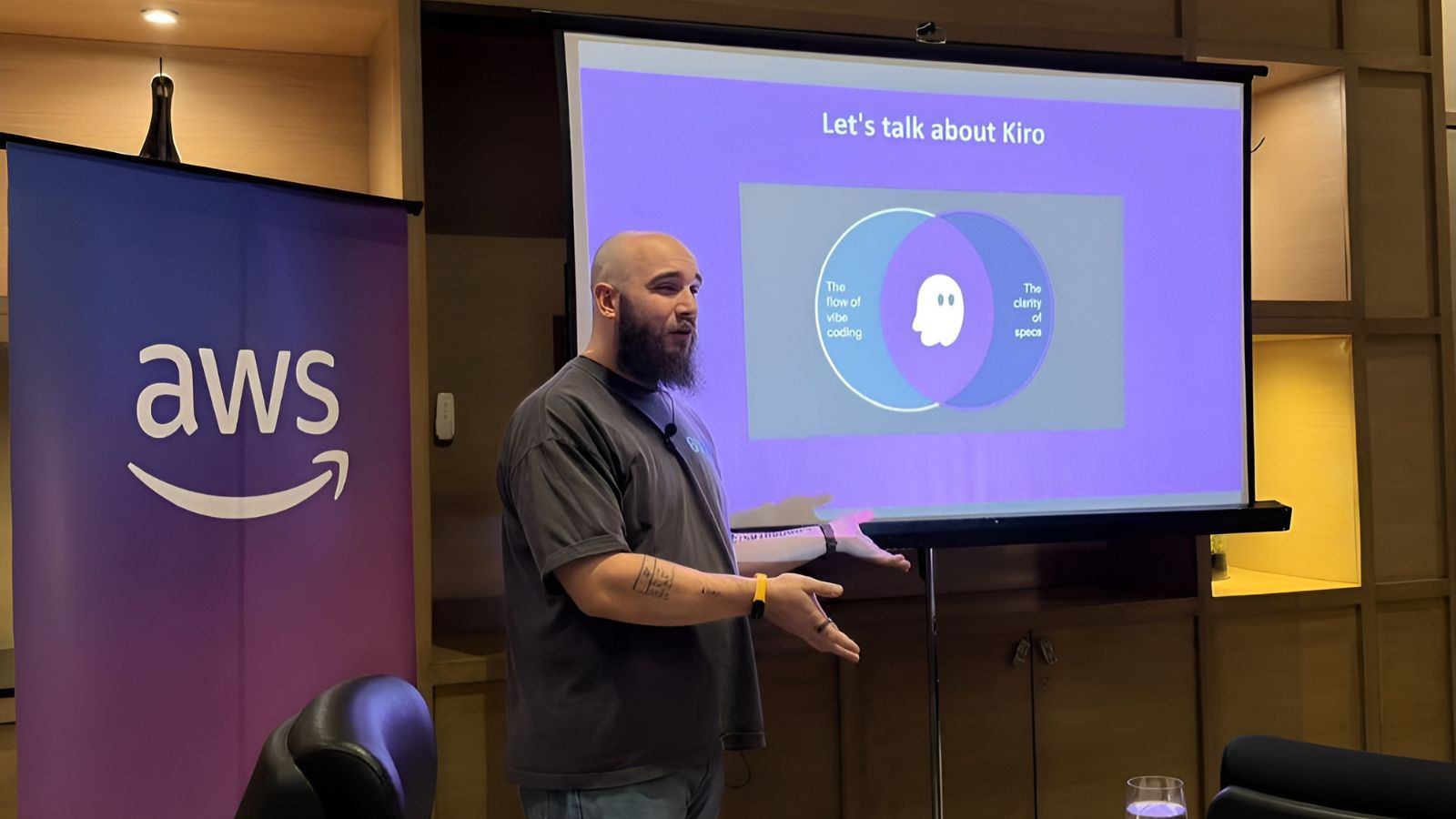
- Customer Empathy and Product Understanding: Beyond technical implementation, understanding user needs, business objectives, and market dynamics to build solutions that truly add value.
- System Architecture and Design: Designing robust, scalable, and resilient systems, involving choices about microservices, databases, networking, and cloud infrastructure.
- Cloud Operations and DevOps: Managing the deployment, monitoring, and maintenance of applications in cloud environments, ensuring continuous delivery and operational excellence.
- Data Engineering and AI/MLOps: Understanding how data flows, is processed, and utilized, especially in AI-driven applications, and managing the lifecycle of machine learning models.
- Security and Compliance: Integrating security best practices throughout the development lifecycle and ensuring adherence to regulatory requirements.
- Ethical AI and Bias Mitigation: Recognizing and addressing potential biases in AI models and ensuring responsible development and deployment of AI-powered features.
- Communication and Collaboration: Effectively communicating complex technical concepts to non-technical stakeholders and collaborating seamlessly with cross-functional teams.
This broadening of skills signifies a maturation of the software engineering discipline. Developers are evolving from code artisans to solution architects, product innovators, and strategic problem-solvers. Their value proposition shifts from writing lines of code to orchestrating complex systems and delivering tangible business outcomes, all while leveraging AI as a powerful accelerant.
Addressing AI’s Current Frontier: Context, Memory, and Cost
While AI offers immense promise, its current generation of tools still faces limitations. Mesaroš candidly addressed these challenges, particularly concerning persistent context, memory, and the economic implications of large language models (LLMs).
The Context Conundrum
One of the most frustrating aspects of interacting with early AI coding assistants was their lack of persistent memory. Developers found themselves repeatedly explaining their preferences, detailing their tech stack, or reiterating project requirements every time they initiated a new session. This statelessness led to inefficient workflows, undermining the very productivity gains AI promised.
AWS recognized this critical hurdle and developed innovative solutions. Mesaroš highlighted Kiro Crew, AWS’s open-source AI agent orchestrator, as a direct answer to the context problem. Kiro Crew is designed with a sophisticated memory feature that learns from past interactions and sessions, gradually building a profile of the developer’s habits, preferred libraries, coding style, and project context. "I have 273 lessons Kiro Crew has learned from me interacting with it," Mesaroš shared, underscoring its ability to adapt and personalize over time. This continuous learning allows Kiro Crew to offer more relevant suggestions, generate more accurate code, and maintain a consistent understanding of the developer’s evolving needs, significantly enhancing efficiency and reducing repetitive input.
The Economics of AI: Cost Optimization
Another significant consideration in the widespread adoption of AI tools is cost. Running powerful LLMs, especially for complex tasks, can be resource-intensive and expensive. If every developer interaction defaulted to the largest, most capable (and most expensive) model, the economic barriers to entry would be prohibitive for many.
AWS addresses this through intelligent routing mechanisms within its Kiro platform. Mesaroš pointed out that Kiro’s "auto" model is designed to optimize costs by intelligently routing simpler tasks to cheaper, smaller models, rather than defaulting to the largest available LLM for every query. This dynamic allocation ensures that resources are used efficiently, keeping operational costs manageable for developers and organizations. For example, a request for a basic function might be handled by a compact model, while a complex system design problem would be routed to a more powerful, specialized AI. This tiered approach democratizes access to AI assistance by making it economically viable for a wider range of development tasks and budgets.
Human Oversight Remains Paramount: The Developer’s Enduring Responsibility
Despite the growing capabilities of AI agents, Darko Mesaroš firmly asserted that the ultimate responsibility for the generated code, and indeed the entire software project, continues to reside with the human developer. This principle is non-negotiable and forms a cornerstone of responsible AI integration.
The reasons for this unwavering human accountability are manifold:
- AI Hallucinations and Inaccuracies: AI models, while powerful, are not infallible. They can "hallucinate" incorrect information, generate syntactically correct but logically flawed code, or introduce subtle bugs that are hard to detect. Human review is essential to catch these errors.
- Bias and Ethical Considerations: AI models are trained on vast datasets, which can inadvertently carry biases present in the real world. AI-generated code might, therefore, perpetuate or even amplify these biases if not carefully reviewed and mitigated by human developers. Ethical implications, such as privacy, fairness, and transparency, remain firmly in the human domain.
- Security Vulnerabilities: Malicious actors could potentially exploit vulnerabilities in AI models to inject harmful code or compromise systems. Developers must remain vigilant in auditing AI-generated code for security flaws.
- Contextual Nuance and Business Logic: AI, by its nature, lacks genuine understanding, empathy, or strategic business insight. It cannot fully grasp the nuanced context of a specific business requirement, the unspoken needs of a user, or the long-term strategic vision of a product. These layers of understanding require human intelligence and judgment.
Mesaroš reinforced this point by citing the impressive growth of Kiro Crew as an open-source project. With over 10,000 pull requests, a testament to its community adoption, he noted a critical detail: "Every pull request, every software change… was approved by a human, so the responsibility still lies on the developer out there." This open-source model, where community contributions are rigorously reviewed by human maintainers, perfectly illustrates the symbiotic relationship: AI accelerates creation, but human intelligence provides the ultimate quality control and ethical oversight.
For developers seeking to stay relevant in this AI-driven era, Mesaroš’s advice is clear: "I think broadening and deepening your skill set at the same time should be a focus of developers, and not just learning how to write a specific language or a library or a framework." This dual focus – understanding system architecture and infrastructure while simultaneously leveraging AI tools to delve deeper into the intricacies of their creations – will define the successful developer of tomorrow. It’s about moving up the value chain, from code execution to strategic problem-solving and system orchestration.
AWS’s Strategic Commitment: Fueling India’s Developer Ecosystem
Mesaroš’s visit also served as a platform to underscore AWS’s significant and ongoing investment in India’s burgeoning developer community, a country recognized globally for its vast pool of tech talent and rapid digital transformation. AWS views India not just as a market, but as a crucial partner in shaping the future of cloud and AI innovation.
As a Distinguished Developer Advocate, Mesaroš plays a pivotal role in bridging the gap between AWS’s cutting-edge technologies and the global developer community. His advocacy involves understanding developer needs, gathering feedback, and communicating AWS’s vision and tools effectively. His insights are particularly pertinent for India, a nation poised to become a global leader in AI development.
AWS’s commitment to India is multifaceted and substantial:
- Global Commitment to Education: Mesaroš highlighted a global commitment of over $500 million toward student cloud and AI training. This initiative aims to equip the next generation of developers with foundational and advanced skills necessary to thrive in the cloud and AI economy. In India, this translates into widespread access to AWS educational resources, certifications, and hands-on learning opportunities for students across various disciplines.
- AWS Builder Loft in India: A tangible manifestation of this commitment is the planned AWS Builder Loft for India. These Lofts are physical spaces designed to foster innovation, collaboration, and skill development. They offer developers a place to experiment with AWS services, attend workshops, receive expert guidance, and network with peers. The establishment of such a facility in India will serve as a vital hub for local developers to accelerate their projects and deepen their cloud and AI expertise.
- Extensive Training and Certification: The impact of AWS’s educational initiatives is already evident. Mesaroš shared that over 10 million people in India have already gone through AWS training and certification programmes. This staggering figure underscores the widespread adoption of AWS technologies and the eagerness of the Indian workforce to upskill in cloud and AI.
- Massive Infrastructure Investment: Reinforcing Amazon’s long-term commitment, CEO Andy Jassy, during a recent visit, announced a colossal investment exceeding $13 billion in AI and cloud infrastructure in India between 2026 and 2030. This monumental investment will significantly expand AWS’s physical presence and capabilities in the country, providing the robust backbone necessary to support India’s digital ambitions and AI-driven growth. It will enable local businesses, startups, and government agencies to leverage cutting-edge cloud and AI services with low latency and high reliability.
When asked about specific developer adoption trends in India, Mesaroš offered a measured but appreciative response. "I wouldn’t say there’s any specific nature of developers in India compared to everything else, but I see the enthusiasm and just the care of developers who are using these tools to actually build some cool things." This observation speaks volumes about the vibrant and dynamic developer ecosystem in India, characterized by a keen interest in new technologies and a passion for building innovative solutions.
The Road Ahead: Implications for the Future of Software Development
The insights shared by Darko Mesaroš paint a vivid picture of a future where software development is more intelligent, efficient, and ultimately, more human-centric. The implications of this transformation are far-reaching, affecting individual careers, educational institutions, and national economies.
The future software engineer will be less of a code typist and more of an orchestrator, a designer, and a critical thinker. Their day will involve defining precise specifications for AI agents, reviewing AI-generated code for quality and security, architecting complex cloud-native systems, and continuously learning new paradigms in AI, data, and security. The emphasis will shift from how to write code to what to build and why, alongside a deep understanding of the underlying systems and their societal impact.
This shift presents both challenges and immense opportunities. Educational institutions must adapt their curricula to teach not just coding languages, but system design, AI ethics, prompt engineering, and the broader principles of software engineering. For individual developers, lifelong learning becomes not just a virtue but a necessity. Those who embrace the expanded role, continuously broaden and deepen their skills, and leverage AI as a co-pilot rather than a replacement, will thrive.
Ethical considerations will remain paramount. As AI generates more code, the responsibility for its fairness, transparency, and security will fall squarely on human developers. The "contract" metaphor of spec-driven development underscores this accountability, ensuring that human intent and ethical guidelines are embedded from the outset.
India, with its vast talent pool, entrepreneurial spirit, and AWS’s strategic investments, is uniquely positioned to lead in this new era of AI-driven software development. The enthusiasm observed by Mesaroš is a powerful indicator of the country’s potential to not only adopt but also innovate with these transformative technologies. The fusion of human ingenuity, disciplined engineering, and powerful AI tools promises to unlock unprecedented levels of creativity and productivity, shaping a digital future that is both sophisticated and profoundly human. The journey from purely manual coding to AI-augmented software engineering is not merely a technological upgrade; it is a fundamental redefinition of what it means to build in the digital age.
