

TECHNOLOGY
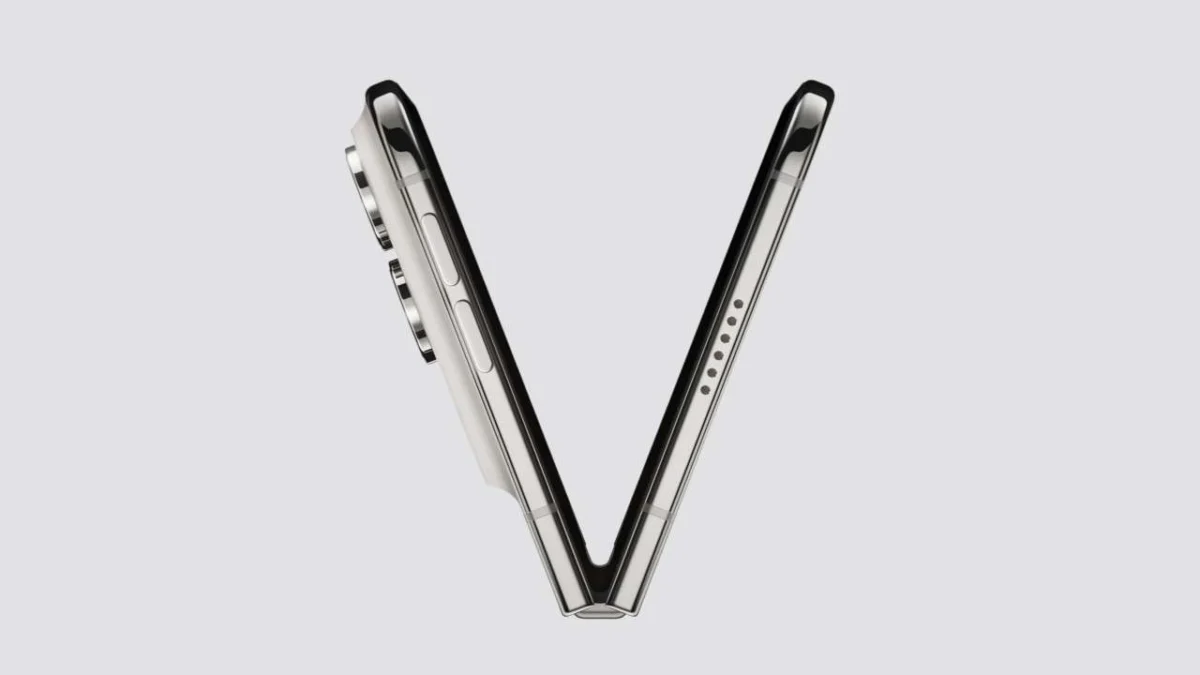
The tech world held its breath on Wednesday as Apple, a company synonymous with meticulous product launches and groundbreaking innovation, finally unveiled its long-anticipated entry into the foldable smartphone market: the iPhone Duo. While the device promised a new frontier for Apple enthusiasts, its debut was quickly overshadowed by a series of scathing, yet playful, social media jabs from long-time rival Samsung and the language-learning platform Duolingo, turning a product launch into an online spectacle of competitive banter.
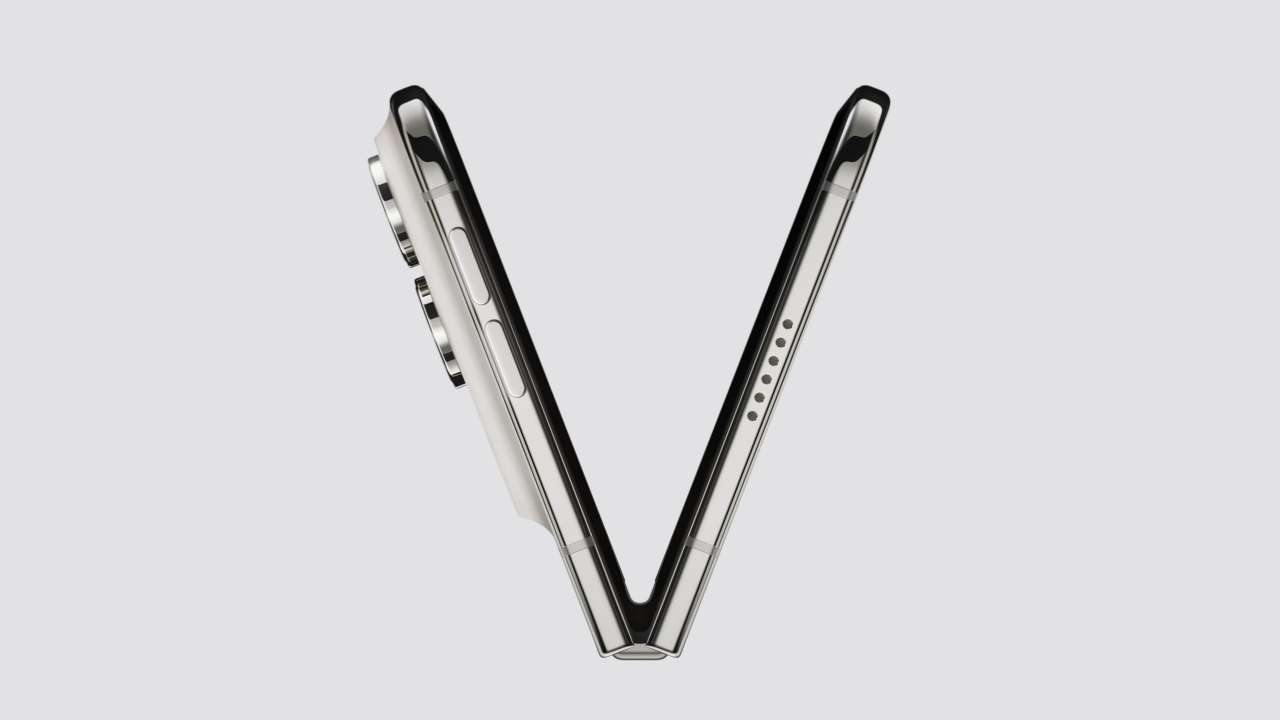
The launch of the iPhone Duo, touted as Apple’s first foldable smartphone and the most expensive device in its current lineup, was a moment of significant strategic importance for the Cupertino giant. However, even before the last slide of the presentation faded, the internet was abuzz not just with features and pricing, but with the immediate, sharp-witted responses from competitors. This online exchange, which included pointed remarks about perceived feature imitation and even a humorous side-quarrel between Samsung and Duolingo, swiftly captured the attention of millions and ignited a broader conversation about innovation, market leadership, and the evolving landscape of digital brand engagement.
Apple Enters the Fold: The iPhone Duo Unveiled
Apple’s entry into the foldable segment has been one of the most speculated events in the technology industry for years. Competitors like Samsung have been iterating on foldable designs for half a decade, facing both triumphs and tribulations in their journey to perfect the form factor. Apple, true to its nature, has historically preferred to observe, learn, and then enter a market with a highly refined product, often setting new benchmarks. The iPhone Duo, therefore, was not just another smartphone launch; it was Apple’s declaration of intent in a burgeoning, high-stakes category.
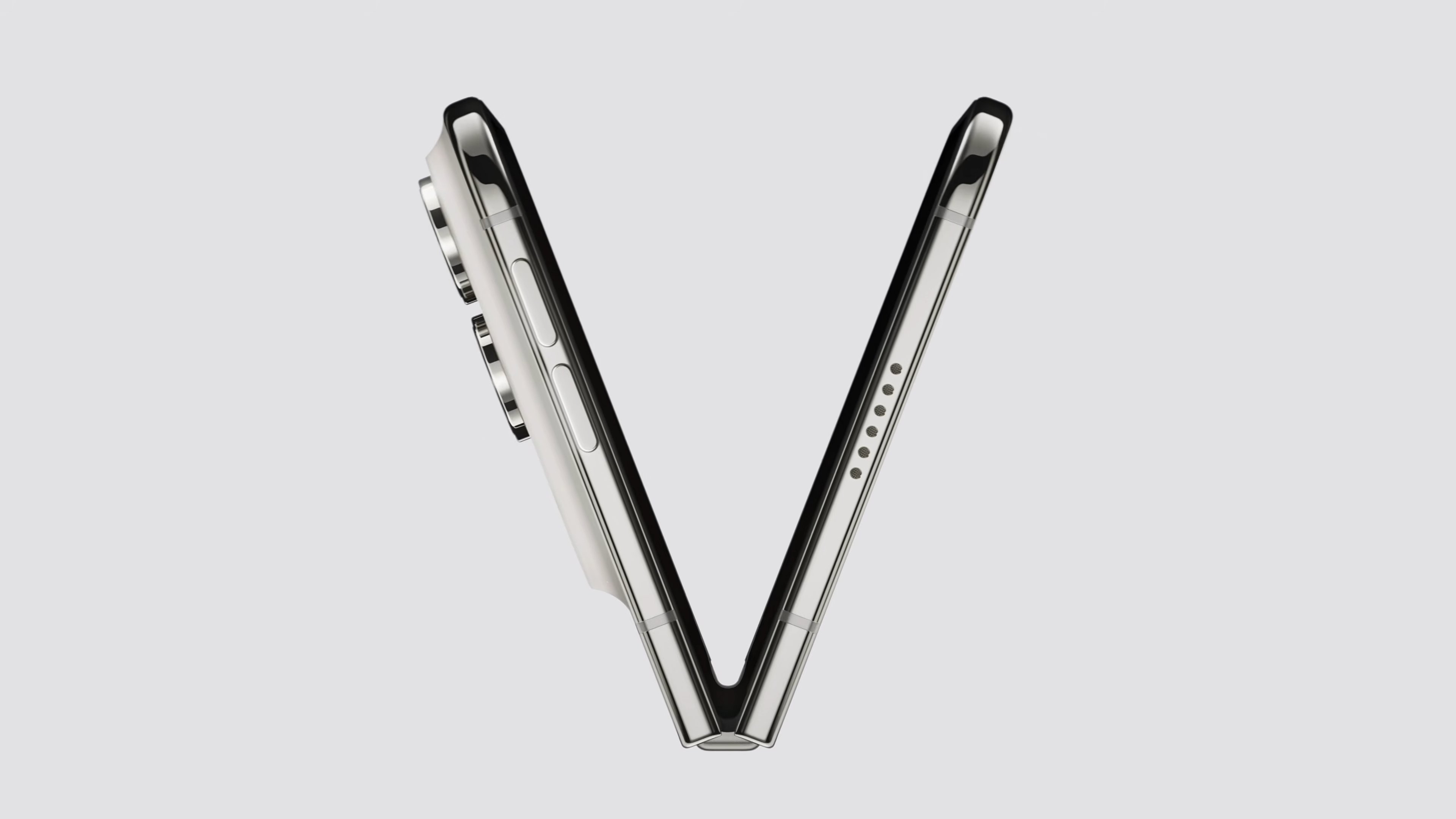)
During its much-anticipated event on Wednesday, Apple showcased the iPhone Duo with characteristic flair. The device, designed to unfold into a expansive 7.6-inch display, represents a significant departure from the traditional iPhone form factor. Apple proudly highlighted that this expanded screen real estate offers 80% more viewing area than the display on its latest flagship, the iPhone 18 Pro, promising an unparalleled immersive experience for media consumption, gaming, and productivity.
Adding to its versatility, the iPhone Duo will also support the Apple Pencil, a feature previously almost exclusively associated with the iPad lineup. This integration suggests Apple’s vision for the foldable iPhone extends beyond mere communication and entertainment, positioning it as a powerful tool for creativity and professional use on the go. The device will be available in two sophisticated color options, star white and night sky, catering to Apple’s premium aesthetic.

From a pricing perspective, the iPhone Duo is positioned at the very top of Apple’s offerings. With a starting price point of around Rs 3 lakh in India (approximately $3,600 USD), the 256GB model alone is priced at Rs 2,99,900. Storage options will extend up to a massive 2TB, catering to power users and professionals who require extensive digital real estate. Apple announced that the iPhone Duo would go on sale in India starting October 23, marking a crucial strategic move for a market where the company is seeing significant growth.
The Social Media Roast Begins: Samsung Fires the First Salvo
Even as the applause for Apple’s presentation was still ringing, the digital world was preparing for a different kind of show. Samsung, the undisputed pioneer and market leader in foldable smartphones, wasted no time in launching a series of pointed, sarcastic messages on X (formerly Twitter) via its Samsung US account. The tone was clear: Apple was late to the party, and Samsung was ready to remind everyone.
)
The most cutting remark came in a post that quickly went viral: "Let us know when you’re done reheating our leftovers." This statement was a direct, unambiguous jab at Apple, implying that the iPhone Duo was merely a rehashed version of innovations Samsung had introduced years prior. Samsung first launched its Galaxy Fold in 2019, a device that, despite its initial challenges, paved the way for the foldable category. Since then, Samsung has released multiple generations of its Fold and Flip series, refining the technology and establishing a significant market presence. This tweet perfectly encapsulated the sentiment that Apple, by entering the foldable market in 2026, was simply adopting a form factor that its rival had already matured. It positioned Samsung as the original innovator, and Apple as the follower.
Samsung didn’t stop there. Another post took aim at one of Apple’s more recent, seemingly minor, but widely celebrated software features: the bedside clock. "Not the bedside clock. It’s giving Groundhog Day," the company tweeted. This was a direct reference to Apple’s "StandBy" feature, introduced with iOS 17, which transforms an iPhone into a smart display when charging horizontally, often showing a clock or widgets. Samsung’s comment subtly suggested that this feature, and perhaps Apple’s overall approach, lacked genuine novelty or groundbreaking utility, instead feeling like a repetitive, uninspired offering. The "Groundhog Day" reference implied a cycle of predictable, unexciting updates.
)
The barrage continued with a more general critique of the iPhone Duo launch event itself: "Was there range? No. Was it exciting? No. Did it happen? Yes." This particular tweet, accompanied by the pointed hashtag #ItsTimeToSwitch, served as a comprehensive dismissal of Apple’s presentation. It questioned the device’s innovative scope ("range"), its ability to generate genuine enthusiasm ("exciting"), and then sarcastically confirmed its existence ("Did it happen? Yes"), almost as if acknowledging a mundane inevitability rather than a revolutionary moment. The hashtag #ItsTimeToSwitch was a clear call to action, urging consumers to consider Samsung’s established foldable offerings instead of Apple’s new entrant.
Duolingo Joins the Fray: A Playful Twist
The competitive exchange took an unexpected and highly amusing turn when Duolingo, the popular language-learning platform, decided to enter the discussion. Duolingo’s famous green owl mascot is named "Duo," a serendipitous coincidence given Apple’s choice of name for its new foldable. Seizing this opportunity for a clever brand integration, Duolingo posted: "iPhone Duo: $1,999. Duo on your iPhone: free."
)
This tweet was a masterful stroke of marketing. It leveraged the shared name to create an immediate, memorable comparison, highlighting the stark financial contrast between Apple’s premium device and Duolingo’s accessible, free service. It was a lighthearted but effective way for Duolingo to assert its presence in the conversation, remind users of its value proposition, and generate significant engagement through humor.
Samsung, ever the opportunist in this online joust, quickly pulled Duolingo into its orbit, extending a hand of "solidarity." "I’m so sorry, DuoLingo. They copied us too #Solidarity," Samsung tweeted, playfully aligning itself with Duolingo as a fellow victim of Apple’s "copying." This move was brilliant, as it not only reinforced Samsung’s narrative of being the original innovator but also amplified the humorous aspect of the interaction by involving another popular brand.
)
Duolingo, known for its quirky and often sassy social media persona, was quick with a retort that further elevated the comedic value of the exchange: "when an ugly stranger calls you twin. No Brand." This response was a hilarious rejection of Samsung’s attempt at camaraderie, cleverly pretending to be offended by the comparison while simultaneously throwing shade at Samsung itself by calling it an "ugly stranger" and implying it lacked true "brand" identity. It was a bold move that demonstrated Duolingo’s confidence in its own unique brand voice.
Samsung, not to be outdone, continued the playful escalation: "Ugly?? Watch your language." This tweet maintained the jest, playing into the mock-offended persona. Duolingo, recognizing the growing virality and the fun of the exchange, delivered a final, self-aware punchline: "Sorry twin, heat of the moment twin. Please don’t break my app on your phones twin." This reply was a perfect blend of apology, continued teasing, and a humorous nod to its dependence on the very devices it was playfully mocking. It acknowledged the absurdity of the "twin" comparison while also subtly reminding Samsung that Duolingo needs its app to function seamlessly on Samsung devices, thus injecting a layer of strategic humor into the brand banter.
)
Social Media Reactions: A "Crazy Ex-Girlfriend" or a "Stalker"?
The spirited online exchange between Samsung, Duolingo, and the silent giant Apple, predictably, generated a torrent of reactions from social media users. Many found Samsung’s consistent and direct jabs at Apple reminiscent of a persistent former romantic partner.
"Crazy ex-girlfriend vibes every September," one user quipped, referring to Apple’s usual fall launch schedule and Samsung’s recurring critiques. Another echoed this sentiment, commenting, "You guys really are that crazy ex-girlfriend…" This perception highlights the long-standing, intense rivalry between the two tech titans, a rivalry that often plays out in public marketing campaigns and social media skirmishes. The "ex-girlfriend" analogy suggests a deep-seated history and a lingering emotional attachment (or animosity) that prevents Samsung from simply moving on and focusing solely on its own products without referencing Apple.
)
However, not all users agreed with this characterization. Some came to Samsung’s defense, reframing the dynamic. "More like Apple the obsessed stalker," one user countered, flipping the narrative to suggest that Apple, by entering a market pioneered by Samsung, was the one following in its rival’s footsteps. This perspective underscores the complexity of brand perception and how consumers interpret competitive behavior based on their own allegiances and understanding of market history. These diverse reactions demonstrate the power of social media to not only amplify brand messages but also to shape and challenge public narratives in real-time.
The Broader Implications: Market Dynamics and Brand Strategy
Apple’s entry into the foldable market, even with the accompanying social media drama, carries significant implications for the entire smartphone industry. The foldable segment, while growing, has largely been a niche market dominated by Samsung. Apple’s participation instantly legitimizes the form factor, signaling to consumers and developers alike that foldables are not a passing fad but a serious direction for future smartphone evolution. This could accelerate mainstream adoption, drive innovation across the industry, and encourage more manufacturers to invest heavily in foldable technology.
)
The Foldable Landscape Before Apple:
Prior to the iPhone Duo, Samsung held a commanding lead in the foldable market, with its Galaxy Fold and Galaxy Flip series setting the standard. Other players like Huawei, Xiaomi, Google (with its Pixel Fold), and Motorola (with its Razr line) have also launched compelling devices, but none have achieved Samsung’s scale or market penetration. Apple’s cautious, late entry allowed it to observe the successes and failures of these pioneers, potentially leading to a more refined and robust first-generation product. However, it also meant sacrificing the "first-mover" advantage and facing criticism for lack of originality.
Apple’s Strategic Positioning:
The premium pricing of the iPhone Duo, starting at Rs 3 lakh, aligns perfectly with Apple’s long-standing strategy of positioning its products at the high end of the market. This premium tier allows Apple to maintain high profit margins and cater to a segment of consumers who prioritize brand prestige, ecosystem integration, and cutting-edge technology, regardless of cost. The inclusion of Apple Pencil support further blurs the lines between iPhone and iPad, potentially cannibalizing some iPad sales but also offering a more versatile "all-in-one" device for a specific user base.
)
Samsung’s Brand Identity and Competitive Spirit:
Samsung’s aggressive social media response is not an isolated incident but a consistent element of its brand strategy. For years, Samsung has directly challenged Apple, often highlighting what it perceives as Apple’s shortcomings or lack of innovation. From mocking the removal of the headphone jack to the notch design and now the foldable form factor, Samsung has consistently positioned itself as the true innovator and challenger brand. This strategy resonates with a segment of consumers who appreciate direct comparisons and see Samsung as a brand that pushes boundaries. It also serves to reinforce Samsung’s own narrative of being the pioneer in the foldable space, ensuring that its years of R&D and market development are not forgotten as Apple enters the fray.
Duolingo’s Masterclass in Humorous Engagement:
Duolingo’s participation in the banter exemplifies modern brand engagement through humor and real-time relevance. By cleverly leveraging the "Duo" name, the company inserted itself into a high-profile tech conversation, gaining massive visibility and reinforcing its quirky, approachable brand image. This type of interaction is invaluable in an increasingly crowded digital landscape, allowing brands to connect with audiences on a more personal and memorable level, often at a fraction of the cost of traditional advertising.
)
The Indian Market: A Crucial Growth Engine
The timing and emphasis on the Indian market for the iPhone Duo are particularly significant. India has emerged as a critical growth engine for Apple, showcasing remarkable performance in recent years. According to Counterpoint Research, Apple’s iPhone shipments in India for fiscal year 2026 surged to an impressive 14 million units, marking a substantial 24% year-on-year increase. The iPhone continues to be the primary driver of Apple’s revenue in the Indian market, reflecting a growing aspirational consumer base and the increasing penetration of premium smartphones.
The launch of the iPhone Duo in India, with a dedicated sales date and local pricing, underscores Apple’s commitment to this strategic market. As India’s economy continues to grow and its middle class expands, the demand for premium and aspirational products like the iPhone Duo is expected to rise. By introducing its most innovative and expensive device in India, Apple aims to capture the high-end segment, solidify its brand prestige, and further entrench its ecosystem within the country. The success of the iPhone Duo in India will not only contribute to Apple’s global revenue but also serve as a barometer for the broader acceptance of foldable technology in emerging markets.
)
The Future of Foldables and Brand Warfare
The launch of the iPhone Duo, coupled with the ensuing social media battle, marks a pivotal moment in the smartphone industry. Apple’s entry into foldables will undoubtedly accelerate the technology’s maturation and mainstream adoption. Consumers will benefit from increased competition, potentially leading to more innovative designs, improved durability, and eventually, more accessible price points.
However, it also signals an intensification of the already fierce competition between tech giants. Brand warfare, once confined to traditional advertising, has now fully migrated to real-time digital platforms, where quick wit, clever engagement, and strategic messaging can significantly impact public perception and market share. The exchange between Apple, Samsung, and Duolingo serves as a powerful reminder that in the age of social media, product launches are no longer just about the device itself, but also about the narratives that unfold around them, often in the most unexpected and entertaining ways. The stage is set for an exciting new chapter in the foldable revolution, with brands vying not only for technological supremacy but also for the hearts and laughs of consumers worldwide.
