

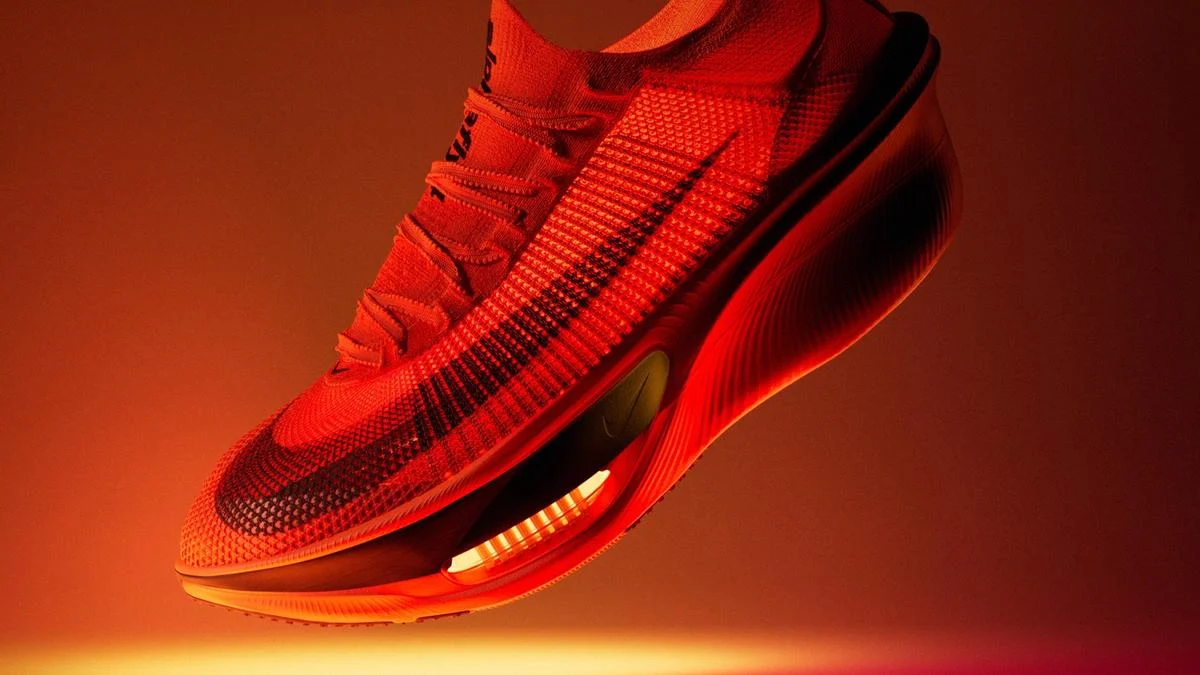
Nike has officially unveiled the Alphafly 4, its latest innovation in marathon racing footwear. Promising unprecedented energy return and a significant reduction in weight, the Alphafly 4 is engineered as a comprehensive system designed to empower a broader spectrum of runners to maintain their peak speed and efficiency deep into the grueling 26.2-mile challenge. This meticulously developed shoe represents Nike’s unwavering commitment to pushing the boundaries of athletic performance through cutting-edge material science and biomechanical research.
The Alphafly lineage has consistently set the benchmark for elite marathon performance, and the Alphafly 4 aims to democratize that advantage. Nike’s research indicates that fatigue is a primary detractor from optimal running mechanics and overall speed in marathon settings. The Alphafly 4 has been meticulously crafted to combat this, providing a more propulsive and stable ride that aids runners in preserving their form and pace when it matters most.
The Genesis of Speed: A System Reimagined
At its core, the Alphafly 4 is not merely an incremental update; it’s a fundamental reimagining of the racing shoe as a complete performance system. Nike’s design philosophy for this iteration centered on a holistic approach, integrating advancements in three key areas: thrust, cushioning, and comfort. The objective was to create a shoe that not only feels fast but actively helps runners stay fast, fostering confidence and capability even in the most demanding stages of a marathon.
Key Technological Advancements:
- Atomknit Upper: The Alphafly 4 features a completely redesigned Atomknit upper. This advanced material is engineered for superior breathability and a glove-like fit, minimizing distractions and maximizing comfort over long distances. Its lightweight construction also contributes to the shoe’s overall reduced weight, allowing for a more fluid stride.
- ZoomX LT Foam: At the heart of the Alphafly 4’s revolutionary cushioning lies the new ZoomX LT (Lightweight) foam. This proprietary foam compound delivers an astonishing 10% more energy return compared to its predecessor, meaning more of the runner’s energy is converted into forward momentum. Its enhanced responsiveness is crucial for maintaining pace during the latter stages of a race.
- Updated Air Zoom Units: The inclusion of updated Air Zoom units strategically placed within the midsole further enhances the shoe’s propulsive capabilities. These units work in tandem with the ZoomX LT foam to provide a dynamic and responsive ride, absorbing impact while simultaneously returning energy.
- Carbon-Fibre Flyplate: The carbon-fibre Flyplate, a signature element of the Alphafly series, has been refined for the Alphafly 4. This rigid yet flexible plate works to stabilize the foot and promote efficient toe-off, maximizing the benefits of the foam and Air Zoom units. It acts as a lever, facilitating a powerful and consistent stride.
A Legacy of Innovation: The Alphafly Chronology
The Alphafly 4 stands on the shoulders of a groundbreaking lineage, each iteration building upon the last to redefine the limits of running performance. The journey began with the Alphafly NEXT%, a prototype famously worn by Eliud Kipchoge during his sub-two-hour marathon attempt in Vienna in 2019. This shoe, with its distinctive thick midsole and visible Air Zoom units, immediately signaled a paradigm shift in marathon shoe technology.
The subsequent release of the Alphafly NEXT% to the public cemented its status as a game-changer. Elite athletes and dedicated runners alike embraced its unprecedented combination of cushioning and energy return, leading to a wave of personal bests and course records.
The Alphafly 2 introduced further refinements, focusing on enhancing stability and refining the ride for a broader range of runners. While retaining the core DNA of its predecessor, it offered a more balanced and forgiving experience, making the benefits of the Alphafly accessible to more athletes.

Now, the Alphafly 4 represents the culmination of years of relentless research and development, taking these advancements to an entirely new level. Nike’s commitment to continuous improvement is evident in the Alphafly 4’s design, which addresses key biomechanical challenges faced by marathoners over extended distances.
The Science of Speed: Supporting Data and Research
Nike’s claims for the Alphafly 4 are not merely marketing pronouncements; they are backed by extensive research conducted by the Nike Sport Research Lab. Emily Farina, Senior Principal of Running Footwear at the lab, highlighted the rigorous process behind the Alphafly 4’s development.
"With Alphafly 4, we spent years listening to athletes, studying how fatigue impacts performance and running mechanics, refining every element of the system to help runners maintain efficiency when it matters most," Farina stated. "Our goal was simple: create a shoe that helps athletes feel more confident and capable deep into the race. That’s what Alphafly 4 was built to do."
This statement underscores the deep dive into the physiological and biomechanical effects of marathon running. Fatigue, a complex phenomenon that affects muscle function, neuromuscular control, and running economy, has been a primary target for Nike’s innovation. By enhancing energy return and optimizing the shoe’s structural integrity, the Alphafly 4 aims to mitigate the detrimental effects of fatigue on a runner’s stride.
The 10% increase in energy return, a substantial leap in footwear technology, translates directly into improved running economy. This means runners expend less energy to maintain a given pace, allowing them to sustain their speed for longer durations. The 5% reduction in weight further contributes to this efficiency, reducing the metabolic cost of each stride.
Official Responses and Athlete Endorsements
The unveiling of the Alphafly 4 has been met with anticipation and excitement from the running community and elite athletes alike. While specific endorsements from athletes undergoing testing are typically confidential until race day, the consistent performance of the Alphafly line in major marathons speaks volumes. The shoe’s design philosophy, as articulated by Emily Farina, reflects a deep understanding of the challenges faced by runners at all levels.

The emphasis on helping "more runners carry speed over distance" signifies a strategic shift. While the Alphafly has always been associated with elite performance, Nike’s intention with the Alphafly 4 is to broaden its accessibility. By improving stability and cushioning, the shoe is designed to be more forgiving and beneficial for a wider range of runners who aspire to achieve their personal bests, not just those vying for podium finishes.
The availability strategy also points to a calculated launch. An "early, limited release" from September 17, followed by a broader availability from October 29 at Nike.com and select retail locations, allows for controlled distribution and gathers initial feedback from a dedicated group of early adopters. This phased approach ensures that Nike can monitor the shoe’s performance in real-world race conditions and address any unforeseen issues before a wider market release.
Implications for the Future of Marathon Running
The Alphafly 4 represents more than just a new shoe; it signifies a continued evolution in the symbiotic relationship between athletic performance and technological innovation. Its success will likely inspire further advancements in:
- Material Science: The development of ZoomX LT foam and advanced knit uppers could pave the way for even lighter, more responsive, and durable running shoe materials.
- Biomechanics Research: Nike’s focus on combating fatigue through footwear design will undoubtedly spur further research into the biomechanics of long-distance running and the development of technologies that can directly address these physiological challenges.
- Shoe-Runner Synergy: The concept of the racing shoe as a complete "system" will become increasingly prevalent. Manufacturers will likely focus on creating footwear that not only provides cushioning and propulsion but also actively works with the runner’s natural mechanics to optimize efficiency.
- Democratization of Performance: As seen with the Alphafly 4, the trend towards making elite-level performance accessible to a wider audience will continue. This could lead to a more competitive and exciting marathon landscape, with more runners capable of achieving breakthrough performances.
The Alphafly 4 is poised to be a significant chapter in the ongoing narrative of running shoe innovation. Its promise of enhanced speed, efficiency, and confidence for marathoners worldwide marks a new era where the pursuit of personal bests is not just about individual effort, but also about the intelligent integration of cutting-edge technology. As runners lace up the Alphafly 4, they will be stepping into a future where the limits of human endurance are continually redefined.
