

The aroma of a simmering daal, the specific tempering of spices passed down through generations, or the simple act of breaking bread with friends often serves as more than just a sensory experience; it acts as a portal to the past. For Malvika Singh—noted author, publisher, and columnist—food is the ultimate vessel for memory, preserving the textures of family, friendship, and a version of Delhi that is rapidly fading into the annals of history.
On September 15, the Prakriti Foundation will host "At the Table with Malvika Singh" at the Amethyst Cafe in Royapettah. This evening of readings and discussions centers on her latest memoir, Cooking for my Firefly, a work that uses the dining table as a stage to recount the evolution of Indian social life. The event promises to be a deep dive into the intersection of gastronomy and heritage, exploring how the domestic sphere once dictated the pulse of a nation’s intellectual and social discourse.
Main Facts: A Trilogy of Taste and Time
Cooking for my Firefly represents the second installment in Malvika Singh’s ambitious memoir trilogy. While the title suggests a culinary focus, Singh is quick to clarify that the work transcends the boundaries of a traditional cookbook. Instead, the recipes included within its pages serve as anchors for a broader narrative.
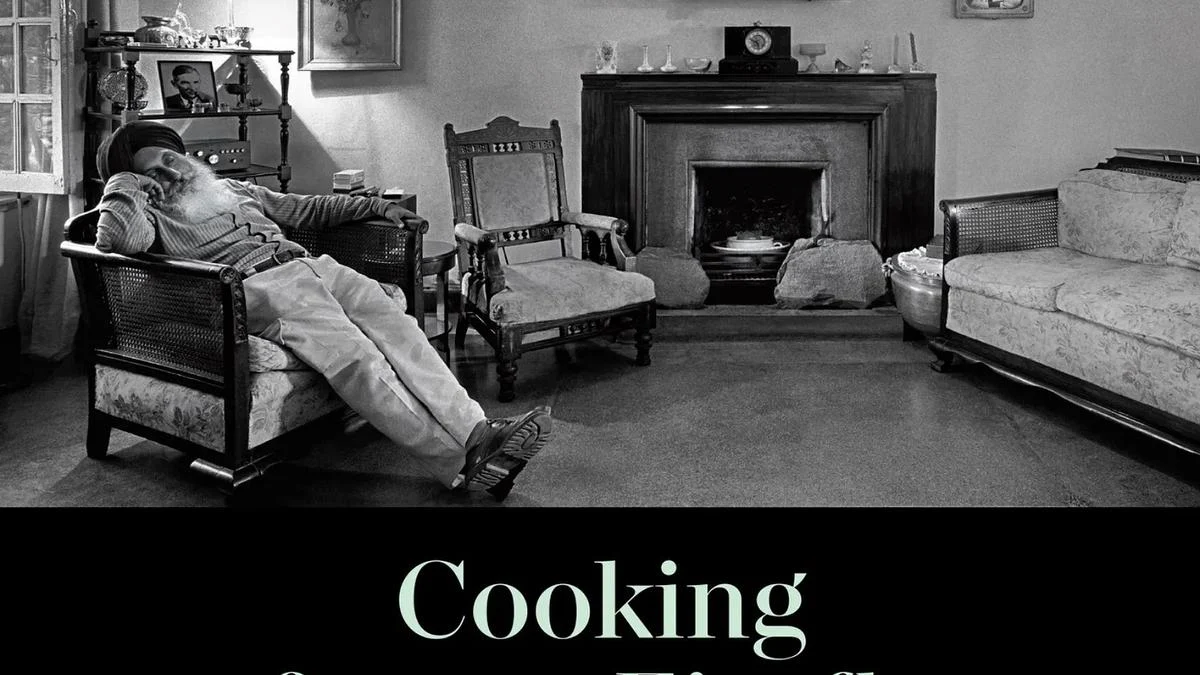
The book is a socio-cultural document disguised as a personal history. It captures an era in India—specifically Delhi—where the dining table was the undisputed heart of social engagement. Through the lens of food, Singh revisits the formative moments and influential figures that shaped her life. The "Firefly" of the title refers to her late husband, Tejbir Singh, affectionately known as Jugnu, whose presence and photography permeate the narrative.
The upcoming session at Amethyst Cafe, scheduled for 6:30 PM, is designed to be an interactive exploration of these themes. Organized by the Prakriti Foundation—an organization known for its commitment to the arts and cultural preservation—the event will feature Singh in conversation about the importance of documenting oral histories before they are lost to the digital age’s transience.
Chronology: From Pandemic Reflection to Post-Independence Grandeur
The genesis of Cooking for my Firefly can be traced back to the global stillness of the COVID-19 pandemic. Like many during the lockdowns, Singh found herself reflecting on the passage of time and the stark differences between her upbringing and the world her grandchildren are inheriting.

The Pandemic Catalyst
During the period of isolation, Singh began recording her experiences with the primary intention of creating a legacy for her grandchildren. She observed that the rhythms of life she once took for granted—the spontaneous gatherings, the long-form conversations, and the communal nature of meals—had become alien concepts to the younger generation. "It was a different time, a different age, and we all did things differently," Singh notes, reflecting on the mid-to-late 20th-century milieu of the Indian capital.
The Era of the Open House
The chronology of the book spans several decades, focusing heavily on the 1970s and 80s. This was a period in Delhi’s history when the city functioned as a tight-knit community of intellectuals, artists, and bureaucrats. Singh’s narrative traces her life alongside her husband, Tejbir, documenting their home as an "open house." This was an era before the ubiquity of mobile phones and the formalization of social calendars, where the "drop-in" culture was the standard mode of interaction.
The Evolution of the Dining Table
The book maps the transition of the dining table from a place of sustenance to a "sacrosanct" space for intellectual exchange. Singh recalls a time when meals were not just about the food but about the "engagement and embrace with people." The timeline of her life is marked by these communal gatherings, which she argues provided the social glue for a newly independent India finding its cultural footing.
Supporting Data: Anecdotes of Informality and Intellectualism
The strength of Singh’s memoir lies in its specific, evocative anecdotes that illustrate a lost way of life. These stories serve as data points for understanding the social fabric of the time.
The Midnight Daal Chawal
One of the most poignant memories Singh recounts involves returning home near midnight to find renowned journalist Dilip Padgaonkar and filmmaker Mani Kaul sitting on her drawing room floor. Having found Singh and her husband out, the two guests had simply made themselves at home. They requested daal chawal (lentils and rice) from the housekeeper, poured themselves drinks, and were singing when the hosts finally arrived.
This anecdote serves as a powerful testament to the informality of the age. As Padgaonkar told her that night, "We were in the area, so we thought, let’s go to Mala’s house… I am sure the woman who looks after the house will give us daal chawal." This level of comfort and trust defines the "community coming together" that Singh seeks to document.

Encounters with Global Cinema
Singh’s life was also punctuated by high-profile encounters that happened within the domestic sphere. She recalls hosting the legendary Italian-American director Frank Capra and Dutch filmmaker Bert Haanstra for dinner after meeting them at an international film festival in Delhi.
In a time before celebrity culture was mediated by PR agents and security details, these interactions were raw and educational. Singh notes that they didn’t feel the need for "autograph books" because the privilege was in the conversation itself. "One learns so much from them about their lives, about their work, about their film, and one felt one knew them," she says. These encounters highlight Delhi as a cosmopolitan hub where global influences were digested over home-cooked Indian meals.
Official Responses: Singh’s Philosophy on Modern Disconnection
In her discussions leading up to the Prakriti Foundation event, Malvika Singh has been vocal about what she perceives as a decline in genuine human connection in the modern era. Her insights serve as an "official" commentary on the shifting values of Indian society.
The Sanctity of the Meal
Singh maintains that the modern "distracted" meal is a significant loss to the social fabric. "In our time, having a meal together was very important. It was sacrosanct," she emphasizes. She contrasts the current trend of eating while scrolling on smartphones with the legacy stories of her youth, where lunch with grandparents was a mandatory forum for discussing dreams, politics, and family history.
The Role of Tejbir Singh (Jugnu)
A central "official" theme of the book is the tribute to her late husband. Singh credits Tejbir’s photography and his hospitable nature as the backbone of their shared life. By dedicating the book to him and using his visual archives, she reinforces the idea that their home was a collaborative project in building a community. The title Cooking for my Firefly is a deeply personal nod to this partnership, suggesting that the act of cooking was an act of love and intellectual companionship.
Implications: The Preservation of Cultural Heritage
The publication of Cooking for my Firefly and the subsequent discussions hosted by organizations like the Prakriti Foundation have significant implications for how India views its recent past.

Food as Oral History
Singh’s work suggests that recipes and mealtime traditions are among the most resilient forms of oral history. While political histories are recorded in textbooks, the "history of the heart"—how people felt, how they spoke, and how they welcomed strangers—is stored in the kitchen. By documenting these memories, Singh provides a blueprint for younger generations to reclaim a sense of community that may have been lost to urbanization and digital isolation.
The Death of Spontaneity
The book serves as a critique of the "appointment-only" social life of the 21st century. The implication is that by over-scheduling our lives and retreating into private, gated experiences, we lose the "unexpected conversations" that arise from an open-door policy. The story of Padgaonkar and Kaul singing on a drawing room floor is not just a charming memory; it is a reminder of a time when social safety nets were built on friendship rather than formal networking.
Delhi’s Changing Identity
Finally, the narrative highlights the transformation of Delhi itself. The city described by Singh is one of "glory" and "openness," a stark contrast to the modern perception of the capital as a sprawling, often impersonal metropolis. Her memoir acts as a preservation effort for the city’s soul, urging readers to remember a time when the capital’s power resided not just in its government offices, but around its dining tables.
As Malvika Singh prepares to share these stories at Amethyst Cafe, the event stands as a call to action: to put down the devices, light the stove, and rediscover the "sacrosanct" art of the shared meal.
Event Details:
- Event: At the Table with Malvika Singh
- Date: September 15
- Venue: Amethyst Cafe, Whites Road, Royapettah
- Time: 6:30 PM onwards
- Entry: Open to all (RSVP required at 9940620268)
