

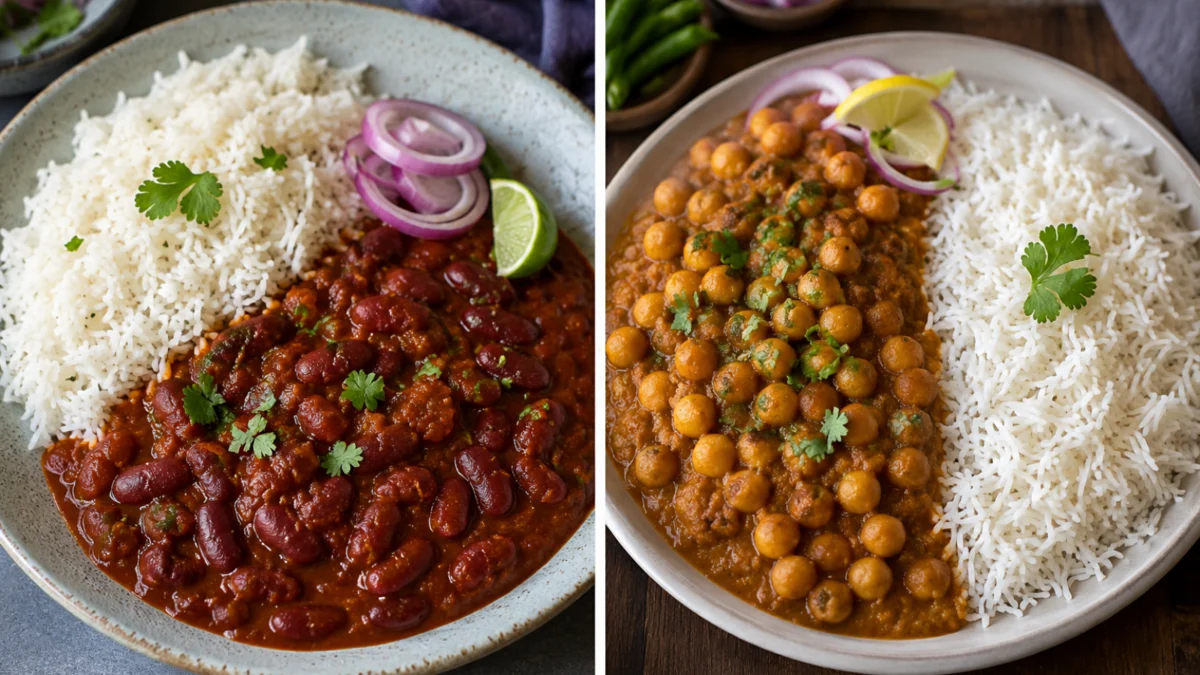
In the landscape of the Indian vegetarian diet, few battles are as fiercely contested as the rivalry between Rajma (kidney beans) and Chole (chickpeas). These legumes are more than just staples; they are cultural icons, often serving as the primary source of protein for millions of households across the subcontinent. As the global shift toward plant-based nutrition intensifies, the "protein showdown" between these two pulses has moved from the kitchen table to the nutritionist’s lab.
While both are lauded as affordable, versatile, and nutrient-dense, they are far from identical. To determine which deserves the higher spot on the "desi leaderboard," one must look beyond the surface-level numbers and explore the complexities of bioavailability, cooking methods, and amino acid profiles.
DISCLAIMER: This article is based on information from the public domain and insights from clinical experts. It is intended for informational purposes only. Always consult your health practitioner or a registered dietitian before making significant changes to your dietary routine.
1. Main Facts: The Numbers on the Plate
The debate often begins with a simple question: which one has more protein? However, as nutritionists point out, the answer depends entirely on the state of the bean—whether it is measured dry in a bag or cooked in a bowl.
The Dry Weight Comparison
When comparing the two in their raw, dry form, a clear winner emerges. According to Prachi Chandra, Lead Clinical Nutritionist at Sakra World Hospital, Bengaluru, 100 grams of dry rajma contains approximately 23–24 grams of protein. In contrast, 100 grams of dry chole provides about 19 grams. On paper, rajma holds a significant lead in protein density.
The Cooked Reality
However, humans do not consume dry beans. Once these legumes are soaked and boiled, they absorb significant amounts of water, which alters their weight and the concentration of nutrients per serving. Dr. (Col) Vijay Dutta, Director of Internal Medicine & Respiratory Services at ISIC Multispeciality Hospital, notes that in a typical cooked serving (approximately one cup), the gap narrows significantly.
In a cooked state, rajma provides roughly 13–15 grams of protein per cup, while chole delivers a nearly identical 14–15 grams. This equalization occurs because chole tends to retain a slightly different density during the boiling process. For the average consumer, the difference on the plate is negligible, making both excellent choices for meeting daily protein targets.
2. Chronology: The Evolution of the Legume in the Indian Diet
To understand the importance of these pulses, one must look at their historical integration into Indian agriculture and cuisine.
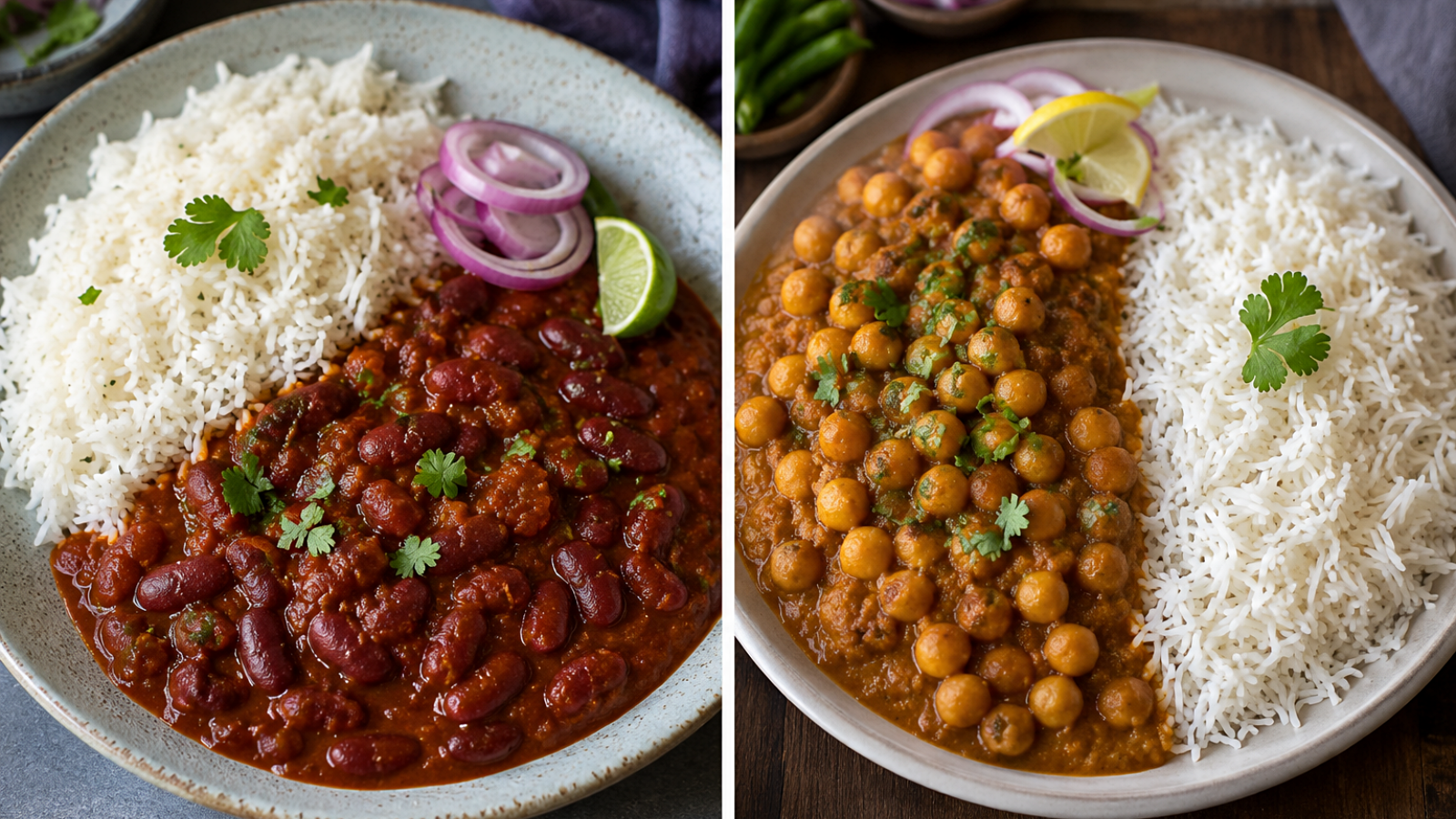
- The Ancient Roots of Chole: Chickpeas (Cicer arietinum) are among the oldest cultivated legumes in the world. Historical records suggest they were grown in the Middle East and the Mediterranean as early as 7,000 BCE. They traveled to India via ancient trade routes and have been a cornerstone of the Indus Valley diet for millennia. This long history has led to the development of hundreds of regional varieties, from the small Desi Chana to the larger Kabuli Chana.
- The Arrival of Rajma: Unlike the ancient chickpea, the kidney bean is a relatively new entrant to the Indian palate. Originating in Central and South America, rajma was brought to the Old World by European explorers during the "Columbian Exchange" in the 15th and 16th centuries. It eventually found a spiritual home in the North Indian plains and the hills of Jammu and Kashmir, where it was integrated into the local cuisine so seamlessly that many now consider it an indigenous staple.
- The Modern Protein Shift: In the last two decades, as awareness of lifestyle diseases like diabetes and hypertension has grown, these legumes have transitioned from "comfort food" to "functional food." The chronology of their use has shifted from being a simple caloric filler to being recognized as a sophisticated tool for weight management and muscle maintenance.
3. Supporting Data: Beyond the Protein Molecule
While protein is the headline act, the supporting nutritional data reveals the true strengths of these legumes.
Caloric and Fiber Profiles
For a standard one-cup (160g) serving of cooked beans, the nutritional breakdown is as follows:
| Nutrient | Rajma (Cooked) | Chole (Cooked) |
|---|---|---|
| Calories | ~210 kcal | ~250 kcal |
| Protein | 13–15g | 14–15g |
| Carbohydrates | 38g | 40g |
| Dietary Fiber | 12–13g | 11g |
| Total Fat | < 1g | 4g |
Micronutrient Density
Both legumes are powerhouses of essential minerals. They are rich in iron, which is critical for oxygen transport in the blood, and folate (Vitamin B9), which is essential for DNA synthesis and repair. However, chole offers a slight edge in certain minerals, providing higher levels of magnesium—crucial for muscle and nerve function—and manganese, which supports bone health and blood sugar regulation.
The "Anti-Nutrient" Factor
A critical aspect of legume nutrition is the presence of antinutrients like phytates and lectins. These compounds can bind to minerals like calcium and zinc, preventing their absorption, and are often the culprits behind the bloating and gas associated with bean consumption.
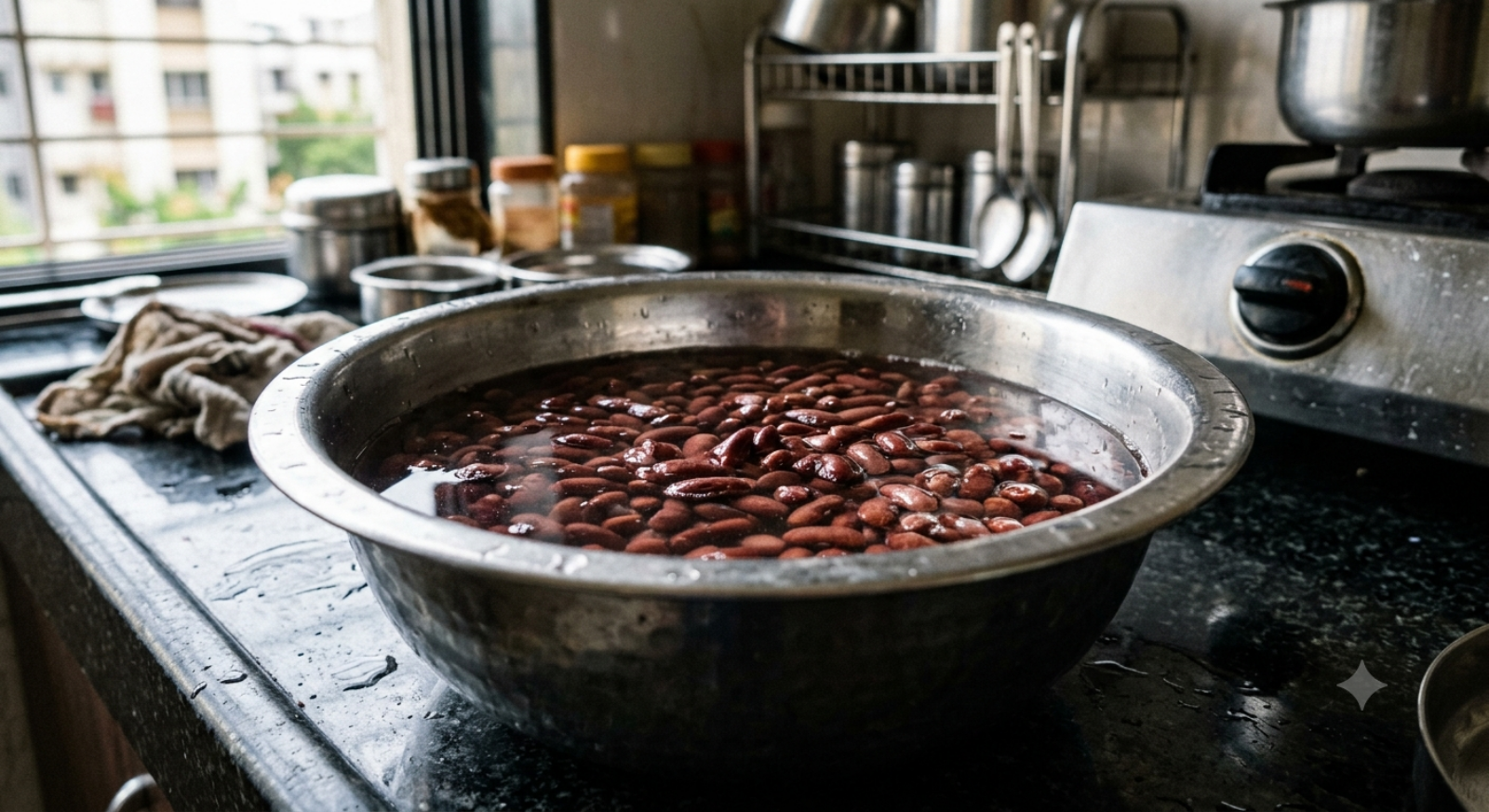
Data shows that soaking rajma and chole for 8–10 hours and discarding the soaking water can reduce these antinutrients by up to 50%. Furthermore, pressure cooking further neutralizes these compounds, making the protein more bioavailable.
4. Official Responses: Expert Insights on Safety and Preparation
Medical professionals and nutritionists emphasize that how you cook these beans is just as important as which one you choose.
The Rajma Safety Warning
Dr. Vijay Dutta issues a specific warning regarding kidney beans. Raw or undercooked rajma contains high concentrations of phytohaemagglutinin, a type of lectin that can be toxic. Consuming even a few undercooked beans can lead to severe nausea, vomiting, and abdominal pain. Unlike some vegetables that can be enjoyed "al dente," rajma must be cooked until completely soft to ensure the toxin is neutralized.
The Sprouting Advantage
Prachi Chandra highlights a way to "supercharge" the nutritional value of chickpeas. "Sprouting chana before cooking can increase the bioavailability of its protein by approximately 15%," she explains. Sprouting breaks down complex starches into simpler sugars and reduces phytate levels even further than soaking alone, making it an ideal strategy for those with sensitive digestive systems.
The "Complete Protein" Myth
A common criticism of plant proteins is that they are "incomplete." Both rajma and chole are low in methionine, an essential amino acid. However, experts argue that this is easily remedied through traditional Indian food pairings. When these legumes are eaten with cereal grains like rice or wheat (which are rich in methionine but low in lysine), they form a "complete protein" profile comparable to animal products.
5. Implications: Optimizing the Desi Diet
The implications of this protein showdown are clear: the "winner" depends on individual health goals.
- For Weight Loss: Rajma may have a slight advantage due to its lower calorie count and slightly higher fiber content, which promotes satiety (the feeling of fullness).
- For Sustained Energy: Chole, with its slightly higher healthy fat content and complex carbohydrate structure, provides a slower release of energy, making it excellent for athletes or those with long working hours.
- For Digestive Health: Both are excellent sources of prebiotic fiber, which feeds the "good" bacteria in the gut. However, the requirement for meticulous cooking of rajma makes chole a slightly "safer" or more forgiving option for novice cooks.
The "Golden Ratio" for Vegetarians
To maximize protein intake without relying on meat, Prachi Chandra suggests a balanced meal formula:
- 1.5 katori (bowls) of cooked beans
- 1 katori of rice or 2 rotis
- 1 bowl of curd or a slice of paneer
This combination typically yields between 22g and 25g of high-quality protein, fulfilling nearly half of the average sedentary adult’s daily requirement in a single meal.
The Final Verdict: Diversity Over Rivalry
The journalistic conclusion to the rajma vs. chole debate is that there is no need to pick a side. Dr. Dutta recommends a "rotation policy." By alternating between different legumes—including rajma, chole, moong, and masoor—consumers ensure they receive a wider spectrum of micronutrients and amino acids.
In the grand scheme of Indian nutrition, the classic Rajma-Chawal or Chole-Bhature (preferably with a whole-wheat bhatura or roti) isn’t just a culinary tradition; it is a scientifically sound method of delivering essential nutrients to the body. Whether you prefer the creamy texture of a well-cooked kidney bean or the nutty bite of a chickpea, both deserve a permanent, rotating spot on your plate.
