

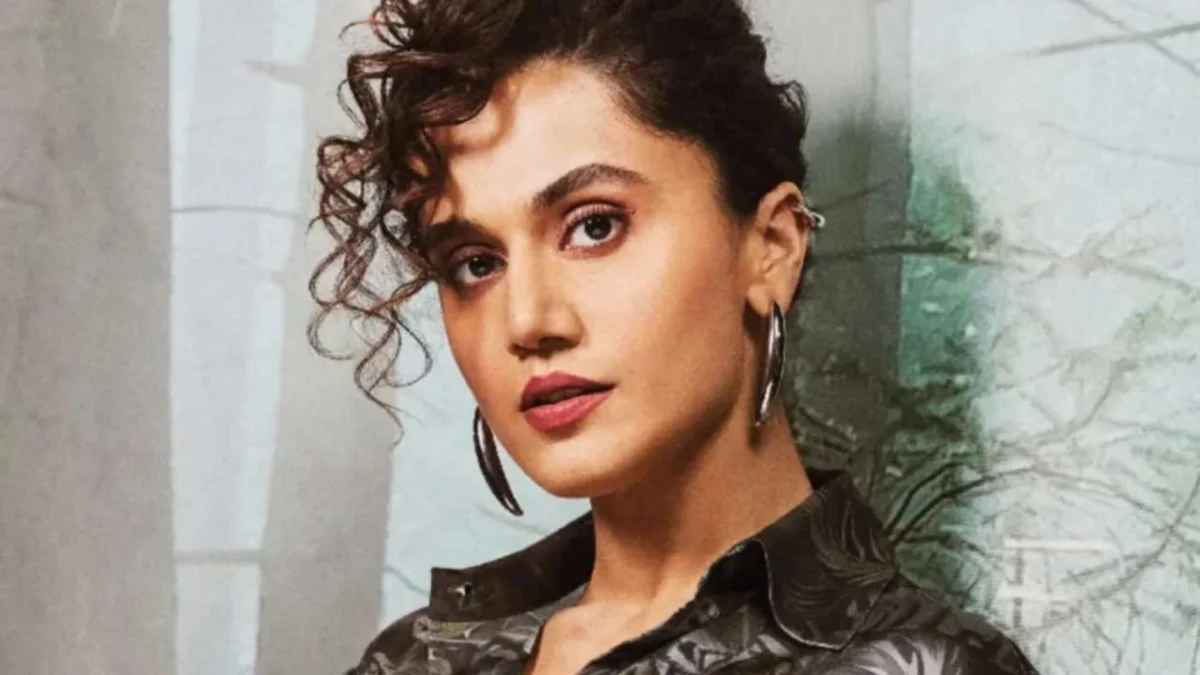
Mumbai, India – In the glittering, often opaque world of Bollywood, where fortunes can change with a single casting decision, actress Taapsee Pannu has bravely pulled back the curtain on some of the most perplexing and, frankly, absurd reasons she has faced for being dropped from film projects. Her candid revelations offer a stark glimpse into the subjective nature of filmmaking and the unexpected influence of personal relationships and insecurities that can derail an actor’s career, even after significant commitments have been made.

Pannu, known for her strong performances in films like "Pink," "Thappad," and "Manmarziyaan," recently shared anecdotes that highlight the often-unseen hurdles actors navigate. Among the most astonishing reasons she cited was being told, "The hero’s wife doesn’t like you," a statement that underscores the extent to which personal dynamics can infiltrate professional decisions within the industry. In another instance, she revealed being removed from a project after dedicating her dates, allegedly due to objections from the male lead himself.
)
The Unseen Hand: Male Leads and Their Alleged Influence
Taapsee Pannu’s account of being replaced after committing her professional schedule to a film is particularly concerning. She detailed an experience where, despite having allocated her time and resources, she was ultimately removed from the project. When seeking clarity, she was reportedly informed that the male lead of the film was the driving force behind her ouster.

"I have been told that I was replaced by the hero of the film," Pannu shared in an interview with Nayandeep Rakshit. "God knows the reason. I keep imagining the reasons. I can imagine the insecurity, I can imagine that he wanted someone else whom he was closer to. I can imagine various reasons, but I wasn’t given any solid reason." The actress further elaborated on the frustrating lack of transparency, stating, "I was just told that he didn’t want me in the film because I kept asking the reason for my removal."
)
This particular revelation raises significant questions about the power dynamics within Bollywood. The idea that a male actor, even after an actress has committed her availability, can unilaterally influence casting decisions based on personal preference or perceived insecurity speaks volumes about the existing hierarchies and the potential for unprofessional conduct to impact an artist’s career. It suggests a system where an actor’s talent and suitability for a role can be superseded by the whims of a co-star, often with little to no recourse for the actress involved.
)
The "Worst Reason": When Personal Dislike Derails Professional Opportunity
While the influence of a male lead is a serious concern, Pannu’s description of another casting rejection as the "worst reason" she had ever received is truly remarkable in its absurdity. The explanation provided for her replacement in that instance was a blunt and baffling: "The hero’s wife doesn’t like you."
)
"The worst reason given to me when I was replaced was, ‘The hero’s wife doesn’t like you.’ I don’t know why she didn’t like me," Pannu stated, conveying a sense of bewilderment and perhaps a touch of disbelief at the rationale. This anecdote highlights a deeply troubling aspect of the industry: how personal relationships and even perceived, unarticulated dislikes from individuals outside the immediate production can have a tangible impact on an actor’s professional life. It suggests a level of interference that is not only unprofessional but also deeply unfair to the artist whose career is being affected.
)
The implications of such a reason are far-reaching. It implies that an actress’s professional fate can be sealed not by her acting prowess, her commitment, or her suitability for a role, but by the subjective feelings of someone who may have no direct professional stake in the project. This opens the door to a host of potential biases and unfair practices, creating an environment where actors might feel pressured to navigate complex personal relationships to secure or retain work.
)
A Broader Industry Perspective: The Precariousness of the Actor’s Journey
Taapsee Pannu’s willingness to share these experiences goes beyond personal grievances. Her revelations serve as a crucial reminder of the inherent precariousness of an acting career, particularly for women in the industry. Even when an actor has proven their mettle through critically acclaimed performances and box office success, they can still find themselves at the mercy of unpredictable factors.
)
The practice of replacing actors after dates have been committed is not new to Bollywood, but Pannu’s articulation of the underlying reasons offers a more nuanced understanding of the often-unspoken reasons behind such decisions. It points to a system where personal equations, perceived rivalries, and even the opinions of spouses can hold significant sway, often overshadowing merit and professionalism.
)
Supporting Data and Industry Trends
While specific instances like those shared by Taapsee Pannu are often anecdotal, the broader industry context provides supporting evidence for the challenges actors face. Various reports and discussions within the film fraternity have touched upon:
)
- Casting Coups and Unseen Influences: There have been numerous instances, often whispered about, where established actors or their close associates have allegedly influenced casting decisions to their benefit or to the detriment of others. This can range from ensuring a particular actor is cast to actively working against the inclusion of another.
- The Power of the Male Gaze and Male Dominance: Bollywood has historically been a male-dominated industry. This power imbalance can translate into male actors having a disproportionate say in casting, particularly concerning their female co-stars. Concerns about comfort levels, perceived on-screen chemistry, and even personal relationships can sometimes supersede the director’s vision or the script’s requirements.
- Insecurity and Competition: The highly competitive nature of the film industry can foster insecurities among actors. This can lead to situations where an actor might feel threatened by a co-star’s talent, popularity, or perceived ability to overshadow them, leading to attempts to have them replaced.
- The Role of Star Wives and Family: While not as frequently discussed in public forums, the influence of the families of leading actors, including spouses, is a known, albeit often unspoken, factor in certain industry circles. This can manifest in subtle ways, from social pressures to direct interventions in casting decisions.
Implications for the Future of Bollywood
Taapsee Pannu’s disclosures have significant implications for the ongoing conversation about fairness, transparency, and gender equality within the Indian film industry. Her experiences highlight the need for:
)
- Greater Professionalism and Ethical Guidelines: The industry needs to move towards more robust ethical guidelines that protect actors from arbitrary decisions based on personal whims or external influences. Clearer contractual clauses and dispute resolution mechanisms are essential.
- Empowerment of Female Actors: Actors like Pannu are paving the way for a more equitable industry by speaking out. This courage can empower other women to voice their concerns and demand professional treatment.
- Transparency in Casting: While artistic choices are subjective, a degree of transparency regarding casting decisions, especially after commitments have been made, would foster greater trust and accountability.
- Challenging Gender Bias: The incidents underscore the need to continuously challenge the gender biases that persist in the industry, ensuring that women are judged solely on their merit and talent, not on the personal preferences of others.
In conclusion, Taapsee Pannu’s candid revelations about being dropped from films due to the dislike of a hero’s wife or the hero’s own objections serve as a stark reminder of the often-unseen battles faced by actors in Bollywood. Her willingness to share these experiences not only sheds light on the absurdities of the industry but also calls for a more professional, transparent, and equitable environment where talent and hard work are the true determinants of success. As the industry continues to evolve, such conversations are crucial for fostering a healthier and more just ecosystem for all artists.
