

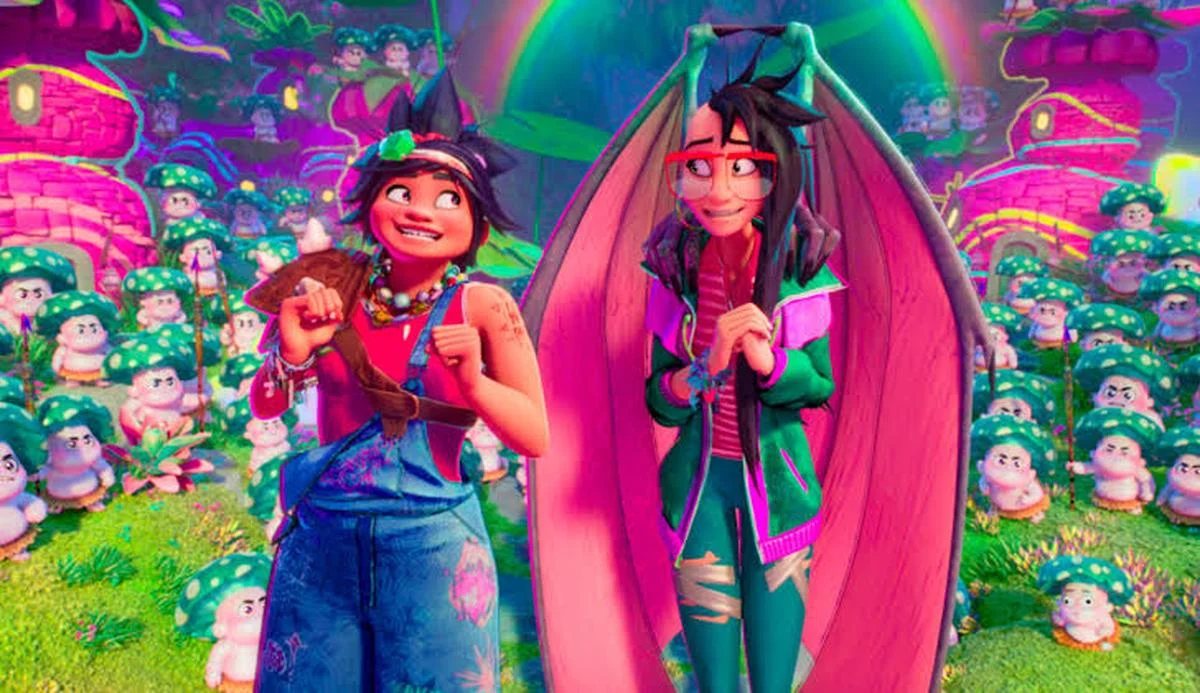
A visually stunning animated feature, "Forgotten Island" plunges audiences into a world brimming with adorable creatures and a heartwarming tale of enduring friendship, drawing deep from the wellspring of Filipino folklore.
Introduction: A Feast for the Eyes and Heart
In the ever-expanding landscape of animated cinema, "Forgotten Island" emerges as a radiant gem, a vibrant tapestry woven with the rich threads of Filipino mythology and the universal language of friendship. Directed by Joel Crawford and Januel Mercado, this latest feature from DreamWorks Animation is a visual spectacle, a delightful explosion of color and imagination that captivates audiences from the very first frame. More than just a visual treat, the film anchors its fantastical journey in the poignant story of two young girls, Jo and Raissa, whose bond is tested by life’s diverging paths.
The film introduces a menagerie of characters, each vying for the title of "cutest" in a delightful competition. From the three-eyed baby demon Bungi, whose greatest fear is contracting pink eye, to the delightfully confused were-wolf/dog, Raww, voiced by Dave Franco, the film is populated by creatures that are as endearing as they are fantastical. Batiba, the memory demon, voiced by Jenny Slate, offers a poignant portrayal of living vicariously, while Truffle Wuffle, the king of the Duwende people, embodies dignity and undeniable adorability, brought to life by Ronny Chieng. Even the ostensibly villainous Manang, voiced by Lea Salonga, possesses a tender backstory that adds depth to her character. Prince Mermahn, voiced by Kevin McCann, injects a dose of charming silliness into the proceedings.
At the heart of this vibrant ecosystem are Jo (voiced by H.E.R.) and Raissa (voiced by Liza Soberano), the two central figures whose lifelong friendship forms the emotional core of "Forgotten Island." Their journey begins in the idyllic, yet often challenging, landscape of the 1990s Philippines. The film masterfully evokes a sense of nostalgia, transporting viewers to a time of charm bracelets, mixed tapes, and the unwavering belief in magical islands populated by extraordinary beings.
H2: The Genesis of a Friendship: From Playground Scuffles to Shared Dreams

The narrative unfolds with a charming flashback to the 1990s, where a young Jo, a dreamer with an imagination as boundless as the mythical island she describes, finds herself in trouble for defending her fantastical tales. It is in the principal’s office, after a scuffle sparked by a classmate’s ridicule of her stories, that Jo meets Raissa. This chance encounter, born out of a shared moment of solidarity, marks the beginning of an extraordinary friendship. Their bond is cemented through shared interests: the exchanging of charm bracelets, the creation of mixed tapes, and the shared joy of watching Arnold Schwarzenegger films at Jo’s grandmother Lola’s (Dolly de Leon) house.
Lola, a pivotal figure in their childhood, serves as a grounding presence, a repository of wisdom and love. Her home becomes a sanctuary where Jo’s vivid imagination can flourish, and where Raissa, the more grounded and academically inclined of the two, finds a space to embrace a different kind of wonder. The film beautifully captures the innocence and intensity of childhood friendships, highlighting how shared experiences and mutual understanding can forge bonds that transcend individual differences.
H2: Divergent Paths and the Lingering Call of Adventure
As the years pass, the passage of time inevitably brings change. Lola’s passing leaves a void in Jo’s life, and she finds herself adrift, navigating a series of unfulfilling jobs. Meanwhile, Raissa’s intellectual prowess shines through, earning her a coveted admission to the prestigious Caltech. This divergence in their life paths creates a subtle tension, a quiet worry that their friendship might not withstand the pressures of ambition and distance.
Raissa’s mother, a pragmatic figure, voices her disapproval of Jo, believing she will hinder Raissa’s academic aspirations. This external pressure adds another layer of complexity to the girls’ relationship, forcing them to confront the potential sacrifices that come with pursuing their dreams. However, the narrative cleverly intertwines their personal journeys with the enduring allure of the fantastical. The night before Raissa is set to depart for Caltech, a pivotal moment arrives. Driven by a shared longing for the magic they once believed in, Jo and Raissa stumble upon the hidden portal to Nakali, the very island Jo had described in her childhood tales. This discovery reignites their shared spirit of adventure, setting the stage for a mind-blowing expedition.
H3: The Visual Symphony: A Retro Aesthetic Inspired by Filipino Art

"Forgotten Island" distinguishes itself through its unique animation style, a deliberate and inspired choice that pays homage to Filipino folk art and the graphic aesthetics of the 1990s. The film is a riot of eye-popping colors, a visual feast that evokes the feeling of being on a "sugar rush after a triple shot of espresso." This retro animation style is not merely a superficial choice; it imbues the film with a distinctive personality, a charmingly anachronistic quality that sets it apart from contemporary animated features.
The visual design extends to the rendering of the creatures themselves. Drawing inspiration from Filipino folklore, the film presents a cast of characters that are both familiar in their archetypes and refreshingly unique in their execution. These "weird and wonderful creatures" lend an "endearing freshness" to the film, transforming the fantastical setting of Nakali into a vibrant and believable world. The use of bold lines, saturated colors, and a slightly stylized approach to character design creates a world that is both playful and deeply immersive.
H3: Themes of Memory and Belonging
Beyond its visual splendor, "Forgotten Island" delves into profound themes that resonate with audiences of all ages. The film places a significant emphasis on memory and the act of remembering. The recurring motif of Polaroid pictures and other physical tokens of memories serves as a touching reminder of the enduring power of shared experiences and the tangible links to our past.
Batiba, the memory demon, offers a particularly poignant exploration of this theme. Living her life vicariously through an "all you-can-eat buffet of memories," her character highlights the human need for connection and the potential pitfalls of living in the past. Her fear of venturing outside and her reliance on the memories of others create a character arc that is both melancholic and deeply relatable.
The film also celebrates the warmth of friendship, particularly the bond between two disparate individuals who find completeness in each other. Jo and Raissa, with their contrasting personalities and life trajectories, embody the idea that true friendship can bridge divides and provide the support necessary for personal growth. Their shared adventure in Nakali becomes not just a quest for fantastical discovery but also a journey of self-discovery and mutual reliance.

H2: Critical Acclaim and Audience Reception
"Forgotten Island" has garnered significant praise for its innovative animation, its heartfelt storytelling, and its authentic representation of Filipino culture. Critics have lauded the film’s ability to balance its fantastical elements with relatable human emotions, creating an experience that is both entertaining and emotionally resonant. The voice cast, comprising a talented ensemble including H.E.R., Liza Soberano, Dave Franco, Jenny Slate, Manny Jacinto, Dolly de Leon, Jo Koy, Ronny Chieng, Kevin McCann, and Lea Salonga, has been widely commended for their warm and inviting performances, bringing the diverse cast of characters to life with nuance and charm.
While the film occasionally teeters on the edge of being "overstuffed" with its myriad of characters and plot threads, reviewers generally agree that it never becomes "wearisome." The vibrant visual palette and the compelling emotional core of Jo and Raissa’s friendship effectively anchor the narrative, preventing it from becoming lost in its own exuberance. The bright pops of color are consistently engaging, "grabbing the eye and keeping it."
H3: Box Office Performance and Cultural Impact
As of its release, "Forgotten Island" has seen a positive reception at the box office, indicating a strong audience appetite for animated films that offer both visual spectacle and meaningful narratives. The film’s success is a testament to the growing global appreciation for diverse storytelling and the power of animation to transport audiences to worlds both familiar and fantastical.
The film’s deep dive into Filipino folklore has also been celebrated as a significant cultural contribution. By bringing these often-underrepresented myths and legends to a global stage, "Forgotten Island" not only entertains but also educates, offering a window into the rich cultural heritage of the Philippines. This cultural resonance is expected to have a lasting impact, fostering greater awareness and appreciation for Filipino storytelling traditions.

H2: The Future of "Forgotten Island" and its Legacy
With its critical acclaim and strong audience engagement, the future of "Forgotten Island" appears bright. The film’s success could pave the way for further exploration of the fantastical world of Nakali and its inhabitants. While no official announcements have been made regarding sequels or spin-offs, the rich mythology and the engaging characters leave ample room for future storytelling.
The legacy of "Forgotten Island" is likely to be defined by its bold artistic vision, its heartfelt exploration of friendship, and its significant contribution to the global representation of Filipino culture. It stands as a vibrant example of how animation can be a powerful medium for storytelling, capable of entertaining, educating, and inspiring audiences around the world. As the film continues to captivate audiences in theaters, its impact is expected to resonate for years to come, leaving behind a trail of colorful memories and the enduring reminder that some friendships, like forgotten islands, are worth rediscovering.
"Forgotten Island" is currently playing in theaters nationwide.
