

Karachi, Pakistan – A disturbing wave of new HIV infections among children in Karachi has ignited urgent calls for a comprehensive overhaul of infection control protocols within Pakistan’s healthcare system. A recent report by NPR has shed a grim light on the situation, revealing that a significant number of young lives have been impacted, with investigations pointing towards unsafe medical practices as the primary culprit. This latest outbreak is not an isolated incident; it echoes previous tragic episodes, underscoring a persistent vulnerability in the nation’s approach to preventing the transmission of the Human Immunodeficiency Virus (HIV) in pediatric populations.
The recurrence of such outbreaks serves as a stark reminder of the paramount importance of maintaining stringent safety and infection-control measures in hospitals and healthcare facilities across Pakistan. The implications extend beyond the immediate health crisis, raising profound questions about patient safety, public trust in healthcare institutions, and the ethical responsibilities of medical practitioners.
The Alarming Spread: Unveiling the Karachi Outbreak
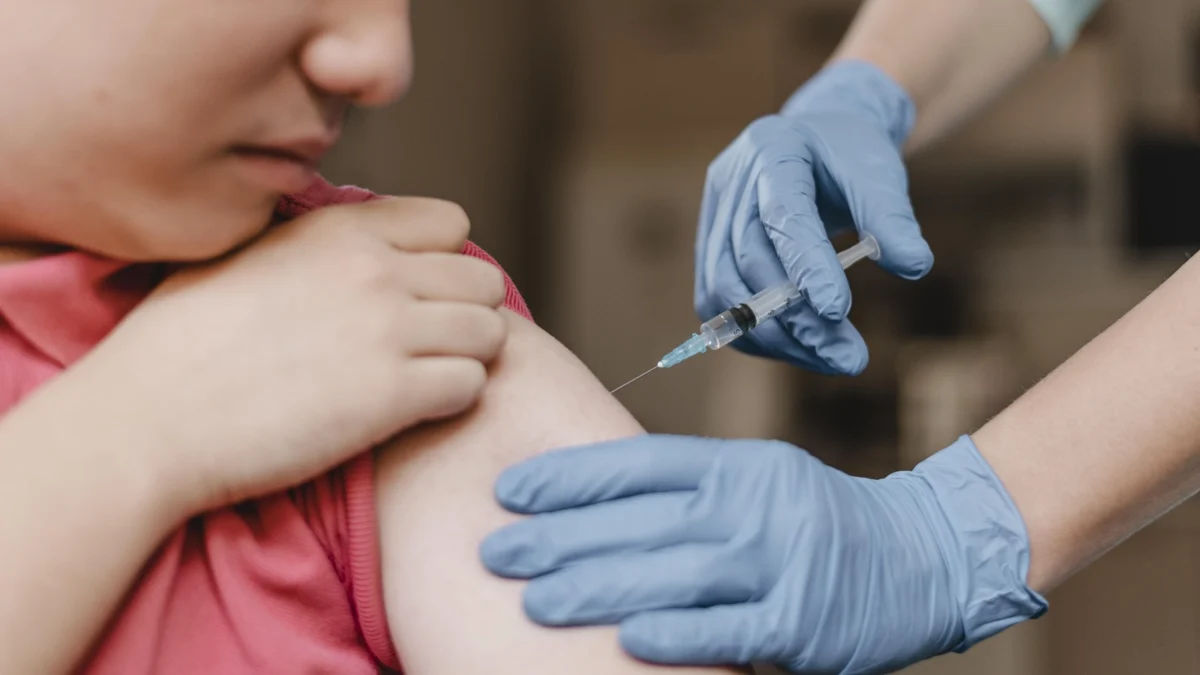
The scale of the recent infections in Karachi remains a developing concern, with health authorities working to ascertain the full extent of the outbreak. However, preliminary reports indicate a worrying number of children testing positive for HIV. Investigations, as highlighted by NPR, have consistently linked these new infections to lapses in sterilization and the reuse of medical equipment, particularly syringes and needles, in certain healthcare settings. This points to a systemic failure in adhering to fundamental principles of medical hygiene, which are designed to prevent the transmission of blood-borne pathogens like HIV.
The vulnerability of children in such scenarios is particularly acute. Their developing immune systems may be more susceptible to the rapid progression of the virus, and the emotional and psychological toll of a lifelong diagnosis at such a young age is immeasurable. The discovery of these infections triggers a ripple effect of fear and anxiety not only for the affected families but also for parents across the country who entrust their children’s health to medical professionals.
A Recurring Nightmare: Pakistan’s History with Pediatric HIV
This recent surge in Karachi is not an anomaly but rather a tragic continuation of a pattern that has plagued Pakistan. Previous outbreaks of HIV among children, often linked to similar unsafe medical practices, have been documented, yet the issue appears to persist. This suggests that while awareness might have been raised in the past, the implementation and enforcement of robust infection control measures have fallen short of what is required.
The persistence of these outbreaks points to several potential systemic issues:
- Inadequate Training and Awareness: Healthcare professionals, particularly in under-resourced areas, may not receive sufficient or up-to-date training on infection prevention and control (IPC) guidelines.
- Lack of Resources: Many healthcare facilities may lack the necessary equipment, infrastructure, or funding to ensure proper sterilization and waste disposal.
- Weak Regulatory Oversight: Insufficient monitoring and enforcement of IPC standards by regulatory bodies can allow substandard practices to continue unchecked.
- Socioeconomic Factors: Poverty and lack of access to quality healthcare can push individuals towards cheaper, often less safe, medical interventions.
The cyclical nature of these outbreaks demands a critical re-evaluation of the strategies employed to combat HIV transmission in Pakistan. A more proactive, sustained, and comprehensive approach is urgently needed to break this devastating cycle.
Understanding Pediatric HIV: A Clinical Perspective
To comprehend the gravity of the situation, it is crucial to understand the nuances of pediatric HIV, as explained by Dr. Vishal Jain, Lead Consultant, Paediatrics and Neonatology at CK Birla Hospital, Delhi. "HIV infection in children can remain clinically silent with no apparent signs of infection, which can make detection challenging," he notes. This asymptomatic period is a significant concern, as it allows the virus to progress undetected, potentially causing irreversible damage to the immune system.
Dr. Jain further elaborates on the specific vulnerabilities of infants and young children: "In the case of infants and small children, who are most likely infected during the process of childbirth, the infection tends to damage their immune system faster than in the case of many adults." This accelerated progression necessitates early and accurate diagnosis.
The World Health Organization (WHO) recommends early virological testing for HIV-exposed infants. "Early virological testing of HIV-exposed infants is recommended by WHO, including testing within the first weeks of life, since conventional serological tests cannot be used to confirm infection in children younger than 18 months," Dr. Jain advises. This is because infants born to HIV-positive mothers can have maternal antibodies, which might lead to false-positive results on standard antibody tests. Virological tests, which detect the virus itself, are essential for definitive diagnosis in this age group.
Warning Signs for Parents and Pediatricians
While pediatric HIV can be clinically silent, certain warning signs can prompt further investigation. Dr. Jain outlines several indicators that parents and pediatricians should be vigilant about:
- Failure to Thrive: This encompasses slow growth, weight loss, or a persistent lack of weight gain.
- Recurrent Infections: Children may experience frequent and severe bacterial infections, such as pneumonia, ear infections, or skin infections.
- Chronic Diarrhea: Persistent, watery stools that do not resolve with standard treatments can be a sign of compromised immunity.
- Oral Thrush: A persistent yeast infection in the mouth, which can be difficult to clear.
- Enlarged Lymph Nodes: Swollen glands, particularly in the neck, armpits, and groin, that do not subside.
- Delayed Developmental Milestones: Children may fall behind their peers in reaching developmental milestones.
- Fever: Prolonged or recurrent fever without an identifiable cause.
However, Dr. Jain emphasizes a critical caveat: "These signs do not necessarily indicate HIV infection as they may also occur in case of other common illnesses among children." This underscores the importance of a thorough medical evaluation and appropriate diagnostic testing rather than jumping to conclusions.
The Critical Intersection: Age, Source, and Prevention
Dr. Jain highlights that pediatric HIV differs from adult HIV primarily in the significance of the age at infection and the mode of transmission. While adults often contract HIV through sexual contact, children can acquire the virus through several pathways:
- Vertical Transmission: This is the most common route for pediatric HIV and occurs when an HIV-positive mother transmits the virus to her child during pregnancy, childbirth, or breastfeeding.
- Unsafe Medical Practices: As seen in the Karachi outbreak, the use of contaminated needles and syringes, unsterilized medical equipment, and unscreened blood transfusions can lead to HIV transmission.
- Blood Transfusions: While rare in countries with robust blood screening protocols, transfusions with infected blood can transmit the virus.
"The infection can occur during pregnancy, childbirth, or breastfeeding, but also through contact with infected blood or through medical equipment which was not properly sterilised," Dr. Jain elaborates. "In case of children who were infected around the time of birth, the progress of the illness is fast in the absence of treatment."
The Imperative of Safe Healthcare Practices
The most effective strategy for preventing HIV transmission in children, particularly in the context of medical interventions, lies in the strict adherence to safe healthcare practices. Dr. Jain provides clear guidelines:
- Universal Precautions: Every healthcare provider must consistently follow universal precautions, assuming all blood and body fluids are potentially infectious.
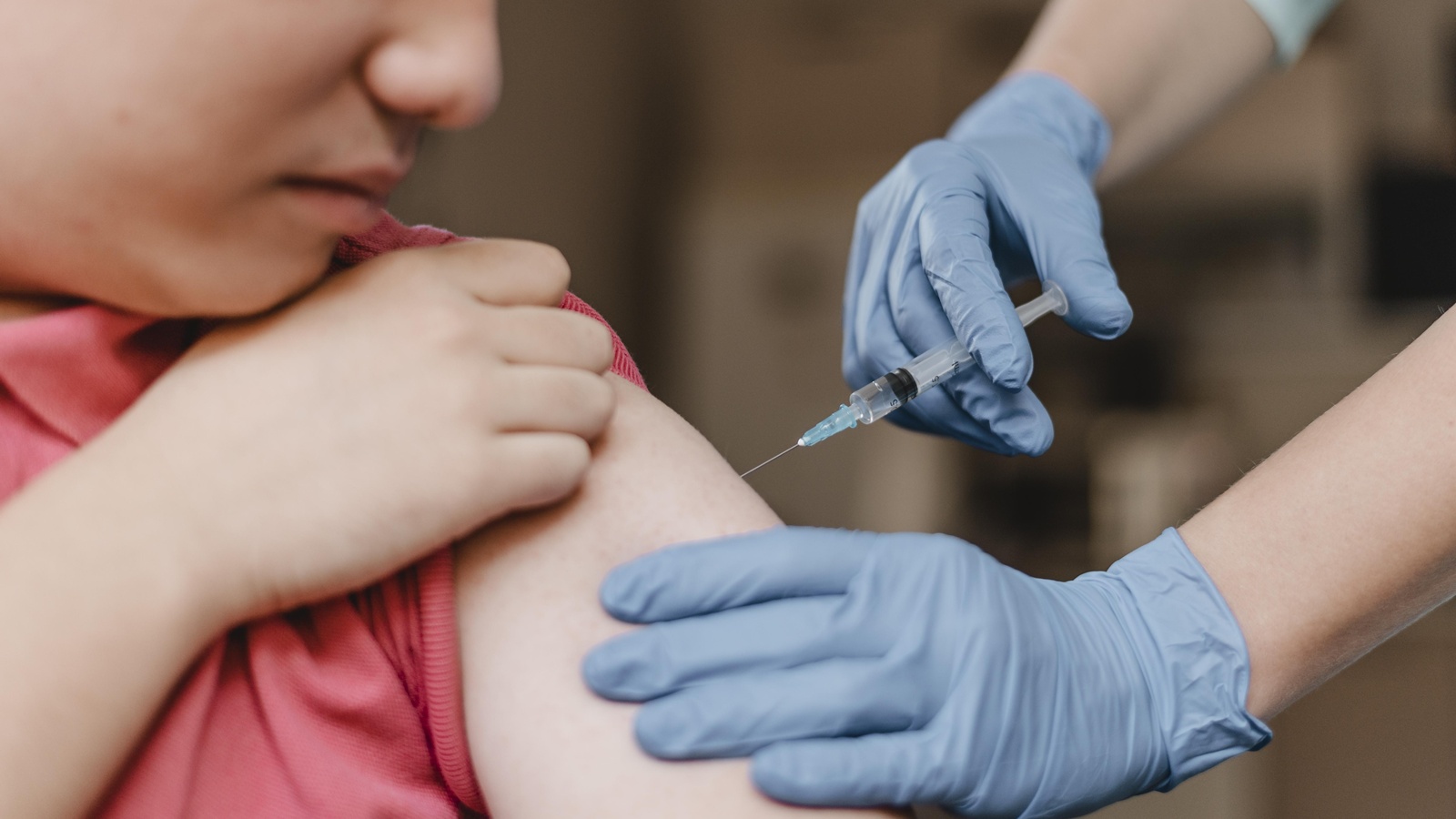
- Sterile Syringes and Needles: "Namely, each injection must use a new sterile syringe and needle," Dr. Jain stresses. This is a fundamental, non-negotiable practice.
- Blood Safety: "Proper screening of blood and blood products is crucial," he adds. This ensures that blood transfusions are safe and free from HIV and other transmissible infections.
- Sterilization of Medical Equipment: All reusable medical instruments must undergo thorough sterilization processes according to established protocols.
- Parental Empowerment: Dr. Jain encourages parents to be proactive and informed. "It is also important for parents to feel safe asking whether the equipment used in injections is new and sterile." This fosters accountability and encourages healthcare providers to maintain high standards.
Combating Stigma: Love, Not Isolation
Beyond the medical and procedural aspects, Dr. Jain emphasizes the critical need to address the social and emotional well-being of children living with HIV. He firmly states, "The doctor reiterates that it is important we do not make children feel afraid of HIV unnecessarily."
The misconceptions surrounding HIV transmission are a significant source of stigma and discrimination. Dr. Jain clarifies: "HIV cannot be contracted from hugging, playing, eating together, or even ordinary household contact." These are all common modes of social interaction that should remain unaffected by a child’s HIV status.
"The child who has HIV requires medical attention, therapy, and love – not isolation and discrimination," he concludes with conviction. This message is vital for fostering an inclusive and supportive environment for children living with HIV, allowing them to lead fulfilling lives.
A Call to Action: Prevention as the Ultimate Cure
The recurring outbreaks of pediatric HIV in Pakistan, particularly the recent concerning developments in Karachi, serve as a grave warning. While medical advancements offer treatment and management strategies, the most effective weapon remains prevention.
The responsibility lies with multiple stakeholders:
- Government and Health Authorities: They must invest in robust public health infrastructure, enforce stringent IPC regulations, provide adequate resources to healthcare facilities, and conduct regular audits and inspections. Comprehensive training programs for healthcare professionals are essential.
- Healthcare Providers: Adherence to established IPC protocols must be unwavering. A culture of safety and accountability needs to be fostered within all medical institutions.
- Parents and Guardians: Staying informed about child health, practicing safe healthcare behaviors, and advocating for their children’s well-being are crucial.
- Civil Society Organizations: These organizations play a vital role in raising awareness, combating stigma, and supporting affected families.
As Dr. Jain aptly concludes, "Prevention is better than cure, and this applies to HIV the most." The recent events in Karachi are a somber testament to this truth. By prioritizing rigorous infection control, investing in healthcare infrastructure, and fostering a society free from stigma, Pakistan can work towards eradicating the preventable transmission of HIV and ensuring a healthier future for its children. The time for decisive action is now, to transform this recurring nightmare into a distant memory.
