


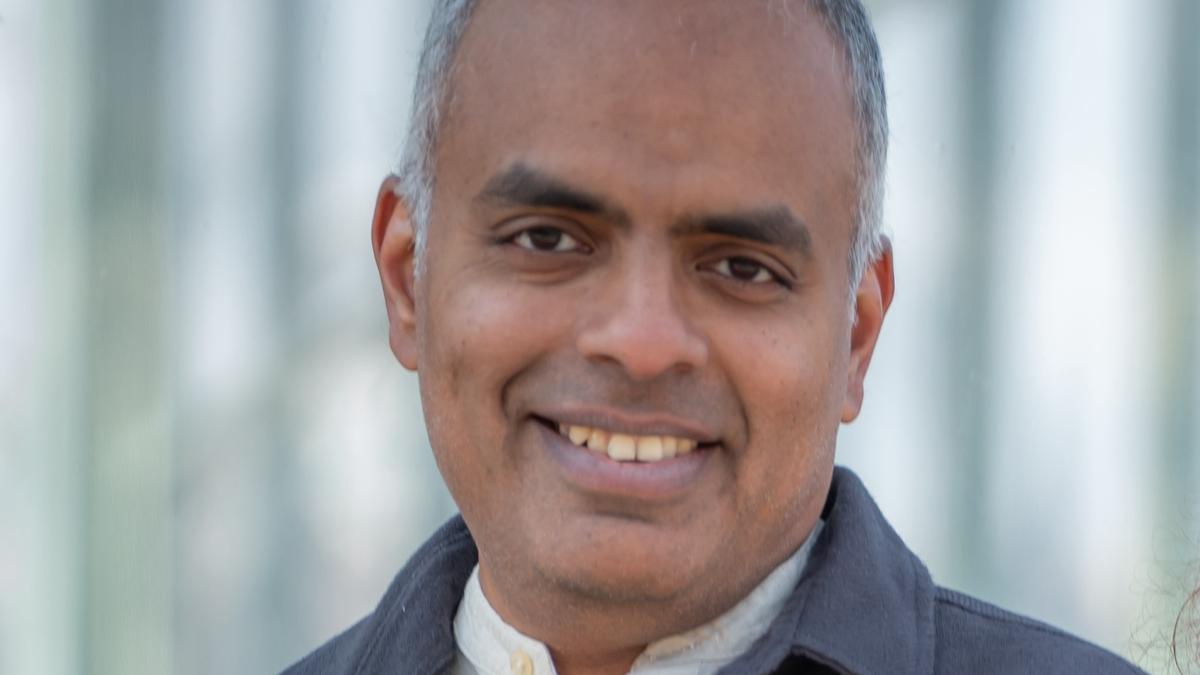
In a world increasingly prioritizing physical well-being, a growing movement is turning its attention inward, focusing on the cultivation of a resilient and thriving mind. At the forefront of this shift is Ashwin Srisailam, a former monk whose extraordinary life journey, marked by encounters with global icons like Michael Jackson and Rick Allen, has culminated in the co-founding of Ahhaa, an innovative wellness app dedicated to "mind fitness." This article delves into Srisailam’s remarkable path, the philosophical underpinnings of Ahhaa, and its ambitious vision for mental and emotional well-being.
The Unconventional Genesis of a Mind Fitness Advocate
Ashwin Srisailam’s story is not one of a conventional career trajectory. At the tender age of 13, he embarked on a spiritual quest, finding his way to a monastery in Andhra Pradesh, India. This decision marked the beginning of a profound immersion into practices that would shape his understanding of the human mind and its potential. His monastic life, which he fondly refers to as his "gurukul" experience, became a crucible for introspection and learning, forging a deep connection with spiritual teachings that would later inform his professional endeavors.
This period of intense spiritual discipline and self-discovery, however, did not confine him to cloistered contemplation. Instead, it served as an unexpected launchpad for extraordinary connections. It was through this spiritual community that Srisailam encountered Rick Allen, the indomitable one-armed drummer of the legendary rock band Def Leppard. Allen, who was grappling with the aftermath of a life-altering car accident, sought solace and strength at the same monastery. Srisailam recalls meeting Allen during a pivotal period of his healing and recovery, witnessing firsthand the drummer’s remarkable resilience and unwavering determination to continue his musical passion. This encounter, Srisailam notes, solidified his belief in the power of the mind to overcome adversity, a principle that would become central to his philosophy.
His connections did not end with musicians. The narrative of Srisailam’s life takes an even more astonishing turn with his association with the King of Pop, Michael Jackson. Through a serendipitous chain of events involving a visitor to the monastery and Jackson’s nanny, Srisailam found himself in communication with the global icon. For nearly three years leading up to Jackson’s untimely death, Srisailam engaged in conversations with the pop star, offering insights and perspectives that resonated deeply with Jackson’s own personal quests. Jackson, Srisailam reveals, was particularly preoccupied with the impact of his performances, expressing a profound desire for his massive audiences to experience a positive and transformative emotional shift, leaving them feeling more peaceful, happier, and connected. These interactions, born from a spiritual foundation, underscored for Srisailam the universal human yearning for inner peace and well-being, regardless of one’s public stature.
The Birth of Ahhaa: A Technological Bridge to Mind Fitness
Now 46, Ashwin Srisailam has transitioned from his monastic life to a full-fledged career dedicated to what he terms "mind fitness." This journey led him to co-found Ahhaa, a wellness app, with Diane Bacchus. Bacchus, a spoken-word artist, shared Srisailam’s passion for running marathons and public speaking, creating a natural synergy that propelled their collaboration.
Their meeting in 2012 in New York, at an event where both were speakers, marked the inception of their partnership. "I was fascinated when I heard Ashwin talking," Bacchus shares. "We soon became friends and started finding ways to propagate mind fitness through technology, and that’s how Ahhaa was born in 2017." This shared vision aimed to leverage technology to make the principles of mental and emotional well-being more accessible and integrated into daily life.
The Philosophy of Awareness: Deconstructing Ahhaa’s Approach
At its core, Ahhaa is rooted in the profound observations and teachings Srisailam gleaned from his extensive spiritual practices. "One of our biggest philosophies is awareness," Srisailam emphasizes. He elaborates on the practical challenges individuals face in dedicating time to traditional wellness practices. "We can’t necessarily expect people to find time to meditate, go to a seminar, or listen to a podcast and then feel better." Ahhaa’s innovative approach seeks to bridge this gap by integrating mindfulness into the fabric of everyday life.
The app functions by encouraging users to record the awareness of daily life moments. This data is then analyzed to identify patterns that contribute to habits. Srisailam distinguishes their approach by coining the term "mind fitness," drawing a parallel to the well-established concept of physical fitness. "We want people to understand what it is like to have a fit mind, through the concept of a fit body," he explains. Just as a fit body is tracked through metrics like BMI and calories burned, a fit mind, according to Ahhaa, can be understood through the consistent observation and recording of one’s mental and emotional states throughout the day.
Mind Fitness as a Daily Discipline: The Ahhaa Mechanism
Ahhaa’s methodology is built on the principle of making the intangible tangible. Srisailam uses relatable examples to illustrate this point, likening the dopamine hit derived from small achievements to the insights gained from observing one’s mind during daily chores. "You’re basically doing what you would do through the day, but Ahhaa, as a tool, makes you mindful of those activities and then creates a dashboard around your mind’s and day’s patterns," he states.
Diane Bacchus further elucidates this process, drawing an analogy to fitness tracking apps like Strava. "It’s making you intentional," she notes. "It’s a lot like recording your workout on Strava. The extra effort to feed that data into the app doesn’t feel like an effort the moment you feel rewarded." Ahhaa incorporates a reward mechanism designed to reinforce positive engagement. "So there’s a dashboard that rewards you, makes you feel like you’re just becoming fitter by the day. Once the reward mechanism kicks in, people get addicted," Ashwin adds, highlighting the app’s gamified approach to habit formation.
The app encourages users to log their thoughts, emotions, and reactions to various daily events. This data, when aggregated and analyzed, provides a personalized "dashboard" of an individual’s mental landscape. By understanding these patterns, users can begin to identify triggers for negative emotions, cultivate more positive responses, and develop a greater sense of self-awareness and control over their mental state. The aim is not to eliminate challenges but to equip individuals with the tools to navigate them more effectively, fostering a proactive approach to mental well-being.
Supporting Data and the Power of Habit Formation
The efficacy of Ahhaa’s approach is rooted in established psychological principles of habit formation and behavioral change. The app’s design leverages the concept of "habit stacking," where new behaviors are linked to existing ones, making them easier to adopt. By integrating mindfulness practices into daily routines, Ahhaa aims to create sustainable changes in user behavior.
The reward system within the app is a crucial component of this strategy. Positive reinforcement, whether through virtual badges, progress tracking, or personalized insights, plays a significant role in motivating users to continue their engagement. This gamified approach taps into intrinsic motivation, making the process of self-improvement more engaging and less like a chore. Research in behavioral psychology consistently demonstrates that consistent positive reinforcement is a powerful driver of habit formation, a principle that Ahhaa strategically employs.
Furthermore, the app’s emphasis on data collection and pattern recognition aligns with the growing field of data-driven wellness. By providing users with objective insights into their own mental patterns, Ahhaa empowers them to make informed decisions about their well-being. This objective feedback loop allows individuals to move beyond subjective feelings and gain a more concrete understanding of their mental and emotional landscape.

Official Responses and the Broader Mental Wellness Landscape
While Ahhaa represents a novel approach, it enters a burgeoning global market for mental wellness solutions. Governments and public health organizations worldwide are increasingly recognizing the critical importance of mental health, leading to greater investment in research, awareness campaigns, and the development of accessible support systems.
The World Health Organization (WHO) has long advocated for integrated approaches to mental health, emphasizing the need to address mental well-being as a fundamental aspect of overall health. Organizations like the National Alliance on Mental Illness (NAMI) in the United States and similar bodies in other countries are actively working to destigmatize mental health issues and promote access to care.
Ahhaa’s model, by focusing on preventative "mind fitness" rather than solely on treating existing conditions, aligns with a growing trend towards proactive wellness. This shift from a reactive to a proactive approach is seen as a crucial step in building more resilient communities and reducing the long-term burden of mental health challenges. The app’s emphasis on daily integration and self-awareness could serve as a valuable tool for individuals seeking to enhance their emotional regulation, stress management, and overall psychological resilience.
Implications for the Future of Well-being
Ashwin Srisailam’s journey from a monastery in Andhra Pradesh to the digital realm of mind fitness is a testament to the enduring power of self-discovery and the transformative potential of integrating ancient wisdom with modern technology. Ahhaa, born from this unique synthesis, offers a compelling vision for how individuals can cultivate a healthier and more fulfilling mental life.
The app’s philosophy of awareness, coupled with its innovative technological approach, has the potential to democratize access to mental well-being tools. By making mind fitness a daily discipline, Ahhaa empowers individuals to take an active role in their own psychological health, fostering a sense of agency and self-efficacy.
As the world continues to grapple with the complexities of modern life, the importance of a fit mind will only continue to grow. Ashwin Srisailam and Diane Bacchus, through Ahhaa, are not just creating an app; they are pioneering a movement, offering a pathway to a more mindful, resilient, and ultimately, happier existence. Their work serves as a powerful reminder that the pursuit of well-being is a lifelong journey, and that the most profound transformations often begin from within. The integration of spiritual insights with technological innovation, as exemplified by Ahhaa, holds immense promise for shaping the future of mental and emotional health on a global scale.
