

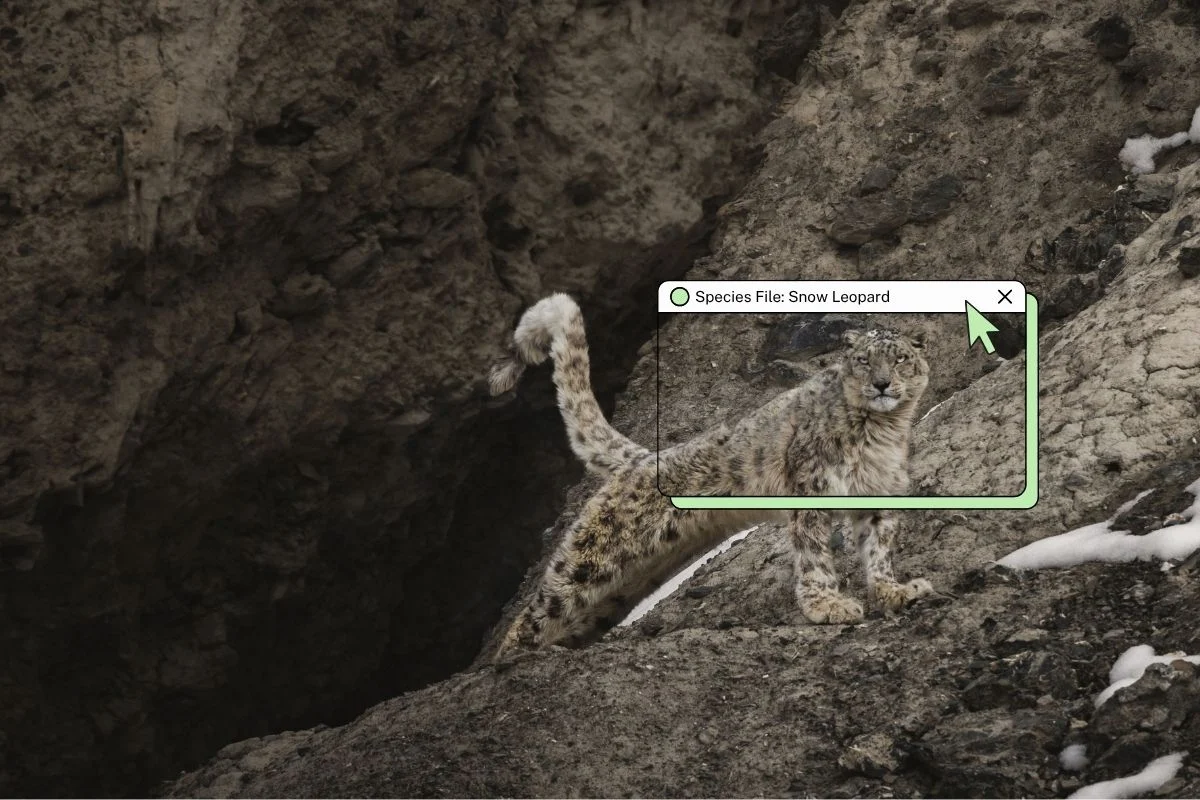
LEH, LADAKH – In the rarefied air of the Trans-Himalayas, where the jagged peaks of the Karakoram meet the vast Tibetan Plateau, a silent conflict is brewing. Ladakh, the Union Territory often called the "Land of High Passes," is home to the world’s most significant contiguous habitat for the snow leopard (Panthera uncia). However, a recent proposal by the regional administration to introduce guided high-altitude wildlife safaris along established snow leopard trails has ignited a fierce debate between economic developers and conservationists.
At the heart of the controversy is a fundamental question: Can the "Ghost of the Mountains" coexist with a formalized tourism industry, or will the footfalls of progress drive this elusive apex predator further into the shadows of extinction?
Main Facts: The Safari Proposal and the Ecological Stakes
The Ladakh administration recently announced plans to launch India’s first high-altitude wildlife safari. The initiative aims to provide regulated access to the rugged wilderness areas where snow leopards are known to roam. Proponents argue that such safaris will boost the local economy, provide livelihoods for Ladakhi youth, and generate funds for conservation.
However, the scientific community has raised an immediate red flag. Unlike the sprawling grasslands of Kaziranga or the deciduous forests of Ranthambore, the high-altitude desert of Ladakh is an incredibly fragile ecosystem. The snow leopard, a creature defined by its solitary nature and extreme sensitivity to human presence, occupies a niche that may not withstand the pressures of motorized tourism and increased human traffic.
Ladakh holds a unique position in global biodiversity. It serves as the primary stronghold for the snow leopard in India, hosting the largest connected landscape for the species. Conservationists warn that opening these "fragile high-altitude wilderness routes" could lead to habitat degradation, the disturbance of breeding patterns, and a potential increase in human-wildlife conflict as the cats are pushed out of their traditional hunting grounds.
Chronology: From Elusive Phantom to Tourism Target
The journey of the snow leopard from a mythic mountain spirit to a focal point of government policy has been a decades-long evolution.
1. The Era of Mystery (Pre-2000s)
For most of the 20th century, the snow leopard remained largely unstudied. Its habitat—ranging from 3,000 to over 5,000 meters above sea level—was considered too inhospitable for consistent research. Sightings were rare, and the species earned its moniker, "Ghost of the Mountains," due to its uncanny ability to vanish into the rocky terrain.
2. The Rise of Community Conservation (2000–2015)
Recognizing that snow leopards often preyed on local livestock, organizations like the Nature Conservation Foundation (NCF) and the Snow Leopard Conservancy began working with Ladakhi communities. They introduced "Himalayan Homestays," which turned the predator into a source of income through eco-tourism, albeit on a small, community-managed scale.
3. The Scientific Turning Point (2019–2024)
The Indian government launched the Snow Leopard Population Assessment in India (SPAI). This was the first systematic effort to count the species using camera traps and genetic analysis. The results, released in early 2024, provided the first concrete data set, estimating India’s population at 718 individuals.
4. The 2024-2025 Policy Shift
Buoyed by the population data and the success of small-scale winter tourism in places like Hemis National Park, the Ladakh government moved to formalize a "safari" model. This shift from community-led trekking to government-guided safaris marks a significant change in how the wilderness is managed, leading to the current friction with environmental advocates.
Supporting Data: The Biology and Biogeography of the Snow Leopard
To understand why conservationists are concerned, one must look at the biological requirements of Panthera uncia.
Physical Adaptations
The snow leopard is a masterpiece of evolutionary engineering. Its thick, pale grey coat, adorned with dark rosettes, provides near-perfect camouflage against the granite cliffs and snowfields of the Himalayas. Its most striking feature—a tail that can be as long as its body—serves two purposes: it acts as a counterbalance when the cat makes 30-foot leaps across ravines, and it functions as a portable heater when wrapped around the body during sleep.
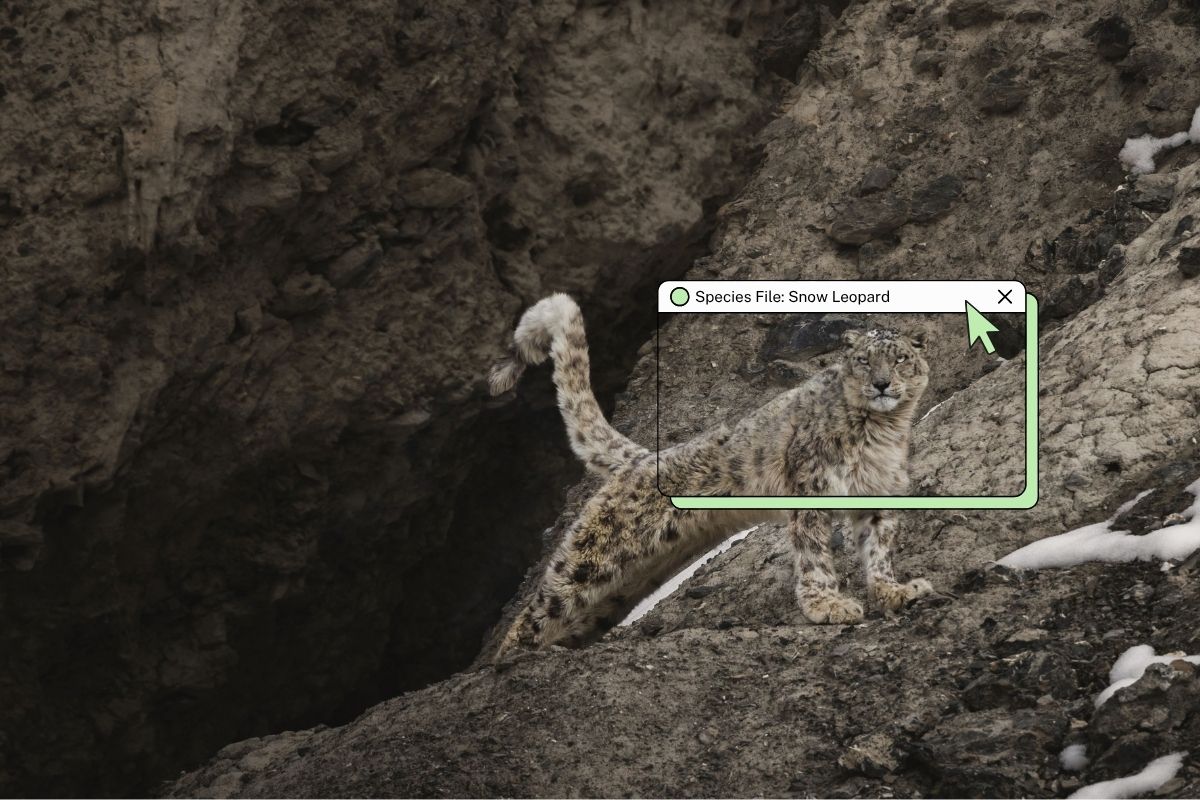
Crucially, snow leopards cannot roar. Due to the morphology of their larynx, they communicate through growls, chuffs, and high-pitched yowls. This biological trait underscores their nature as a "quiet" species, one that relies on the silence of the mountains to hunt and survive.
Population Dynamics
The SPAI report (2024) and subsequent updates in 2025 have provided a clearer picture of the species’ status:
- India Total: 718 individuals.
- Ladakh Distribution: The Union Territory hosts approximately 477 of these cats, making it the most critical region for the species’ survival in India.
- Global Context: The IUCN estimates between 3,386 and 4,000 mature individuals remain in the wild globally.
Legal Status
In India, the snow leopard is granted the highest level of legal protection under Schedule I of the Wildlife Protection Act (1972). Internationally, it is listed as "Vulnerable" on the IUCN Red List. These designations mean that any project—including tourism—that might negatively impact the species must undergo rigorous scrutiny.
Official Responses: The Debate Over "The Kaziranga Model"
The proposal has drawn sharp criticism from veteran scientists who argue that the government is attempting to apply a "one-size-fits-all" safari model to a landscape that cannot support it.
Yadvendradev Jhala, a senior scientist with the Indian National Science Academy (INSA), has been vocal about the risks of habitat fragmentation. In a report published in July 2025, Jhala emphasized the connectivity of the Ladakh landscape. "Our findings show Ladakh’s snow leopard population is contiguous; it connects with populations in China, Tibet, Nepal, Pakistan, and the Karakoram," he stated. "Any new infrastructure must be planned with care to ensure it doesn’t fragment this vital corridor."
The primary concern among experts is the comparison to other Indian parks. "Ladakh is no Kaziranga," conservationists have warned in public statements. While Kaziranga can handle hundreds of jeeps a day due to its high biomass and resilient grassland, the Trans-Himalayan desert has a very low "carrying capacity." Vegetation is sparse, prey species like the Blue Sheep (Bharal) and Asiatic Ibex are easily spooked, and the tracks left by vehicles in high-altitude soil can take decades to heal.
Government officials, however, maintain that the safaris will be "guided" and "regulated." They argue that by creating official routes, they can actually reduce the "unregulated" tourism that currently exists, where private photographers often chase cats across the landscape without oversight.
Implications: The Long-Term Survival of the High-Altitude Ecosystem
The decision regarding these safaris carries weight far beyond the borders of Ladakh. The implications are three-fold:
1. Ecological Balance
As an apex predator, the snow leopard regulates the population of mountain ungulates. If the leopards are displaced by tourism, the resulting overgrazing by Bharal and Ibex could lead to the collapse of the fragile mountain flora, which in turn affects the water cycles of the rivers that feed millions of people downstream.
2. The Threat of Infrastructure and Climate Change
The safari proposal does not exist in a vacuum. It coincides with massive infrastructure projects, including new roads, dams, and solar power plants in regions like Spiti. The cumulative impact of these projects, combined with climate-driven changes—such as the "greening" of the Himalayas where the treeline moves higher and shrinks the leopard’s rocky habitat—creates a "perfect storm" for the species.
3. The Future of Eco-Tourism
If the Ladakh government proceeds, it must decide between a "mass tourism" model and a "high-value, low-impact" model. The current community-led conservation efforts, particularly those involving Ladakhi women who manage homestays and act as guides, have proven that conservation can be profitable. Expanding this into a mechanized safari model risks sidelining these local stakeholders in favor of large tour operators.
Conclusion
The snow leopard remains a symbol of the wild, untamed spirit of the Himalayas. As Ladakh stands at a crossroads, the world watches to see if the Union Territory will choose the path of rapid commercialization or if it will remain a sanctuary for the "Ghost of the Mountains." The survival of Panthera uncia depends not just on protecting the cat itself, but on preserving the silence and the vastness of the landscape it calls home. Any plan to bring the world to the snow leopard must be handled with the same stealth and care that the cat uses to navigate the cliffs of the Karakoram.
