

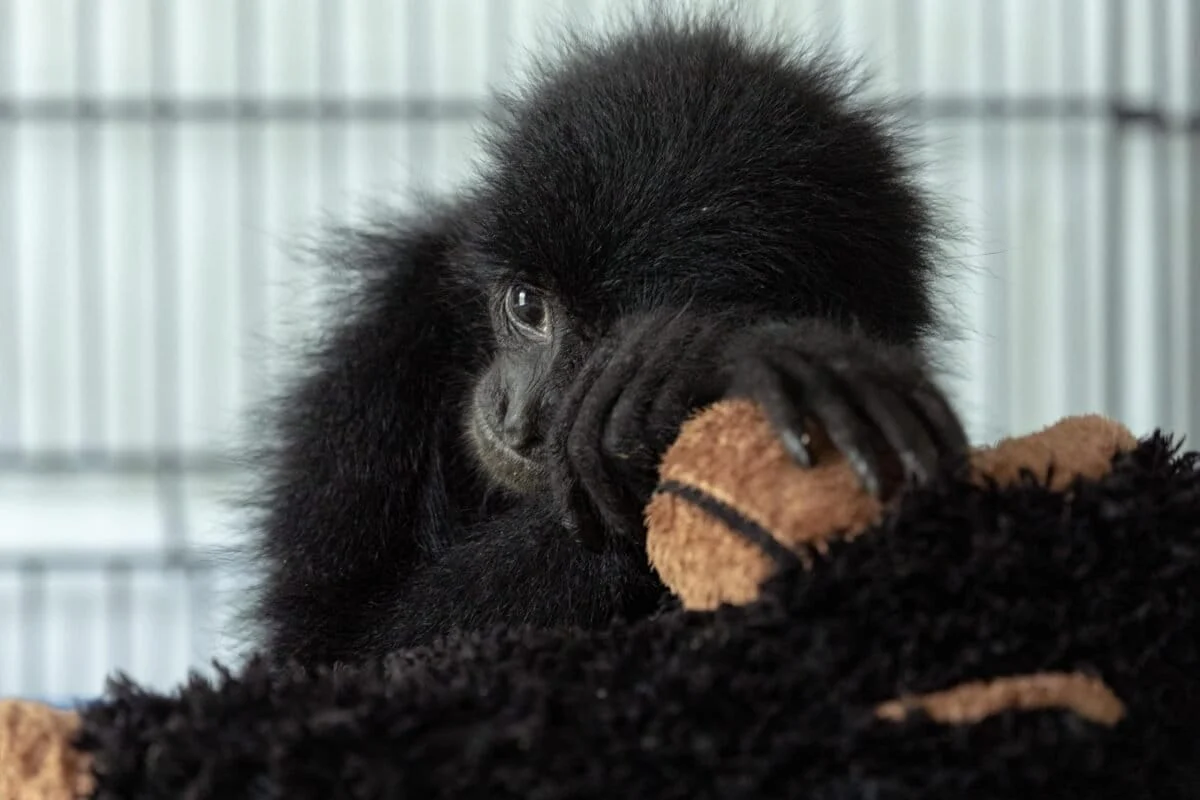
New Delhi, India — What begins as a quest for the "cool," the "unusual," or the "cute" is rapidly transforming into one of India’s most pressing environmental and public health challenges. As thousands of exotic animals—ranging from neon-colored iguanas to venomous African vipers—enter Indian households, a secondary crisis is unfolding: a wave of abandonment that threatens to permanently alter the country’s delicate ecosystems.
This report, the third in a comprehensive series on the exotic wildlife trade, examines the trajectory of animal ownership in India, the psychological drivers of the market, and the devastating ecological consequences of introducing non-native species into the Indian wild.
Main Facts: The Scale of a Hidden Industry
For decades, the trade in exotic pets in India operated in the shadows, a niche hobby for the ultra-wealthy or specialized collectors. However, recent data suggests the industry has moved firmly into the mainstream. In 2020, the Indian government introduced a Voluntary Disclosure Scheme, allowing citizens to declare possession of exotic species without fear of prosecution. The results were staggering: over 40,000 individuals across 30 states and union territories declared ownership of exotic pets.

According to a 2024 report by Humane World for Animals, this figure likely represents only the "tip of the iceberg," as many owners remain wary of government oversight or are unaware of the registration requirements. The trade is no longer confined to major metros like Mumbai and Delhi; it has permeated Tier-2 and Tier-3 cities, fueled by a sophisticated network of breeders, smugglers, and digital marketplaces.
The diversity of the trade is equally vast. While birds and small mammals remain popular, there is a surging demand for reptiles and primates. However, as these animals grow, age, or become aggressive, the "novelty" frequently wears off, leading to a silent but steady stream of animals being dumped into local ponds, forests, and urban wastelands.
Chronology: From Disclosure to Disaster
The evolution of India’s exotic pet crisis can be traced through several key milestones:

- 2018–2020: The Surge in Smuggling. Customs authorities at Chennai and Tiruchirappalli international airports reported a massive spike in seizures. During this window alone, 12,385 red-eared sliders were intercepted. Their small size and high survival rate during transit made them the "commodity of choice" for international traffickers.
- June 2020: The Voluntary Disclosure Scheme. The Ministry of Environment, Forest and Climate Change (MoEFCC) issued an advisory for the disclosure of exotic live species. This provided the first real statistical baseline for the scale of the trade in India.
- September 2023: The Viral Warning. A video of a massive Burmese python dangling from a Mumbai apartment balcony went viral. The incident served as a public wake-up call regarding the presence of large, potentially dangerous constrictors in high-density urban environments.
- July 2024: Record Seizures. Chennai Customs seized 402 baby iguanas arriving from Bangkok, including the critically endangered Blue Iguana (Cyclura lewisi). The seizure highlighted the persistent role of Southeast Asian hubs in feeding the Indian market.
- January 2026 (Study Release): A landmark study in Kerala revealed that nearly 16% of exotic turtle owners admitted to releasing their pets into natural water bodies once the animals became too large or difficult to manage.
Supporting Data: Why India is Buying Exotic
To understand the ecological risk, one must first understand the consumer. Research into the psychology of exotic pet ownership suggests a complex mix of social status and emotional void-filling.
1. The "Cool" Factor and Social Media
Conservation researcher Uttara Mendiratta notes that many buyers are driven by a desire for exclusivity. Owning a marmoset or a rare macaw provides social capital in the age of Instagram and TikTok. Social media platforms act as both a gallery for showing off "cool" pets and a marketplace where sellers can bypass traditional regulations.
2. The "Iyashi" and "Kawaii" Phenomena
Drawing on consumer studies from Japan, researchers find that many buyers seek Iyashi (mental healing) and are drawn to the Kawaii (cuteness) of juvenile animals. In India, this is reflected in the 2026 Kerala study, which found that 54.8% of respondents cited "personal interest" as their primary motive, while 55% of exotic turtles were purchased specifically for children.

3. The Reality Gap
The primary driver of abandonment is the "Reality Gap." A hatchling red-eared slider is the size of a coin; an adult can reach 12 inches and live for 30 years. A juvenile iguana is docile; a sexually mature male can become highly aggressive and reach six feet in length. When veterinary costs rise or the animal outgrows its enclosure, the "healing" pet becomes a logistical and financial burden.
Ecological Consequences: The Invaders and the Vacuums
The impact of the exotic pet trade is a "double-edged sword" that harms both the source ecosystems and the new environments where animals are released.
The Threat of Invasive Species
The Red-Eared Slider (Trachemys scripta elegans) has been designated by the IUCN as one of the "World’s Worst Invasive Alien Species." In India, they have already been recorded in water bodies across Gujarat, Karnataka, West Bengal, and Telangana.

- Competition: They outcompete native Indian turtles, such as the Indian Flapshell, for basking sites and food.
- Dietary Shift: As they mature, their diet shifts from carnivorous to omnivorous, allowing them to devastate local populations of fish, amphibians, and aquatic plants.
- Pathogens: They are known carriers of Salmonella and other pathogens that can jump to native wildlife and humans.
Similarly, the Green Iguana poses a significant threat to India’s tropical regions. A 2025 modeling study found that vast tracts of India are climatically suitable for iguanas to establish wild populations, where they could devastate local crops and displace native lizards.
The "Empty Forest" Syndrome
Conversely, the removal of animals from their native habitats—particularly in Southeast Asia and South America—creates ecological vacuums. Primates like gibbons and orangutans are essential seed dispersers. Their removal leads to a decline in forest regeneration, affecting carbon storage and the overall health of the rainforest. When a baby gibbon is sold as a pet in India, it often represents the death of its mother and the loss of decades of ecological service to its home forest.
Official Responses and Legal Gaps
India’s legal framework is currently struggling to keep pace with the speed of the trade.

The Role of the Central Zoo Authority (CZA)
The CZA provides guidelines for zoos to take in rescued or abandoned exotic animals. However, these facilities are often at capacity. As Pawan Sharma of RAWW (Resqink Association for Wildlife Welfare) points out, "Acceptance depends on the zoo’s facilities and the animal’s legal status. We do not have the capacity to take a large number of abandoned animals indefinitely."
The Legislative Blind Spot
While the Wildlife Protection Act (WPA) was amended in 2022 to include CITES-listed species, there is still no formal designation for "Invasive Alien Species" among reptiles in India’s biodiversity legislation. This means that while it may be illegal to smuggle a slider, there is no clear national protocol for how to manage or humanely euthanize thousands of them once they are removed from a local lake.
Public Health and Antivenom
Perhaps the most terrifying trend is the rise of venomous exotic snakes. Sumanth Bindumadhav of Humane World for Animals warns that species like Black Mambas and Gaboon Vipers are being kept in Indian homes. "India does not have antivenoms for these species," he notes. "If one of these snakes escapes and bites a neighbor or a rescuer, the medical system is completely unprepared to treat them."

Implications: The Need for a National Surrender Policy
The current trajectory of the exotic pet trade in India is unsustainable. Experts argue that the country is facing a "biological time bomb." To mitigate this, several steps are urgently required:
- A National Surrender Policy: India needs a standardized, "no-questions-asked" surrender infrastructure. Without a safe way for owners to hand over unwanted animals, the default action will remain illegal release into the wild.
- Invasive Species Management: The government must formally designate high-risk species like the red-eared slider as "Invasive" to trigger funding for eradication and containment programs.
- Public Awareness Campaigns: The "deed of mercy"—releasing a pet into a lake—must be reframed through public education as an act of ecological vandalism.
- Strengthening Veterinary Infrastructure: There is a dire need for specialized quarantine and rescue centers that can house exotic species without risking the spread of zoonotic diseases to native wildlife.
As India continues to emerge as a major hub in the global wildlife trade, the cost of inaction is rising. The "cool" pet of today may well become the environmental catastrophe of tomorrow, proving that some animals are best admired from a distance, in the wild habitats where they truly belong.
