

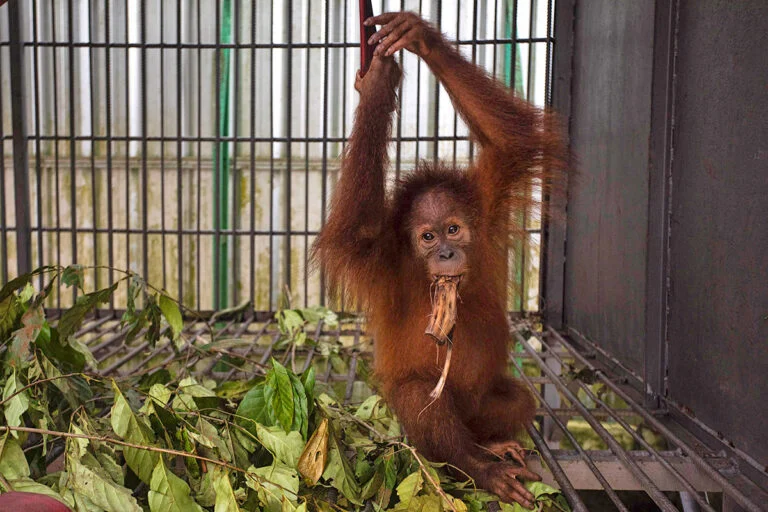
In the quiet suburbs of India’s Tier-1 cities, a new kind of status symbol is emerging. It is not a luxury car or a designer watch, but the rhythmic pulse of a green iguana, the vibrant plumage of a South American macaw, or the wide-eyed gaze of a sugar glider. Once the domain of specialized collectors, the possession of exotic wildlife has transitioned into a mainstream aspiration. However, beneath the surface of this growing trend lies a complex, often brutal, international machinery that transforms sentient beings from the world’s most biodiverse forests into domestic commodities.
The investigative series "From the Wild, For Trade" delves into the heart of this clandestine economy, tracing the journey of animals from their ancestral habitats through the labyrinthine corridors of global trafficking networks and eventually into the living rooms of Indian households.
Main Facts: The Commodification of the Wild
India’s exotic pet trade is no longer a fringe activity; it is a sophisticated industry fueled by high demand, digital connectivity, and significant legal ambiguities. The trade primarily targets non-indigenous species—animals not native to India—which, until recently, occupied a legal "grey zone" in Indian jurisprudence.
The Portals of Entry
The trade operates through two primary channels. The first is the legal import of captive-bred animals under the Convention on International Trade in Endangered Species of Wild Fauna and Flora (CITES). The second, and more pervasive, is the illegal "grey market," where animals are smuggled across porous borders, particularly the Indo-Myanmar border in the Northeast and the maritime routes through the southern coast.
Popular Species in Demand
The demand is diverse and dictated by social media trends. Key species include:
- Reptiles: Ball pythons, green iguanas, and various tortoise species.
- Birds: African grey parrots, macaws, and cockatoos.
- Small Mammals: Sugar gliders, marmosets, and even exotic felines like servals or caracals.
- Aquatics: Rare ornamental fish and the highly invasive red-eared slider turtle.
The Digital Storefront
The shift from physical "pet markets" to digital platforms has revolutionized the trade. Social media groups on Facebook, Instagram, and encrypted messaging apps like Telegram serve as unregulated marketplaces. Here, "unboxing" videos of exotic animals garner millions of views, further normalizing the ownership of wild animals and driving impulse purchases by uninformed buyers.
Chronology: The Evolution of a Crisis
The trajectory of the exotic pet trade in India has evolved from colonial-era menageries to a modern-day ecological challenge.
The Pre-2000s: The Era of Indigenous Exploitation
Historically, the Indian pet trade focused on indigenous species—star tortoises, parakeets, and local primates. However, the stringent implementation of the Wildlife Protection Act (WPA) of 1972 made the trade of Indian wildlife a high-risk criminal offense, pushing collectors toward "exotic" species that were not yet protected under Indian law.
2000–2018: The Rise of the Exotic Loophole
As India’s middle class grew, so did the appetite for "unique" pets. Because the WPA (1972) specifically protected Indian species, possessing a kangaroo or a Brazilian snake was technically not a violation of the Act. This loophole allowed the trade to flourish openly in markets like Kolkata’s Galiff Street and Mumbai’s Crawford Market.
2020: The Amnesty Turning Point
In June 2020, the Ministry of Environment, Forest and Climate Change (MoEFCC) issued an advisory for a "voluntary disclosure scheme." Concerned about zoonotic diseases following the COVID-19 outbreak and seeking to streamline CITES compliance, the government offered amnesty to citizens to declare their exotic pets without fear of prosecution. This move revealed the staggering scale of the trade, as tens of thousands of individuals came forward to register animals ranging from lemurs to rare tortoises.
2022–Present: The Legislative Shift
The Wildlife (Protection) Amendment Act, 2022, marked a seismic shift. For the first time, CITES-listed exotic species were brought under the ambit of Indian law. This move aimed to regulate the possession and trade of exotics, but it also created a scramble among traders to move stock before enforcement tightened.
Supporting Data: Mapping the Scale
The numbers behind the exotic pet trade are as staggering as they are alarming. According to data from the Directorate of Revenue Intelligence (DRI) and various wildlife NGOs, the influx of exotic animals into India has seen a sharp uptick in the last five years.
- The Amnesty Revelations: Following the 2020 MoEFCC advisory, over 32,000 Indians applied for amnesty, disclosing their possession of exotic species. This was widely considered the "tip of the iceberg," as many owners of high-value or illegally smuggled animals remained in the shadows.
- Seizure Statistics: In the Northeast, specifically Mizoram, seizures of exotic animals have become a weekly occurrence. In one notable 2022 bust, authorities recovered over 468 animals, including kangaroo rats, meerkats, and Burmese pythons, in a single consignment.
- Economic Value: The global illegal wildlife trade is estimated to be worth up to $23 billion annually. India has emerged as a significant transit and destination hub, with individual animals like the hyacinth macaw fetching prices upwards of ₹15–20 lakh (approx. $18,000–$24,000) in the Indian black market.
- Mortality Rates: Experts estimate that for every one exotic animal that survives the journey to a pet shop, five to ten others die due to the horrific conditions of transport—clamped in plastic pipes, stuffed into suitcases, or dehydrated in cargo holds.
Official Responses and Enforcement Gaps
The Indian government has recognized the escalating threat, but enforcement remains a game of cat and mouse.
The PARIVESH Portal
The government launched the PARIVESH portal to digitize the registration of exotic animals. By requiring owners to document the "lineage" and "source" of their pets, the state hopes to distinguish between legally bred animals and those smuggled from the wild.
Agency Crackdowns
The Directorate of Revenue Intelligence (DRI) and the Wildlife Crime Control Bureau (WCCB) have intensified operations at airports and land borders. "Operation Flashout" and other targeted stings have led to the arrest of international kingpins. However, officials admit that the vastness of the Indo-Myanmar border—spanning over 1,600 kilometers of mountainous terrain—makes total containment nearly impossible.
Legal Limitations
While the 2022 Amendment to the WPA is a milestone, critics argue that it primarily covers CITES-listed species. Many exotic animals not currently on the CITES appendices remain in a legal vacuum. Furthermore, there is a lack of specialized training for local police officers, who often cannot distinguish between a legally owned exotic pet and a smuggled endangered species.
Implications: The Hidden Costs of Captivity
The transformation of wildlife into commodities carries profound risks that extend far beyond the ethics of animal welfare.
1. The Zoonotic Threat
The COVID-19 pandemic served as a grim reminder of the dangers of close contact with wild animals. Exotic pets, often smuggled without veterinary screening or quarantine, can carry pathogens—including viruses, bacteria, and parasites—that are transmissible to humans. The "From the Wild, For Trade" series highlights the risk of "Disease X" emerging from the unregulated backyards of exotic pet collectors.
2. Ecological Sabotage: Invasive Species
When exotic pets become too large, expensive, or aggressive, they are often abandoned in local water bodies or forests. The red-eared slider turtle, a popular pet in India, has now become an invasive menace in Indian ponds, outcompeting local turtle species and devastating indigenous aquatic ecosystems. The introduction of non-native pathogens through these releases also threatens India’s native biodiversity.
3. Animal Welfare and the "Sanctuary Crisis"
Most exotic pets are ill-suited for domestic life. Macaws, which can live for 60 years and fly miles a day, are often confined to cages that barely allow them to stretch their wings. Sugar gliders, highly social nocturnal animals, suffer from severe depression when kept in isolation.
When these animals are seized by authorities, a new crisis begins. India’s zoos are already overcrowded, and there are few specialized rescue centers capable of caring for a kangaroo or a marmoset. Often, these "rescued" animals spend the rest of their lives in cramped holding facilities, victims of a trade they never asked to join.
4. The Erosion of Conservation
By creating a market for "exotic" beauty, the trade devalues animals in their natural habitats. It fosters a mindset where nature is something to be owned rather than protected. Every "rare" animal in an Indian living room represents a hole in the ecosystem of the Amazon, the Congo Basin, or the Australian Outback.
Conclusion: A Call for Conscious Ownership
The series "From the Wild, For Trade" serves as a sobering examination of a trend that is as dangerous as it is popular. While the allure of the exotic is powerful, the cost is paid in blood, biodiversity loss, and the risk of public health catastrophes.
As India tightens its legal frameworks, the ultimate solution lies in public awareness. The transition of wild animals from forest canopies to concrete cages is not a testament to a love for nature, but a symptom of its commodification. Until the demand for the "unusual" is replaced by a respect for the "wild," the silent caravans of smuggled wildlife will continue to cross our borders, carrying with them the heavy price of our curiosity.
