

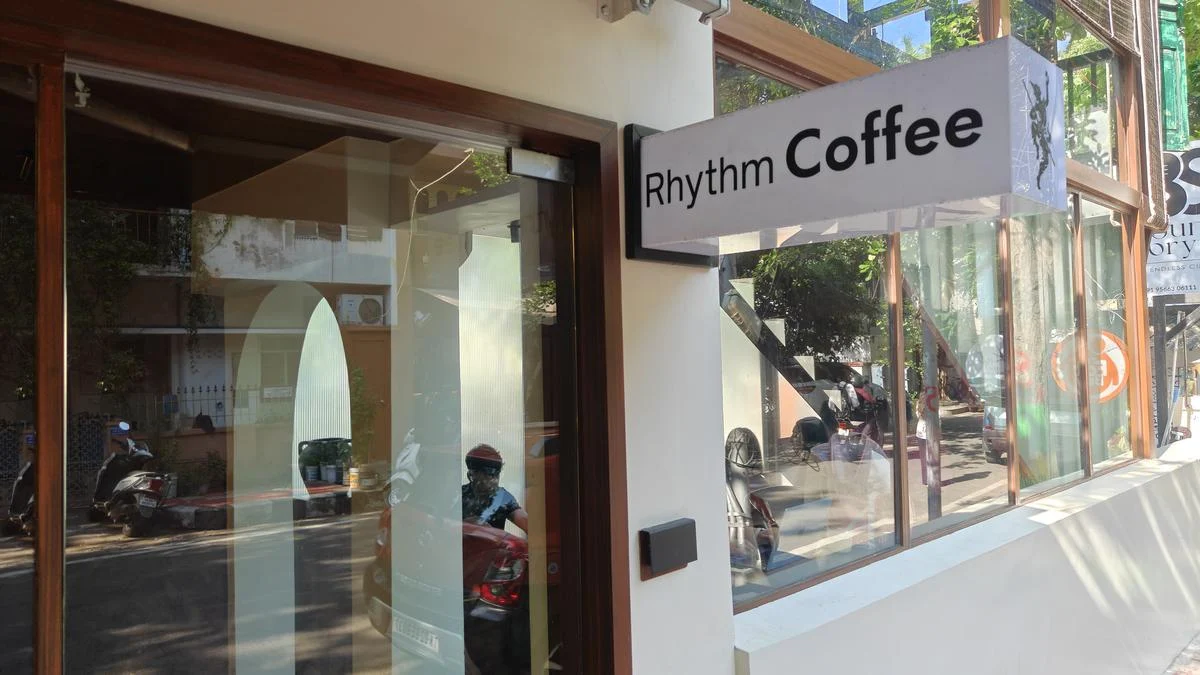
CHENNAI — In the leafy, upscale neighborhood of Alwarpet, where traditional filter coffee has long reigned supreme, a new architectural and culinary anomaly has surfaced. Tucked away like a "cupboard under the stairs"—a description that evokes the whimsical minimalism of the Harry Potter series—Rhythm Coffee is the latest entrant in Chennai’s rapidly evolving specialty coffee scene.
While social media influencers have been quick to label the establishment a "hidden gem," a term often overused in the digital age, Rhythm Coffee distinguishes itself through a rigorous commitment to bean provenance, innovative fermentation techniques, and a micro-retail model that prioritizes quality over square footage.
Main Facts: A Micro-Cafe with Macro Ambitions
Rhythm Coffee represents a shift in the urban retail strategy of Chennai’s food and beverage sector. Founded by Roshan A.S., a former corporate professional turned coffee aficionado, the cafe operates out of a remarkably compact space. With seating for only about six patrons, it challenges the traditional "third place" concept—the idea of a cafe as a sprawling communal living room—and instead focuses on the "coffee bar" experience common in high-density cities like Tokyo or Melbourne.
At a Glance:
- Location: Alwarpet, Chennai.
- Founder: Roshan A.S.
- Core Offering: Four rotating specialty roasts, artisanal pour-overs, and experimental caffeinated fusions.
- Price Point: Approximately ₹350 per beverage.
- Signature Drinks: Blanc 2.0 (a citrus-infused cold brew), Orange Pound Cake Latte, and Mango Matcha.
The cafe’s arrival comes at a time when Chennai’s palate is diversifying. Long known as the capital of South Indian filter coffee (a blend of coffee and chicory), the city is now embracing "Third Wave Coffee," a movement that treats coffee as an artisanal foodstuff, like wine or craft beer, rather than a mere commodity.
Chronology: From Filter Coffee to Specialty Brewing
The journey of Rhythm Coffee is reflective of a broader generational shift in Indian coffee consumption. The founder’s trajectory provides a roadmap for how specialty coffee culture takes root in traditional markets.
The Evolution of a Palate
Roshan A.S. did not begin his journey as a connoisseur. Like most residents of Tamil Nadu, his initial relationship with coffee was defined by the comforting, milky sweetness of the traditional filter brew. However, the demands of a high-pressure professional life necessitated a transition to black coffee.

"I was a South Indian filter coffee drinker initially," Roshan explains. "Then I ventured into black coffee with Americanos when I had to stay up late for work."
This functional relationship with caffeine soon transformed into a hobby. Between 2020 and 2023, the rise of home-brewing kits and the accessibility of estate-sourced beans via e-commerce allowed Roshan to experiment with different brewing variables—grind size, water temperature, and extraction times. This period of domestic experimentation served as the "R&D phase" for what would eventually become Rhythm Coffee.
The Opening
Rhythm Coffee opened its doors in mid-2024, entering a market that was already seeing a surge in "hidden" cafes. By positioning itself in Alwarpet, a hub for the city’s creative and professional elite, the cafe tapped into a demographic that was already familiar with international coffee standards but seeking a more localized, artisanal touch.
Supporting Data: The Geography of the Bean
Central to Rhythm Coffee’s identity is its curated selection of beans. Unlike commercial chains that use blended beans to achieve a consistent, if unremarkable, flavor profile, Rhythm focuses on single-estate origins. The current menu features four distinct roasts, sourced from the premier coffee-growing regions of the Western Ghats.
The Current Rotation:
- Vaanam (Valparai, Tamil Nadu): Known for its high altitude, Valparai produces beans with delicate floral notes and a bright citron acidity.
- Solai (Kodaikanal, Tamil Nadu): This roast utilizes the rare Yellow Bourbon Arabica variety. Unlike the more common red cherry, the yellow bourbon offers a unique sweetness, resulting in notes of allspice and citrus.
- Kairee (Chikmagalur, Karnataka): This bean represents the cutting edge of coffee processing. It undergoes a "raw mango fermentation" process, where the coffee cherries are fermented with fruit enzymes to imbue the final cup with a tart, tropical profile.
- Maalai (Chikmagalur, Karnataka): A floral powerhouse, these beans are dried alongside rose petals. The resulting brew carries distinct notes of rose and lychee, blurring the line between coffee and botanical tea.
Roshan emphasizes that this menu is not static. "Each bean we have comes from a different estate. We want to keep these beans rotating every year with the harvest season," he notes. This commitment to seasonality ensures that the cafe remains a destination for "coffee hunters" seeking new sensory experiences.
Official Responses: The Philosophy of the Pour
In an industry often criticized for being pretentious, the leadership at Rhythm Coffee has made a conscious effort to democratize the specialty coffee experience.

On Education and Service
Roshan and his team of baristas act more as educators than mere servers. Because specialty coffee—especially pour-overs—can be intimidating to those used to instant coffee or lattes, the baristas are trained to guide customers through the flavor notes and brewing methods.
"Roshan and his baristas are knowledgeable and happy to help even those who are just starting out on their coffee journey," notes a regular patron. This approach is vital for the sustainability of specialty coffee in India; by explaining why a bean from Kodaikanal tastes different from one from Chikmagalur, the cafe builds a loyal, informed customer base.
On the "Micro-Cafe" Model
Addressing the limited seating, the management suggests that the space is designed for the "appreciation of the craft" rather than long-duration loitering. While the "cupboard-under-the-stairs" vibe is charming, it is also a practical response to the high real estate costs in Alwarpet. By minimizing the seating area, the business can allocate more capital toward high-end equipment and premium green beans.
Implications: The Future of Chennai’s Coffee Scene
The success of Rhythm Coffee, despite its small footprint and niche offerings, carries several implications for the future of the urban food landscape in India.
1. The Death of the "Generic" Cafe
Rhythm Coffee proves that there is a viable market for hyper-specialization. In a world of sprawling Starbucks outlets, there is a growing segment of the population that prefers a 10-minute high-quality experience over a two-hour mediocre one. This suggests that "micro-retail" will become a dominant trend in Indian metros.
2. The Influence of Social Media
The "hidden gem" phenomenon driven by Instagram and TikTok has become a double-edged sword for small businesses. While it provides free marketing, it also creates an influx of "aesthetic-seekers" who may not appreciate the product. Rhythm Coffee has managed this by ensuring the product—the coffee—lives up to the digital hype. The "Blanc 2.0," a cold brew layered with sweet lime juice and cold foam, is a prime example of a drink that is both "Instagrammable" and technically proficient.

3. The Rise of Indian Estates
By highlighting estates in Valparai and Kodaikanal, Rhythm Coffee is part of a movement that is reclaiming Indian coffee. Historically, India’s best beans were exported to Europe and North America. Today, cafes like Rhythm are ensuring that the domestic market has access to the highest-quality harvests, fostering a sense of pride in local terroir.
4. Culinary Fusion and Innovation
The menu at Rhythm goes beyond traditional boundaries. The "Orange Pound Cake Latte," scented with orange peel and olive oil, and the "Mango Matcha" represent a fusion of pastry science and beverage craft. While the owner admits there is always room for improvement—such as ensuring the temperature of the lattes is consistent—the willingness to experiment is what sets the cafe apart.
Conclusion: A Rhythm Worth Following
Rhythm Coffee in Alwarpet is more than just a place to get a caffeine fix; it is a laboratory for the modern Indian palate. By focusing on the intricacies of the bean and the precision of the pour, Roshan A.S. has created a space that honors the heritage of Indian coffee while steering it toward a sophisticated, global future.
For the resident of Chennai, the choice is no longer just between "with sugar" or "without." It is now a choice between the rose-scented hills of Chikmagalur and the citrus-heavy slopes of Kodaikanal. In the quiet corners of Alwarpet, the rhythm of the city is changing, one pour-over at a time.
Logistics for Visitors:
- Seating: Limited (6 persons max). Takeaways are highly recommended.
- Best for: Specialty coffee enthusiasts, quick business takeaways, and those looking to explore non-caffeinated artisanal drinks like Matcha.
- Cost: ₹350 per head (approx).
- Location: Alwarpet, Chennai.
