

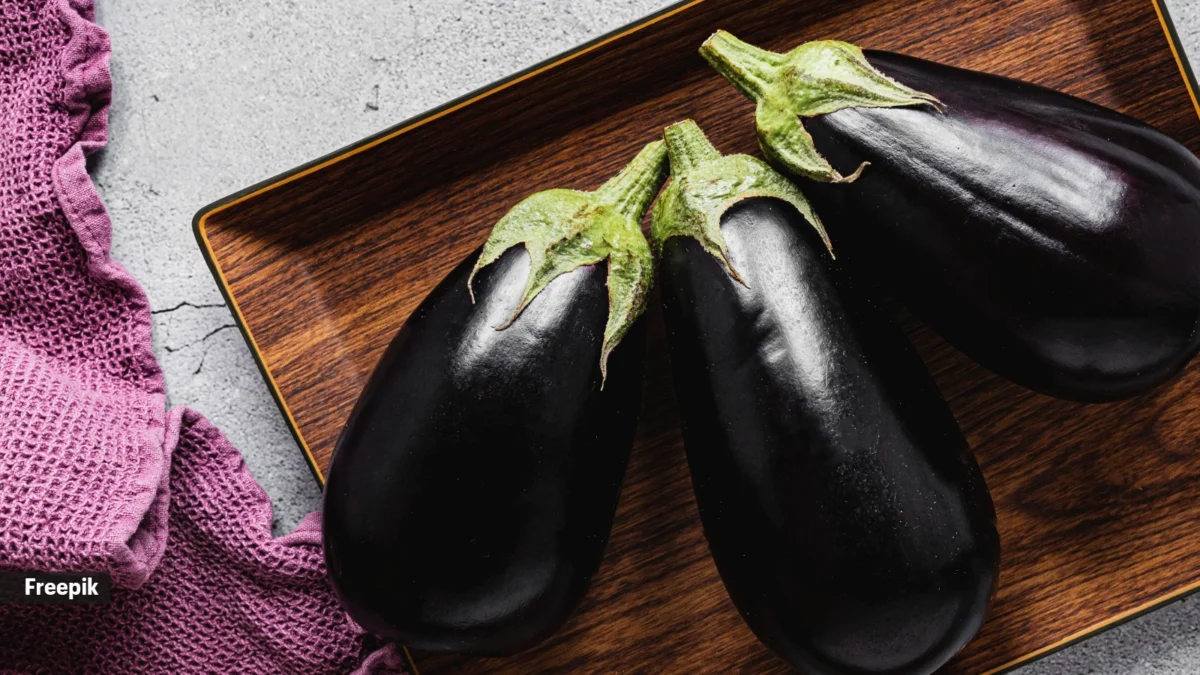
The humble brinjal, known colloquially as baingan in India and eggplant in many Western nations, is a cornerstone of global gastronomy. From the smoky depths of a North Indian Baingan Bharta to the refined layers of a Mediterranean Moussaka, this versatile vegetable—technically a fruit—is prized for its ability to absorb flavors and provide a meaty texture to vegetarian dishes. However, the success of any brinjal-based dish rests entirely on the quality of the raw produce.
For many shoppers, the vegetable market can be a place of uncertainty. A brinjal that looks majestic under the stall’s lights may reveal a bitter, seed-heavy interior once sliced open. To bridge this gap between guesswork and culinary precision, Himanshi Sharma, Chief Clinical Nutritionist at ISIC Multispeciality Hospital, Delhi, provides an expert framework for identifying the freshest produce. This guide explores the physical, biological, and culinary indicators of a high-quality brinjal, ensuring your next meal is free from bitterness and spoilage.
Main Facts: The Anatomy of a Quality Brinjal
Selecting a brinjal is a multi-sensory process. According to Himanshi Sharma, the primary indicators of quality are structural integrity, skin hydration, and the condition of the calyx (the green "cap" and stem).
The "Golden Rules" of selection can be summarized as follows:
- Tactile Resilience: A fresh brinjal must be firm but elastic.
- Visual Luster: The skin should act as a mirror, reflecting light without dullness or "puckering."
- Stem Hydration: The stem is the "lifeline" of the vegetable; its color and texture indicate how long ago it was harvested.
- Size-to-Weight Ratio: Generally, a brinjal should feel heavy for its size, indicating high moisture content, but should not be so large that it is overripe.
Chronology of Inspection: A Step-by-Step Guide
To ensure you are bringing home the best produce, follow this chronological sequence of checks during your next market visit.
1. The Visual Scan (The Skin Test)
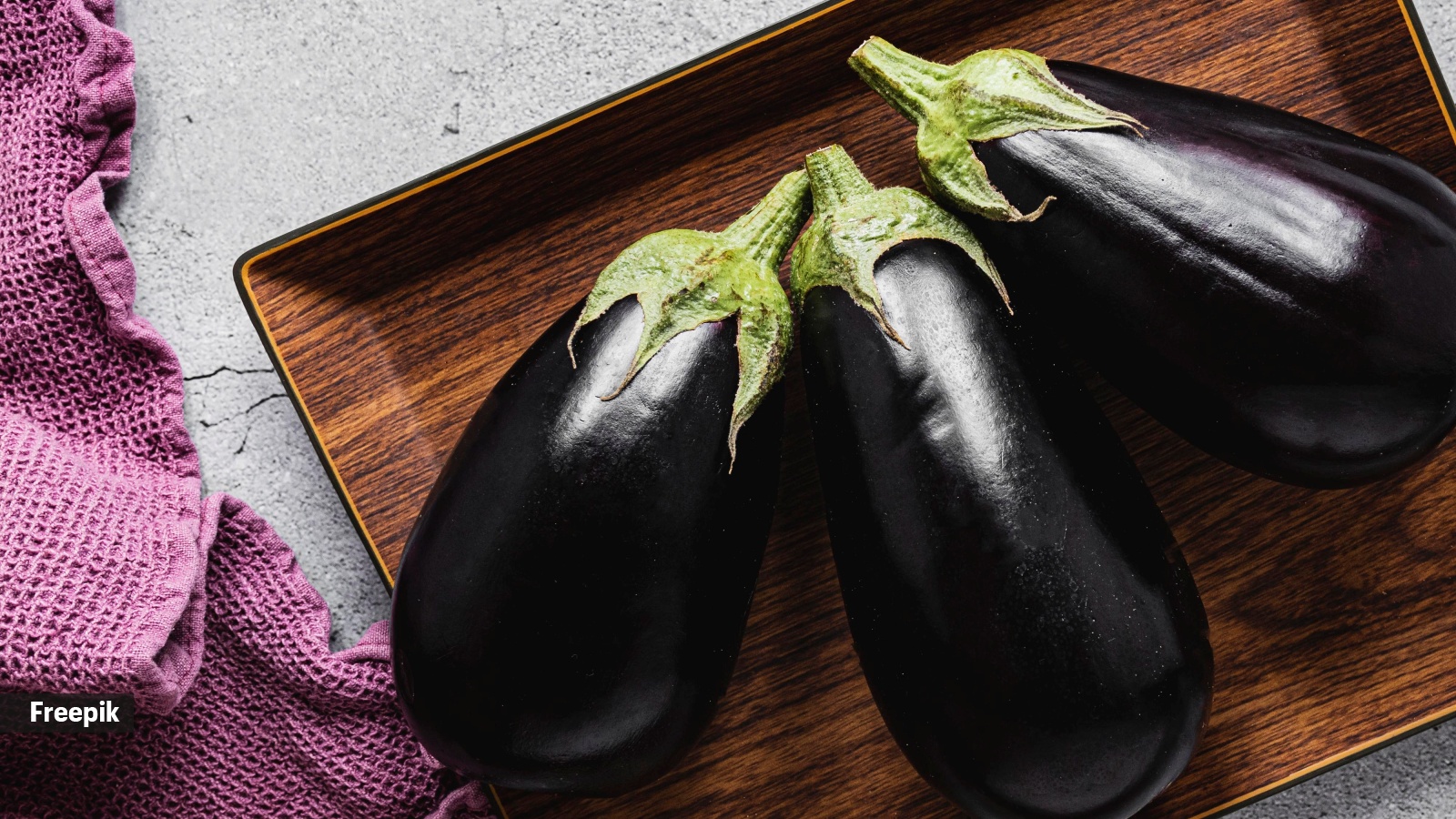
The first interaction with a brinjal is visual. "The skin of a fresh brinjal should look smooth, shiny, and brightly coloured," says Sharma. Whether you are buying the deep purple globes, the slender neon-green varieties, or the white-and-purple striped "Graffiti" eggplants, the color should be uniform and vibrant.
Avoid any specimens that appear dull. Dullness is the first sign of dehydration. Furthermore, inspect the surface for "cuts, bruises, cracks, holes, or discoloured patches." These are not merely aesthetic flaws; they are entry points for bacteria and fruit flies, which can lead to internal rot.
2. The Tactile Assessment (The Press Test)
Once a brinjal passes the visual test, it must undergo the "Press Test." This is the most reliable way to gauge internal freshness.
"A fresh and good-quality brinjal should feel firm but not rock hard when gently pressed," Sharma explains. "The flesh should offer slight resistance and quickly return to its original shape." This "bounce-back" effect is a sign of high turgor pressure within the plant cells—essentially, the cells are full of water and structurally sound.
What if the dent stays?
If you press the skin and a small indentation remains, the vegetable is past its prime. This lack of elasticity indicates that the cell walls have begun to collapse due to moisture loss. Such brinjals will have a spongy, cotton-like texture when cooked and may have already developed a bitter flavor profile.
3. The Stem and Cap Inspection
Often overlooked, the stem (calyx) provides the most honest timeline of the vegetable’s journey from farm to market. "The stem is one of the easiest ways to judge a brinjal’s freshness," Sharma confirms.
A fresh brinjal will feature a bright green, firm, and slightly moist-looking stem. If the stem is brown, shriveled, or brittle to the touch, the brinjal was harvested several days (or even weeks) ago. A dry stem often correlates with a bitter interior, as the vegetable has been under stress since being detached from its nutrient source.
4. Evaluating Size and Weight
While it is tempting to reach for the largest baingan in the pile, especially when planning a large meal, Sharma advises caution. "Smaller to medium-sized brinjals are often softer and contain fewer seeds than very large ones," she notes.
Large, oversized brinjals are frequently overripe. In the biological lifecycle of the plant, the fruit’s goal is to produce seeds. As the brinjal grows larger and older, the seeds harden and the surrounding flesh becomes fibrous and bitter.
Supporting Data: Why Freshness Matters
The insistence on freshness isn’t just about taste; it is rooted in the biological and nutritional composition of the vegetable.
The Bitterness Factor: Solanine and Seeds
Brinjals belong to the nightshade family (Solanaceae), which contains alkaloids like solanine. In fresh, young brinjals, these levels are negligible. However, as a brinjal ages or becomes overripe, the concentration of these compounds can increase, leading to a sharp, bitter taste.
Furthermore, old brinjals develop dark or brownish seeds. These seeds are not only unappealing in texture but also contain higher levels of tannins, which contribute to gastrointestinal discomfort in sensitive individuals.
Nutritional Degradation
Brinjals are 92% water and are rich in dietary fiber, manganese, and antioxidants like nasunin (found in the purple skin).
- Nasunin: This powerful antioxidant protects cell membranes. When the skin becomes wrinkled or dull (indicating oxidation), the potency of these phytonutrients decreases.
- Vitamin Retention: Exposure to air and heat during prolonged storage at the market leads to the degradation of Vitamin C and B6.
Moisture and Culinary Performance
A "spongy" brinjal is a cook’s nightmare. Because of its porous structure, an old, dehydrated brinjal will act like a literal sponge, soaking up excessive amounts of oil during frying or sautéing. Conversely, a fresh, firm brinjal with high moisture content maintains its structural integrity, allowing it to caramelize on the outside while remaining creamy on the inside.
Official Expert Responses: Deep Dive with Himanshi Sharma
In her conversation with Indian Express, Himanshi Sharma emphasized that consumer safety should be the priority. Beyond just "freshness," there are specific "red flags" that should prompt a shopper to leave a vegetable behind.
When to Walk Away:
Sharma lists several deal-breakers:
- Insect Holes: Small, pin-sized holes often indicate that larvae are present inside the fruit.
- Leaking Fluid: Any moisture seeping through the skin is a sign of advanced internal decomposition.
- Foul Smell: Brinjals should have a neutral, earthy scent. A fermented or sour odor indicates bacterial spoilage.
- Black Patches: These are often signs of "chilling injury" (if the vegetable was stored at too low a temperature) or fungal infections like Alternaria rot.
"Always select firm, clean, brightly coloured brinjals with a fresh green stem for the best quality," Sharma concludes. Her advice shifts the focus from quantity to quality, suggesting that two medium, high-quality brinjals are far superior to one massive, overripe one.
Implications: From Market Stall to Kitchen Table
Understanding how to pick a brinjal has broader implications for food waste, health, and culinary success.
1. Reducing Food Waste
A significant portion of household food waste comes from produce that spoils shortly after purchase. By selecting brinjals with green stems and tight skin, consumers extend the "shelf life" of their groceries. A fresh brinjal can last up to 5–7 days in a cool environment, whereas an aged one may rot within 24 hours.
2. Economic Value
While larger brinjals might seem like a better deal by weight, the "usable yield" is often lower. If you have to scoop out a mass of hard, bitter seeds or cut away soft, bruised sections, you are effectively paying for waste. Buying medium-sized, firm produce ensures that nearly 100% of the vegetable is edible.
3. Health and Digestion
For those with sensitive digestive systems, the high seed count and potential alkaloid buildup in old brinjals can cause bloating. By choosing "younger" produce, consumers enjoy a more digestible and nutrient-dense meal.
4. Culinary Versatility
The type of brinjal you select should also match your dish:
- For Bharta: Look for large, but firm, round purple brinjals. They should feel light for their size (indicating fewer seeds) but have very tight skin to withstand roasting over an open flame.
- For Stir-fries/Curries: Choose small, slender, or "baby" brinjals. These have the thinnest skin and the creamiest flesh.
Summary of Selection Criteria
| Feature | Fresh/High Quality | Old/Poor Quality |
|---|---|---|
| Skin | Shiny, smooth, vibrant | Dull, wrinkled, scarred |
| Texture | Firm, springs back when pressed | Soft, mushy, retains dents |
| Stem | Bright green, moist | Brown, dry, brittle |
| Seeds | Few, white, soft | Many, dark, hard |
| Weight | Heavy for its size | Light/hollow or overly bulky |
Next time you stand before a mountain of baingans, remember that beauty is more than skin deep—but the skin is a very good place to start. By applying the "Press Test," inspecting the "green crown," and opting for medium-sized specimens, you ensure that your kitchen creations are defined by the vegetable’s natural sweetness and velvety texture rather than bitterness and disappointment.
DISCLAIMER: This article is based on information from the public domain and expert consultations. Always consult your health practitioner or a registered dietitian before starting any specific dietary routine or if you have concerns about food sensitivities.
