

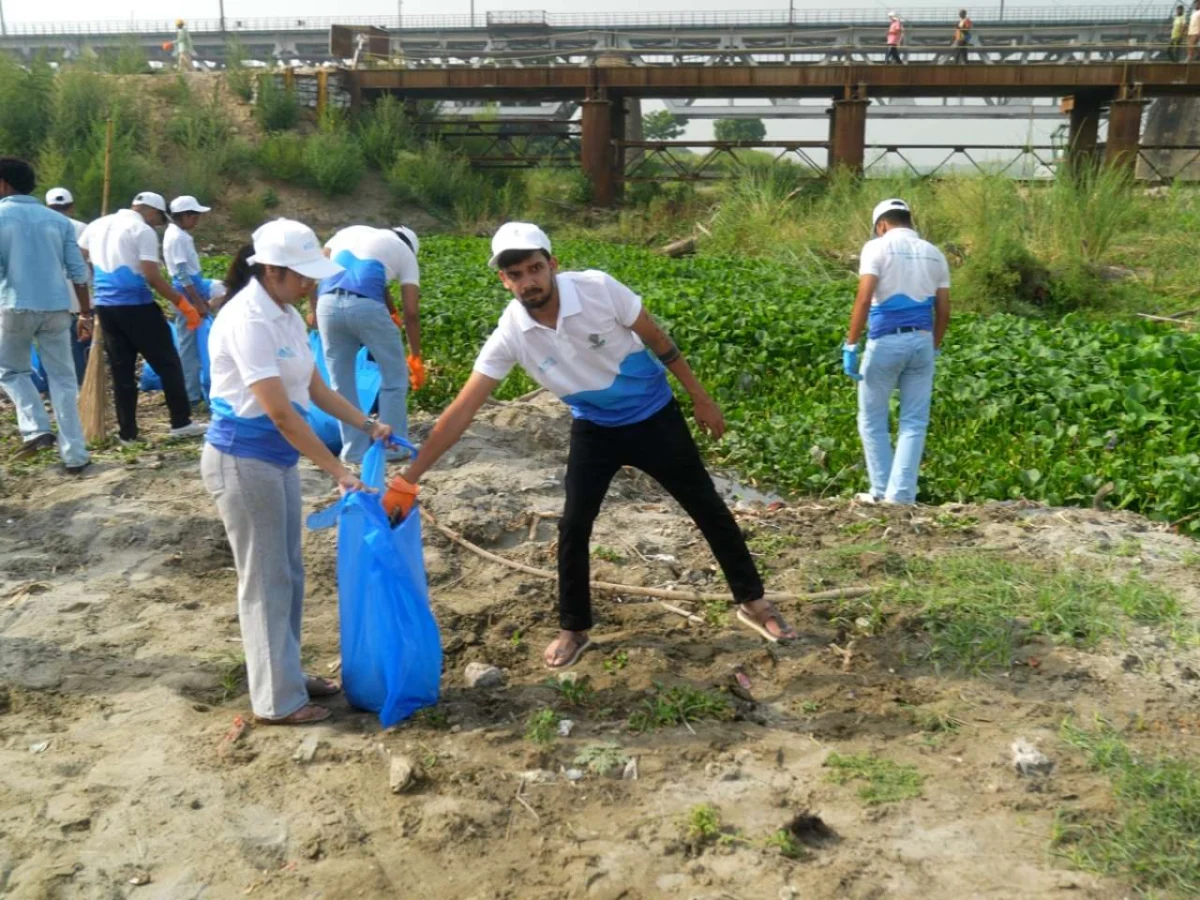
New Delhi, India – July 28, 2024 – On the occasion of World Nature Conservation Day, a powerful narrative of transformation and grassroots activism emerges from India, highlighting the profound impact one individual can have on the environment and society. Satyam Dixit, a young man from a modest background, has transcended personal challenges to spearhead a citizen-led environmental initiative that has blossomed into a nationwide movement. His journey, deeply intertwined with the disruptions of the COVID-19 pandemic, underscores the potent message of Zee Media’s "My Earth, My Duty" campaign: that meaningful environmental change is achievable when ordinary people embrace their responsibility towards the planet.
Dixit’s story is not just one of environmental cleanups; it is a testament to resilience, a commitment to service, and the power of collective action born from a profound sense of duty. What began as a personal quest to contribute during a global crisis has evolved into a significant force for ecological well-being, demonstrating that profound impact can originate from the most unassuming of circumstances.
)
The Genesis of a Changemaker: Early Life and Imbued Values
Satyam Dixit’s upbringing was marked by frugality and hard work. Raised in a rented dwelling, he is the son of parents who exemplified dedication and perseverance. His father, initially a pedal rickshaw puller, later transitioned to work as a watchman, a role that demanded long hours and unwavering commitment. These formative experiences, steeped in the realities of financial constraints and the necessity of self-reliance, instilled in young Satyam a deep-seated sense of responsibility and an innate desire to serve.

Even while still in school, Satyam understood the importance of contributing to his family’s well-being. He began earning by selling momos, a popular street food, demonstrating an early entrepreneurial spirit and a willingness to take initiative. During his college years, this commitment deepened as he took on the role of a delivery executive. These were not just means to an end; they were invaluable lessons in the dignity of labor, the importance of punctuality, and the direct impact of one’s efforts. These early struggles, far from being a deterrent, forged in him a character of resilience and a profound understanding of the challenges faced by many in society. This grounded perspective would later prove instrumental in shaping his approach to community engagement and environmental advocacy.
)
The Pandemic Pivot: A Turning Point for Environmental Action
The advent of the COVID-19 pandemic in 2020 marked a significant inflection point in Satyam Dixit’s life. Like many aspiring individuals, he had harbored ambitions of preparing for the prestigious UPSC (Union Public Service Commission) examinations, a path often associated with public service and policy-making. However, the unprecedented circumstances of the pandemic shifted his focus dramatically. The global health crisis brought with it a heightened awareness of interconnectedness and a stark realization of the vulnerabilities within communities.
)
Instead of retreating into personal academic pursuits, Satyam felt a compelling urge to contribute to the immediate needs of his surroundings. He dedicated his time and energy to assisting communities grappling with the pandemic’s fallout. This period of selfless service, characterized by a hands-on approach to addressing local challenges, laid the groundwork for his subsequent environmental endeavors. It was during this time that he observed firsthand the impact of unmanaged waste, the importance of clean public spaces, and the critical need for heightened public awareness regarding environmental sustainability, especially in the face of potential health crises exacerbated by poor sanitation. This transition from a personal ambition to a broader community focus was not just a change of plans; it was a profound awakening to a larger purpose.
)
The Birth of a Movement: "My Earth, My Duty" Takes Root
Fueled by his pandemic-era experiences and a growing conviction, Satyam Dixit embarked on a journey to address environmental degradation at its root. He conceptualized and initiated a citizen-led environmental movement, aptly named "My Earth, My Duty." This initiative was built on a foundational principle: that the responsibility for safeguarding our planet rests not solely with governments or large organizations, but with every individual. The core focus of the movement was multifaceted, encompassing critical areas of environmental stewardship: cleanliness, waste management, and extensive public awareness campaigns.
)
What began as a small, localized effort, driven by a handful of like-minded volunteers, has since witnessed an extraordinary expansion. The movement’s organic growth is a testament to its impactful approach and Satyam’s leadership. Today, "My Earth, My Duty" has transcended its initial scope, transforming into a robust network that spans over 200 cities across India. This impressive geographical reach signifies the widespread resonance of its message and the dedication of its growing cadre of volunteers.
)
Mobilizing for Impact: Cleanup Drives and Sustainable Practices
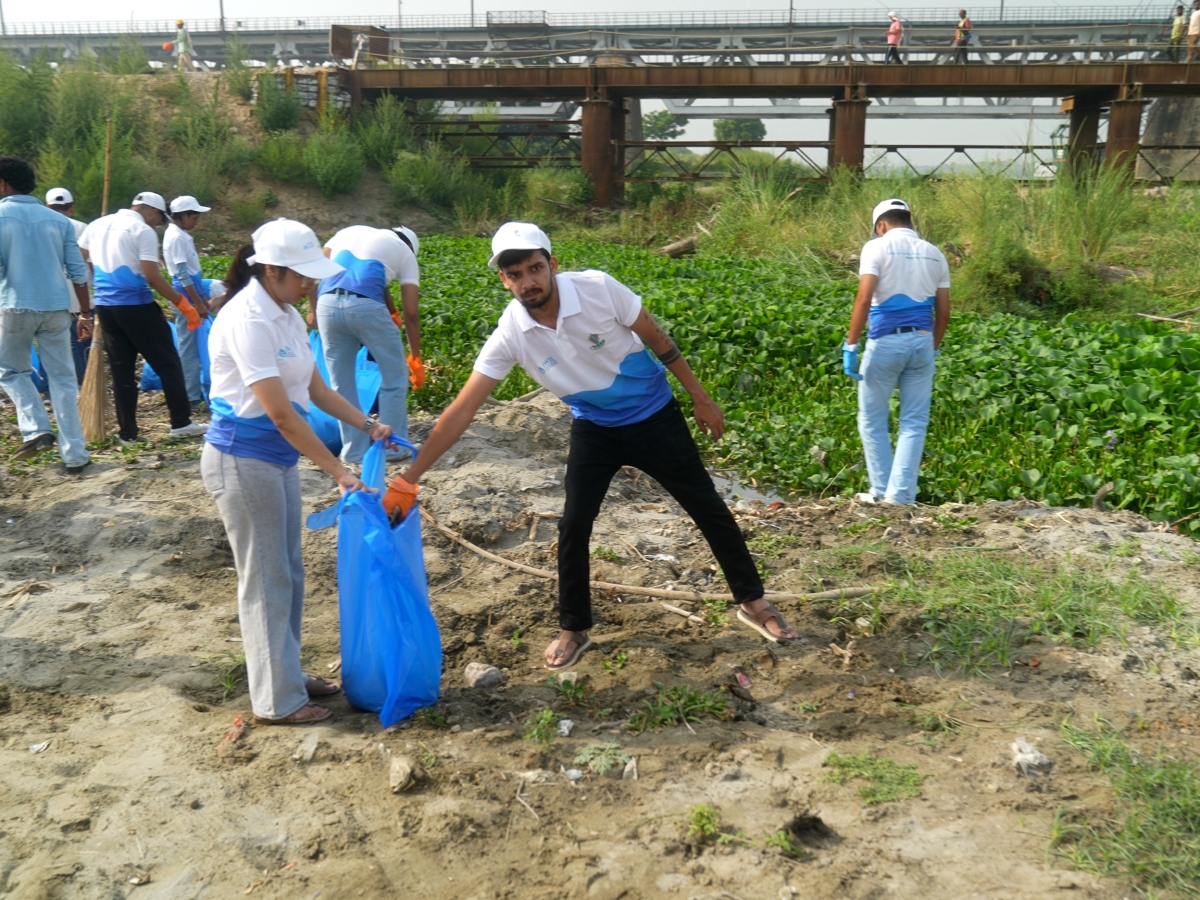
The tangible impact of "My Earth, My Duty" is most evident in its regular and widespread cleanup drives. These meticulously organized events target public spaces, riverbanks, and other ecologically sensitive areas that often bear the brunt of human neglect. The volunteers, united by a common purpose, work tirelessly to remove vast quantities of accumulated waste. These drives are not merely about clearing debris; they are symbolic acts of reclaiming public spaces and demonstrating a collective commitment to environmental restoration.
)
Beyond the immediate act of cleaning, the initiative places a significant emphasis on promoting sustainable waste management practices. This includes a strong focus on recycling, encouraging the responsible disposal of plastic waste, and addressing the unique challenges posed by religious waste. The movement advocates for and implements innovative, sustainable solutions that aim to minimize the environmental footprint of these waste streams. This forward-thinking approach ensures that the efforts are not just short-term fixes but contribute to long-term ecological health. The commitment to education around proper segregation and disposal further empowers communities to become active participants in waste reduction.
)
Beyond the Cleanup: Cultivating a Culture of Ownership
Recognizing that lasting environmental change requires a fundamental shift in public consciousness, "My Earth, My Duty" extends its efforts beyond physical cleanups. A crucial component of the movement involves actively engaging with citizens to foster a sense of ownership and accountability for their immediate surroundings. This is achieved through dynamic awareness campaigns that utilize various platforms and methods to reach diverse audiences.
)
These campaigns go beyond simply highlighting environmental problems; they aim to educate, inspire, and empower individuals to become agents of change within their own communities. Community participation is not just encouraged; it is actively cultivated, with the movement often collaborating with local residents, educational institutions, and community leaders. By fostering a sense of shared responsibility, Satyam Dixit and his team are working to instill a deeply ingrained environmental ethic that permeates daily life. This focus on behavioral change is paramount in addressing the systemic issues that contribute to environmental degradation.
)
Supporting Data and the Scale of the Challenge
The environmental challenges India faces are significant, underscoring the vital importance of initiatives like "My Earth, My Duty." According to data from the Ministry of Environment, Forest and Climate Change, India generates approximately 62 million tonnes of municipal solid waste annually, with a substantial portion remaining uncollected or improperly managed. Plastic waste, in particular, poses a persistent threat, with reports indicating that over 11 million tonnes are generated annually, much of which ends up in landfills, rivers, and oceans.
)
The impact of this unchecked waste is far-reaching, contributing to soil and water pollution, harming biodiversity, and exacerbating public health issues. River pollution remains a critical concern, with studies revealing alarming levels of contaminants in major waterways, directly impacting ecosystems and human health. The sheer scale of these issues highlights the necessity of grassroots movements that can mobilize communities and complement government efforts. The expansion of "My Earth, My Duty" to over 200 cities signifies its ability to address these challenges at a scale that can make a demonstrable difference.
)
Official Responses and Collaboration
While the "My Earth, My Duty" campaign is largely citizen-led, its impact has not gone unnoticed by official bodies. The dedication and effectiveness of Satyam Dixit’s initiative have garnered attention from environmental agencies and local governments. These collaborations often take the form of logistical support for cleanup drives, assistance in waste management infrastructure, and joint awareness programs.
)
Several municipal corporations and state pollution control boards have acknowledged the positive contributions of the movement, recognizing its role in supplementing official waste management strategies and fostering civic engagement. This synergy between grassroots activism and governmental support is crucial for achieving comprehensive environmental solutions. The recognition from various authorities lends further credibility to the movement and amplifies its potential for impact. Discussions are often held to integrate successful community-led models into broader urban waste management policies.
)
Implications and the Road Ahead
The journey of Satyam Dixit and the "My Earth, My Duty" movement carries profound implications for environmental stewardship in India and beyond. It serves as a powerful illustration of how individual passion and commitment can catalyze significant societal change. The movement’s success underscores several key takeaways:
)
- Empowerment of the Citizenry: The initiative demonstrates that citizens, when motivated and organized, can play a pivotal role in addressing environmental crises. It shifts the paradigm from passive observance to active participation.
- The Power of Grassroots Action: The organic growth of the movement from a few volunteers to a nationwide network highlights the inherent strength and resilience of grassroots initiatives.
- Holistic Approach to Environmentalism: By combining physical cleanups with sustained awareness campaigns and a focus on behavioral change, "My Earth, My Duty" adopts a comprehensive approach that addresses the multifaceted nature of environmental challenges.
- Inspiration for Future Generations: Satyam Dixit’s story is a beacon of hope for young people, showing them that their actions, no matter how small they may seem initially, can lead to impactful and lasting change. It encourages them to see environmentalism not as a distant ideal, but as an immediate and personal responsibility.
As "My Earth, My Duty" continues to grow, its ultimate implication lies in fostering a culture where environmental responsibility is not an obligation, but an ingrained value. The message is clear: the Earth is our shared home, and its preservation is a collective duty. Satyam Dixit’s journey from a modest background to becoming a national environmental icon exemplifies the extraordinary potential that lies within each individual to contribute to a healthier, more sustainable future for all. The campaign’s success is a testament to the fact that even in the face of immense global challenges, the power of one person’s conviction, amplified by community action, can indeed move mountains – or, in this case, clean up rivers and foster a deeper connection with our planet.
