

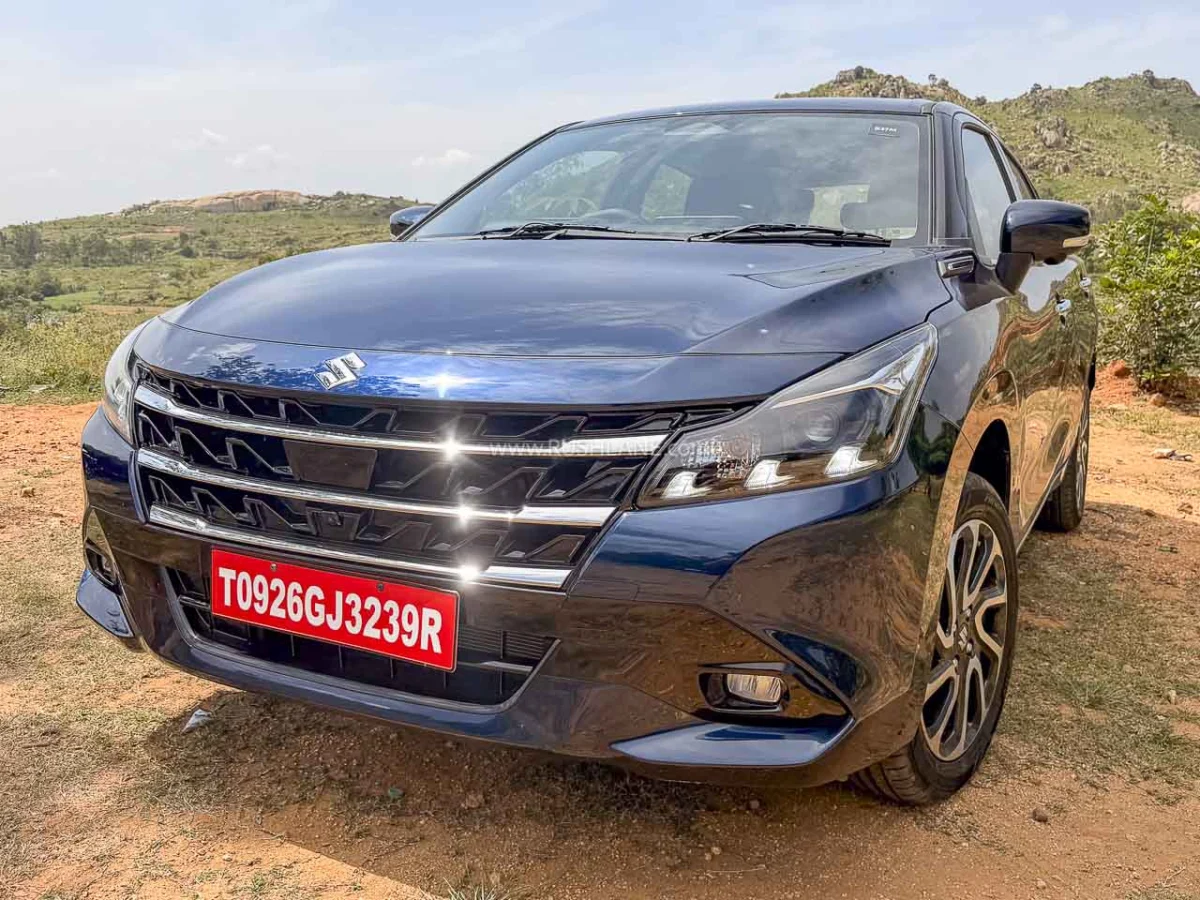
In a landmark announcement that signals a paradigm shift for the Indian automotive landscape, Suzuki Motor Corporation has unveiled its "Technology Strategy Briefing 2026." The strategy outlines a comprehensive vision to integrate advanced safety, high-performance powertrains, and lightweight engineering across its global portfolio, with the Indian market serving as the primary theater for these innovations. By prioritizing the "democratization" of technology, Suzuki aims to transition from a manufacturer of budget-friendly commuters to a leader in high-tech, safety-conscious mobility.
Main Facts: The "SDV Right" Approach and Safety for All
At the core of Suzuki’s new strategy is the concept of "SDV Right" (Software Defined Vehicle). Unlike luxury manufacturers that utilize expensive, complex software stacks, Suzuki’s approach focuses on providing the "right" amount of technology that adds genuine value without making the vehicle prohibitively expensive for the average consumer.
Standardizing Essential ADAS
Suzuki has committed to making essential Advanced Driver Assistance Systems (ADAS) standard across its range, including entry-level models like the Alto and S-Presso. The company argues that safety technology is most effective when deployed at scale. While premium cars have featured ADAS for years, their impact on overall road safety remains limited due to low sales volumes. By bringing these features to the "bottom of the pyramid," Suzuki intends to create a massive, fleet-wide reduction in accidents.
The "essential" package identified by Suzuki includes:
- Autonomous Emergency Braking (AEB): A system that detects imminent collisions and applies brakes automatically.
- Lane-Departure Prevention: Technology that alerts the driver or provides steering input if the vehicle drifts out of its lane.
Innovation in Cost Reduction: Camera-Only Systems
To achieve affordability, Suzuki is moving away from the industry-standard "Radar + Camera" setup. Instead, the company is developing a high-resolution camera-based system powered by advanced AI chips. By eliminating expensive front-facing radar hardware, Suzuki expects to significantly lower the cost of ADAS, making it viable for cars in the sub-5 lakh to 10 lakh INR price bracket. Furthermore, the company plans to integrate driver-monitoring and occupant-monitoring functions into the same hardware architecture, reducing complexity and weight.
Next-Generation Powertrains
The briefing also detailed a massive overhaul of Suzuki’s engine lineup. Recognizing that India will remain a multi-fuel market for the foreseeable future, Suzuki is developing:
- New Turbo Petrol Engines: A 1.2-liter 3-cylinder unit (126 PS) and a 1.5-liter 4-cylinder unit (160 PS).
- Hybrid Proliferation: From 48V mild hybrids for small cars to sophisticated Series Hybrids and Plug-in Hybrids (PHEV) for larger SUVs.
- Alternative Fuels: Engines capable of running on E100 (pure ethanol), CNG, and CBG (Compressed Bio-Gas).
Chronology: The Road to 2030
The 2026 Technology Strategy is not a sudden pivot but the result of several years of incremental development and market observation.
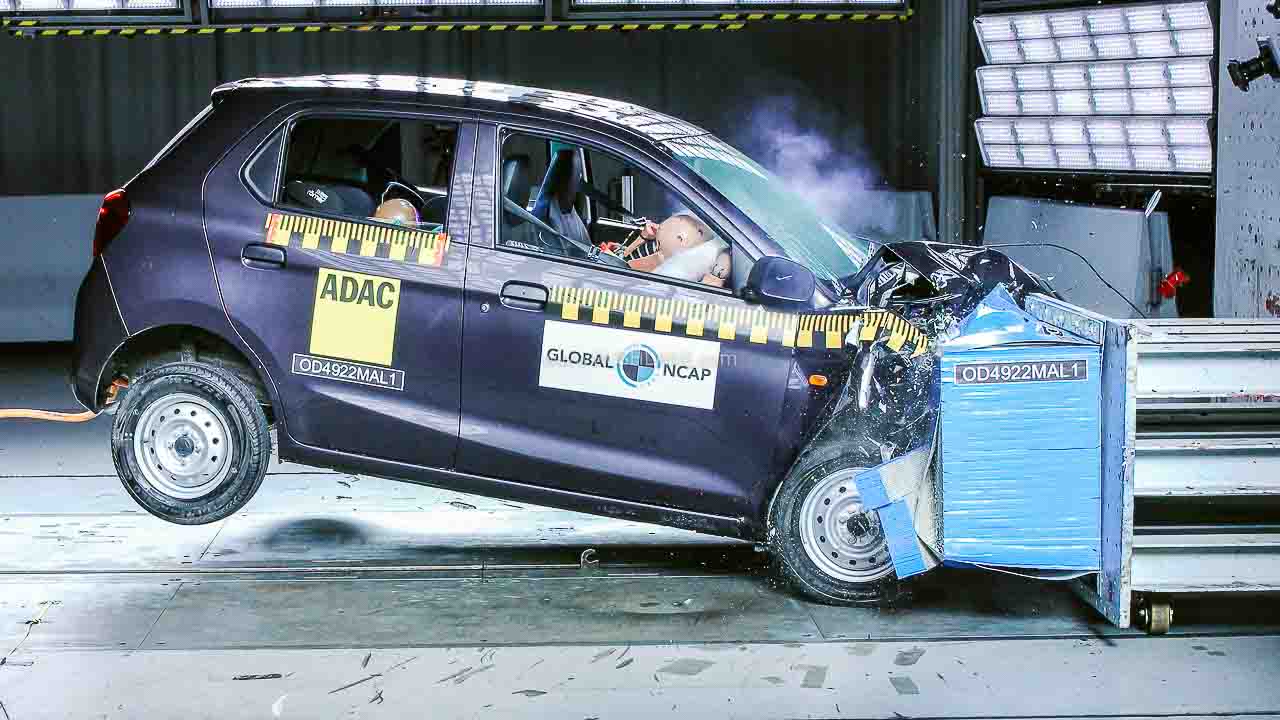
- 2022–2023: Suzuki began testing the waters with the introduction of the Grand Vitara Strong Hybrid in India, marking its first major step toward electrification in the region. During this period, the company also faced scrutiny over safety ratings for its entry-level models like the Alto K10.
- 2024: India recorded approximately 1.77 lakh road fatalities, the highest in the world. This data point became a turning point for Suzuki’s corporate strategy. With a 40.6% market share in India, the company realized it bore a social responsibility to lead the safety transition.
- September 2024: The launch of the 2026 Maruti Baleno facelift (internationally and in select domestic previews) introduced "First-in-Segment" Level 2 ADAS, proving that the technology could be integrated into hatchbacks.
- 2025–2026 (The Implementation Phase): Suzuki will begin rolling out the Central Zone ECU architecture. This "electronic brain" will consolidate various functions (body control, power distribution, and communication) into a single unit, reducing weight by 15% and costs by 30%.
- 2027–2030 (The Expansion Phase): This period will see the full deployment of the new turbo engines and the "REEV Light" (Range Extended Electric Vehicle) technology. By 2030, Suzuki aims to have a balanced portfolio of BEVs (Battery Electric Vehicles), Hybrids, and high-efficiency ICE vehicles tailored to specific regional needs.
Supporting Data: Engineering Efficiency and Safety Statistics
The scale of Suzuki’s ambition is backed by rigorous data and engineering targets. The company’s philosophy of "Sho-Sho-Kei-Tan-Bi" (Smaller, Fewer, Lighter, Shorter, Neat) is reflected in the following technical specifications:
Safety Data
- India’s Fatality Rate: Suzuki’s internal research highlights that India’s per-capita traffic fatality rate is nearly six times higher than Japan’s.
- Impact of AEB: Research suggests that standardizing AEB in small cars could potentially reduce rear-end collisions by up to 35-40% in urban traffic conditions.
Engine Performance Targets
| Engine Type | Configuration | Power Output | Torque | Key Feature |
|---|---|---|---|---|
| 1.2L Turbo | 3-Cylinder | ~126 PS | 230 Nm | E100/CNG Compatible |
| 1.5L Turbo | 4-Cylinder | ~160 PS | 280 Nm | High-performance SUV focus |
| 1.2L Hybrid | Series Hybrid | ~87 PS (System) | TBD | Focus on Fuel Economy |
| Turbo PHEV | Plug-in Hybrid | ~174 PS (System) | TBD | High-end efficiency |
Weight and Cost Reduction
- Central Zone ECU: Suzuki targets a 30% reduction in electronics costs and a 15% reduction in harness weight.
- Vehicle Mass: A dedicated program aims to shed 100 kg from future vehicle generations. For a car in the 900-1000 kg range, a 10% weight reduction significantly improves braking distances, handling, and fuel efficiency.
- CNG Innovation: New, lightweight CNG cylinders are under development to address the weight penalty typically associated with green-fuel vehicles.
Official Responses: Suzuki’s Strategic Stance
During the Technology Strategy Briefing, Suzuki leadership emphasized that their "Indian Strategy" is synonymous with their "Global Strategy."
A spokesperson for Suzuki noted, "We cannot ignore the reality of road safety in India. As the market leader, our goal is not just to sell cars but to ensure that the people inside them and around them are protected. By focusing on ‘essential’ ADAS, we are making a conscious choice to prioritize lives over luxury gadgets."
The company also addressed the shift toward software-defined vehicles. Suzuki’s engineers explained that while the industry is moving toward "software-first" development, Suzuki will focus on "lean software." This means avoiding "feature bloat"—the inclusion of complex digital features that the average driver rarely uses—and instead perfecting the software that manages engine efficiency, battery health, and collision avoidance.
Regarding the move to a camera-only ADAS system, Suzuki engineers stated: "Indian traffic is unique. It involves a high density of two-wheelers, pedestrians, and non-standard vehicles. Our AI-driven camera systems are being trained specifically on Indian road data to ensure they can distinguish between a cyclist and a roadside obstacle more effectively than generic global systems."

Implications: A New Era for the Indian Auto Industry
The ripple effects of Suzuki’s 2026 roadmap will be felt across the entire Indian automotive ecosystem.
1. Pressure on Competitors
For years, manufacturers like Tata Motors and Mahindra & Mahindra have used "Safety" as their primary USP, often outperforming Maruti Suzuki in Global NCAP crash tests. By standardizing ADAS and improving structural integrity through weight-saving high-tensile materials, Suzuki is moving to neutralize its competitors’ biggest advantage. If the market leader makes ADAS a standard feature, brands like Hyundai and Kia will be forced to follow suit, potentially leading to a mandatory safety floor for all vehicles sold in India.
2. Solving the "Affordability vs. Safety" Dilemma
India is a price-sensitive market where every ₹10,000 increase in price can affect sales volumes. Suzuki’s focus on camera-based ADAS and integrated ECUs is a direct attempt to solve this dilemma. If they can provide Level 1 or Level 2 safety features at a fraction of the current cost, it will prove that safety does not have to be a luxury.
3. The Hybrid vs. EV Debate
Suzuki’s roadmap suggests a cautious but pragmatic approach to electrification. While many brands are "going all-in" on EVs, Suzuki’s investment in E100-capable turbo engines and affordable 48V hybrids acknowledges that India’s charging infrastructure is still maturing. This "multi-pathway" approach ensures that they remain compliant with tightening CAFE (Corporate Average Fuel Efficiency) norms while providing consumers with familiar, easy-to-maintain powertrains.
4. Technological Sovereignty for India
The emphasis on "tailoring technology to Indian traffic conditions" suggests a deeper level of R&D investment within India. This could lead to the development of localized sensors and software algorithms that are more robust than those imported from Europe or North America, potentially making India a global hub for "frugal engineering" in the safety sector.
Conclusion
Suzuki’s Technology Strategy Briefing 2026 is more than just a product update; it is a manifesto for the future of mass-market mobility. By focusing on the "Essential," reducing hardware complexity, and leveraging its massive scale, Suzuki is poised to lead a safety revolution in India. For the Indian consumer, the coming years promise cars that are not only more powerful and fuel-efficient but, crucially, significantly safer.
