

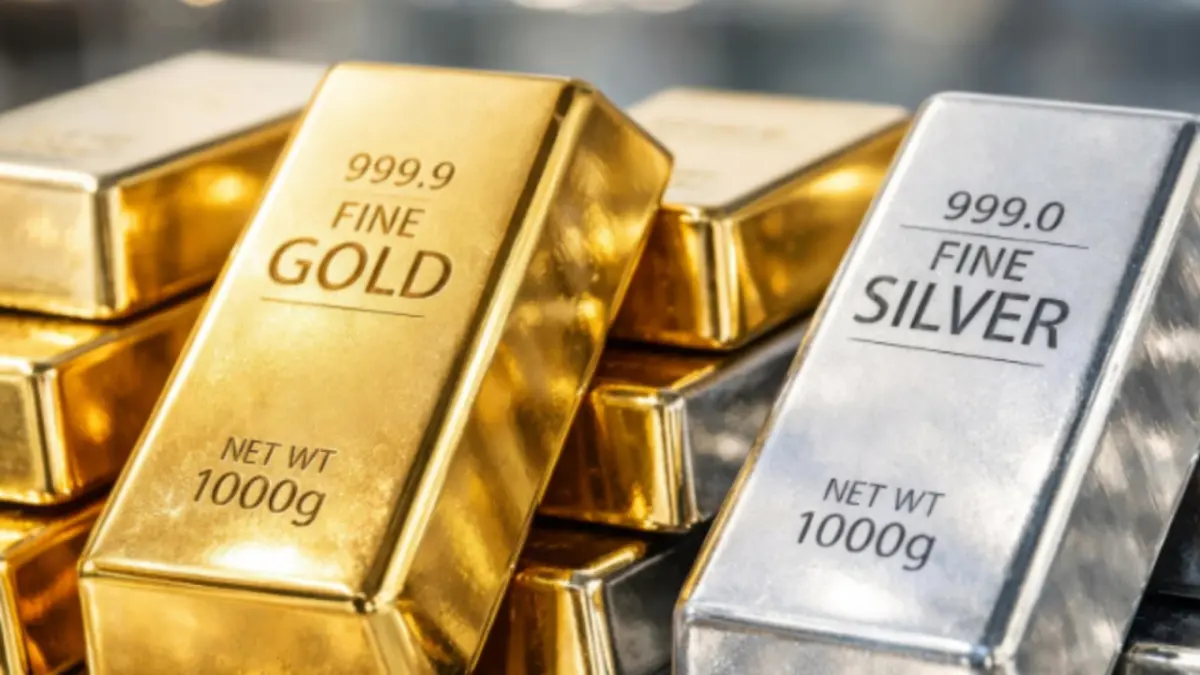
Mumbai, India – October 2, 2026 – India’s vibrant precious metals market continues to be a focal point for investors, consumers, and economists alike. As of October 2, 2026, the prices of gold and silver are reflecting a complex interplay of global market trends, robust domestic demand, and fluctuating currency exchange rates. Today’s figures reveal a nuanced picture, with slight upward movements in gold driven by persistent inflationary concerns and its enduring safe-haven appeal, while silver maintains its steady climb, buoyed by both investment interest and burgeoning industrial applications.
The intrinsic cultural and economic significance of gold and silver in India ensures that daily price movements are meticulously tracked across households and financial institutions. From the bustling bazaars of Delhi to the financial hubs of Mumbai, and the traditional markets of Chennai and Kolkata, the rates for these precious commodities dictate sentiment and purchasing decisions, particularly as the nation anticipates the onset of its festive and wedding seasons.
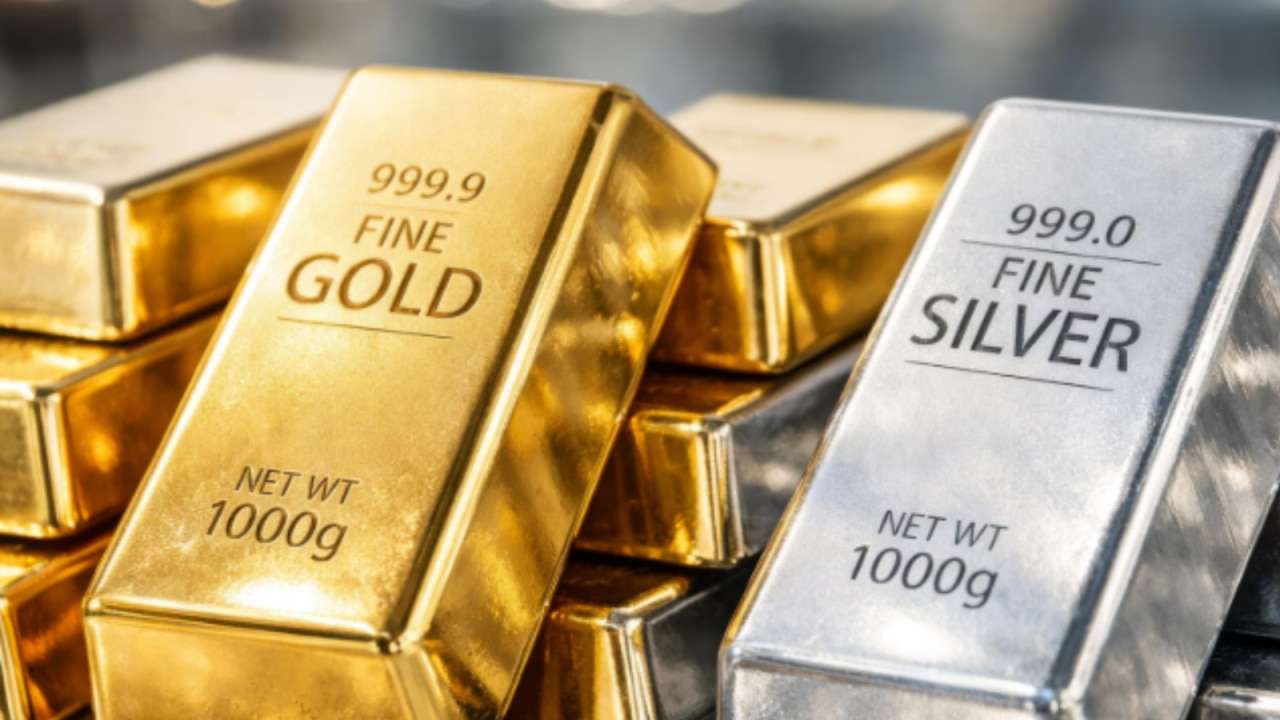
The Daily Pulse: Current Precious Metal Prices in India
The morning of October 2, 2026, presents a clear snapshot of the precious metals market, influenced by overnight global trading and the opening of domestic exchanges. Here’s a detailed breakdown of the prevailing rates for gold and silver across major Indian cities.
Gold Takes a Modest Rise
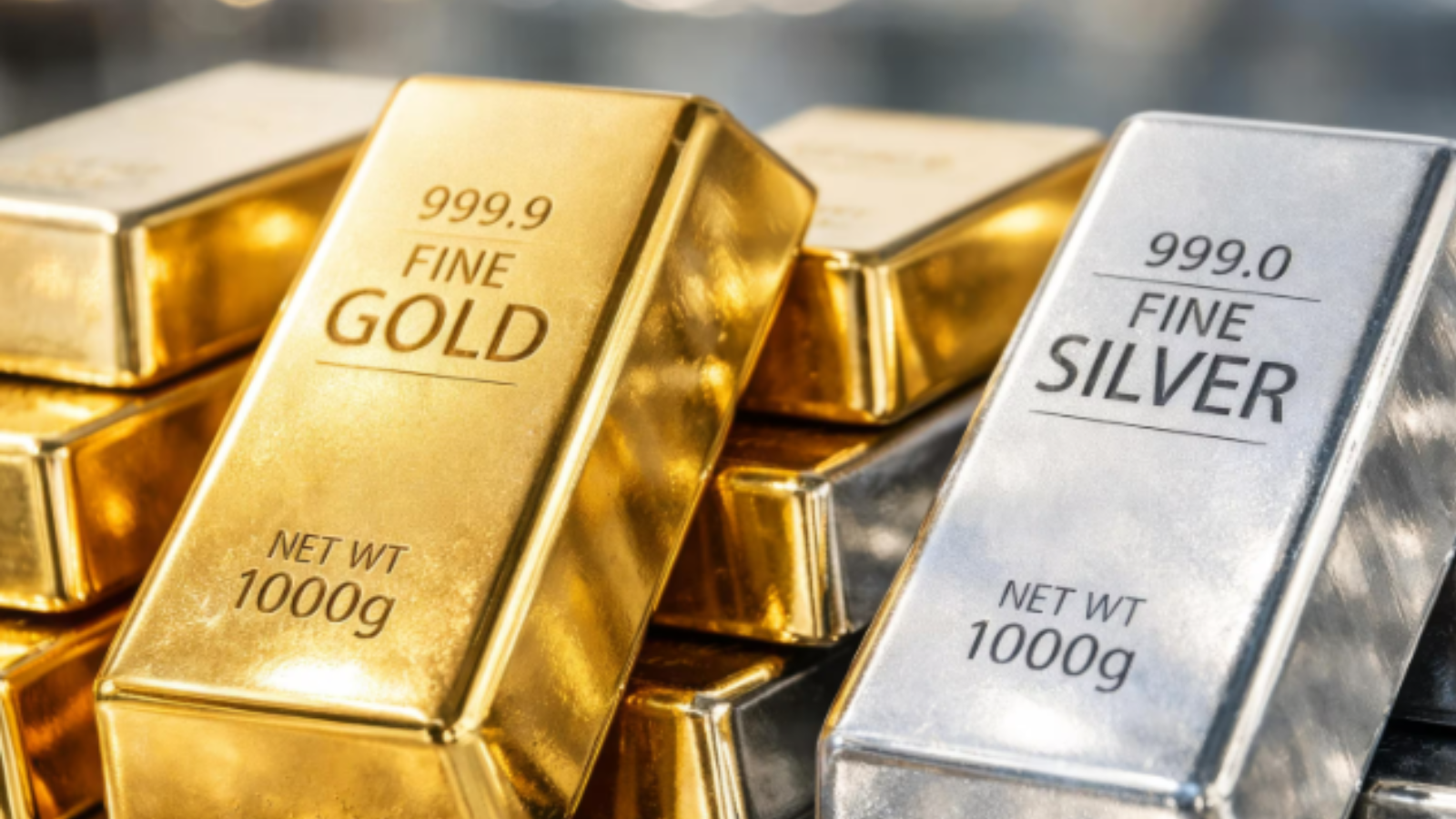
Gold, often considered the ultimate store of value, has seen a slight uptick today, a trend market analysts attribute to a blend of global economic uncertainties and sustained investor confidence in its long-term appreciation.
)
-
24-Karat Gold (999 Purity): This represents the purest form of gold, ideal for investments like gold bars and coins. As of today, the national average for 24K gold stands at approximately ₹14,923 per gram.
- Delhi: ₹14,940 per gram
- Mumbai: ₹14,923 per gram
- Kolkata: ₹14,923 per gram
- Chennai: ₹14,923 per gram
-
22-Karat Gold (91.67% Purity): Commonly known as ‘hallmark gold,’ this variant is the preferred choice for jewellery due to its durability, resulting from an alloy mix. Its price reflects a slight premium over the pure gold rate, adjusted for the alloy content. The national average for 22K gold is around ₹13,679 per gram.

- Delhi: ₹13,694 per gram
- Mumbai: ₹13,679 per gram
- Kolkata: ₹13,679 per gram
- Chennai: ₹13,679 per gram
The marginal difference in prices across cities, such as Delhi’s slightly higher rates, can often be attributed to local taxes, transportation costs, and varying levels of regional demand. These nuances underscore the importance of checking city-specific rates before making a purchase.
Silver’s Steady Performance
Silver, often referred to as "poor man’s gold," continues to hold its own, showcasing its dual appeal as both a precious metal and a critical industrial commodity. Its price movements are influenced by a broader set of factors, including global manufacturing output and technological advancements.
)
-
Silver 999 (Pure Silver): The rate for pure silver, typically used for investments, industrial applications, and high-purity ornaments, is currently approximately ₹2,34,900 per kilogram. This translates to ₹2,349 per 10 grams in most major cities.
- Delhi: ₹2,349 per 10 grams
- Mumbai: ₹2,349 per 10 grams
- Kolkata: ₹2,349 per 10 grams
- Chennai: ₹2,399 per 10 grams
-
Silver 925 (Sterling Silver): This alloy, comprising 92.5% pure silver and 7.5% other metals (usually copper), is popular for jewellery and tableware due to its strength and aesthetic appeal. The price for Silver 925 is roughly ₹2,34,000 per kilogram, marginally lower than pure silver due to its composition.
)
The noticeable variation in Chennai’s silver price, being slightly higher, highlights localized demand patterns, potentially driven by regional preferences for silver ornaments or specific industrial requirements within the southern states.
A Look Back: Recent Trends and Influencing Factors
The current precious metal prices on October 2, 2026, are not isolated figures but the culmination of several evolving macroeconomic and geopolitical trends. Understanding these underlying forces provides crucial context for both present valuations and future expectations.
)
Global Economic Headwinds and Tailwinds
Over the past year, and particularly in the latter half of 2026, global markets have navigated a complex environment marked by both persistent challenges and pockets of resilience. Central banks worldwide, including the Reserve Bank of India, have grappled with the delicate balance of containing inflation without stifling economic growth. The perceived effectiveness of these monetary policies significantly impacts investor confidence, often driving them towards or away from safe-haven assets like gold.
Reports from the World Gold Council indicate that central bank gold purchases have remained robust globally, signaling a strategic diversification away from traditional reserve assets amidst ongoing geopolitical uncertainties and currency volatility. This sustained institutional buying provides a strong floor for gold prices. Simultaneously, global economic growth forecasts for 2026 have been revised slightly downwards in some major economies, fostering a cautious sentiment that naturally bolsters demand for precious metals as hedges against potential downturns.
)
The Rupee-Dollar Dynamic
The exchange rate between the Indian Rupee (INR) and the US Dollar (USD) is a critical determinant of domestic gold prices. Since gold is primarily traded in US dollars on international markets, a depreciation of the Rupee against the Dollar makes gold imports more expensive for Indian buyers, directly translating to higher local prices. Conversely, a stronger Rupee can temper price increases.
In recent months, the INR has experienced moderate fluctuations against the USD, largely influenced by India’s trade balance, foreign institutional investment flows, and global dollar strength. A period of sustained dollar strength, driven by higher interest rates in the US or risk-off sentiment globally, has generally exerted upward pressure on gold prices in Rupee terms, even if international dollar-denominated prices remain relatively stable. As of early October 2026, the INR has shown relative stability, but the underlying global economic narrative suggests that currency dynamics will remain a significant factor in precious metal valuations.
)
Inflationary Pressures and Safe-Haven Appeal
Inflationary pressures, which have been a prominent feature of the global economy for the past few years, continue to be a key driver for gold prices in 2026. While some economies have seen inflation moderate from its peaks, the lingering effects and the potential for resurgence due to supply chain disruptions or energy price volatility keep investors on edge. Gold has historically proven to be an effective hedge against inflation, as its intrinsic value tends to preserve purchasing power when fiat currencies lose value.
The ‘safe-haven’ appeal of gold is further amplified by geopolitical tensions and market volatility. In times of uncertainty, be it regional conflicts, trade disputes, or financial market instability, investors flock to gold as a reliable store of value. This flight to safety often overrides other economic indicators, leading to price surges. While October 2026 may not be marked by extreme crises, the underlying undercurrents of global instability ensure that gold’s role as a haven remains paramount, contributing to its current modest price increase.
)
Domestic Demand: The Festive and Wedding Seasons
India’s unique cultural relationship with gold and silver is a powerful force driving local demand, often overriding international price fluctuations to a significant extent. The country is the world’s second-largest consumer of gold, and a substantial portion of this demand is concentrated around the festive and wedding seasons.
As October unfolds, India is on the cusp of its major festive calendar, including Dhanteras and Diwali, which are considered auspicious for purchasing gold and silver. These periods witness a surge in demand for jewellery, coins, and investment products. Similarly, the ensuing wedding season, spanning from late autumn into winter, traditionally sees families investing heavily in gold and silver as part of dowries, gifts, and bridal adornments. This cyclical demand acts as a robust floor for prices and often creates localized upward pressure, irrespective of broader global trends. Consumer sentiment, influenced by economic stability and disposable income, plays a crucial role here, with a generally positive outlook in urban and semi-urban areas contributing to steady buying interest.
)
Expert Insights and Market Perspectives
To fully grasp the current state of the precious metals market, it is essential to consider the perspectives of market analysts, industry bodies, and economic experts. Their insights provide a deeper understanding of the forces at play and potential future trajectories.
Analyst Views on Gold’s Trajectory
Leading commodity analysts widely agree that gold’s performance in late 2026 is a testament to its enduring appeal in a world still navigating economic complexities. "Gold’s current pricing reflects a confluence of factors: persistent inflation concerns, albeit moderated, ongoing geopolitical risks, and robust central bank accumulation," states Dr. Ananya Sharma, Head of Commodity Research at Zenith Capital. "While interest rate hikes by major central banks had previously tempered gold’s non-yielding appeal, the market is now pricing in a more dovish stance in the medium term, which could provide further tailwinds."
)
Analysts at Good Returns, a prominent financial data provider, highlight that investor sentiment remains largely positive. "Despite some profit-booking instances, the underlying demand for gold as a portfolio diversifier and a hedge against systemic risk remains strong," their recent report notes. They further suggest that any significant weakening of the US dollar or an escalation of global tensions could see gold testing new highs in Rupee terms before the year-end. The Indian market, in particular, benefits from strong cultural buying, which acts as a consistent demand driver, even when international prices face headwinds.
Silver’s Dual Role: Industrial and Investment
Silver’s unique position as both a precious metal and a vital industrial commodity means its price dynamics are influenced by a broader array of factors than gold. "Silver’s current trajectory is fascinating because it’s being pulled by two strong forces," explains Mr. Rajesh Kumar, a metals analyst with Indus Market Intelligence. "On one hand, it’s benefiting from the general investor interest in precious metals, much like gold. On the other, its industrial demand, particularly from green technologies, is showing significant growth."
)
The increasing global focus on renewable energy, particularly solar power, and the rapid expansion of the electric vehicle (EV) sector, are significant drivers for silver demand. Silver is a critical component in photovoltaic cells and various electronic applications within EVs. Experts predict that as global economies continue their transition towards sustainable energy, industrial consumption of silver will only escalate. This industrial underpinning provides a fundamental support level for silver prices, making it less susceptible to purely speculative swings compared to some other commodities. The slight premium observed in Chennai’s silver prices, for instance, could partly be attributed to specific industrial clusters or export-oriented manufacturing in the region that rely on silver.
Governmental Stance and Regulatory Environment
While the Indian government does not directly control the daily fluctuations of gold and silver prices, its policies significantly influence the market’s structure and dynamics. Import duties on gold and silver, for instance, are a critical tool used by the government to manage India’s current account deficit and regulate inbound flows of precious metals. Any revisions to these duties can have an immediate and substantial impact on domestic prices.
)
Furthermore, regulations concerning hallmarking and purity standards, enforced by bodies like the Bureau of Indian Standards (BIS), ensure consumer trust and market transparency. The All India Gem and Jewellery Domestic Council (GJC) frequently engages with the government to advocate for policies that support the industry while protecting consumer interests. "The government’s commitment to standardized purity through mandatory hallmarking has instilled greater confidence among buyers, which is crucial for sustained demand," comments Mr. Ashok Seth, President of the GJC. "We continue to work towards a stable regulatory environment that balances trade interests with national economic goals." Discussions around Goods and Services Tax (GST) rates on precious metals also periodically surface, with any changes potentially affecting the final price for consumers.
Implications for Consumers and the Indian Economy
The daily price movements of gold and silver have far-reaching implications, touching individual household budgets, influencing investment decisions, and impacting the broader economic landscape of India.
)
For the Indian Consumer: Navigating the Market
For millions of Indian consumers, particularly those planning weddings or festive purchases, the daily precious metal prices are more than just numbers; they represent significant financial decisions. The current modest increase in gold prices might prompt some buyers to defer large purchases in hopes of a dip, while others, driven by auspicious timings or long-term investment conviction, will proceed regardless.
- Investment vs. Consumption: Consumers must discern whether their purchase is primarily for investment or for ornamental consumption. For investment, 24K gold coins, bars, or digital gold products are often preferred due to higher purity and ease of storage. For jewellery, 22K gold is the standard.
- Purity and Hallmarking: With price variations, understanding purity and insisting on BIS hallmark certification becomes even more crucial to ensure authenticity and fair value.
- Alternative Investment Avenues: The rise of digital gold platforms and Gold Exchange Traded Funds (ETFs) offers modern, convenient, and often more cost-effective ways to invest in gold without the concerns of physical storage. These options are gaining traction, especially among younger investors.
- Impact on Budgets: High gold prices can significantly impact wedding budgets, often leading families to consider lighter designs, alternative metals like silver, or even renting jewellery for certain occasions.
Impact on the Jewellery Industry
The Indian jewellery industry, a significant contributor to the national economy and a major employer, is highly sensitive to price fluctuations. Jewellers must constantly adapt their inventory management, pricing strategies, and marketing efforts to prevailing market conditions.
)
- Inventory Management: Volatile prices make inventory management challenging. Jewellers must strategically stock raw materials and finished goods to minimize risk from sudden price drops or capitalize on rising prices.
- Design and Innovation: To counteract high prices, there’s a growing trend towards lighter-weight jewellery designs, multi-purpose pieces, and innovative use of precious stones and alternative metals to maintain affordability and appeal.
- Labour and Employment: The industry employs millions, from skilled artisans to sales personnel. Sustained periods of high prices or sharp volatility can affect sales volumes, potentially impacting employment stability within the sector.
- Digital Transformation: Many jewellers are increasingly adopting online sales channels and digital catalogues to reach a wider customer base and offer greater transparency in pricing.
Broader Economic Ramifications
The movement of gold and silver prices has broader implications for India’s macroeconomic health and financial stability.
- Current Account Deficit (CAD): India is a major importer of gold. High international gold prices, coupled with strong domestic demand, can lead to increased import bills, exacerbating the country’s current account deficit. The government closely monitors gold imports to manage this.
- Household Savings: Gold has historically served as a traditional form of savings and investment for Indian households, particularly in rural areas where access to formal financial instruments might be limited. Fluctuations in its value directly impact the wealth of millions.
- Informal Economy: A significant portion of gold transactions still occurs in the informal sector. Government efforts to formalize the market through GST and hallmarking aim to bring greater transparency and revenue.
- Economic Sentiment: Precious metal prices can serve as a barometer of economic sentiment. Rising gold prices during periods of economic uncertainty often indicate a lack of confidence in other asset classes, whereas stable prices in a booming economy can suggest balanced investor confidence.
Conclusion
As October 2, 2026, draws to a close, the prices of gold and silver in India stand as a testament to the intricate dance between global economic forces, domestic cultural imperatives, and investor sentiment. Gold’s modest increase underscores its continued role as a safe haven amidst lingering inflationary concerns and geopolitical uncertainties, while silver’s steady ascent highlights its dual appeal as both an investment and a critical industrial commodity.
)
For consumers, investors, and the jewellery industry alike, understanding these daily fluctuations and the myriad factors influencing them is paramount. The Indian precious metals market remains dynamic and deeply intertwined with the nation’s economic pulse and cultural fabric. As the festive and wedding seasons approach, the vigilance in tracking these prices will only intensify, ensuring that gold and silver continue to shine brightly in India’s financial and cultural landscape.
