

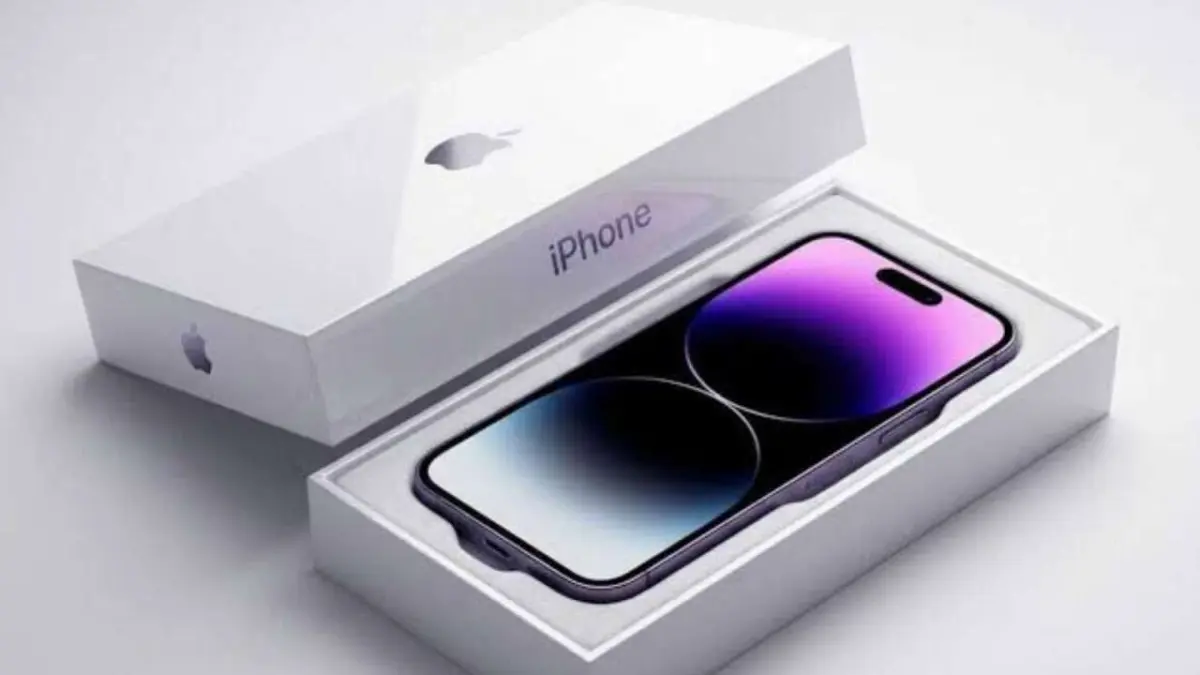
CUPERTINO, CALIFORNIA – Apple, the tech titan renowned for its meticulously crafted and highly anticipated product launches, is reportedly facing an unexpected slowdown in demand for its latest flagship devices. Sources close to Apple’s supply chain indicate that the company has significantly scaled back component orders for its premium iPhone 18 Pro and iPhone 18 Pro Max models, a mere month after their much-hyped September unveiling. This development signals a potential cooling in consumer appetite, attributed to a confluence of factors including escalating prices, rising memory chip costs, and a broader deceleration in the global smartphone market. The move raises questions about Apple’s pricing strategy and the resilience of its premium segment in an increasingly challenging economic landscape.
The news, first reported by Nikkei Asia, suggests that Apple has instructed its suppliers to reduce component production for the iPhone 18 Pro series by an estimated 15 to 20 percent for October. This adjustment, coming so soon after a major product launch, is an unusual and telling indicator of market dynamics not aligning with initial projections. While Apple traditionally maintains a tight veil of secrecy around its production figures and supply chain operations, such reports often precede official financial disclosures that reflect these shifts. The implications extend beyond just sales figures, touching upon supplier relationships, investor confidence, and Apple’s strategic outlook for the holiday quarter and beyond.
Chronology of Events Leading to the Decision
The journey to this reported production cut is a complex narrative woven through pre-launch speculation, initial market reception, and evolving global economic conditions.
Pre-Launch Buzz and High Expectations
Prior to the September launch, anticipation for the iPhone 18 Pro series was, as always, exceptionally high. Apple’s marketing machinery typically generates immense hype, with leaks and rumors building a narrative of incremental yet significant technological advancements. Analysts and consumers alike expected a robust refresh, likely featuring enhanced camera capabilities, a more powerful processor (the A18 Bionic chip, for instance), and possibly subtle design refinements. The Pro models, in particular, were expected to drive sales and maintain Apple’s strong average selling price (ASP), given their position at the pinnacle of smartphone technology and user experience. Initial sales forecasts often hinge on these pre-launch expectations, factoring in Apple’s loyal customer base and its capacity to command premium pricing.
)
The September Unveiling and Initial Reception
The iPhone 18 series, including the Pro and Pro Max variants, was officially unveiled in September. The launch event showcased the devices’ new features, emphasizing advancements in computational photography, improved display technology (perhaps a brighter ProMotion display with adaptive refresh rates), and the customary performance boosts. Early reviews, as is often the case with new iPhones, generally praised the devices for their polish, powerful performance, and integrated ecosystem. However, a recurring theme among tech commentators began to emerge: the incremental nature of the upgrades, coupled with a noticeable increase in price. While initial pre-orders might have been strong, fueled by early adopters and those on annual upgrade cycles, the sustained demand required for a blockbuster quarter began to show signs of wavering shortly thereafter.
Post-Launch Observations and Declining Waiting Times
The first tangible signs of potential demand cooling began to manifest in the weeks following the launch. UBS analysts, closely monitoring market trends across more than 30 regions, reported a notable decrease in average waiting times for the iPhone 18 Pro models. Shorter waiting times, while potentially indicating improved supply chain efficiency, are more frequently interpreted as a signal of softening demand when occurring rapidly after a launch. Typically, high-demand Apple products experience extended shipping delays for several weeks, if not months, post-launch. The relatively swift normalization of availability suggested that the initial surge of orders might not have been as robust, or as sustained, as anticipated, prompting Apple to reassess its production requirements. This real-time market feedback from sales channels and consumer purchasing patterns would have been crucial in Apple’s internal decision-making process.

Apple’s Strategic Reassessment and Production Cuts
Faced with these early indicators of waning demand and the backdrop of escalating component costs, Apple’s operational teams likely initiated a swift reassessment of their production targets. The decision to cut component orders by 15-20 percent for October is not taken lightly within Apple’s meticulously managed supply chain. It reflects a strategic adjustment to align production with revised sales projections, aiming to prevent an oversupply of inventory, which can lead to costly write-downs and exert downward pressure on prices. This proactive measure underscores Apple’s pragmatic approach to inventory management, even if it signals a less-than-stellar performance for a new flagship lineup. The rapidity of this decision highlights the dynamic and often volatile nature of the consumer electronics market.
Supporting Data and Market Context
The reported production cuts for the iPhone 18 Pro series are not isolated incidents but rather symptoms of broader macroeconomic trends and specific industry challenges. Understanding these contextual factors is crucial to grasping the full scope of Apple’s current situation.
)
Pricing Strategy and Consumer Reaction
One of the most immediate and impactful factors contributing to the reported demand slowdown is Apple’s aggressive pricing strategy for the iPhone 18 Pro series. In India, for instance, the iPhone 18 Pro starts at a formidable Rs 1,64,900, with the Pro Max commanding an even higher Rs 1,79,900. In the United States, prices reportedly saw a $100 increase compared to last year’s models. This significant jump in price points, particularly for the premium variants, comes at a time when global consumers are grappling with persistent inflation, rising interest rates, and general economic uncertainty.
The psychological threshold for smartphone pricing appears to be under immense pressure. While Apple’s loyal customer base has historically demonstrated a willingness to pay a premium for its products, there is a limit. Many consumers, especially those with relatively functional older-generation iPhones, are likely questioning the value proposition of upgrading to a device that offers incremental improvements at a substantially higher cost. The perceived "must-have" factor for annual upgrades diminishes when the financial outlay becomes a more significant burden on household budgets. This reluctance translates directly into slower sales and extended upgrade cycles, impacting Apple’s overall volume.
)
Rising Component Costs: The Memory Chip Factor
A critical, albeit less visible, driver behind the higher retail prices and subsequent demand challenges is the escalating cost of key components. The Nikkei Asia report specifically highlights rising memory chip prices as a significant pressure point. This trend is largely attributable to the booming demand for artificial intelligence (AI) data centers. As tech giants invest heavily in AI infrastructure, the demand for high-performance memory (like HBM – High Bandwidth Memory) and storage solutions has surged, creating a ripple effect across the semiconductor industry.
While smartphones might not use the same cutting-edge HBM as AI servers, the overall tightening of memory supply and upward pressure on pricing affects all segments. Manufacturers like Apple face higher Bills of Materials (BOM) for their devices, especially for premium models that incorporate more advanced and higher-capacity memory chips. These increased input costs inevitably get passed on to the consumer in the form of higher retail prices, further exacerbating the demand issue. Beyond memory, other advanced components such as sophisticated camera sensors, cutting-edge display panels, and specialized processors also contribute to the overall cost structure, making it challenging for Apple to absorb these increases without impacting its profit margins or raising consumer prices.
)
Global Smartphone Market Trends
Apple’s situation is also deeply intertwined with the broader global smartphone market. Research firm IDC projects a significant 16.7% drop in global smartphone shipments in 2026, alongside an anticipated 27.6% rise in average selling prices (ASPs). This forecast paints a grim picture for the industry as a whole. Several factors underpin this anticipated decline:
- Economic Slowdown: Global economic uncertainties, including recession fears in major markets, inflation, and reduced consumer discretionary spending, are dampening demand for non-essential goods.
- Market Saturation: In many developed markets, smartphone penetration is already extremely high. Most consumers already own a smartphone, and the incentive to upgrade annually has diminished as phones have become increasingly capable and durable.
- Longer Upgrade Cycles: Consumers are holding onto their devices for longer periods, often three to four years or more, before considering an upgrade. The pace of innovation, while steady, is no longer perceived as revolutionary enough to justify frequent replacements for many users.
- Intense Competition: While Apple dominates the premium segment, competition from Android manufacturers, particularly in the mid-range and budget segments, remains fierce, offering consumers more choices at various price points.
Within this challenging environment, Apple, despite its strong brand loyalty, is not immune. While its premium position might offer some insulation, even its core demographic becomes more discerning when faced with a combination of high prices and economic pressures.
)
Regional Economic Headwinds: Focus on India
The report specifically highlights India’s market dynamics, where the weakening rupee is further contributing to price increases. For international brands like Apple, currency fluctuations can significantly impact profitability and pricing strategies in local markets. A depreciating rupee means that the cost of importing components and finished products (priced in USD) becomes higher when converted to local currency. Apple must either absorb these costs, impacting its local margins, or pass them on to consumers, making devices even more expensive.
India is a critical growth market for Apple, representing a vast pool of potential customers. However, it is also an extremely price-sensitive market. The iPhone 18 Pro’s starting price of over Rs 1.6 lakh places it firmly in the ultra-premium segment, accessible only to a very small fraction of the population. The additional burden of currency depreciation makes these devices even less attainable for the broader aspiring middle class, further narrowing the potential customer base and making it harder for Apple to penetrate deeper into the market. Similar currency pressures and economic challenges are likely at play in other emerging markets, compounding Apple’s global sales challenges.
)
Official Responses and Analyst Perspectives
In the highly scrutinized world of tech, every move by a titan like Apple sends ripples through financial markets and analytical circles. The reported production cuts have predictably sparked discussions among industry observers.
Apple’s Silence
True to its corporate culture, Apple has not issued any official statement regarding the Nikkei Asia report or the alleged production cuts. The company maintains a strict policy of not commenting on supply chain rumors, production figures, or future product plans outside of its official earnings calls and product announcements. This stance is rooted in several strategic considerations: to avoid market manipulation, to maintain competitive secrecy, and to prevent premature speculation that could impact its stock price or ongoing negotiations with suppliers. While this silence is standard operating procedure for Apple, it leaves analysts and investors to interpret the available data and external reports, often leading to varied conclusions.
)
Analyst Reactions and Forecasts
Despite Apple’s silence, market analysts have been quick to weigh in. The UBS report, highlighting decreased waiting times for the iPhone 18 Pro in over 30 markets, serves as a crucial piece of observational evidence supporting the narrative of softening demand. Other prominent tech analysts, while perhaps not directly confirming the Nikkei report, have often expressed caution about the overall smartphone market’s health.
Analysts from firms like Counterpoint Research or Ming-Chi Kuo (a renowned Apple analyst) frequently provide insights into Apple’s supply chain and production forecasts. While specific current reports might vary, the general consensus among many is that the post-pandemic boom in consumer electronics is over, and companies must contend with a more mature, saturated, and economically constrained market. The news of production cuts, if confirmed by subsequent data, could lead to revised sales forecasts for Apple’s upcoming fiscal quarters. This could, in turn, put downward pressure on Apple’s stock, as investors might re-evaluate growth prospects for its most profitable product category. The reaction of institutional investors and hedge funds will be particularly telling, as they adjust their positions based on these new data points.
)
Supplier Impact
Apple’s supply chain is a vast, interconnected network of manufacturers, component providers, and assembly plants spread across the globe. A reduction in component orders, even if relatively modest at 15-20%, can have a significant ripple effect on these partners. Major suppliers like Foxconn (for assembly), TSMC (for chips), and various memory and display manufacturers (Samsung, SK Hynix, LG Display) base their own production schedules and investment plans on Apple’s forecasts.
While these large players often have diversified client portfolios, a cut from Apple – their largest customer for many – can necessitate adjustments in their own operations, potentially leading to lower utilization rates for their factories, revised revenue expectations, and even a re-evaluation of future capital expenditures. For smaller, specialized component suppliers, the impact could be more pronounced. This interdependence means that Apple’s demand shifts are keenly felt throughout the entire tech ecosystem, underscoring the company’s immense gravitational pull in the industry.
)
Implications and Future Outlook
The reported production cuts for the iPhone 18 Pro series carry significant implications for Apple, the broader smartphone market, and consumer behavior, pointing towards a strategic recalibration in the face of evolving challenges.
Impact on Apple’s Revenue and Profitability
The most immediate concern stemming from reduced iPhone 18 Pro sales is its potential impact on Apple’s revenue and profitability. The Pro models are not just flagship devices; they are high-margin products that contribute disproportionately to Apple’s bottom line. A slowdown in their sales could lead to a revenue shortfall in the crucial holiday quarter and subsequent periods. While Apple has a diversified revenue stream, with a growing services division and sales of other products like Macs, iPads, and Apple Watches, the iPhone remains its primary cash cow.
)
To mitigate this, Apple might increase focus on promoting its non-Pro iPhone 18 models or even older generations, potentially through aggressive trade-in programs or financing options. The company might also double down on its services growth, which offers higher margins and a recurring revenue stream, to offset any hardware revenue dip. However, the sheer volume and profitability of the Pro iPhones mean that any significant reduction in their sales will be difficult to fully compensate for. Investors will be closely watching Apple’s upcoming earnings reports for concrete figures and guidance.
The Foldable Frontier: iPhone Duo’s Challenges
The original article briefly introduces the "iPhone Duo," Apple’s rumored first foldable phone, highlighting its exorbitant price point (Rs 2,99,900 for the 256GB model in India) and manufacturing complexities. The current struggles of the iPhone 18 Pro series, driven by price sensitivity and economic headwinds, cast a long shadow over the potential success of such a premium, novel device.
)
If consumers are already hesitant to upgrade to a slightly more expensive conventional flagship, how will they react to a device that costs almost twice as much? The foldable market, currently led by Samsung with its Z Fold and Z Flip series, remains a niche segment. While it appeals to buyers seeking a large screen in a compact form factor, its high cost, perceived durability concerns, and the nascent stage of foldable software optimization mean it’s far from a mainstream product.
Apple’s reputation for meticulous quality standards adds another layer of complexity to foldable manufacturing. Producing a foldable display that meets Apple’s stringent requirements without compromising on durability or user experience, at a mass-market scale, is an immense engineering challenge. The current demand challenges for the iPhone 18 Pro might prompt Apple to re-evaluate its foldable strategy, potentially delaying its entry or adjusting its pricing and feature set to better align with market realities. The lessons learned from the Pro sales slowdown could inform Apple’s approach to launching another ultra-premium device in a highly competitive and still-developing segment.
)
Consumer Dilemma and Recommendations
For consumers, the current market dynamics present a dilemma but also an opportunity. With reports of cooling demand and potentially stable or even declining prices (though Apple has not announced cuts), the advice to "wait and compare options" becomes even more pertinent. Users with functional phones are increasingly finding less compelling reasons for an immediate upgrade.
The market now offers a plethora of excellent smartphones, including older iPhone models (like the 17 Pro or even 16 Pro, which still offer exceptional performance) and formidable Android alternatives (from Samsung, Google, etc.). Consumers are encouraged to evaluate:
)
- Actual Needs vs. Desires: Do the incremental camera improvements or processor bumps truly justify the significant price increase?
- Value Retention: How quickly does the value of the new iPhone depreciate, and how does that compare to the cost of ownership?
- Financing and Trade-ins: Exploring options to reduce the upfront cost.
The trend towards longer upgrade cycles is likely to continue, and consumers are becoming more discerning about their technology investments.
Long-Term Strategy and Innovation
This period of demand adjustment could serve as a crucial inflection point for Apple’s long-term strategy. While Apple’s ecosystem lock-in (through services, accessories, and seamless device integration) remains a powerful retention tool, continued reliance on annual, incrementally updated, and increasingly expensive hardware might not be sustainable indefinitely.
)
Apple might need to:
- Reassess Pricing Tiers: Potentially introduce more competitively priced models or adjust the feature differentiation between its standard and Pro iPhones to justify the price gap.
- Focus on Breakthrough Innovation: Move beyond incremental updates and deliver truly transformative features that reignite consumer excitement and justify premium pricing. This could involve advancements in AI integration, augmented reality (AR) capabilities, or revolutionary battery technology.
- Expand into New Categories: While the Vision Pro is a significant step into spatial computing, Apple might need to explore other new product categories or services to fuel future growth.
- Diversify Supply Chain: Further diversify its manufacturing and component sourcing to mitigate risks associated with geopolitical tensions and supply chain vulnerabilities.
The challenges faced by the iPhone 18 Pro series are a stark reminder that even a market leader like Apple is subject to the forces of global economics and evolving consumer behavior. How Apple navigates these headwinds, adapts its product strategy, and continues to innovate will define its trajectory in the coming years.
