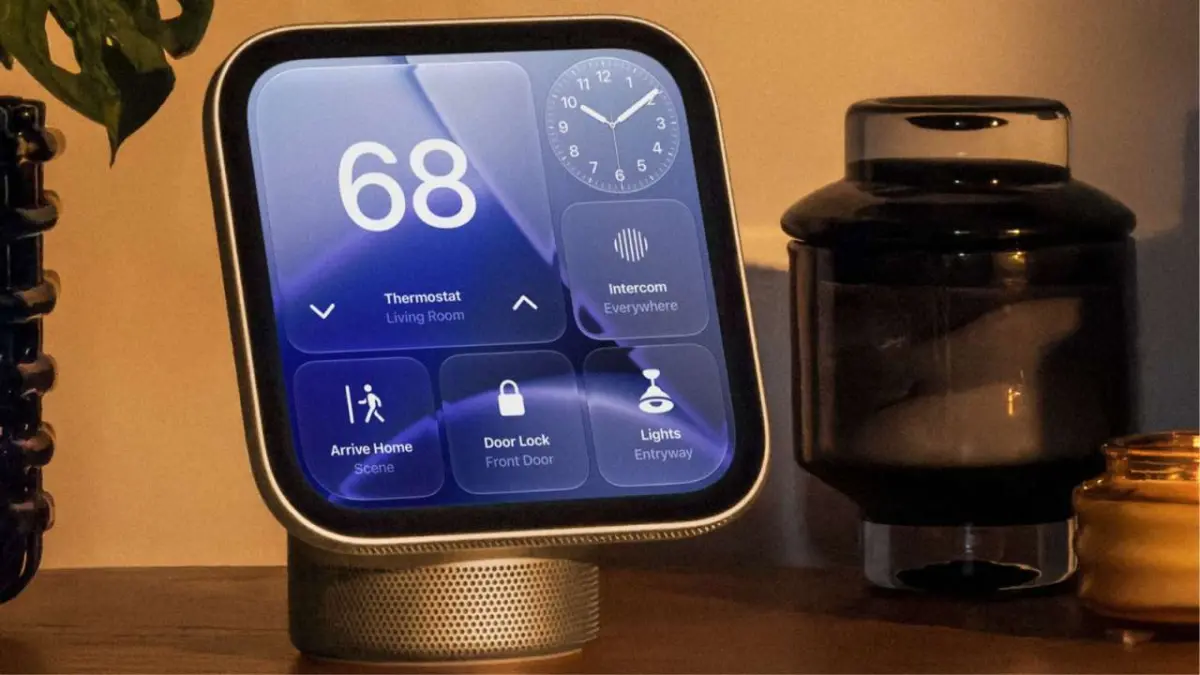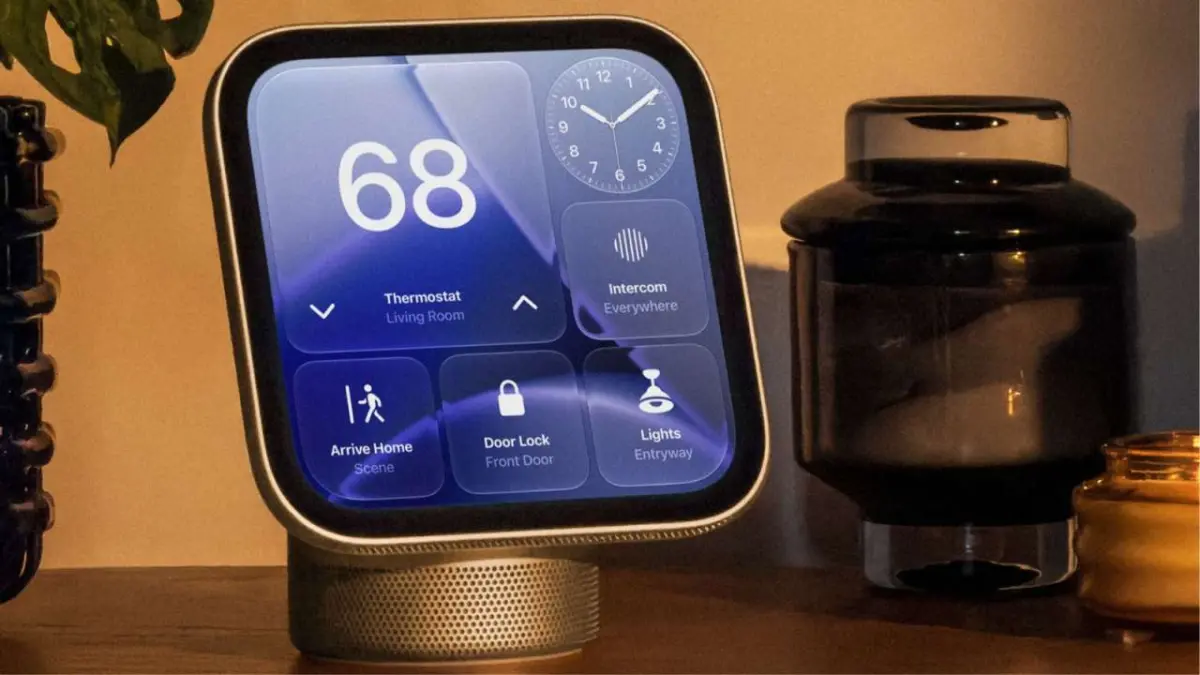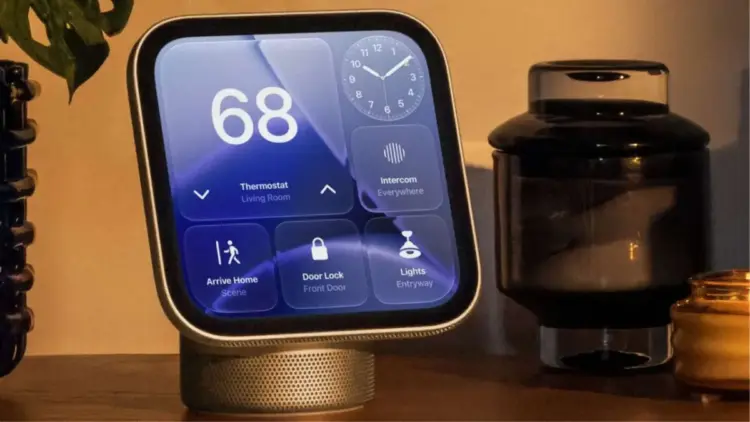
CUPERTINO, CA – October 14, 2026 – Apple, a company synonymous with elegant design and user-centric technology, has once again thrown its hat into the fiercely competitive smart home market with the unveiling of HomeView. Priced at USD 299 and slated for a November launch, this 7-inch smart home screen is being positioned not as a revolutionary standalone device, but rather as a seamless extension of the iPhone ecosystem, powered by a personalised Siri AI. This move signifies Apple’s renewed ambition to carve out a significant share in a domain currently dominated by tech giants Amazon and Google, leveraging a strategy that paradoxically embraces "boring" in a bid to foster trust and unparalleled integration.
The introduction of HomeView represents Apple’s second significant attempt to penetrate the home device market, following the 2018 launch of the HomePod smart speaker, which garnered a modest 6% market share. With HomeView, Apple appears to have learned crucial lessons, shifting its focus from a premium audio experience to a dedicated visual interface designed for simplicity, security, and deep personal integration within its established ecosystem. This new device aims to offer a refined, trustworthy smart home experience, directly addressing common user frustrations regarding privacy and complexity that often plague current AI-driven products.
Main Facts: Apple’s HomeView – A New Vision for the Connected Home
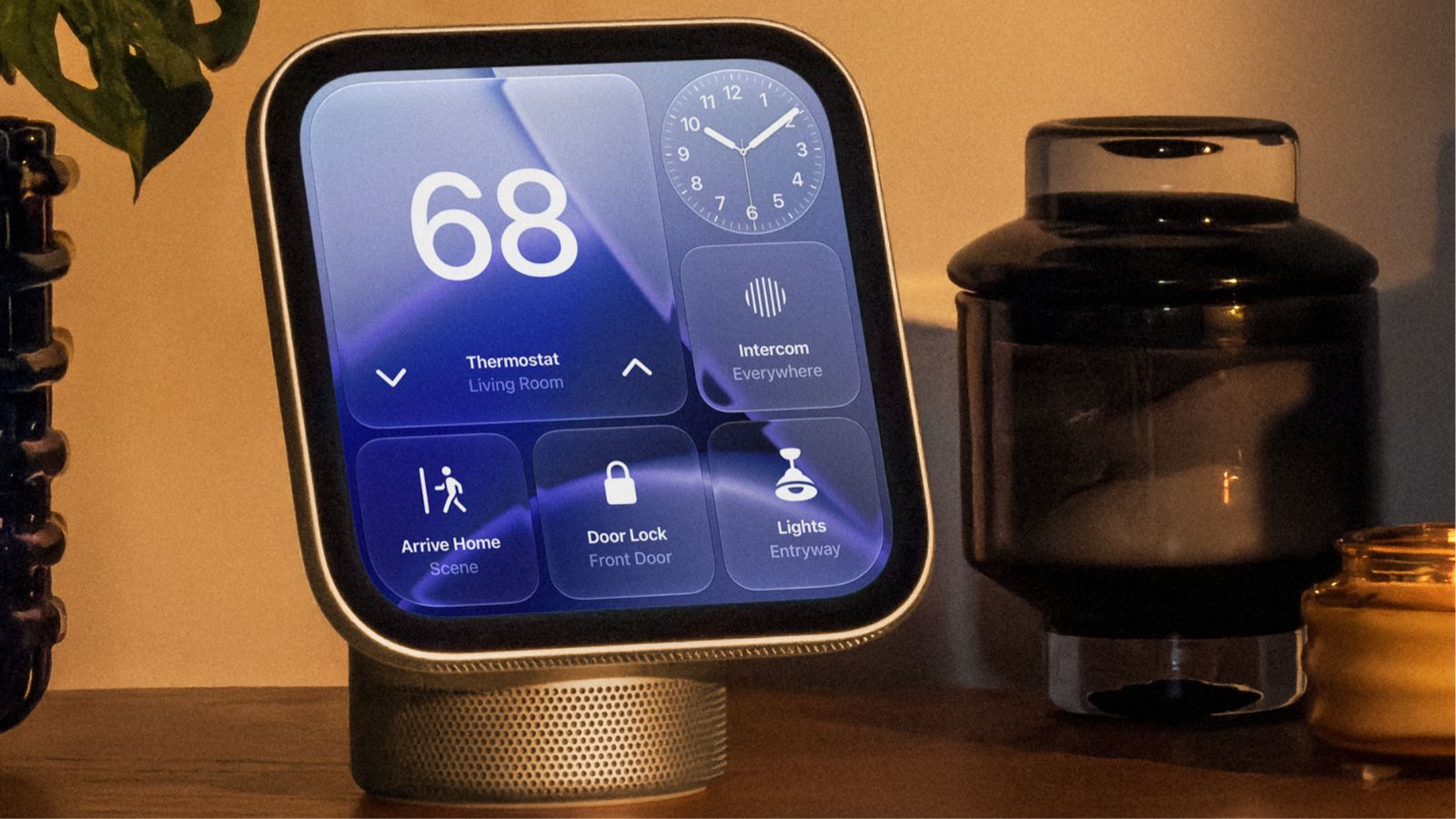
Apple’s HomeView is a meticulously designed 7-inch touchscreen device that promises to simplify the smart home experience. Unveiled at a recent New York event, the device is characterised by its minimalist aesthetic, intended to blend seamlessly into any home environment. It can be elegantly placed on an aluminium base or discreetly mounted on a wall, offering versatility in placement.
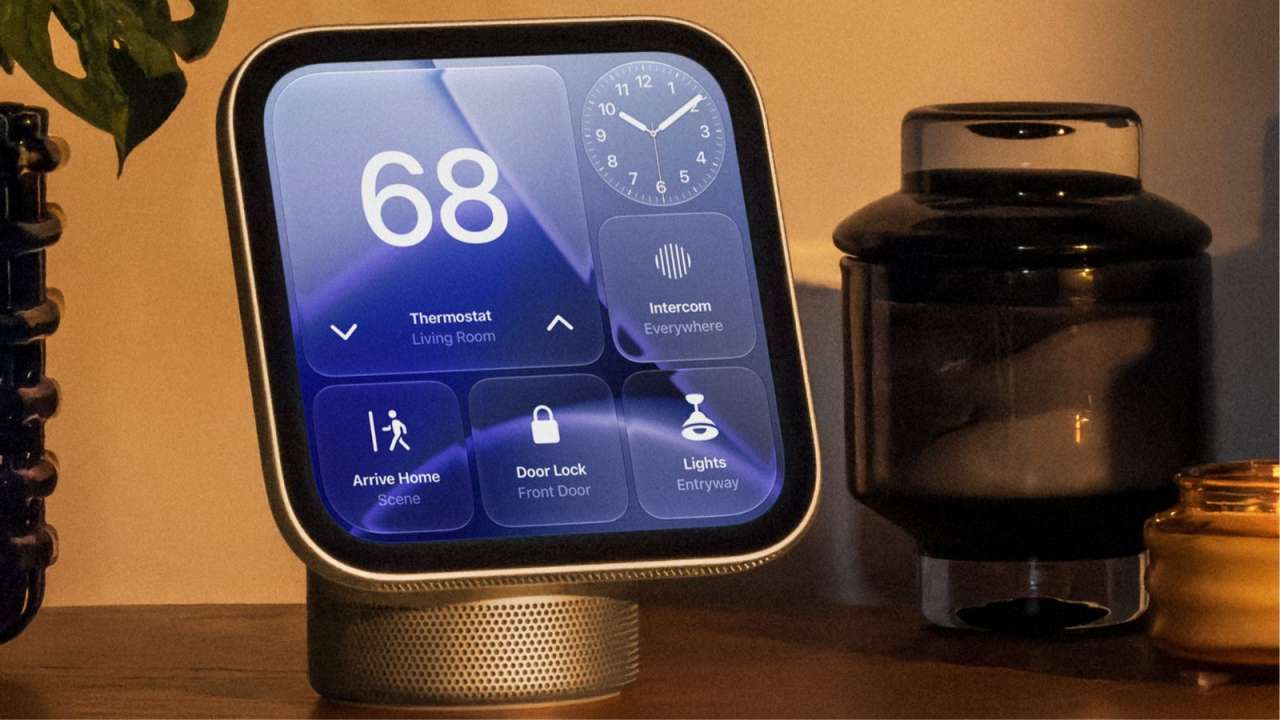
At its core, HomeView functions as an intelligent hub for the modern home, acting as a visual and interactive extension of a user’s iPhone. It integrates advanced camera and voice recognition technologies to personalise home screens dynamically, displaying relevant apps, calendar appointments, and notifications tailored to the individual user. Control primarily rests with an enhanced, personalised Siri AI, designed to understand context and anticipate needs more intuitively.
Crucially, HomeView is engineered with Apple’s hallmark emphasis on privacy. Unlike many smart home devices that store personal data directly or rely heavily on cloud processing, HomeView primarily relies on a nearby iPhone for context and sensitive data management. This architectural choice means that while built-in Apple applications like FaceTime and Apple Music are readily available, third-party services such as Spotify will leverage the iPhone for account authentication and content streaming, ensuring a consistent and secure user experience.
The USD 299 price point places HomeView at a premium compared to many offerings from Amazon and Google, a strategy consistent with Apple’s positioning in the high-end consumer electronics market. The company believes that its focus on unparalleled integration, privacy, and simplicity will justify the investment for its loyal user base and those seeking a more curated smart home experience. This launch is not just about a new product; it’s about redefining Apple’s presence in the smart home, moving beyond a speaker to a comprehensive visual and interactive control center.
)
Chronology: Apple’s Evolving Journey in the Connected Home
Apple’s engagement with the smart home concept is not new, but its approach has seen significant evolution over the years. From initial software frameworks to dedicated hardware, the company has consistently sought to integrate its ecosystem into the domestic sphere, albeit with varying degrees of success.
The Genesis of Apple’s Smart Home Ambition
Apple’s first major step into the smart home landscape came with the introduction of HomeKit in 2014. HomeKit was not a device itself but a software framework designed to allow users to securely control compatible smart home accessories using their iOS devices. It provided a unified platform for controlling lights, thermostats, locks, and more, all through the familiar Home app and Siri commands. The vision was clear: to establish a secure, private, and easy-to-use foundation for the smart home, leveraging the ubiquity of the iPhone and iPad. However, HomeKit initially faced challenges with accessory compatibility and a slower adoption rate compared to more open standards.
The HomePod Era: A Premium Niche with Limited Reach
The year 2018 marked Apple’s entry into smart home hardware with the launch of the original HomePod. This device was primarily marketed as a premium smart speaker, focusing heavily on delivering an exceptional audio experience. It featured advanced acoustic technology and deep integration with Apple Music and Siri. The HomePod aimed to combine high-fidelity sound with intelligent assistant capabilities, serving as a central hub for music playback and basic smart home control via HomeKit.

However, despite its impressive sound quality, the HomePod faced an uphill battle. Its high launch price of USD 349 positioned it significantly above competitors like Amazon Echo and Google Home, which offered broader smart assistant capabilities and a wider range of third-party integrations at a lower cost. Siri, while improving, was often perceived as less versatile than Alexa or Google Assistant for general knowledge queries and broader smart home management. As a result, the HomePod struggled to gain significant market traction, achieving only an estimated 6% market share in the burgeoning smart speaker segment.
Recognising the need for a more accessible offering, Apple introduced the HomePod mini in 2020. This smaller, more affordable version (USD 99) aimed to broaden Apple’s reach in the smart speaker market, offering a compelling balance of sound, Siri intelligence, and HomeKit integration. While the HomePod mini proved more successful in terms of sales, Apple’s overall footprint in the smart home hardware market remained relatively niche. The company clearly understood that a different approach was needed to truly compete and win over a broader audience.
Re-evaluating the Strategy: Simplicity as a Virtue
The development of HomeView represents a significant re-evaluation of Apple’s smart home strategy. The lessons learned from the HomePod’s journey—the importance of a clear value proposition beyond just audio, the need for competitive pricing (even if premium), and the demand for robust smart home functionality—have evidently informed HomeView’s design philosophy.
)
Apple’s new approach with HomeView pivots from a focus on high-end audio to a dedicated visual and interactive smart home screen. This shift acknowledges the growing consumer preference for devices that offer both voice and visual interaction. Furthermore, it embraces what Apple subtly terms a "boring" strategy. This isn’t an admission of lack of innovation, but rather a deliberate choice to prioritise reliability, predictability, and security over flashy, potentially unproven, or overly complex AI features. It’s about building trust by offering a consistent, private, and seamlessly integrated experience, making HomeView a direct response to the market’s fragmentation and persistent privacy concerns. This strategy positions HomeView not just as another gadget, but as a thoughtfully designed component for an integrated Apple-centric lifestyle.
Supporting Data: Market Dynamics and Apple’s Distinctive Approach
The smart home market is a vast and rapidly expanding sector, yet it remains remarkably fragmented and ripe for disruption. Despite nearly a decade of intense competition, no single player has managed to establish an unassailable lead, a reality that Apple aims to leverage with HomeView.
The Smart Home Landscape: A Fragmented Frontier
According to market research firms, the global smart home market is projected to reach hundreds of billions of dollars in the coming years, driven by increasing consumer interest in convenience, security, and energy efficiency. Devices like smart speakers, smart displays, smart lighting, and security cameras are becoming increasingly common in households worldwide.
)
Amazon and Google have been at the forefront of this expansion, thanks to their extensive ecosystems of Echo devices (Echo Show, Echo Dot) and Nest products (Nest Hub, Nest Mini). These companies have flooded the market with a wide range of devices at various price points, often integrating deeply with a multitude of third-party services and offering expansive AI capabilities through Alexa and Google Assistant. Their aggressive pricing and broad compatibility have allowed them to capture significant market share.
However, this rapid expansion has also led to a fragmented user experience. Consumers often grapple with compatibility issues between different brands, concerns over data privacy, and the sheer complexity of managing multiple devices and apps. The promise of a truly "smart" and seamless home often falls short, leading to user fatigue and a lack of clear differentiation among many offerings. This fragmentation, coupled with growing public awareness of data privacy implications, presents a strategic opening for a company like Apple, which can offer a more cohesive and trustworthy alternative.
Decoding Apple’s "Boring" Strategy: Trust and Integration
Apple’s decision to label HomeView’s approach as "boring" is a masterclass in strategic communication. In an era where AI is rapidly evolving and often generates headlines for its advanced capabilities but also its potential for errors, biases, or privacy intrusions, Apple is deliberately taking a different path.
)
The "boring" strategy translates into:
- Simplicity and Reliability: HomeView focuses on core functionalities that are essential and work flawlessly. It avoids feature bloat or experimental AI functions that might lead to user frustration or unexpected behaviour. The emphasis is on a predictable and consistent user experience.
- Trustworthiness: By prioritising privacy and security, Apple aims to build unparalleled trust. In a world increasingly wary of how personal data is collected and used by smart devices, HomeView’s architecture—where personal data largely resides on the user’s iPhone rather than being stored extensively on the device itself or in the cloud—is a significant differentiator. This approach aims to alleviate fears of surveillance or data breaches.
- Elegant Integration: Rather than attempting to be an all-encompassing, independent AI, HomeView is designed to be an intelligent extension of the iPhone. This means it leverages the robust security, existing apps, and personal data already stored on the user’s most personal device, simplifying setup and ensuring a deeply personalised experience from day one. This symbiotic relationship streamlines the user journey and enhances the overall value proposition for existing Apple users.
This strategy stands in stark contrast to competitors who often prioritise breadth of features and extensive cloud-based AI processing, sometimes at the expense of perceived user control over their data. Apple believes that in the long run, trust and simplicity will be more valuable currency for a device meant to live in the most intimate spaces of one’s home.
The iPhone Ecosystem: HomeView’s Foundation
The foundational pillar of HomeView’s design and functionality is its deep reliance on the iPhone ecosystem. HomeView is not just compatible with the iPhone; it is intrinsically linked to it. This connection offers several critical advantages:
)
- Seamless Personalisation: By tapping into the iPhone, HomeView can instantly access and display personalised information like individual Spotify accounts, family calendars, iMessages, and FaceTime contacts. This eliminates the need for extensive setup on the HomeView itself and ensures that the experience is immediately tailored to the user and their family members.
- Enhanced Security: The iPhone, with its robust security features, including Face ID/Touch ID and its secure enclave, acts as the primary guardian of sensitive personal data. HomeView’s limited on-device data storage means that much of the sensitive processing and data context is handled by the iPhone, offering a higher level of privacy protection.
- Simplified App Management: While Apple’s native apps are built-in, third-party applications like Spotify require an iPhone for full functionality. This ensures that app management, updates, and permissions are all handled through the familiar iOS interface, streamlining the user experience and maintaining consistency within the Apple ecosystem.
- Consistent User Experience: For the millions of existing iPhone users, HomeView offers an intuitive and familiar interface, extending the capabilities they already appreciate on their smartphones to a dedicated home screen. This reduces the learning curve and fosters immediate comfort with the new device.
This symbiotic relationship with the iPhone is central to Apple’s strategy, creating a compelling offering for its existing user base and potentially attracting new users seeking a truly integrated and secure smart home experience.
Privacy as a Differentiator in the AI Age
Apple has consistently positioned itself as a champion of user privacy, a stance that gains even greater significance in the era of pervasive AI and smart home devices. HomeView is a tangible manifestation of this commitment, designed from the ground up with privacy at its forefront.
Key privacy features include:
)
- Minimal On-Device Data Storage: Unlike many smart devices that collect and store vast amounts of data locally or in the cloud, HomeView is designed to minimise on-device storage of personal information. This reduces the risk of data breaches associated with the device itself.
- Context from iPhone, Not Cloud: For sensitive data and context, HomeView relies on the nearby iPhone. This means that personal information like contacts, messages, and detailed calendar entries are processed securely on the user’s personal device, rather than being uploaded to Apple’s servers for AI training or analysis.
- Personalised Siri with On-Device Learning: While Siri on HomeView offers personalised experiences, Apple’s approach focuses on on-device learning and differential privacy techniques. This allows Siri to adapt to individual user patterns and preferences without necessarily sending all raw data to the cloud, protecting user anonymity.
- Transparent Camera and Voice Recognition: HomeView utilises camera and voice recognition for personalisation (e.g., recognising who is speaking or approaching the screen). However, Apple provides clear controls and indicators for when these features are active, empowering users to manage their privacy settings transparently.
- Focus on User Control: Apple’s broader ecosystem provides robust privacy settings, allowing users to granularly control app permissions, data sharing, and location services. HomeView seamlessly integrates into this framework, giving users complete agency over their data.
In a market increasingly scrutinised for its data collection practices, Apple’s unwavering commitment to privacy with HomeView could serve as a powerful differentiator, appealing to consumers who prioritise security and control over their personal information above all else.
Official Responses: Apple’s Narrative and Market Scrutiny
Apple’s launch of HomeView is accompanied by a carefully crafted narrative, aiming to position the device as a thoughtful, secure, and essential addition to the modern home. This narrative, however, is subject to the scrutiny of industry analysts and the competitive landscape.
Apple’s Stated Rationale: Simplicity, Security, Synergy
While direct quotes from Apple executives are not provided in the original brief, the company’s messaging surrounding HomeView strongly suggests a clear and consistent rationale. Apple’s official stance, as inferred from the product’s design and positioning, is centered on three core tenets:
)
- Simplicity: Apple believes there is a significant market demand for a smart home device that cuts through the complexity and feature bloat often seen in competitor products. HomeView is designed to be intuitive, easy to set up, and straightforward to use, offering a focused set of functionalities that enhance daily life without overwhelming the user. The New York event likely underscored this emphasis on elegant design and a seamless user experience, hallmarks of Apple products.
- Security and Privacy: Learning from general consumer concerns and its own past experiences, Apple is doubling down on privacy as a key differentiator. The architectural decision to rely on the iPhone for sensitive data and context, coupled with minimal on-device storage, is a direct response to growing anxieties about data collection by smart home devices. Apple aims to foster user confidence that HomeView is a trustworthy presence in their homes.
- Ecosystem Synergy: HomeView is presented not as a standalone gadget, but as an indispensable extension of the iPhone and the broader Apple ecosystem. This synergy means that existing Apple users can instantly leverage their personalised settings, apps, and security features, making HomeView a natural and logical addition to their connected lives. It’s about deepening user engagement within the "walled garden" by offering a more complete and integrated home experience.
Apple implicitly acknowledges the HomePod’s limited success, positioning HomeView as a refined, more focused approach to the smart home that addresses previous shortcomings by offering a clear visual interface and a stronger privacy proposition.
Analyst Perceptions and Market Reactions
Initial reactions from industry analysts and commentators are likely to be mixed but generally positive, albeit with critical observations. The USD 299 price point will undoubtedly be a talking point. While higher than comparable offerings from Amazon (e.g., Echo Show 8, often below USD 200) and Google (e.g., Nest Hub, often below USD 100), analysts will recognise this as consistent with Apple’s premium pricing strategy. The company has a proven track record of succeeding in high-end markets despite more affordable alternatives (e.g., iPhone vs. Android, MacBook vs. Windows laptops).
The "boring" strategy will likely spark debate. Some analysts might view it as a shrewd, mature move to address real consumer pain points (privacy, complexity), differentiating Apple from rivals who might be perceived as prioritising flashy but potentially unreliable AI. Others might argue that it represents a cautious approach, potentially missing an opportunity to push the boundaries of AI innovation in the home. However, the prevailing sentiment will likely acknowledge that Apple is targeting a specific segment: existing iPhone users who value seamless integration, privacy, and a premium experience. The success of HomeView will be measured not just by raw sales numbers, but by its ability to deepen loyalty within the Apple ecosystem and potentially attract privacy-conscious consumers who have previously shied away from smart home devices.
)
The Competitive Counter-Narrative
While direct official responses from Amazon and Google are unlikely immediately after Apple’s announcement, their implicit counter-narrative is well-established and predictable. They would likely highlight:
- Breadth of Product Range: Emphasising their wide array of smart displays and speakers at various price points, catering to a broader market segment.
- Extensive Third-Party Integration: Stressing their open ecosystems and the vast number of compatible smart home devices and services from various manufacturers, offering greater flexibility and choice.
- Advanced AI Capabilities: Highlighting the extensive capabilities of Alexa and Google Assistant in terms of general knowledge, conversational AI, and proactive assistance, which have been refined over nearly a decade of continuous development and data collection. They might subtly imply that Apple’s "boring" approach means a less feature-rich or less intelligent AI.
- Affordability: Pointing to their more competitive pricing, which makes smart home technology accessible to a wider demographic.
Ultimately, Amazon and Google would likely continue to champion their strategy of broad accessibility, extensive features, and an open platform, contrasting it with Apple’s more curated, premium, and tightly integrated approach. The smart home market is large enough for multiple players, and the competition will intensify as each company refines its unique value proposition.
Implications: Reshaping the Smart Home and Apple’s Future
The launch of Apple HomeView carries significant implications, not only for the smart home market but also for Apple’s broader ecosystem strategy and the future trajectory of consumer technology.
)
Reshaping the Smart Home Paradigm
HomeView has the potential to influence the design philosophy of future smart home devices. By deliberately choosing simplicity and focusing on core, reliable functionalities, Apple might inspire a shift away from feature bloat towards more focused, user-friendly, and privacy-conscious products. If HomeView proves successful, competitors might be compelled to re-evaluate their own strategies, potentially leading to a market where "less is more" for certain segments. The emphasis on a visual screen as a central control point, rather than solely voice, could also accelerate the adoption of smart displays as the preferred interface for managing home environments. It might also push for greater adherence to smart home standards like Matter, ensuring broader interoperability even within a more curated experience.
Strengthening the Apple Walled Garden
HomeView is strategically positioned to reinforce and expand the Apple ecosystem. For existing iPhone users, it offers a compelling reason to deepen their investment in Apple products, making the "walled garden" even more appealing and functional. The seamless integration of iMessage, FaceTime, Apple Music, and personalised Siri within the home environment further entrenches users within Apple’s services. This device could become a critical hub, not just for smart home control but also for future Apple services and hardware, potentially integrating with devices like the Apple Vision Pro for immersive experiences or acting as a central display for Apple Health data. By offering a comprehensive, integrated solution, Apple makes it more challenging for users to switch to competing platforms, enhancing customer loyalty and lifetime value.
Consumer Adoption and the Value Proposition
The success of HomeView will hinge on whether consumers embrace Apple’s "boring but trustworthy" approach at a premium price. The target audience is clear: existing iPhone users who are already invested in the Apple ecosystem, value privacy, and are willing to pay more for a seamless, elegantly designed, and secure experience. For these users, HomeView’s direct connection to their iPhone and its promise of personalised privacy will be a strong selling point.
)
However, the challenge will be to clearly communicate this value proposition beyond just the Apple faithful. While its higher price point might deter budget-conscious consumers or those outside the Apple ecosystem, the company is betting on the long-term appeal of reliability, security, and integration. Demonstrating tangible benefits beyond novelty, such as improved daily routines, enhanced family communication, and robust privacy protections, will be crucial for broader adoption.
Future Trajectories and Ecosystem Expansion
HomeView is likely just one piece of Apple’s long-term vision for ambient computing and the truly intelligent home. Future iterations could see:
- Enhanced AI Capabilities: While starting "boring," HomeView’s Siri AI will undoubtedly evolve, potentially incorporating more advanced, privacy-preserving machine learning capabilities for predictive assistance and context awareness.
- Broader Third-Party Integration: Over time, Apple might expand its support for third-party smart home devices and services, ensuring HomeView remains a versatile hub while maintaining its privacy principles.
- New Form Factors: The 7-inch screen is a starting point; Apple could explore different screen sizes, portable versions, or deeper integration into furniture or appliances.
- Health and Wellness Focus: HomeView could evolve to integrate more deeply with Apple Health, offering visual dashboards for wellness data, medication reminders, or even act as a hub for ambient health monitoring devices.
Ultimately, HomeView represents a mature and strategic pivot for Apple in the smart home. By leveraging its core strengths in design, ecosystem integration, and privacy, the company is not just launching a new product; it is attempting to redefine what a "smart" home device should be: not necessarily the most feature-rich or the cheapest, but the most trusted, intuitive, and seamlessly integrated into one’s digital life. The success of this strategy will dictate Apple’s standing in the connected home for years to come.