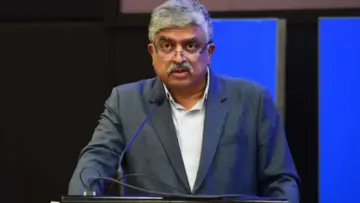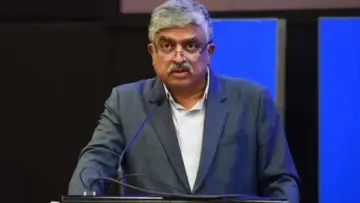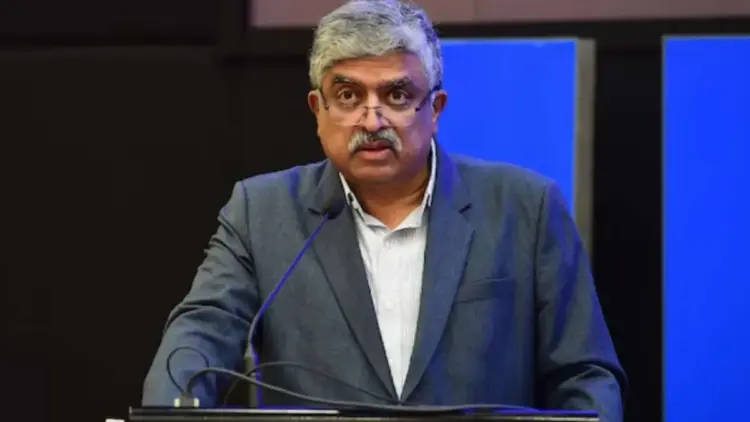
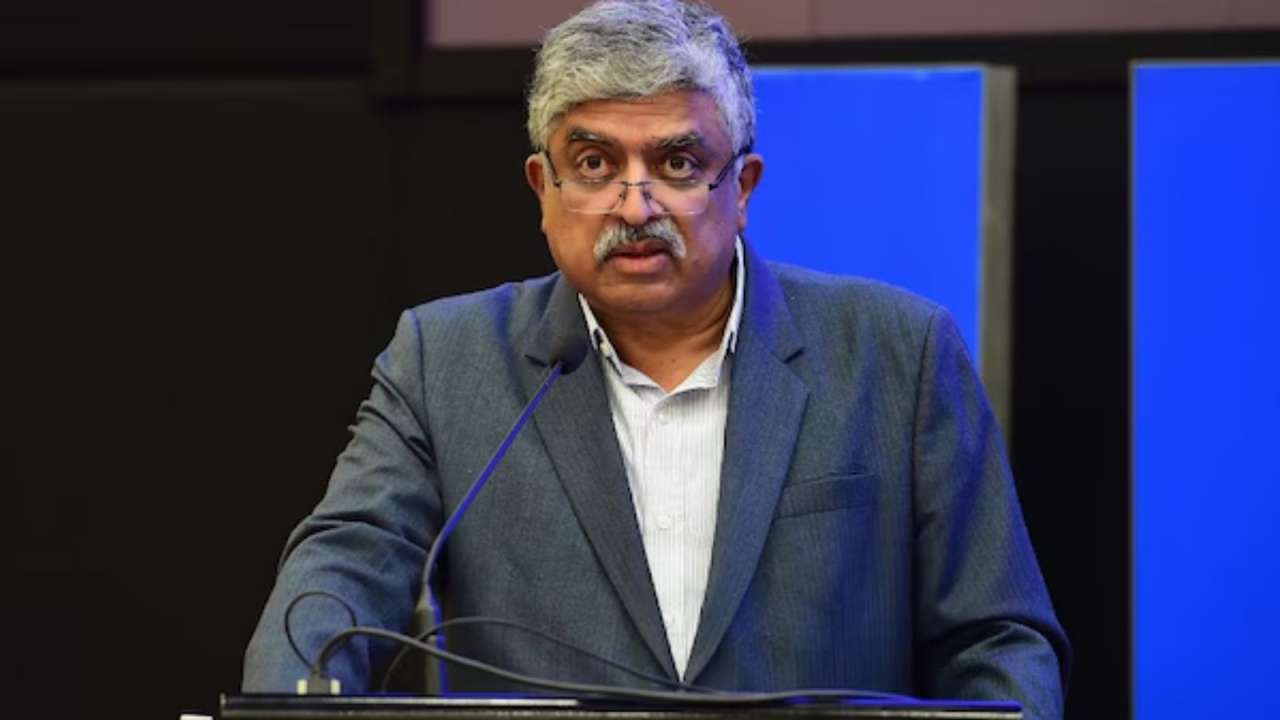
New Delhi, India – In a bold and forward-thinking move aimed at eradicating the persistent menace of examination paper leaks, Nandan Nilekani, the visionary co-founder of Infosys and a leading figure in India’s digital transformation, has put forth a groundbreaking proposal. Speaking at the prestigious Bloomberg New Economy Forum 2026, Nilekani suggested the radical adoption of Artificial Intelligence (AI) to generate question papers at the eleventh hour, coupled with a widespread shift towards computer-based testing (CBT) for all major examinations. This initiative stems from his leadership of a six-member task force established by the central government in July to overhaul the nation’s examination system, a move necessitated by mounting public outcry and a series of high-profile paper leaks.
The current examination paradigm, with its fixed question papers, has unfortunately become a lucrative target for unscrupulous elements, creating a significant economic incentive for leaks and subsequent black-market sales. Nilekani’s proposition directly addresses this vulnerability by proposing a dynamic and fluid approach to question paper creation. Instead of a static document, the vision is to build a colossal repository of meticulously crafted questions. Then, on the very day of the examination, AI algorithms would curate and assemble the question paper, ensuring that no two sets are identical and, crucially, that no advance access is possible.
The AI Advantage: A Digital Shield Against Leaks
"Why do we need to have something called ‘a question paper’?" Nilekani posed rhetorically during his address. "Because that creates an economic incentive for it to be sold. One way to look at how to solve it is to have a massive bank of questions, and only at the last minute generate the question paper for the day." This revolutionary approach, he elaborated, hinges entirely on the successful implementation of computer-based testing. The inherent nature of digital delivery, he implied, would be the bedrock upon which this last-minute AI generation system could function securely and efficiently.

The implications of this proposal are profound. For decades, the integrity of competitive examinations, from university admissions to government recruitment, has been consistently undermined by leaks. These breaches not only defraud genuine aspirants but also erode public trust in the meritocratic system. The proposed AI-driven solution offers a potent technological countermeasure, leveraging the power of advanced algorithms to outmaneuver those seeking to exploit vulnerabilities. While Nilekani did not explicitly detail the safeguards against the potential leakage of the question bank itself, the emphasis on last-minute generation strongly suggests a strategy designed to minimize the window of opportunity for any illicit access.

A Paradigm Shift Towards Computer-Based Testing
The feasibility of Nilekani’s AI-generated question paper concept is intrinsically linked to a broader transformation: the universal adoption of computer-based testing. The task force, he revealed, is actively exploring the implementation of CBT for all significant examinations across the country. "The committee is looking at how to make sure all exams are done on CBT," he stated. "That requires a network of locations. We have 1,50,000 locations where young candidates can take a test and that needs to be expanded."

This ambitious vision acknowledges the infrastructural requirements for a nationwide CBT rollout. The existing network of testing locations, while substantial, will need significant expansion and upgrading to accommodate the sheer volume of candidates and the technical demands of digital examinations. The National Testing Agency (NTA), a key player in this reform, is reportedly collaborating with the All India Council for Technical Education (AICTE) to identify suitable IT infrastructure and government institutions. This partnership aims to establish standardized testing centers, with a deliberate avoidance of private centers due to ongoing concerns about their integrity.

However, the transition to a fully digital examination system is not without its challenges. The persistent digital divide in India, particularly the disparity in internet access and digital literacy between urban and rural areas, remains a significant hurdle. Nilekani’s statement, while acknowledging the need for expanded locations, did not elaborate on specific strategies to address these disparities, leaving a crucial question mark on the inclusivity of this proposed reform. Ensuring that students from all socio-economic backgrounds and geographical locations have equitable access to CBT facilities will be paramount to the success and fairness of this new examination model.

The Genesis of the Task Force: Responding to a Crisis
The establishment of this high-level task force, mandated to address the endemic issue of paper leaks, was a direct consequence of a national crisis of confidence in the examination system. The resignation of Education Minister Dharmendra Pradhan in July, amidst widespread protests and allegations of systemic failures, underscored the urgency of the situation. The six-member panel, led by Nandan Nilekani, brings together a formidable array of expertise. Its members include S. Somanath, the former Chairman of the Indian Space Research Organisation (ISRO), and Tapan Deka, the former Director of the Intelligence Bureau (IB), individuals whose backgrounds in technological innovation, security, and intelligence are invaluable to the task of reforming a complex system.

With a three-month deadline to submit its comprehensive report, the task force has been engaged in an intensive period of deliberation and data gathering. It has reportedly conducted 18 internal meetings and engaged in extensive consultations with over 40 stakeholders. This consultative process has been remarkably inclusive, eliciting more than 50,000 suggestions from a diverse range of individuals, including students, parents, and representatives from various examination bodies such as the National Recruitment Agency (NRA), the Staff Selection Commission (SSC), and the Railway Recruitment Boards (RRB). This broad spectrum of input is crucial for developing reforms that are not only technologically sound but also practically implementable and widely accepted.

Supporting Data and the Scale of the Problem
The sheer scale of the problem that the task force is grappling with can be inferred from the multitude of leaks that have plagued India’s examination landscape. The NEET (National Eligibility cum Entrance Test) for medical admissions, the JEE (Joint Entrance Examination) for engineering, and various government recruitment examinations have, at different times, been compromised. These leaks not only lead to massive financial losses for exam conducting bodies and aspirants but also cast a long shadow over the perceived fairness and meritocracy of the system.

While specific figures for the economic impact of paper leaks are difficult to quantify precisely, the cost of re-examinations, investigations, and the erosion of trust runs into billions of rupees annually. The psychological toll on millions of students, who invest years of their lives preparing for these crucial examinations, is immeasurable. The current proposal by Nilekani and his task force represents a significant departure from incremental fixes, aiming instead for a systemic overhaul that leverages technology to fundamentally alter the landscape of examination integrity.

The NTA, for instance, conducts examinations for a vast number of candidates annually. For NEET alone, the number of registered candidates often exceeds 2 million. The logistics of conducting such large-scale examinations securely, and the potential fallout from a single leak, highlight the critical need for robust and innovative solutions. The proposed shift to CBT, coupled with AI-generated papers, could significantly streamline the process, reduce administrative overheads in the long run, and, most importantly, restore confidence in the fairness of the selection process.

Official Responses and the Path Forward
The proposal, while ambitious, has been met with cautious optimism by educational authorities and stakeholders. The government’s proactive establishment of the task force itself signals a commitment to addressing the issue. The inclusion of luminaries like Nandan Nilekani, who has a proven track record in implementing large-scale technological initiatives like Aadhaar, lends significant credibility to the reform agenda.

The Ministry of Education, while not issuing a direct statement on Nilekani’s specific proposal, has consistently emphasized its commitment to ensuring the sanctity of examinations. The ongoing efforts by the NTA and AICTE to identify suitable infrastructure for CBT centers are tangible steps in this direction. The extensive stakeholder consultations undertaken by the task force suggest a concerted effort to build consensus and ensure that the proposed reforms are practical and sustainable.

The ultimate success of this initiative will hinge on several critical factors. Firstly, the technological robustness of the AI system and the security protocols surrounding the question bank will need to be impenetrable. Secondly, the expansion of CBT infrastructure must be executed in a manner that is inclusive and addresses the digital divide. This may involve exploring hybrid models, offline testing capabilities in remote areas, or intensive digital literacy programs for students. Thirdly, continuous monitoring, adaptation, and a willingness to address unforeseen challenges will be crucial.

Implications for India’s Future Workforce and Education System
The implications of successfully implementing these reforms extend far beyond merely preventing paper leaks. A more secure and transparent examination system will foster a greater sense of fairness and equity among students, encouraging them to focus on genuine learning rather than the anxieties surrounding potential leaks. This, in turn, can lead to a more skilled and deserving pool of talent entering higher education and the workforce.

Furthermore, the widespread adoption of CBT will accustom students to a digital assessment environment, a skill increasingly vital in the modern economy. It can also pave the way for more innovative assessment methods, such as adaptive testing, which can tailor the difficulty of questions to a candidate’s performance, providing a more accurate measure of their abilities.

In essence, Nandan Nilekani’s proposal represents a pivotal moment in India’s ongoing journey of educational reform. By harnessing the power of artificial intelligence and embracing a digital-first approach to examinations, India has the potential to not only eliminate the scourge of paper leaks but also to create a more robust, equitable, and future-ready examination system that serves the aspirations of millions of its young citizens. The coming months will be critical as the task force finalizes its recommendations, and the nation watches with bated breath to see if this bold vision can be translated into reality.