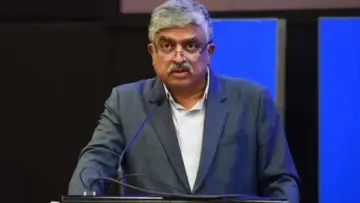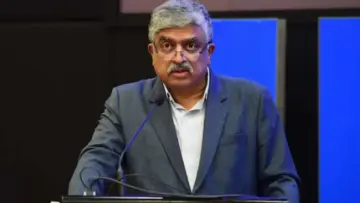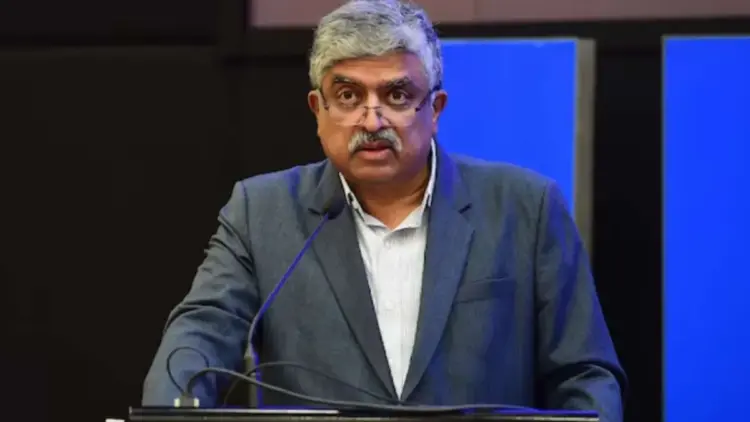
New Delhi, India – October 14, 2026 – In a bold stride towards eradicating the persistent menace of examination paper leaks, Nandan Nilekani, the visionary co-founder of Infosys and a leading figure in India’s digital revolution, has put forth a transformative proposal. At the prestigious Bloomberg New Economy Forum 2026, Nilekani advocated for the radical adoption of Artificial Intelligence (AI) to generate question papers at the eleventh hour, a move that could fundamentally reshape the landscape of competitive and academic assessments across the nation. This groundbreaking suggestion is part of a comprehensive reform agenda being spearheaded by a high-powered task force on exam reforms, which Nilekani chairs, aiming to restore faith and fairness in India’s examination system.
The current ecosystem of examinations in India is plagued by a recurring and deeply damaging issue: paper leaks. These breaches not only undermine the meritocratic principles of education but also foster disillusionment among millions of aspirants who dedicate years of their lives to preparation. Nilekani’s proposal directly addresses the economic incentive that fuels these leaks, suggesting a paradigm shift from static, pre-prepared question papers to dynamic, AI-generated ones.
The AI Solution: Disrupting the Leak Economy
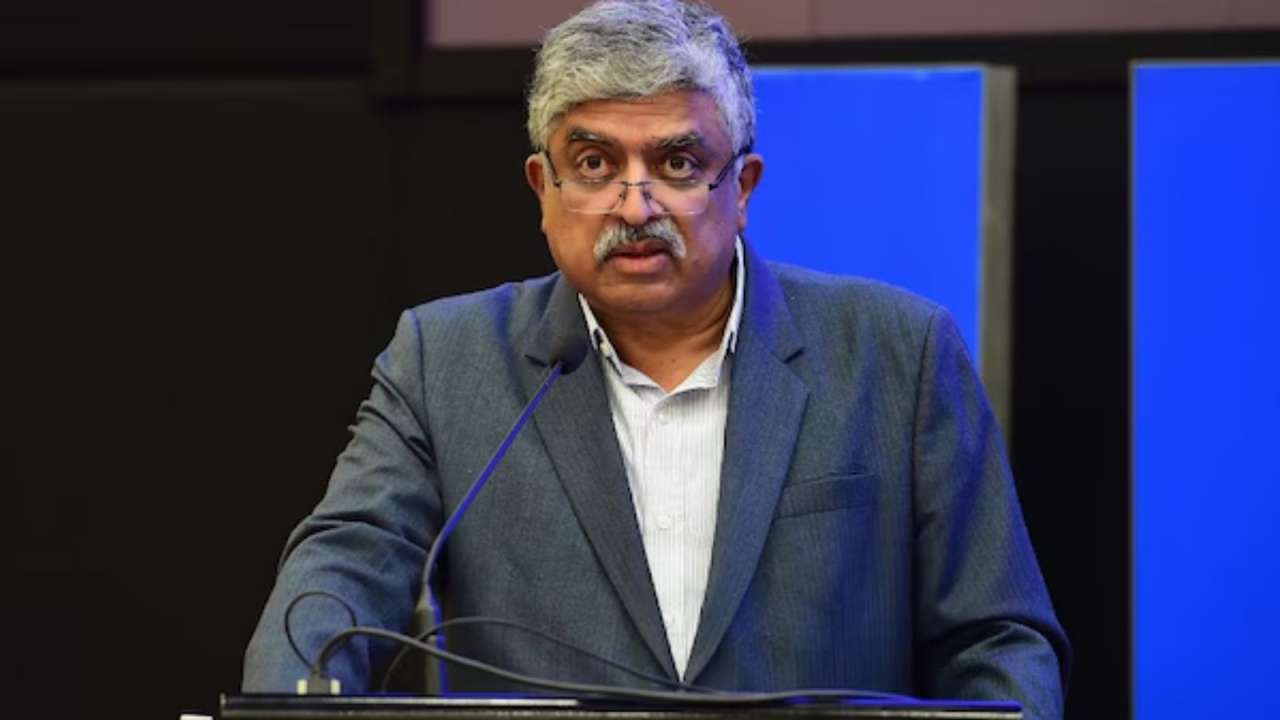
Nilekani articulated his vision with striking clarity, pinpointing the very nature of a fixed question paper as the root of the problem. "Why do we need to have something called ‘a question paper’? Because that creates an economic incentive for it to be sold," he stated at the forum. His proposed solution is to cultivate an expansive and robust question bank, from which question papers would be dynamically generated by sophisticated AI algorithms just moments before the examination commences.
This last-minute generation, according to Nilekani, would render the existing modus operandi of leak syndicates obsolete. The economic motivation to acquire and disseminate a paper that ceases to exist in a fixed form would be significantly diminished, if not entirely eliminated. The implication is a drastic reduction in the opportunities for corruption and unfair advantage.
However, this radical approach is inextricably linked to another significant reform: the widespread adoption of computer-based testing (CBT). Nilekani emphasized that the AI-generated question paper model is only feasible within a digital examination framework. This highlights a dual-pronged strategy: leveraging cutting-edge technology for content creation and embracing digital infrastructure for delivery. The success of this initiative hinges on the nation’s ability to transition a vast majority of its examinations, from entrance tests for higher education to recruitment examinations for government jobs, to a computer-based format.
The Push for a Digital Examination Infrastructure
The task force, established in July following widespread protests and the resignation of Education Minister Dharmendra Pradhan amidst the paper leak crisis, is actively exploring the widespread implementation of CBT for all major examinations. Nilekani indicated that the committee is assessing the logistical requirements for such a transition, including the need for a vast network of testing locations. "We have 1,50,000 locations where young candidates can take a test and that needs to be expanded," he remarked, underscoring the scale of the undertaking.

The ambition is to create a standardized and secure testing environment across the country. The National Testing Agency (NTA), a key body in this endeavor, is reportedly collaborating with the All India Council for Technical Education (AICTE) to identify suitable IT infrastructure and government institutions that can serve as secure testing centers. The decision to prioritize government institutions over private ones stems from concerns about maintaining the integrity and security of the examination process, a crucial factor in preventing future leaks.
Addressing the Digital Divide: A Critical Challenge
While the vision of AI-generated papers and widespread CBT is compelling, it is not without its challenges. A significant hurdle remains the digital divide that persists in many parts of India, particularly between urban and rural areas. The effective implementation of CBT requires reliable internet connectivity, access to computing devices, and a certain level of digital literacy among candidates. Nilekani’s remarks did not explicitly detail how the task force plans to address these disparities.

Ensuring equitable access to computer-based examinations will be paramount. This may involve significant investments in digital infrastructure in remote areas, mobile testing units, or alternative examination formats for regions with limited connectivity. The success of this reform will ultimately depend on its inclusivity and ability to reach every eligible candidate, regardless of their geographical location or socio-economic background.
A Chronology of Reform Efforts
The establishment of the task force on exam reforms on July 26, 2026, was a direct response to the escalating crisis of paper leaks that had rocked the nation. The unprecedented protests and public outcry following several high-profile leaks led to significant pressure on the government to take decisive action. The resignation of the Education Minister underscored the gravity of the situation.

The task force, comprised of distinguished individuals from diverse fields, was given a three-month mandate to formulate recommendations. Led by Nandan Nilekani, the panel includes former ISRO chief S. Somanath, former IB director Tapan Deka, and other experts. Since its inception, the task force has been diligently working, conducting 18 internal meetings and engaging in extensive consultations with over 40 stakeholders, including students, parents, and various examination bodies such as the National Recruitment Agency (NRA), the Staff Selection Commission (SSC), and the Railway Recruitment Boards (RRB). This comprehensive engagement has yielded over 50,000 suggestions, providing a rich repository of insights for the reform process.
Supporting Data and the Scale of the Problem
The urgency of Nilekani’s proposals is underscored by the sheer scale of examinations conducted in India and the devastating impact of paper leaks. Millions of students appear for competitive examinations annually, vying for limited seats in prestigious educational institutions and government jobs. For instance, the National Eligibility cum Entrance Test (NEET) for medical admissions sees over 2 million applicants. Similarly, examinations conducted by SSC and RRB attract millions of aspirants each year.

The economic impact of paper leaks is also substantial. The market for leaked papers is a black market that thrives on the desperation and aspirations of students and their families, often extorting exorbitant sums of money. Beyond the financial implications, the emotional toll on students who prepare diligently, only to be defeated by unfair means, is immeasurable. Studies and reports by various educational watchdogs have consistently highlighted the pervasive nature of these leaks, often involving organized criminal networks. The problem is not confined to one or two examinations but has become a recurring blight across multiple assessment platforms.
Official Responses and the Path Forward
The government’s swift action in forming the task force indicates a strong commitment to addressing the issue of paper leaks. The inclusion of prominent figures like Nilekani and Somanath lends significant weight and credibility to the reform process. The Ministry of Education has expressed its openness to exploring innovative solutions, and the proactive stance of the NTA in seeking technical collaborations further reinforces the intent to move towards more secure examination methodologies.

The proposed shift to CBT, coupled with AI-generated question papers, represents a significant technological leap. The government’s acknowledgment of the need to expand the testing infrastructure highlights a recognition of the logistical challenges involved. The emphasis on government-run centers over private ones suggests a desire to regain greater control over the security and integrity of the examination process.
Implications and Future Outlook
Nandan Nilekani’s dual proposal of AI-generated question papers and a nationwide shift to computer-based testing has profound implications for the future of examinations in India.

For Students: If successfully implemented, these reforms promise a more equitable and meritocratic examination system. Students can look forward to a level playing field where their hard work and preparation are the sole determinants of their success, free from the shadow of leaked papers and unfair advantages. This could lead to increased confidence and reduced anxiety surrounding examinations.
For Educational Institutions and Employers: A more reliable and secure examination system will ensure that the candidates admitted to educational institutions and recruited for jobs are genuinely meritorious and possess the required skills and knowledge. This will ultimately enhance the quality of education and the effectiveness of the workforce.

For the Government: The successful implementation of these reforms would be a significant achievement, restoring public trust in the examination system and demonstrating the government’s commitment to tackling corruption and promoting fairness. It would also position India as a leader in leveraging technology for educational reform.
Technological Advancement: The widespread adoption of AI in generating question papers could spur further innovation in educational technology. It could also lead to the development of more sophisticated AI tools for personalized learning, assessment, and feedback.

However, the path ahead is not without its complexities. The successful transition to CBT will require substantial investment in infrastructure, training, and public awareness campaigns, especially to bridge the digital divide. Continuous vigilance and adaptation will be necessary to counter any new threats or vulnerabilities that may emerge.
Nandan Nilekani’s vision offers a compelling glimpse into a future where examinations are not only a measure of knowledge but also a testament to fairness and integrity, powered by the transformative potential of artificial intelligence and digital innovation. The coming months will be crucial in determining how effectively this ambitious blueprint is translated into tangible reality, potentially heralding a new era for education and assessment in India.