TECHNOLOGY
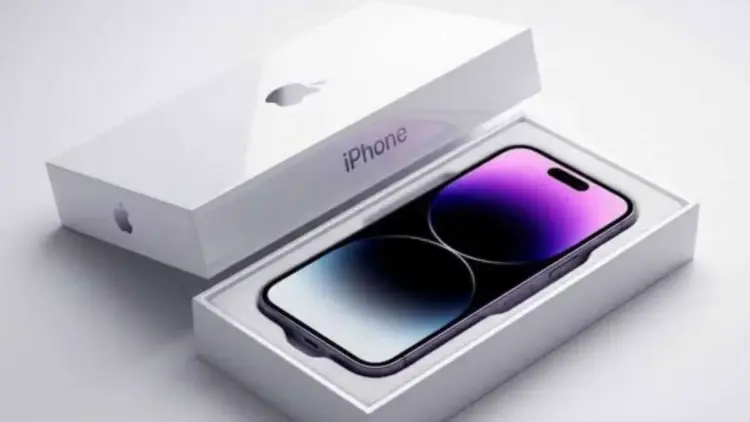
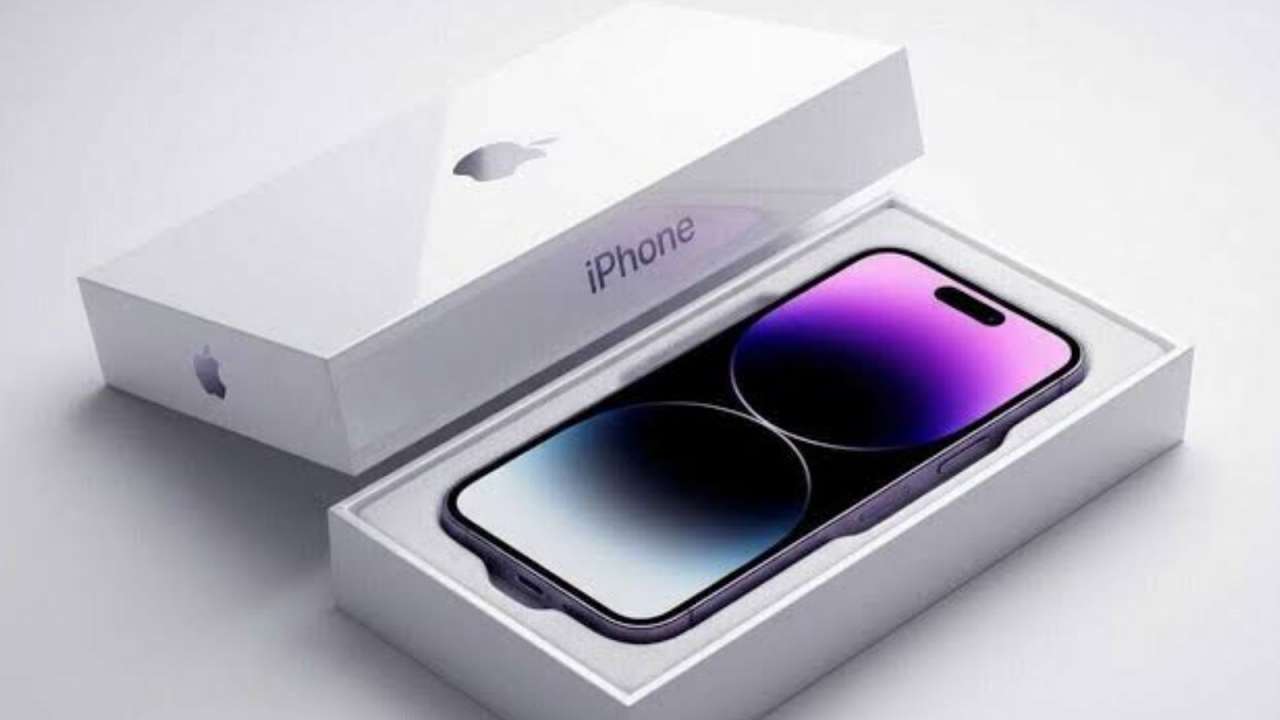
In a significant development that underscores the evolving dynamics of the premium smartphone market, Apple Inc. has reportedly scaled back its component orders for the recently launched iPhone 18 Pro and iPhone 18 Pro Max models. This move, coming mere weeks after the highly anticipated September launch, signals a potential softening in demand, raising questions about consumer spending habits, pricing strategies, and the broader economic climate impacting the technology sector. The news, first brought to light by Nikkei Asia, suggests a cautious approach by the Cupertino giant in response to market signals.
Executive Summary: Apple’s iPhone 18 Pro Production Cuts Signal Cooling Demand
Apple, a titan in the global technology landscape renowned for its meticulously managed supply chain and often robust demand for its flagship products, appears to be confronting a more challenging market reality with its latest high-end smartphones. Reports indicate that the company has instructed its suppliers to reduce component production for the iPhone 18 Pro and iPhone 18 Pro Max by an estimated 15 to 20 per cent for the month of October. This adjustment is not merely a logistical tweak but a strong indicator that initial sales projections may not be materializing as anticipated. Several converging factors are believed to be at play, including the higher price points of the new Pro series, the global surge in memory chip costs, and broader macroeconomic pressures impacting consumer discretionary spending. The implications of such a decision from a company of Apple’s stature resonate across its vast ecosystem, from its numerous suppliers to its competitors and, ultimately, to the consumers themselves who are increasingly discerning in their purchasing decisions amidst economic uncertainties. The reported cuts serve as a critical barometer for the health of the premium smartphone segment and the tech industry at large.
The Core Revelation: Unpacking Nikkei Asia’s Report
The initial report from Nikkei Asia, a respected publication known for its deep insights into Asian supply chains and technology manufacturing, sent ripples through financial markets and the tech community. According to sources familiar with the matter, Apple has communicated to its extensive network of component suppliers a directive to curtail production volumes for the iPhone 18 Pro and iPhone 18 Pro Max. The specified reduction, ranging between 15% and 20% for October, is a notable shift, particularly for a product line that typically enjoys strong initial demand following its annual refresh. This percentage cut, while seemingly modest in isolation, translates into millions of fewer components needed, impacting a wide array of manufacturers responsible for screens, processors, camera modules, batteries, and other critical parts.

Immediate Impact and Market Reaction
The immediate market reaction to the Nikkei report was one of caution. Apple’s stock, while resilient, saw some downward pressure, and shares of key suppliers, particularly those heavily reliant on iPhone orders, experienced more pronounced dips. Analysts swiftly began to revise their sales forecasts for the fourth quarter of the current fiscal year and the first quarter of the next. The significance of this report lies in its timing: just weeks after the launch, when demand is traditionally at its peak due to early adopters and holiday shopping anticipation. Any slowdown so early in the product cycle raises legitimate concerns about the longevity of the current sales cycle and the overall consumer appetite for ultra-premium devices in the prevailing economic climate. The report highlights Apple’s proactive, albeit reactive, approach to supply chain management, demonstrating its ability to quickly adjust production in response to real-time demand signals, a capability that has historically given it a competitive edge.
A Chronology of Anticipation and Adjustment
To fully appreciate the gravity of Apple’s reported production cuts, it is essential to contextualize the events leading up to this point, tracing the trajectory from pre-launch excitement to post-launch recalibration.

The Pre-Launch Hype and September Unveiling
The months leading up to Apple’s annual September product launch are typically characterized by intense speculation, leaks, and a palpable sense of anticipation among consumers, tech enthusiasts, and investors alike. The iPhone 18 Pro series was no exception. Rumors hinted at significant camera improvements, enhanced processing power, and potentially new design elements. Expectations were high for Apple to once again set the benchmark for smartphone innovation and command strong sales, especially in the premium segment where its brand loyalty is formidable.
The official unveiling in September showcased the iPhone 18 Pro and iPhone 18 Pro Max, emphasizing their advanced capabilities, new chip architecture, and refined aesthetics. Crucially, the launch event also confirmed earlier whispers about increased pricing. In the United States, the Pro models saw a notable $100 price hike compared to their predecessors. In key international markets like India, the impact was even more pronounced, with the iPhone 18 Pro starting at Rs 1,64,900 and the Pro Max at Rs 1,79,900 – figures that place them firmly in the ultra-luxury consumer electronics category. Despite the higher prices, initial pre-orders often indicate robust demand, fueled by early adopters eager to possess the latest technology.

Post-Launch Reality: Supply Chain Signals and Shifting Demand
In the immediate aftermath of the launch, Apple’s extensive global supply chain began ramping up production to meet the expected surge in demand. However, within weeks, subtle yet significant indicators started to emerge. UBS analysts, closely monitoring market trends, reported a decrease in average waiting times for the iPhone 18 Pro in over 30 markets worldwide. While improved supply chain efficiency could be one interpretation, a more concerning possibility is that this reduction in waiting times points towards a weakening in actual consumer demand. If customers are no longer facing extended delays to receive their new devices, it suggests that the initial rush has subsided faster than anticipated, or that the overall volume of orders is simply lower.
This anecdotal evidence from market analysts, combined with the detailed insights from Nikkei Asia’s sources within the supply chain, paints a clearer picture of a post-launch period that has not entirely lived up to initial internal forecasts. The decision to cut component orders is a direct, tangible response to these observed market conditions, indicating that Apple’s internal demand models are being adjusted downwards. This swift reaction underscores Apple’s data-driven approach but also highlights the sensitivity of the market to factors such as pricing and broader economic health.

Deeper Dive into the Data: Factors Fueling the Downturn
The reported softening of demand for the iPhone 18 Pro series is not an isolated phenomenon but rather a confluence of several interrelated economic and market-specific factors. Understanding these drivers is crucial for grasping the broader implications.
The Price Premium: A Barrier to Entry for the iPhone 18 Pro Series
The most immediate and obvious factor impacting demand is the elevated price point of the iPhone 18 Pro series. With a $100 increase in the US and even more significant jumps in international markets like India, where currency fluctuations further exacerbate the cost, these devices are becoming increasingly exclusive. In an era where global inflation has eroded purchasing power and interest rates have risen, consumers are scrutinizing their discretionary spending more closely than ever before. For many, the incremental upgrades offered by the new Pro models may not justify the substantial price jump over previous generations or even other premium alternatives. The "sticker shock" factor can deter potential buyers, leading them to either delay upgrades, opt for older, more affordable iPhone models, or consider offerings from competing brands that provide similar features at a lower cost. This price sensitivity is particularly acute in emerging markets where disposable incomes are generally lower, and even in developed markets where economic uncertainties prompt greater financial caution.

The Rising Cost of Components: The Memory Chip Conundrum
Adding another layer of complexity to Apple’s predicament is the global surge in memory chip prices. This increase is largely driven by heightened demand from tech companies, particularly those investing heavily in artificial intelligence (AI) data centers. The insatiable need for high-performance memory to power AI models and large-scale computing infrastructure has created a supply crunch and pushed up costs across the board. While Apple’s massive purchasing power often allows it to negotiate favorable terms, it is not entirely immune to these market forces. Higher memory chip costs directly impact the Bill of Materials (BOM) for smartphones and other electronics, squeezing profit margins if not passed on to consumers.
Apple typically aims to maintain healthy profit margins on its premium devices. If component costs rise, the company faces a difficult choice: absorb the increased costs and reduce margins, or pass them on to consumers through higher retail prices. The latter appears to have been the strategy for the iPhone 18 Pro series, contributing to the higher retail prices discussed previously. This creates a challenging cycle: rising component costs necessitate higher prices, which in turn can dampen consumer demand, potentially leading to lower sales volumes.

Global Economic Headwinds and the Broader Smartphone Market
Beyond specific product pricing and component costs, the global macroeconomic environment casts a long shadow over the entire smartphone market. Research firm IDC anticipates a significant 16.7% drop in global smartphone shipments in 2026, indicating a broad market contraction. While average selling prices (ASPs) are expected to rise by 27.6% – reflecting a premiumization trend where fewer, more expensive phones are sold – this doesn’t necessarily translate to robust unit sales for every premium model. Consumers are holding onto their devices for longer, with upgrade cycles extending as the pace of perceived innovation slows and the quality of existing devices remains high.
Factors such as persistent inflation, higher interest rates, and geopolitical uncertainties are eroding consumer confidence and disposable income worldwide. In such an environment, major discretionary purchases like a new high-end smartphone become more difficult to justify. The market is maturing, and growth is increasingly concentrated in specific segments or regions, making it harder for even dominant players like Apple to achieve the explosive growth rates seen in previous decades.

Regional Disparities: The Indian Market’s Unique Challenges
The Indian market provides a stark example of how global trends intersect with local economic realities. While a growing market for premium smartphones, India faces unique challenges. The weakening Indian rupee against the US dollar significantly inflates the cost of imported electronics. Since iPhones are largely imported, the unfavorable exchange rate directly contributes to higher local retail prices, making the iPhone 18 Pro series even less accessible to a broader segment of the population. Even for affluent buyers, the sheer cost, approaching Rs 1.8 lakh for the Pro Max, represents a substantial investment that requires careful consideration. This dynamic underscores the importance of regional economic stability and currency strength in determining the success of global product launches.
Analyst Perspectives: Deciphering Market Sentiment
The reports from Nikkei Asia and UBS analysts are just two pieces of a larger puzzle. Many other financial institutions and tech market research firms are closely monitoring Apple’s performance. The consensus emerging from these analyses often points to a cautious outlook for the near term. While Apple’s ecosystem and brand loyalty remain powerful assets, analysts are increasingly scrutinizing unit sales figures, average selling prices, and revenue diversification beyond hardware. Any significant downturn in iPhone sales, particularly the high-margin Pro models, could impact Apple’s overall revenue and profitability targets, prompting investor re-evaluation of the company’s growth trajectory in a maturing market. The narrative shifts from "how many iPhones can Apple sell?" to "how much value can Apple extract from each iPhone sold, and how can it diversify revenue through services?"

Apple’s Stance: Silence Amidst Speculation
In the face of persistent reports and growing speculation regarding its production adjustments, Apple has maintained its characteristic silence. This lack of an official statement is not unusual for the company, which has a long-standing policy of not commenting on supply chain rumors, production figures, or unofficial sales data.
The Company’s Traditional Approach to Supply Chain Rumors
Apple’s tight-lipped approach to its operational specifics is a well-established aspect of its corporate culture. The company rarely confirms or denies reports from its supply chain partners, preferring to let its official earnings reports and product announcements speak for themselves. This strategy is partly driven by a desire to maintain competitive secrecy, prevent market manipulation, and manage investor expectations directly through official channels rather than through external leaks or speculative articles. For decades, Apple has navigated a landscape rife with rumors, and its consistent policy has been to focus on its products and financial performance as disclosed quarterly.

Interpreting the Absence of Official Commentary
While the absence of an official response might leave some observers wanting, it is largely interpreted by industry insiders as standard operating procedure. When Apple remains silent, the market typically assumes that the reports, if credible, are likely accurate. Had the reports been wildly inaccurate or deliberately misleading, Apple might issue a rare, terse denial to protect its brand and investor confidence. The fact that no such denial has been issued lends further weight to the reports from Nikkei Asia and UBS, suggesting that the company is indeed making adjustments to its production schedules. Investors and analysts, therefore, factor this silence into their assessments, understanding that any significant changes in Apple’s operational outlook will eventually be reflected in its forthcoming financial results and forward-looking statements during earnings calls. The market is adept at reading between the lines of Apple’s strategic silence.
Far-Reaching Implications: A Ripple Effect Across the Ecosystem
The reported production cuts for the iPhone 18 Pro series carry significant implications that extend far beyond Apple’s immediate balance sheet, impacting various stakeholders across the technology ecosystem.

For Apple: Navigating Revenue Projections and Strategic Adjustments
For Apple itself, any substantial reduction in iPhone Pro sales directly impacts its most lucrative product category. While the company has been diligently diversifying its revenue streams through its rapidly growing Services division (App Store, Apple Music, iCloud, Apple TV+, etc.), the iPhone remains the core engine driving profitability and ecosystem growth. Lower-than-anticipated sales of high-margin Pro models could put pressure on overall revenue targets, potentially affecting investor confidence and leading to a re-evaluation of its stock valuation.
Strategically, this situation might compel Apple to reassess its pricing strategy for future premium devices. Is there a ceiling to what consumers are willing to pay, even for an Apple product? It could also prompt a deeper dive into the perceived value of incremental innovations. If consumers are holding onto older phones longer, Apple might need to deliver more compelling, breakthrough features to justify future price increases. This could accelerate its push into new categories like AR/VR (with devices like the rumored Apple Vision Pro), seeking new avenues for growth beyond the maturing smartphone market.

For the Supply Chain: Managing Volatility and Diversification
Apple’s vast and intricate global supply chain comprises hundreds of companies, many of whom are heavily dependent on orders from Cupertino. A 15-20% cut in component orders, even for a single month, can have a tangible impact on these suppliers’ quarterly earnings, production schedules, and labor planning. Companies that specialize in high-end components for the Pro models might feel a more acute pinch. This volatility serves as a constant reminder for suppliers about the importance of diversification, encouraging them to seek out other clients and product lines to mitigate risks associated with reliance on a single dominant customer, however stable Apple might typically be.
For Competitors: Opportunities and Intensified Innovation
For Apple’s rivals in the premium smartphone segment, such as Samsung, Google, and various Chinese manufacturers, this development could present both an opportunity and a challenge. A softening in iPhone Pro demand might allow competitors to capture a larger share of the high-end market, particularly if they can offer compelling alternatives at more competitive price points or with innovative features that resonate with cost-conscious consumers. However, it also serves as a cautionary tale: if even Apple is struggling with demand for its premium devices, it signals broader market headwinds that all players must navigate. This could intensify the race for differentiation, forcing competitors to innovate more aggressively in areas like AI integration, camera technology, or battery life to stand out in a crowded and increasingly difficult market.

For Consumers: The Evolving Value Proposition
For the end-user, the reported slowdown in iPhone 18 Pro sales could lead to several outcomes. In the long term, it might pressure Apple to offer more competitive pricing or introduce mid-cycle discounts, which are rare but not unheard of. It also reinforces the notion that holding onto existing, functional smartphones for longer is a financially prudent decision. Consumers are becoming more discerning, evaluating the true value proposition of a new device against its cost. This trend encourages a more thoughtful approach to upgrades, comparing the latest iPhone Pro not just against its direct competitor but also against older iPhone models and refurbished options, emphasizing longevity and value for money. The advice to "wait and compare options" becomes increasingly relevant in this evolving market.
The Foldable Frontier: The iPhone Duo’s Uphill Battle
The original article also touched upon the "iPhone Duo," Apple’s rumored first foldable phone, and its potential market challenges. The reported delay and the staggering estimated price of Rs 2,99,900 for the 256GB model in India highlight the significant hurdles facing this nascent product category. Sources cited by Nikkei Asia indicated that the phone is simply "pricey for a smartphone." Manufacturing complexity, particularly concerning the foldable display, coupled with Apple’s famously stringent quality standards, further complicates production and likely contributes to the high cost and delays.

At nearly Rs 3 lakh (approximately $3,600 USD), the iPhone Duo would appeal to an extremely niche market segment – buyers seeking a large screen in a compact form factor, willing to pay an astronomical premium for Apple’s interpretation of foldable technology. However, the current economic climate, combined with the struggles of the much "cheaper" iPhone 18 Pro series, casts a shadow over the immediate viability of such an ultra-premium, experimental device. The challenges faced by the iPhone 18 Pro suggest that even Apple’s most loyal customers might balk at extreme price points, making the market penetration for a device like the iPhone Duo an even more significant uphill battle. Its success will hinge on truly transformative utility and a willingness by a select few to embrace bleeding-edge technology regardless of cost.
Conclusion: A Shifting Landscape for Premium Smartphones
The reports of Apple cutting component orders for its iPhone 18 Pro and iPhone 18 Pro Max represent more than just a momentary blip in sales; they signify a potentially profound shift in the premium smartphone market. Driven by a combination of higher device pricing, escalating component costs, and broad global economic headwinds, consumer demand appears to be recalibrating. This situation forces Apple, and indeed the entire industry, to confront the realities of a maturing market where sustained growth requires increasingly innovative strategies, careful pricing, and a deeper understanding of evolving consumer priorities.

As upgrade cycles lengthen and discretionary spending becomes more constrained, the value proposition of each new flagship device comes under intense scrutiny. Apple’s proactive adjustments to its supply chain demonstrate its responsiveness, but the underlying factors point to a challenging environment for all premium smartphone manufacturers. The coming quarters will be critical in determining whether this slowdown is a temporary blip or a harbinger of a more fundamental change in how consumers perceive and purchase high-end mobile technology, ushering in an era where innovation, rather than incremental upgrades, will be paramount for commanding top dollar.