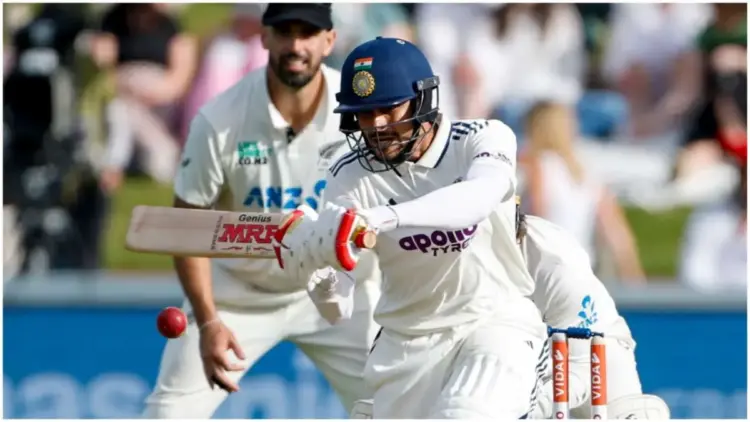
Wellington, New Zealand – November 21, 2026 – Team India has emphatically seized control of the ongoing first Test against New Zealand at the iconic Basin Reserve, concluding Day 3 in a commanding position. After a stellar batting display, Shubman Gill and his side find themselves 118 runs ahead with six wickets still in hand, reaching 486/4 by stumps. The question now looms large: Can the visitors convert this significant advantage into a decisive victory, or will the resilient Blackcaps once again defy expectations on their home turf?
The narrative of this Test has been one of contrasting fortunes and remarkable comebacks. While New Zealand showcased an extraordinary recovery in their first innings, India’s top order responded with an equally potent display of batting prowess, leaving the hosts searching for answers as the match heads into its critical final two days. The stage is set for a captivating conclusion, with India holding the psychological and statistical upper hand, yet acutely aware of the unpredictable nature of Test cricket, especially in the hallowed grounds of Wellington.
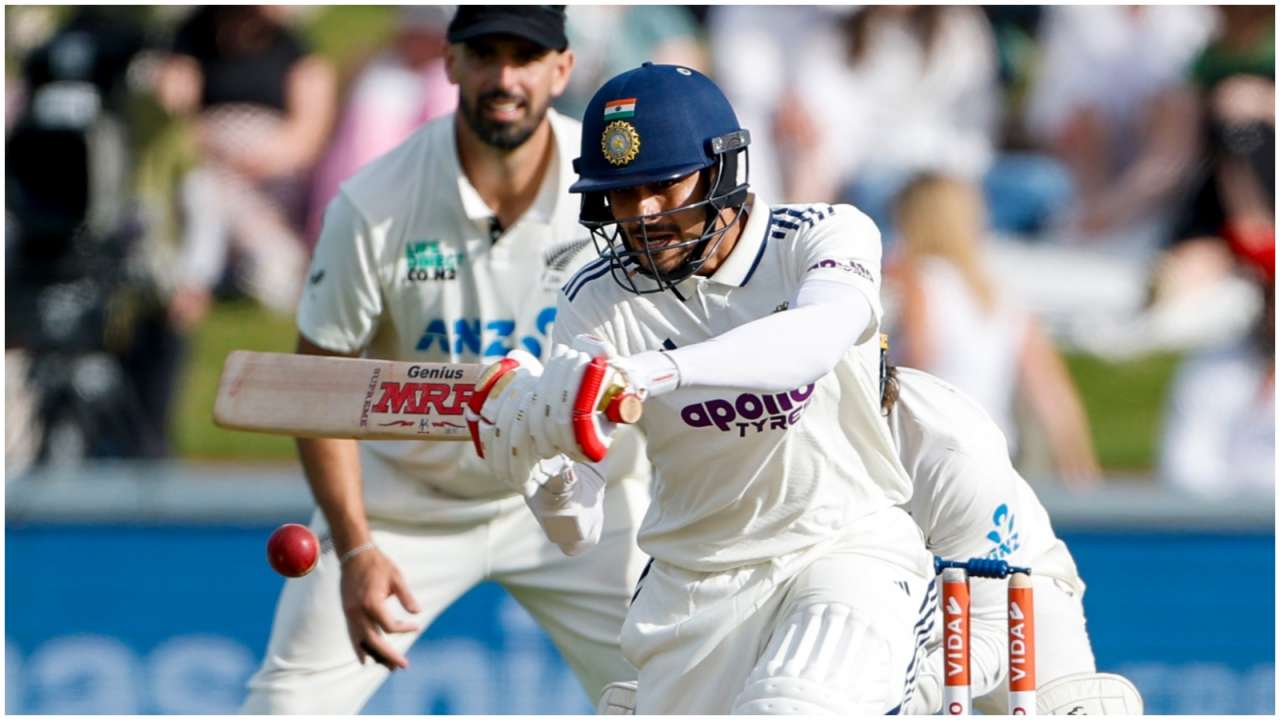
The Basin Reserve Battle: Day 3’s Pivotal Moments
Day 3 at the Basin Reserve was predominantly an Indian affair, marked by disciplined stroke play, resolute partnerships, and a clear intent to dominate. Having started their reply to New Zealand’s 368, India’s batsmen systematically dismantled the Kiwi bowling attack, transforming a precarious deficit into a substantial lead. The day unfolded with a relentless accumulation of runs, showcasing the depth and talent within the Indian batting lineup.
The context of India’s dominance becomes even more striking when recalling New Zealand’s earlier fightback. The Blackcaps, reeling at 70/5 in their first innings, had staged a miraculous recovery to post a respectable 368, largely thanks to an extraordinary 216-run sixth-wicket partnership between Glenn Phillips (137) and Henry Nicholls (121). This defiant stand had initially put the pressure back on India, but the visitors’ response has been nothing short of spectacular, effectively nullifying the momentum New Zealand had generated.

India’s Batting Masterclass: A Symphony of Runs
India’s first innings has been a testament to classical Test match batting, blending aggression with unwavering concentration. Each of the top five batsmen made significant contributions, laying a robust foundation for what promises to be a formidable total.
Rahul’s Resurgence: A Captain’s Knock
Leading from the front, stand-in captain KL Rahul delivered a magnificent 136-run knock, anchoring the innings with a blend of elegance and authority. Rahul, who has been under scrutiny for his Test form in recent times, responded with a performance that silenced his critics and instilled confidence in his team. His innings was characterized by impeccable timing, judicious shot selection, and a calm demeanor that absorbed the pressure exerted by the New Zealand bowlers. He milked the singles, punished the loose deliveries, and showcased a full repertoire of strokes, particularly strong through the covers and down the ground. This century was not just about the runs; it was a statement of intent, signalling Rahul’s return to peak form and demonstrating his leadership capabilities in a crucial overseas Test. His ability to convert a strong start into a significant hundred set the tone for India’s innings, proving invaluable in building a substantial lead.

Jaiswal’s Blistering Start and Padikkal’s Poise
Opening the innings alongside Rahul, Yashasvi Jaiswal provided a typically blistering start, scoring a rapid 85 off just 89 balls. His aggressive approach put the New Zealand bowlers on the back foot early, ensuring that India’s run rate remained healthy and the pressure was consistently on the fielding side. Jaiswal’s fearless hitting, especially against the new ball, created crucial momentum and allowed the subsequent batsmen to settle in with less pressure. Following Jaiswal’s impactful cameo, Devdutt Padikkal, making a strong case for his place in the Test squad, showcased immense composure to compile a solid 80 runs off 175 deliveries. Padikkal’s innings was a masterclass in patience and partnership building. He rotated the strike effectively, waited for scoring opportunities, and ensured there were no further collapses after Jaiswal’s departure. His steady hand was crucial in consolidating India’s position, allowing the middle order to continue building the innings without undue risk.
Gill’s Gallant 98: A Century Denied, an Impact Unquestioned
Perhaps the most poignant moment of India’s innings thus far was Shubman Gill’s valiant 98. The young captain, leading the side in this Test, played an innings of grace and fluency, striking the ball with characteristic elegance. He looked destined for a well-deserved century, only to be dismissed agonisingly short by Jacob Duffy, caught behind just two runs shy of the milestone. Despite missing out on a personal landmark, Gill’s contribution was immense. His partnership with Rahul and later with Padikkal ensured India maintained their dominance, transforming a good start into an imposing total. His innings, though ending prematurely, reinforced his growing stature as a premier Test batsman and a crucial cog in India’s batting machine. The disappointment of the near-miss will sting, but the impact of his runs on the team’s position is undeniable. Duffy’s wicket, coming at such a critical juncture, provided a rare moment of relief for the beleaguered Kiwi bowlers.

Pant’s Power Play: Accelerating the Lead
As Day 3 drew to a close, Rishabh Pant, the dynamic wicketkeeper-batsman, was at the crease on an unbeaten 55 off just 62 balls. True to his aggressive style, Pant wasted no time in accelerating India’s lead, smashing boundaries and rotating the strike with intent. His presence at the crease, alongside the new batter Anshul Kamboj, signals India’s ambition to add quick runs on Day 4. Pant’s ability to shift gears rapidly is a significant asset, and his partnership with Kamboj will be crucial in the early stages of the fourth day. If Pant can continue his onslaught, India’s lead could swell dramatically in a short period, setting up a potentially unassailable target for New Zealand. His fearless approach often disrupts opposition bowling plans, and his current form suggests he could be key to India’s declaration strategy.
New Zealand’s Resilience and Bowling Woes
While India’s batsmen shone, New Zealand’s journey in this Test has been a tale of two halves: an astonishing recovery followed by a struggle to contain a rampant Indian lineup.

First Innings Fightback: Phillips and Nicholls’ Historic Stand
The defining moment of New Zealand’s first innings was undoubtedly the breathtaking 216-run partnership between Glenn Phillips and Henry Nicholls for the sixth wicket. Coming together with the team tottering at 70/5, facing the prospect of a sub-200 total, Phillips unleashed an aggressive counter-attack, smashing 137 runs, while Nicholls provided the perfect foil with a gritty 121. Their stand not only rescued New Zealand but also propelled them to a competitive 368. This partnership was a masterclass in crisis management and aggressive intent, turning the tide of the match completely in the first innings. It showcased the Blackcaps’ renowned resilience and their ability to fight back from seemingly insurmountable positions, a trait that will be vital in the days to come. The Indian bowlers, who had started so well, were left frustrated as their initial advantage evaporated under the assault from Phillips and Nicholls.
The Bowlers’ Toil: A Flat Pitch and Indian Dominance
In India’s first innings, the New Zealand bowling attack found itself largely ineffective against the disciplined Indian batting. On a pitch that seemed to flatten out considerably after the first day, the Kiwi bowlers struggled to extract any significant movement or bounce. The pace trio of Tim Southee, Matt Henry, and Jacob Duffy toiled hard, but without much reward. Spinners, too, found little assistance from the surface, allowing the Indian batsmen to play with relative ease. The lack of consistent breakthroughs meant that pressure could not be sustained, and the Indian batsmen capitalized on every scoring opportunity. While Duffy managed to pick up Gill’s wicket, and others chipped in, the collective effort was not enough to stem the flow of runs. The fatigue of three days of Test cricket, coupled with the unresponsive pitch, clearly took its toll on the New Zealand bowlers, leaving them visibly frustrated by India’s relentless scoring.

The Declaration Dilemma: India’s Tactical Crossroads
As Day 4 dawns, Shubman Gill faces one of the most critical decisions of his nascent Test captaincy: when to declare. With a substantial lead and six wickets still in hand, India holds all the cards, but the timing of the declaration will be paramount in determining the match’s outcome.
Calculating the Target: How Much is Enough?
Currently leading by 118 runs, India has enough batting resources – including Washington Sundar and Dhruv Jurel – to extend their advantage significantly. The consensus among cricketing pundits suggests that a lead of around 250-300 runs would be ideal to put sufficient pressure on New Zealand, especially with two full days remaining. Adding another 125-150 runs on Day 4 morning would push India’s total well past the 600-run mark, taking their lead beyond the 250-run psychological barrier. This would not only give the Indian bowlers a comfortable cushion but also provide ample time to bowl out the Blackcaps twice, a necessary condition for victory. The challenge lies in balancing the desire for more runs with the need to give the bowlers enough overs to secure all 10 wickets.

Balancing Risk and Reward: Pushing for a Win vs. Securing a Draw
Declaring too early might leave New Zealand with a manageable target or too much time to bat for a draw. Declaring too late, conversely, could eat into valuable bowling time, potentially allowing New Zealand to escape with a draw, particularly if the pitch remains docile. The tactical decision will involve assessing the pitch’s behavior, the form of their bowlers, and New Zealand’s batting strength. Team management, along with Gill, will be weighing the pros and cons meticulously. A declaration around lunch or early in the second session on Day 4, with a lead exceeding 250, seems a plausible strategy, giving India’s bowlers approximately five sessions to dismiss the opposition. This aggressive approach signals India’s clear intent to push for a win rather than settle for a draw.
New Zealand’s Road Ahead: Can History Repeat Itself?
For New Zealand, the task is daunting but not insurmountable. Their first-innings recovery serves as a powerful reminder of their capabilities, and they will draw inspiration from that performance.

The Echo of the First Innings: A Blueprint for Resistance
The Blackcaps have already demonstrated their ability to recover from difficult situations. The remarkable 216-run partnership between Phillips and Nicholls proved that even against a strong Indian bowling attack, they possess the resilience and batting firepower to turn the tide. If India sets a target in the range of 250-300, New Zealand will aim to bat defensively, frustrate the bowlers, and ultimately play for a draw. Their strong batting lineup, even without the heroics of Phillips and Nicholls, has the capacity to absorb pressure and bat for extended periods. The psychological boost from their first-innings fightback will be a significant factor, reminding them that they can indeed defy the odds.
Basin Reserve’s Reputation: A Fortress for the Blackcaps
The Basin Reserve is known for its sporting wickets and its reputation as a fortress for the Blackcaps. While the pitch has been relatively flat for batsmen so far, the conditions can change rapidly. The famous Wellington winds can assist swing bowlers, and as the match progresses, cracks might appear, offering more assistance to spinners. New Zealand’s familiarity with these conditions, coupled with their home crowd support, could play a crucial role. They will be banking on their experience and local knowledge to navigate the challenges presented by the pitch and the Indian bowling attack on Days 4 and 5.

Looking Ahead: Scenarios for Day 4 and 5
The final two days of this Test promise enthralling cricket, with multiple scenarios in play.
Scenario 1: India’s Aggressive Pursuit of Victory
India continues to bat aggressively on Day 4 morning, adding another 100-150 runs quickly, pushing their lead to 250-300 runs. Shubman Gill declares around lunch or early afternoon, setting New Zealand a challenging target. The Indian bowlers, fresh and motivated, then exploit any deterioration in the pitch or the natural swing conditions at the Basin Reserve. Key pacers like Jasprit Bumrah, Mohammed Siraj, and the spin duo of Ravichandran Ashwin and Ravindra Jadeja will be crucial in picking up wickets consistently. India would aim to bowl out New Zealand before the end of Day 5, securing a comprehensive victory. This is the most desirable outcome for the visitors and one they will actively strive for.

Scenario 2: New Zealand’s Gritty Stand for a Draw
New Zealand’s bowlers manage to pick up India’s remaining wickets relatively quickly on Day 4 morning, keeping the lead closer to 200-220. Batting second, the Blackcaps adopt a highly defensive strategy, focusing on occupying the crease, frustrating the Indian bowlers, and batting for as long as possible. Their top order, learning from the first innings, aims to build solid partnerships and bat out time. Even if they lose wickets, the deeper batting lineup will look to prolong the innings, hoping to reach Day 5 with enough wickets in hand to ensure a draw. Their target would be to exhaust India’s bowlers and deny them a winning opportunity.
Scenario 3: The Unlikely Turn: A Swift Collapse or a Miracle Chase
While less probable, Test cricket always holds surprises. A sudden, unexpected collapse from India on Day 4 could bring New Zealand back into the game more significantly, allowing them to chase a smaller target aggressively or even dictate terms for a draw. Conversely, if India declares early and sets a target around 250, a highly improbable but not impossible aggressive chase by New Zealand’s dynamic batsmen could also unfold, though this is a rare occurrence in Test cricket, especially in the fourth innings.

Broader Implications: Series Momentum and WTC Standings
A victory in Wellington would be immensely significant for India. It would not only provide a crucial lead in the series but also bolster their confidence for the remaining matches. Winning away from home, particularly in challenging conditions like New Zealand, contributes valuable points to their World Test Championship (WTC) campaign, solidifying their position at the top. For New Zealand, a draw would be a moral victory, demonstrating their ability to hold their own against a top-ranked side. A loss, however, would put them under immense pressure for the rest of the series.
Conclusion: Awaiting the Verdict at Wellington
As the players prepare for Day 4, the cricketing world watches with bated breath. India has laid a formidable platform, but the declaration strategy, the resilience of New Zealand, and the unpredictable nature of the Basin Reserve pitch will all play their part in the coming hours. Shubman Gill and Co. stand on the cusp of a significant overseas Test victory, but the Blackcaps, with their proven ability to fight, will be determined to deny them. The final two days promise to be a gripping contest of skill, strategy, and sheer will, as the first Test between India and New Zealand hurtles towards its thrilling conclusion.