BUSINESS – In a development that casts a long shadow over one of the tech industry’s most prominent figures, court documents from nearly two decades ago reveal serious allegations of verbal abuse, threats, and sexually explicit remarks against Jensen Huang, the co-founder and former CEO of Nvidia Corp. These historical accusations, made by former high-ranking employees, have resurfaced at a critical juncture for Huang, who recently resigned from his position and is now appealing to Nvidia’s board for reinstatement amidst disclosures of multiple affairs and a U.S. Justice Department investigation into a relationship with a suspected Chinese spy.
The revelations paint a picture of a challenging and potentially toxic workplace environment under Huang’s leadership in the early 2000s, far removed from the public image of the visionary leader credited with transforming Nvidia into a global powerhouse in artificial intelligence and graphics processing. Two former employees, Stephen Pettigrew, Nvidia’s first in-house lawyer, and Michael Winston, the senior vice president for human resources, detailed a pattern of behavior that included screaming, threats of bodily harm, and sexually explicit comments accompanied by inappropriate physical gestures.
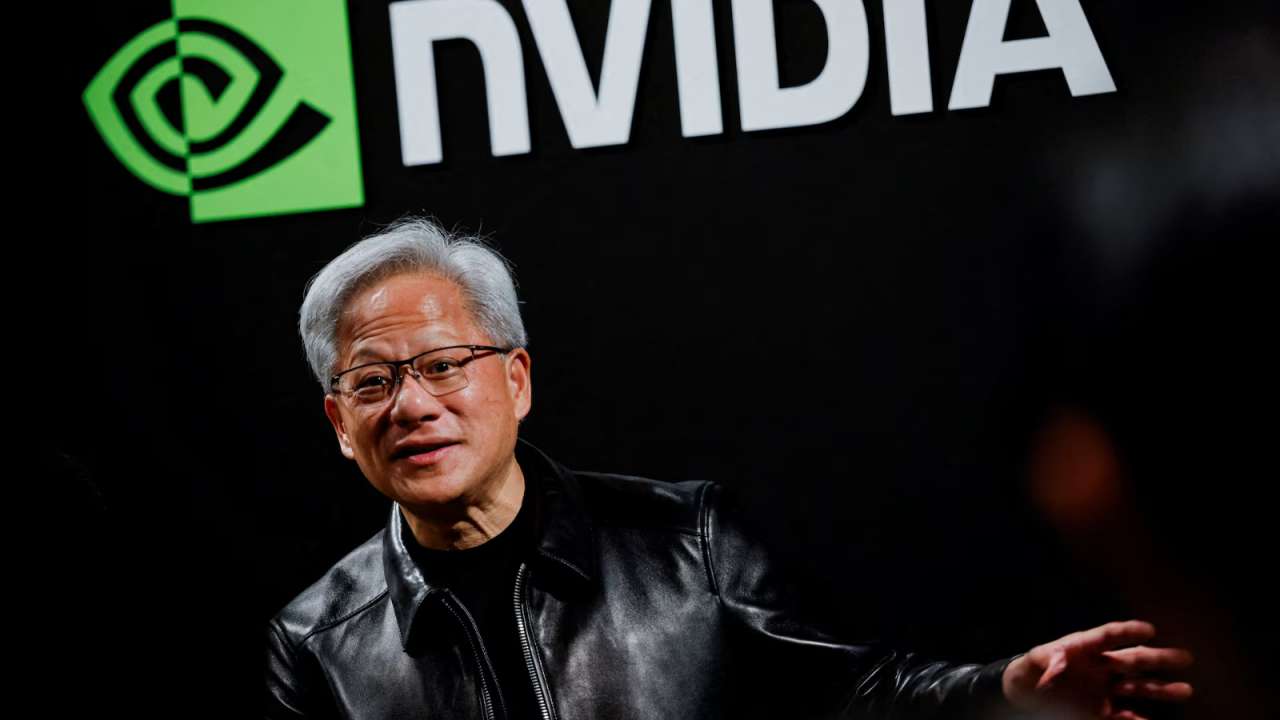
These allegations, once confined to confidential legal settlements, now present a significant hurdle for Huang as he navigates a complex personal and professional crisis. They raise profound questions about leadership conduct, corporate governance, and the lasting impact of past actions on contemporary reputations.
A Shadow from the Past: Unearthing Grave Allegations Against Jensen Huang
The core of the controversy stems from California lawsuits filed in 2005 and 2007, which brought to light allegations concerning Jensen Huang’s treatment of his staff during the formative years of Nvidia. These were not mere complaints about a demanding boss, but detailed accusations of severe misconduct that, if true, would constitute a hostile work environment and potential harassment.
Stephen Pettigrew, a key figure in Nvidia’s early legal framework, claimed to have directly observed Huang regularly engaging in verbal abuse and intimidation. According to court documents filed in the Superior Court of California, Pettigrew alleged he was ultimately fired for daring to voice concerns about the conduct of Nvidia executives, a claim Nvidia countered by citing performance issues for his termination. His attorneys’ brief in the wrongful termination and age discrimination lawsuit laid out the stark details: "He would scream at them, threaten them with extreme bodily harm and make sexually oriented comments while thrusting his hips in a demonstration of the sex act."
Separately, Michael Winston, who held the crucial role of Senior Vice President for Human Resources, filed his own discrimination complaint in 2005. Winston alleged that his termination came after he objected to "Huang’s abusive treatment of employees, including conduct he believed constituted sexual harassment." The fact that both the company’s chief legal officer and its top HR executive raised such concerns, and both were subsequently terminated, lends a particular weight to these historical claims.

These allegations resurface not in a vacuum, but against the backdrop of Huang’s recent departure from Nvidia’s helm. His resignation followed public disclosures of multiple extramarital affairs, including one with a direct report, and a more troubling relationship with a suspected Chinese spy that is reportedly under investigation by the U.S. Justice Department. As Huang appeals to the Nvidia board for a return to his leadership position, these decades-old accusations intertwine with his current challenges, creating a complex narrative for one of Silicon Valley’s most iconic leaders.
A Chronology of Accusations and Corporate Conflict
To fully grasp the significance of these allegations, it is essential to trace the timeline of events, from the alleged misconduct to the legal battles and their current resurgence.

The Genesis of Discontent: Early 2000s Workplace Environment
The period in question, roughly the early 2000s, was a dynamic and often aggressive era in the burgeoning tech industry. Nvidia, founded in 1993, was rapidly growing and cementing its position as a leader in graphics processing units (GPUs). This rapid expansion often came with intense pressure and high stakes, but it also necessitated the establishment of robust corporate structures and ethical workplace practices. It was within this crucible of innovation and ambition that Huang’s alleged behavior took place, as described by his former employees. The culture of the time, while perhaps more tolerant of aggressive leadership styles than today, still had clear boundaries regarding harassment and abuse.
Michael Winston’s Complaint: An HR Leader Speaks Out (2005)
In 2005, Michael Winston, in his capacity as Senior Vice President of Human Resources, filed a discrimination complaint against Nvidia. Winston’s position was critical; as the head of HR, he was entrusted with safeguarding employee welfare and ensuring adherence to company policies and labor laws. His complaint alleged that he was fired after voicing objections to Huang’s "abusive treatment of employees," explicitly including conduct he believed constituted "sexual harassment." For an HR leader to level such an accusation speaks volumes about the perceived severity of the situation and the potential challenges in addressing it internally. The dispute was ultimately resolved through a confidential settlement, with reports from The New York Times indicating Winston received over $1 million. The secrecy surrounding such settlements often prevents a full public understanding of the facts but acknowledges the financial weight of the claims.

Stephen Pettigrew’s Lawsuit: Detailed Accounts and Wrongful Termination (2007)
Two years later, in 2007, Stephen Pettigrew, Nvidia’s inaugural in-house lawyer, initiated his own legal action. Pettigrew’s lawsuit alleged age discrimination and wrongful termination, claiming he was dismissed for raising concerns about the conduct of Nvidia executives. His role as the company’s first internal counsel meant he was uniquely positioned to observe and understand the intricacies of corporate operations and leadership behavior.
Pettigrew’s court brief detailed specific instances of Huang’s alleged misconduct, including the vivid description of the CEO screaming at employees, threatening them with "extreme bodily harm," and making sexually oriented comments while "thrusting his hips in a demonstration of the sex act." These are not vague accusations but precise, graphic depictions of alleged behavior. The lawsuit also revealed that Nvidia brought counterclaims against Pettigrew, seeking the return of corporate documents, a common tactic in such disputes to control the narrative and prevent the disclosure of sensitive information. Pettigrew initially sought more than $2.6 million in damages, and Nvidia reportedly attempted to settle the case for $175,000 at one point. The matter was ultimately resolved through a confidential settlement in December 2009, drawing a legal curtain over the specifics of the resolution.

Huang’s Recent Turmoil: Resignation and Calls for Return (Current)
Fast forward to the present, and these historical allegations resurface with particular poignancy. Earlier this month, Jensen Huang resigned from his leadership position at Nvidia. This departure was not a planned retirement but followed a series of damaging disclosures. Reports emerged detailing multiple affairs, including one with a direct report, which raises significant concerns about workplace ethics and power dynamics. More critically, a relationship with a suspected Chinese spy is reportedly under investigation by the U.S. Justice Department, potentially implicating national security concerns.
In the wake of these revelations, Huang is reportedly appealing to Nvidia’s board to allow him to return to the position he held for over three decades. The timing of the re-emergence of these decades-old allegations of abuse and sexual harassment is thus highly significant. They now form part of a broader narrative that the board will undoubtedly consider when evaluating Huang’s fitness to lead a major global technology company, especially one at the forefront of critical technologies like AI.

Supporting Data: The Substantiation and Context of the Claims
The claims made by Pettigrew and Winston are not isolated whispers but documented allegations made in a legal context, providing a level of detail and specificity that demands serious consideration.
The Specificity of the Allegations: A Deeper Look into Court Documents
The language used in Pettigrew’s court brief—"scream at them, threaten them with extreme bodily harm and make sexually oriented comments while thrusting his hips in a demonstration of the sex act"—is particularly damning. It describes not just verbal abuse but physical intimidation and explicit sexual gesturing, behaviors that are universally considered unacceptable in any professional environment, regardless of the era. Such conduct, if proven, would represent a severe breach of workplace decorum, ethical leadership, and potentially labor laws. It highlights the stark power imbalance between a CEO and his subordinates, where employees might feel unable to challenge or report such behavior without fear of reprisal. The psychological impact of such an environment, characterized by threats and sexual harassment, can be profound and long-lasting on individuals.

The Role of Key Figures: Pettigrew and Winston’s Unique Positions
The credibility of these allegations is bolstered by the professional standing of the accusers. Stephen Pettigrew, as Nvidia’s first in-house lawyer, would have been privy to confidential corporate matters and ethical considerations. His role would have inherently involved advising on legal compliance and risk management, making his concerns about executive conduct particularly significant. Similarly, Michael Winston, as the Senior Vice President of Human Resources, was explicitly tasked with overseeing employee welfare, internal investigations, and ensuring a healthy workplace culture. For the individuals responsible for legal compliance and human resources to themselves become whistleblowers, alleging wrongful termination after raising concerns, suggests a systemic issue that was difficult to address internally through conventional channels. Their unique positions add weight to their claims, implying that the alleged issues were not minor or isolated incidents but potentially deeply ingrained behaviors.
Confidential Settlements: A Common Resolution, a Veil of Secrecy
The confidential settlements reached in both cases—over $1 million for Winston and an undisclosed sum for Pettigrew following an initial offer of $175,000 against a claim of $2.6 million—are common in high-stakes corporate litigation. Companies often opt for confidential settlements to mitigate financial risk, avoid protracted public trials that could generate negative publicity, and prevent the establishment of legal precedents that might encourage future lawsuits. While settlements do not constitute an admission of guilt, they signify a willingness on the part of the company to pay a substantial sum to resolve a dispute, often indicating a desire to make a problem disappear quietly. For the plaintiffs, a settlement offers a guaranteed financial outcome without the uncertainties and emotional toll of a trial. However, the secrecy inherent in these agreements often leaves the public without a full understanding of the underlying facts and limits accountability.

Huang’s Self-Admission: "Torturing" Employees for Performance
Adding another layer of context to these allegations is Jensen Huang’s own publicly acknowledged management style. He has famously admitted to "torturing" those who work closely with him to ensure they deliver their best work. While some might interpret this as a metaphor for demanding excellence, when juxtaposed with allegations of screaming, threats of bodily harm, and sexually explicit comments, it raises questions about the boundaries of his "demanding" approach. The line between pushing for peak performance and engaging in abusive behavior can be thin, and for many, Huang’s self-description, in light of these historical claims, may suggest a management philosophy that at times crossed into inappropriate or harmful territory. It invites scrutiny into whether his leadership style, even if intended to drive results, fostered an environment conducive to the alleged misconduct.
The Evolving Landscape of Workplace Conduct
It is crucial to view these historical allegations through the lens of evolving workplace norms. The early 2000s, while not as acutely sensitive to issues of harassment and abuse as the post-#MeToo era, still had established legal and ethical standards. However, the past two decades have seen a dramatic shift in public awareness and corporate accountability regarding workplace conduct. The #MeToo movement, in particular, has reshaped expectations for leaders, leading to increased scrutiny of powerful individuals and a greater willingness to hold them accountable for past actions. What might have been dismissed or quietly settled in the past is now often met with public outcry and demands for transparency. This societal shift means that allegations from "two decades ago" are now evaluated with a different standard of ethical leadership and corporate responsibility.

Official Responses and Unanswered Questions
The immediate aftermath of these revelations has been characterized by a stark contrast in responses from the key parties involved.
Jensen Huang’s Defense: Dismissal and Appeal to Current Support
In response to the resurfacing allegations, a representative for Jensen Huang issued a statement vehemently denying the claims. The representative stated: "These false allegations are from over 20 years ago and were made by two fired employees. The thousands of employees who have shown support for Jensen over the last week show they are false."

This defense employs several common strategies:
- Temporal Dismissal: Highlighting that the allegations are "from over 20 years ago" attempts to diminish their relevance or suggest they are no longer applicable to Huang’s current character or leadership.
- Ad Hominem Attack: Characterizing the accusers as "two fired employees" seeks to undermine their credibility by implying their claims are motivated by resentment or retaliation rather than genuine grievances.
- Appeal to Popularity: Citing "thousands of employees who have shown support for Jensen over the last week" attempts to create a counter-narrative of widespread approval, suggesting that current positive sentiment outweighs past accusations.
From a journalistic perspective, each of these points warrants scrutiny. While the age of allegations can make corroboration difficult, it does not inherently negate their truthfulness, especially when made in sworn court documents. Similarly, the employment status of accusers is often a consequence, rather than a discrediting factor, in wrongful termination or discrimination cases. Finally, current employee support, while potentially genuine, does not retroactively invalidate past claims of misconduct. The statement, while firm, offers no specific refutation of the detailed behaviors alleged in the court documents.

Nvidia’s Silence: A Corporate Stance
In contrast to Huang’s direct denial, Nvidia representatives have chosen to remain silent on the matter. "Nvidia representatives didn’t respond to requests for comment," the original report states. Corporate silence in such sensitive situations can be interpreted in multiple ways. It might indicate a strategy to avoid fueling the narrative further, a reluctance to comment on settled legal matters, or an inability to provide a coherent response given the complexity and historical nature of the claims. However, for a company of Nvidia’s stature, a lack of comment on allegations against its founder and former CEO, particularly when he is seeking reinstatement, can also be perceived as a lack of transparency or a failure to address serious ethical questions.
The Unreachable Voices: Deceased Accusers
A critical journalistic challenge in reporting on these decades-old allegations is the unfortunate fact that both Stephen Pettigrew and Michael Winston are now deceased. Attempts to reach several attorneys who represented them and their family members were unsuccessful. This reality significantly complicates the ability to seek direct corroboration or further elaboration from the original accusers. While their claims are documented in court records, the inability to speak with them directly adds a layer of difficulty for contemporary reporting and leaves certain questions definitively unanswered. This highlights the ethical tightrope reporters walk when revisiting historical claims where key witnesses are no longer available.

Implications: Reputation, Governance, and the Future of Leadership
The resurfacing of these allegations carries profound implications for Jensen Huang, Nvidia, and the broader tech industry.
Impact on Huang’s Bid for Reinstatement
The most immediate impact will undoubtedly be on Jensen Huang’s appeal to Nvidia’s board for reinstatement. His recent resignation was already prompted by serious concerns regarding his personal conduct (affairs) and potential national security risks (suspected Chinese spy investigation). The addition of historical allegations of workplace abuse and sexual harassment further complicates his path back to leadership. The board, entrusted with fiduciary duties to shareholders and the ethical oversight of the company, will have to weigh these cumulative revelations. Reinstating a leader facing such a constellation of issues, both current and historical, could expose the company to significant reputational damage, legal risks, and questions about its commitment to ethical governance and a healthy workplace culture. It would be a decision of immense scrutiny, requiring a robust defense of why such a leader is fit to return.

Corporate Governance and Board Oversight
These revelations place Nvidia’s board of directors squarely in the spotlight. Their role is not merely to oversee financial performance but also to ensure robust corporate governance, ethical leadership, and a safe workplace. The board will face intense pressure to demonstrate that they are taking these allegations seriously, even if they are decades old and settled. This might necessitate internal investigations, a review of historical HR practices, or at the very least, a clear articulation of how such conduct, if proven, would be handled today. The historical context also raises questions about what the board knew at the time of the original lawsuits and settlements, and what measures, if any, were taken to address the underlying issues or prevent their recurrence.
Nvidia’s Brand and Culture Under Scrutiny
Nvidia is a global technology leader, currently at the vanguard of the AI revolution. Its brand image is built on innovation, technical prowess, and a perception of cutting-edge excellence. Allegations of founder misconduct, particularly of such a severe and personal nature, can significantly tarnish this image. The potential for reputational damage is substantial, affecting not only investor confidence but also employee morale and the company’s ability to attract top talent. In an era where corporate culture and ethical leadership are increasingly important factors for employees, consumers, and investors alike, these historical claims could lead to renewed scrutiny of Nvidia’s workplace environment, both past and present.

The Broader Message for Tech Leadership
Finally, this situation sends a broader message across the tech industry about the enduring nature of accountability. The digital age ensures that past actions, once buried in confidential legal filings, can resurface and gain new prominence. It underscores the evolving expectations for ethical leadership, where personal conduct, even outside of direct professional duties, can have significant implications for a leader’s fitness to hold public office or lead a major corporation. The case of Jensen Huang highlights that for powerful figures, the past is never truly settled, and the standards for leadership are continually being redefined by societal expectations and the collective demand for integrity and respect in the workplace. As the tech industry continues to grow in influence, so too will the scrutiny applied to those who lead it.