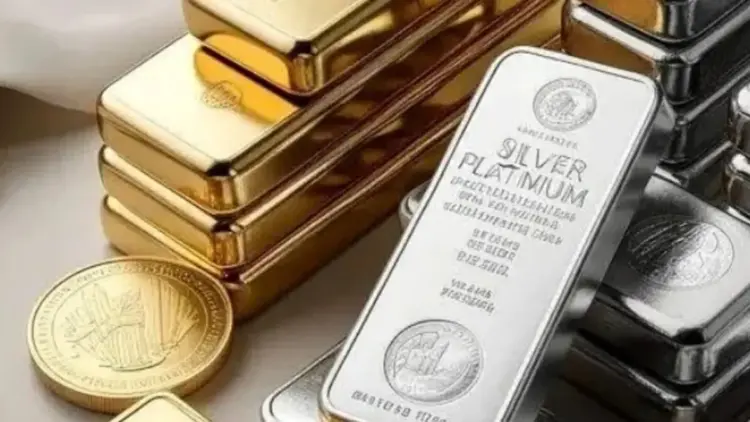
New Delhi, India – As November 20, 2026, unfolds, India’s venerable precious metals market finds itself at a fascinating juncture, with the prices of gold and silver continuing their intricate dance influenced by a confluence of global economic forces, domestic demand patterns, and fluctuating currency valuations. Today’s snapshot reveals a slight uptick in gold prices, driven by persistent global demand and underlying inflationary pressures, while silver maintains its appeal as both an industrial commodity and an investment vehicle.
India, a nation deeply intertwined with gold and silver through centuries of cultural tradition, investment prudence, and economic significance, closely monitors these daily movements. From the auspicious occasions demanding intricate jewellery to the strategic financial planning that views precious metals as a hedge against volatility, the sentiment around gold and silver reverberates through millions of households and businesses nationwide.
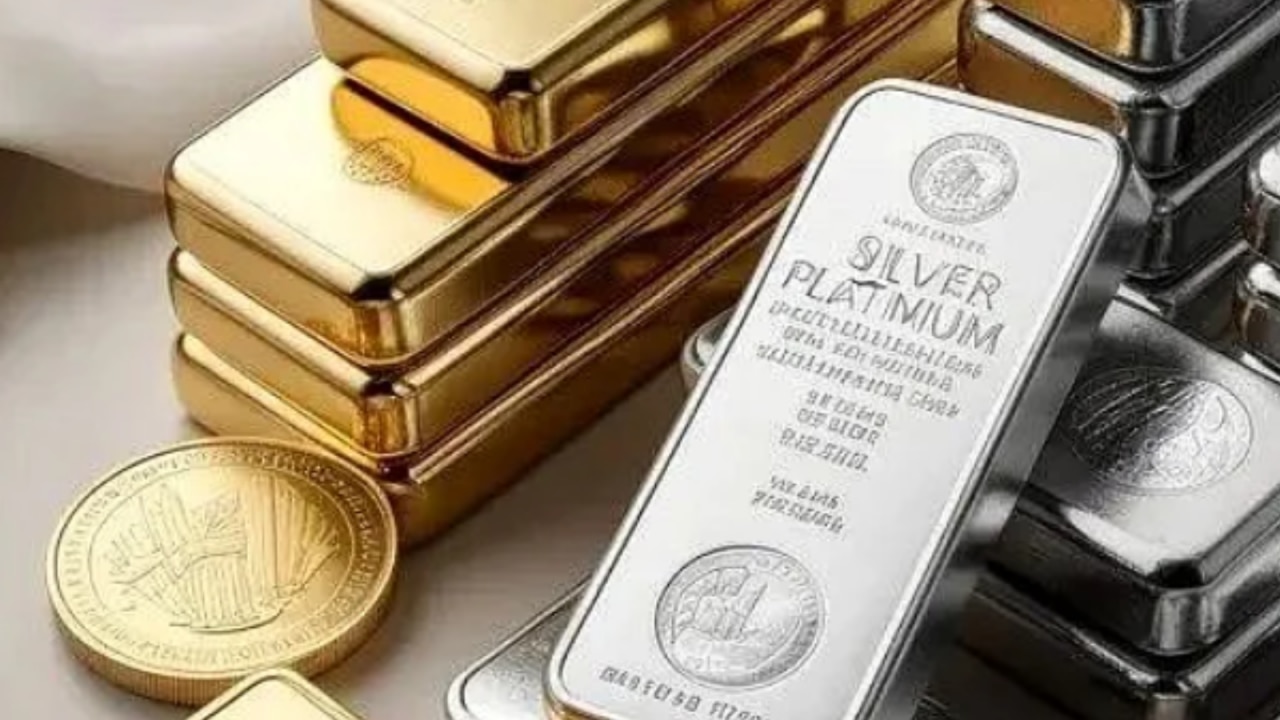
Current Market Realities: A Snapshot of Gold and Silver Prices Today
The financial markets on November 20, 2026, present a clear picture of the prevailing rates for these two vital commodities. Investors and consumers alike are noting the marginal increases, which underscore the metals’ enduring appeal in an often-unpredictable economic landscape.
Gold Prices on November 20, 2026:
Today, gold prices in India have registered a modest increase, a trend largely attributable to sustained global demand and the ongoing specter of inflation. This upward movement reaffirms gold’s traditional role as a safe-haven asset, attracting capital in times of economic uncertainty.
- 24K Gold (999 Pure Gold): The benchmark for purity, 24K gold is currently valued at Rs 13,068 per gram. This grade is predominantly sought after for investment purposes, including gold bars, coins, and Sovereign Gold Bonds (SGBs).
- 22K Gold (91.67% Pure Gold): The preferred standard for jewellery due to its durability and malleability, 22K gold is priced at Rs 11,979 per gram. The slight premium over 24K gold reflects the alloy content, making it more robust for crafting intricate designs.
City-Wise Gold Rates (as per Good Returns):

The pan-Indian average often masks regional variations, which can be influenced by local taxes, transportation costs, and specific market dynamics. Here’s a detailed city-wise breakdown for today:
- Gold Prices in Delhi:
- 24K Gold: Rs 13,083 per gram
- 22K Gold: Rs 11,994 per gram
- Gold Prices in Mumbai:
- 24K Gold: Rs 13,068 per gram
- 22K Gold: Rs 11,979 per gram
- Gold Prices in Kolkata:
- 24K Gold: Rs 13,068 per gram
- 22K Gold: Rs 11,979 per gram
- Gold Prices in Chennai:
- 24K Gold: Rs 13,068 per gram
- 22K Gold: Rs 11,979 per gram
Silver Prices on November 20, 2026:

Silver, often referred to as the "poor man’s gold," commands significant attention in its own right, valued for both its industrial applications and its role as an investment asset. Its price movements frequently mirror those of gold, albeit with added volatility stemming from its industrial demand cycles.
- Silver 999 (Pure Silver): The rate for pure silver stands at approximately Rs 1,84,900 per kilogram. This grade is preferred for investment, industrial use, and larger ornamental items.
- Silver 925 (Sterling Silver): Commonly known as sterling silver, this alloy (92.5% silver, 7.5% other metals, usually copper) is priced at Rs 1,79,900 per kilogram. It is widely used in jewellery, silverware, and decorative items due to its enhanced strength and durability.
City-Wise Silver Rates:

Similar to gold, silver prices also exhibit regional nuances across major Indian cities:
- Silver Price in Delhi Today:
- Silver 999: Rs 1799 per 10 grams
- Silver Price in Mumbai Today:
- Silver 999: Rs 1799 per 10 grams
- Silver Price in Kolkata Today:
- Silver 999: Rs 1799 per 10 grams
- Silver Price in Chennai Today:
- Silver 999: Rs 1799 per 10 grams
Market Dynamics: A Chronology of Recent Trends Leading to November 2026
The current price points for gold and silver are not isolated figures but rather the culmination of a series of market movements, economic shifts, and geopolitical developments throughout 2026. The year has been characterized by a complex interplay of factors that have shaped the trajectory of precious metals.

The early part of 2026 saw gold maintaining a relatively stable, albeit upward, trend, benefiting from lingering concerns over global economic growth and persistent inflationary pressures across major economies. Central banks, particularly in emerging markets, continued to bolster their gold reserves, providing a steady floor for prices. Silver, with its significant industrial footprint, experienced greater volatility, responding keenly to manufacturing output data, particularly from the technology and green energy sectors.
Mid-2026 brought a period of heightened uncertainty. Geopolitical tensions in Eastern Europe and parts of the Middle East flared intermittently, prompting investors to seek safe-haven assets. This saw gold prices surge, while silver, too, gained momentum as industrial supply chains faced potential disruptions. However, periods of de-escalation or stronger-than-expected economic data from the US and China occasionally tempered these gains, leading to profit-taking.

As India approached its festive and wedding season in the latter half of the year, domestic demand for gold began to pick up, providing a crucial impetus to local prices. Despite the Reserve Bank of India’s (RBI) efforts to stabilize the Indian Rupee (INR) against the US Dollar (USD), the exchange rate remained a sensitive factor. A weaker Rupee consistently made imported gold more expensive in local currency terms, passing on the cost to consumers and investors.
The run-up to November has seen a consolidation phase, with gold showing resilience amidst renewed inflation concerns and a slightly weaker dollar on international exchanges. Silver, while tracking gold, has also been supported by robust demand from the solar panel manufacturing industry, a sector experiencing rapid expansion globally. Today’s slight increase reflects these ongoing dynamics, positioning precious metals as key assets in a diversified portfolio.

Supporting Data: Key Influencers of Precious Metal Prices
The daily fluctuations in gold and silver prices are a microcosm of a much larger, interconnected global financial system. Several powerful forces continually exert influence, shaping the supply-demand equation and ultimately, the market value.
Global Market Trends: The Macroeconomic Canvas
International commodity markets, particularly the COMEX and the London Bullion Market Association (LBMA), set the global benchmark for gold and silver. Any significant economic or political event reverberates across these platforms, impacting prices worldwide.

- Safe-Haven Demand: In times of economic instability, geopolitical conflicts, or financial crises, investors traditionally flock to gold as a reliable store of value. The perceived safety of gold, detached from the volatility of equities or the credit risk of bonds, makes it an indispensable asset during uncertainty.
- Central Bank Policies: Central banks globally are significant players in the gold market. Their decisions regarding interest rates, quantitative easing, and diversification of reserves can profoundly impact gold’s appeal. When interest rates are low or negative, gold, which offers no yield, becomes more attractive relative to other assets.
- US Dollar Strength: Gold is typically priced in US dollars. A stronger dollar makes gold more expensive for holders of other currencies, potentially dampening demand. Conversely, a weaker dollar makes gold cheaper, often leading to increased buying interest. The USD-INR exchange rate, therefore, becomes a critical domestic factor.
- Global Economic Indicators: Reports on global GDP growth, manufacturing output, employment figures, and consumer confidence from major economies like the US, China, and Europe can signal the health of the global economy, influencing risk appetite and, consequently, demand for safe-haven assets.
Local Demand Dynamics: India’s Unique Relationship with Gold
India’s affinity for gold is unparalleled, making local demand a potent force in price determination.
- Festive Season and Wedding Demand: The latter half of the calendar year, particularly the period leading up to and after Diwali, is India’s peak wedding and festive season. Gold jewellery and gifts are integral to these celebrations, leading to a surge in demand that can significantly influence local prices, often creating a premium over international rates. November marks the continuation of this crucial buying period.
- Cultural and Traditional Significance: Gold is not merely an investment but also a symbol of wealth, status, and security, deeply embedded in Indian culture and religious practices. This intrinsic value ensures a sustained base level of demand regardless of market fluctuations.
- Investment Demand: For millions of Indian households, gold remains a preferred form of saving and investment. It is seen as a tangible asset that protects wealth against inflation and economic downturns, especially in rural areas where access to formal financial instruments might be limited.
Currency Fluctuations: The Rupee’s Role
The exchange rate between the Indian Rupee (INR) and the US Dollar (USD) is a pivotal determinant of domestic gold and silver prices.

- Import Cost: India is a major importer of gold and silver. When the Rupee weakens against the Dollar, the cost of importing these precious metals increases, directly translating into higher local prices for consumers and investors. Conversely, a stronger Rupee can help temper price increases.
- RBI Intervention: The Reserve Bank of India often intervenes in the foreign exchange market to manage Rupee volatility. Such interventions can have ripple effects on commodity prices by influencing the import cost.
Inflationary Pressures: The Hedge Against Erosion
Inflation, both global and domestic, plays a significant role in enhancing the appeal of gold.
- Store of Value: When the purchasing power of fiat currencies erodes due to inflation, investors often turn to gold as a reliable store of value. Its finite supply and intrinsic worth provide a perceived hedge against rising prices.
- Real Interest Rates: The relationship between inflation and nominal interest rates (real interest rates) is crucial. When real interest rates are low or negative, the opportunity cost of holding non-yielding assets like gold decreases, making it more attractive.
Industrial Demand for Silver: A Dual Identity
Unlike gold, a significant portion of silver’s demand comes from industrial applications, giving it a dual identity as both a precious and an industrial metal.

- Technological Applications: Silver is an exceptional conductor of electricity and heat, making it indispensable in electronics, electrical components, and batteries. Demand from these sectors is directly tied to technological advancements and global manufacturing output.
- Green Energy Sector: The burgeoning renewable energy sector, particularly solar panel manufacturing, is a major consumer of silver. As global efforts to combat climate change intensify, demand for silver in solar cells continues to grow exponentially, providing a strong structural tailwind for its price.
- Medical and Photography: While less dominant than before, silver’s use in medical instruments, anti-microbial applications, and traditional photography still contributes to overall demand.
Market Analyst Perspectives & Expert Insights
To contextualize today’s prices, leading market analysts offer valuable insights into the ongoing dynamics and future outlook for gold and silver.
"The slight increase in gold prices today is a clear signal of continued investor confidence in its safe-haven attributes, especially as global inflationary pressures persist," observes Dr. Ananya Sharma, Chief Market Strategist at Zenith Financials. "Despite efforts by central banks to rein in inflation, the underlying economic uncertainties and geopolitical frictions are keeping gold buoyant. We’re seeing a steady flow of funds into gold ETFs and physical holdings."

Regarding silver, Mr. Rajesh Kumar, Head of Commodity Research at InvestX India, notes, "Silver’s dual role makes its price trajectory more complex. While it benefits from gold’s safe-haven rallies, its industrial demand component adds a layer of sensitivity to global manufacturing and technology cycles. The strong performance of the green energy sector, particularly solar, is a significant long-term driver for silver, insulating it somewhat from pure economic downturns."
Experts anticipate that the remainder of 2026 and early 2027 will likely see continued volatility. Factors such as the pace of global economic recovery, the trajectory of interest rates in major economies (especially the US Federal Reserve), and the resolution or exacerbation of geopolitical flashpoints will dictate the next significant moves for both metals.

"For Indian markets, the domestic demand pulse, particularly with the ongoing wedding season, will provide crucial support," adds Ms. Priya Singh, a bullion market veteran. "However, the Rupee-Dollar exchange rate will remain a critical variable. Any significant depreciation of the Rupee could make gold prohibitively expensive, potentially shifting some consumer preference towards silver or alternative investments."
Implications for Investors and Consumers
The current price trends and underlying market forces carry significant implications for various stakeholders in India.

For Investors: Navigating the Precious Metals Landscape
For investors, gold and silver continue to offer avenues for portfolio diversification and wealth preservation.
- Diversification: Precious metals often act as a counter-cyclical asset, performing well when other asset classes like equities or real estate face headwinds. Including gold and silver can reduce overall portfolio volatility.
- Inflation Hedge: Given the persistent inflationary environment, both gold and silver serve as effective hedges against the erosion of purchasing power, preserving real returns over the long term.
- Investment Avenues: Beyond physical gold (coins, bars), investors have access to various financial instruments:
- Sovereign Gold Bonds (SGBs): Government-backed bonds that offer interest and capital appreciation linked to gold prices, without the hassle of physical storage.
- Gold Exchange Traded Funds (ETFs): Allow investors to buy and sell gold units on stock exchanges, providing liquidity and transparency.
- Gold Mutual Funds: Invest in gold mining companies or gold ETFs.
- Digital Gold: Allows fractional ownership and convenient online transactions.
- Risk Factors: While attractive, precious metals are not without risks. Price volatility, particularly for silver, and the impact of currency fluctuations can affect returns. Investors should conduct thorough research and consider their risk appetite.
For Consumers: Strategic Purchases and Alternatives
For the average Indian consumer, price movements directly impact purchasing decisions, especially for jewellery.

- Timing Purchases: Consumers often time their jewellery purchases around price dips or during auspicious periods. Understanding the influencing factors can help in making informed decisions.
- Purity and Hallmarking: Always prioritize hallmarked jewellery (BIS hallmark) to ensure purity and authenticity. Understanding the difference between 24K and 22K gold is crucial for jewellery buyers.
- Silver as an Alternative: With gold prices at elevated levels, silver offers a more affordable alternative for investment and ornamental purposes. Its growing popularity, especially for contemporary designs, makes it an attractive choice.
Broader Economic Implications: Beyond Individual Wallets
The dynamics of gold and silver prices have broader macroeconomic ramifications for India.
- Current Account Deficit (CAD): As a major importer of gold, India’s gold import bill significantly impacts its Current Account Deficit. Higher prices and increased import volumes can strain foreign exchange reserves.
- Household Savings: Gold and silver constitute a substantial portion of household savings in India, particularly in rural areas. Price appreciation contributes to household wealth, while significant dips can impact consumer sentiment.
- Government Policy: The Indian government continually monitors gold and silver markets, implementing policies such as import duties or schemes like SGBs to manage demand, curb unofficial trade, and channel savings into financial instruments.
Future Outlook: Navigating the Road Ahead
Looking beyond November 20, 2026, the trajectory of gold and silver prices will continue to be shaped by a complex interplay of global and domestic factors.

- Interest Rate Environment: The stance of major central banks, particularly the US Federal Reserve, on interest rates will be paramount. Higher interest rates typically strengthen the dollar and increase the opportunity cost of holding non-yielding assets like gold, potentially putting downward pressure on prices. Conversely, a dovish shift could fuel a rally.
- Inflationary Trajectory: Whether inflation proves to be transient or structural will heavily influence gold’s appeal. If inflation remains elevated, gold’s role as an inflation hedge will continue to support its price.
- Geopolitical Stability: Any escalation or de-escalation of existing or new geopolitical conflicts will inevitably impact safe-haven demand, directly affecting gold prices and, to a lesser extent, silver.
- Economic Growth: Global economic growth forecasts will influence industrial demand for silver. A robust global economy typically bodes well for silver’s industrial applications.
- Technological Advancements: Continued innovation in sectors like solar energy, electric vehicles, and electronics will ensure a steady, growing demand for silver, providing a strong fundamental underpinning for its price.
In summary, as of November 20, 2026, India’s gold and silver markets reflect a global environment grappling with inflation, geopolitical tensions, and evolving economic policies. While gold maintains its traditional allure as a safe haven, silver’s dual role as an industrial metal and an investment asset positions it uniquely. For investors and consumers in India, staying informed about these intricate dynamics will be crucial for making prudent financial decisions in the evolving precious metals landscape.