In the relentless pursuit of consumer attention, the landscape of marketing has undergone a profound transformation. Beyond the traditional metrics of price and quality, aesthetics and visual appeal have emerged as dominant forces, shaping brand perception, driving emotional connection, and influencing social validation. Consumers today are not merely purchasing products; they are investing in identities, experiences, and belonging, with visual presentation often serving as the primary gateway to their hearts and wallets. This shift signifies a fundamental redefinition of value in the marketplace, moving from mere utility to a deeply integrated, visually driven consumer experience.
The Evolution of Desire: From Necessity to Aestheticism
The human drive for beauty is as ancient as civilization itself. As Oscar Wilde so eloquently observed, "The art that is frankly decorative is the art to live with." This sentiment, once confined to artistic circles, has now permeated the very fabric of commerce. For millennia, human needs were met through the practical application of available resources. Yet, as societies evolved, so too did consumption patterns, morphing from simple necessities to increasingly nuanced, identity-driven preferences. This evolution has inevitably reshaped the marketing industry, not only in the products and services it offers but, crucially, in the sophisticated ways it presents them.

The Digital Catalyst: Reshaping the Consumer Journey
The advent of the digital revolution has been a watershed moment for modern marketing. The transition from traditional brick-and-mortar stores to the ubiquitous "click-and-mortar" retail environment has fundamentally altered consumer behavior. The integration of artificial intelligence, the rise of social commerce, the omnipresence of mobile shopping, and the nascent potential of the metaverse have collectively sculpted the modern retail ecosystem. Within this technologically driven environment, however, a timeless element has quietly but powerfully reasserted its dominance: beauty.

Aestheticism in marketing is no longer a fleeting trend; it has ascended to a central pillar in how consumers perceive, engage with, and ultimately choose brands. In a world saturated with information and options, visual appeal acts as a crucial filter, attracting attention and forging initial connections. This is particularly evident in how brands now curate their online presence, from website design and social media feeds to product packaging and digital advertisements.

Beyond Utility: The Rise of Identity and Emotional Resonance
The era where price and quality alone dictated purchasing decisions has unequivocally passed. Modern consumers are increasingly motivated by factors that extend far beyond mere functionality. They seek brands that resonate with their personal identities, offer emotional gratification, and provide a sense of social validation. In an age of abundant choice, products are expected to serve as reflections of aspirations, lifestyles, and personal values.

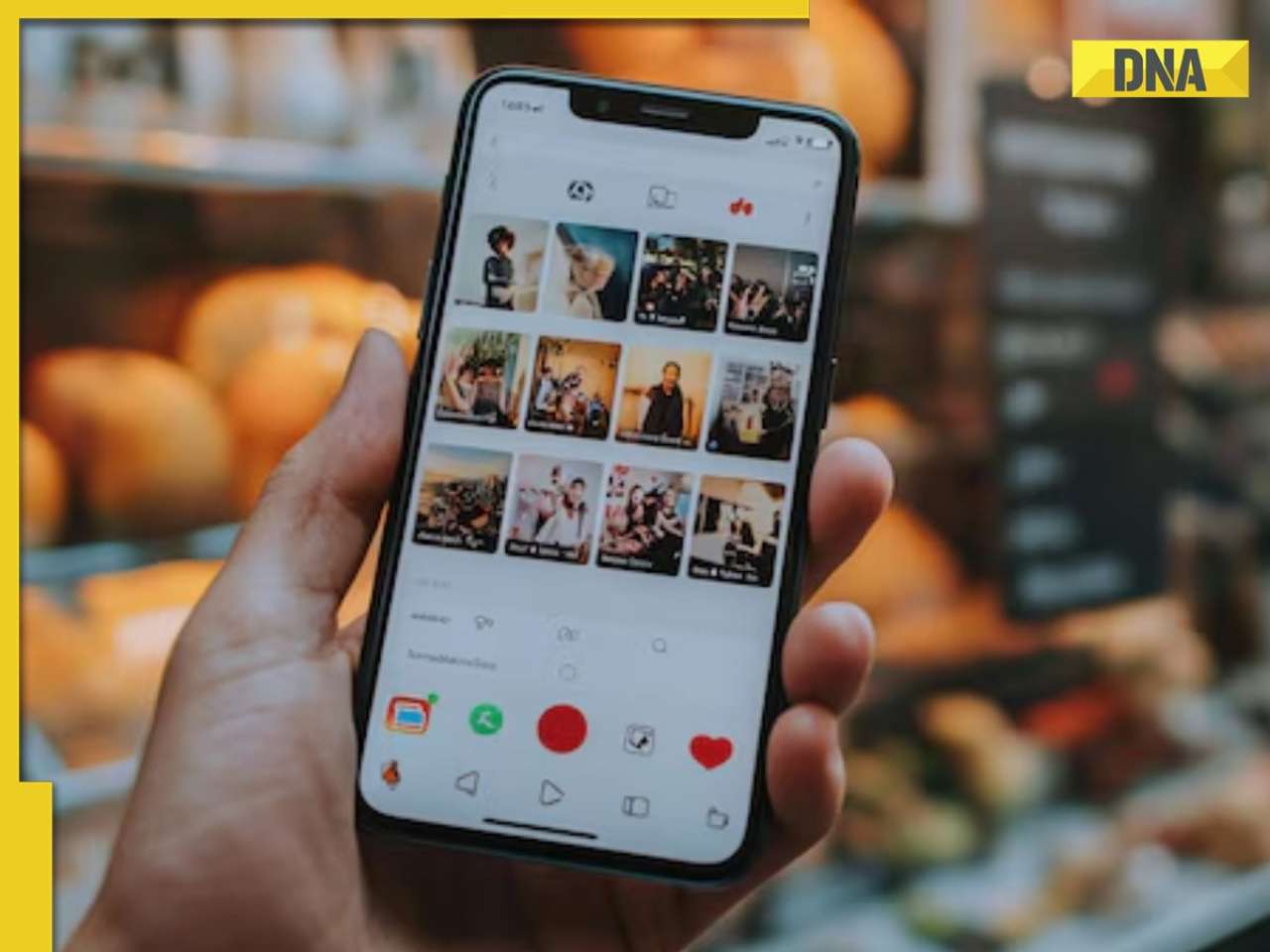
This phenomenon is acutely observable in Generation Z, a demographic profoundly influenced by the visual narratives of social media platforms like Instagram and TikTok. These platforms have effectively transformed products into potent social symbols. Cafés are selected not just for their coffee but for their "Instagrammable" ambiance; skincare products are chosen for their elegant packaging and shelf appeal; and technology products are admired for their sleek design and seamless integration into a desired lifestyle. The visual narrative of a product or brand has become intrinsically linked to its perceived value and desirability.

The Ascendancy of Aesthetic Marketing: A Strategic Imperative
The philosophy of aestheticism, which posits that beauty holds intrinsic value beyond mere utility, has roots stretching back to the 19th century. Today, this philosophy has been strategically integrated into every facet of branding, from packaging and retail spaces to digital experiences and product design. Visual appeal has evolved from a secondary consideration to a primary marketing tool, often serving as the initial and most impactful communication a brand makes. Companies are now meticulously designing products and customer journeys to embody an "aesthetic," recognizing that appearance profoundly shapes perception and desirability.

This strategic embrace of aesthetics is evident in the deliberate curation of brand imagery, the thoughtful design of user interfaces, and the creation of immersive physical and digital environments. Brands are investing heavily in visual storytelling, employing high-quality photography, videography, and graphic design to create a consistent and compelling aesthetic identity. This approach not only captures attention but also fosters a deeper emotional connection with the consumer, making brands more memorable and relatable.

Global Pioneers and Indian Innovators: Leading the Aesthetic Charge
Numerous global and Indian brands have masterfully harnessed the power of aesthetics-driven marketing, demonstrating its efficacy across diverse markets. Apple, for instance, revolutionized consumer electronics by transforming minimalism into a powerful brand identity. Its clean lines, intuitive interfaces, and sleek product design have become synonymous with sophistication and innovation. Glossier, a digital-native beauty brand, built its empire on a pastel-toned, approachable aesthetic that resonated deeply with its target audience, fostering a sense of community and shared style. Airbnb, the accommodation giant, actively encourages and rewards visually appealing, "Instagrammable" spaces, effectively turning its hosts into brand ambassadors and its platform into a visual showcase of desirable travel experiences.

Within the Indian market, brands are also making significant strides in embracing aesthetic marketing. Forest Essentials, a luxury Ayurvedic skincare brand, masterfully blends traditional Indian motifs and natural ingredients with an opulent, heritage-inspired aesthetic, evoking a sense of timeless elegance and ritual. Qua, a contemporary jewellery brand, employs minimalist design and sophisticated visual campaigns to appeal to a modern, fashion-conscious consumer. Re-Ceremonial, a wedding and event design company, focuses on creating visually cohesive and aesthetically pleasing experiences that are highly shareable on social media, capitalizing on the growing trend of "digital weddings."

Direct-to-consumer (D2C) brands are also leveraging aesthetics to connect with younger demographics. boAt, an audio and wearables brand, employs vibrant, dynamic branding and energetic marketing campaigns that resonate with the lifestyle aspirations of its young, tech-savvy customer base. Similarly, The Souled Store utilizes visually engaging designs and pop-culture references to build a strong community around its merchandise. Beyond product-centric brands, the hospitality and lifestyle sectors have become heavily reliant on ambience and "photo-worthiness." Cafés, boutique hotels, and restaurants now invest significantly in creating visually appealing spaces that encourage social media sharing, turning patrons into enthusiastic, unpaid marketers.

Fashion, Identity, and the Currency of Visibility
The fashion industry, perhaps more than any other, exemplifies the profound impact of aesthetics on consumer choices. Brands like Sabyasachi Mukherjee have transformed traditional Indian craftsmanship and heritage into a powerful form of cultural capital through their cinematic storytelling and meticulously curated visual narratives. Weddings in India, once primarily private affairs, are increasingly orchestrated for digital visibility, with décor, attire, and overall visual coherence carrying immense social significance. In today’s hyper-connected world, visibility itself has become a valuable form of currency. Products are expected to seamlessly integrate into curated lifestyles, communicating aspiration, social class, and a sense of belonging. This phenomenon extends to personal branding, where individuals curate their online presence to project a desired image, often influenced by the aesthetic trends set by brands and influencers.

Navigating the Ethical Tightrope: Beauty, Substance, and Inclusivity
The pervasive rise of aesthetic marketing is not without its ethical considerations. A critical question emerges: does beauty now overshadow substance? Can an overemphasis on visual appeal inadvertently manipulate consumers into valuing appearance over genuine quality or ethical production? Many industries are increasingly blurring the lines between authentic value and manufactured desirability, leading to potential consumer deception.

Furthermore, there is a growing concern that narrow, often Western-centric definitions of beauty perpetuated by aesthetic marketing can marginalize individuals across diverse classes, ethnicities, body types, and economic backgrounds. Brands face the significant challenge of ensuring their aesthetic strategies are inclusive and representative, preventing beauty from becoming synonymous with exclusivity. This necessitates a conscious effort to showcase a wider range of human experiences and appearances, promoting a more equitable and authentic representation of beauty in the marketplace. The responsibility lies with brands to ensure that their pursuit of visual appeal does not come at the cost of genuine inclusivity and ethical representation.

The Enduring Power of Beauty: A Cultural and Economic Imperative
The ascendancy of aestheticism in marketing is a powerful reflection of a broader human desire for experiences that are not only functional but also meaningful and emotionally rich. In a hyper-digital world, where choices are seemingly infinite, aesthetics serve as a crucial simplifying force, fostering emotional resonance and guiding decision-making. Beauty transforms the act of consumption from a mundane transaction into a memorable, engaging experience.

Today, beauty in marketing transcends mere decoration. It has become a cultural force, a strategic imperative, a performative element of brand identity, and, undeniably, a profoundly economic driver. As consumers continue to seek connection, identity, and emotional fulfillment, brands that master the art of aesthetic appeal will undoubtedly continue to thrive, shaping not only purchasing decisions but also the very cultural narratives of our time. The pursuit of beauty in commerce is no longer a niche consideration; it is a fundamental expectation that dictates how consumers interact with the world around them and the brands that populate it.