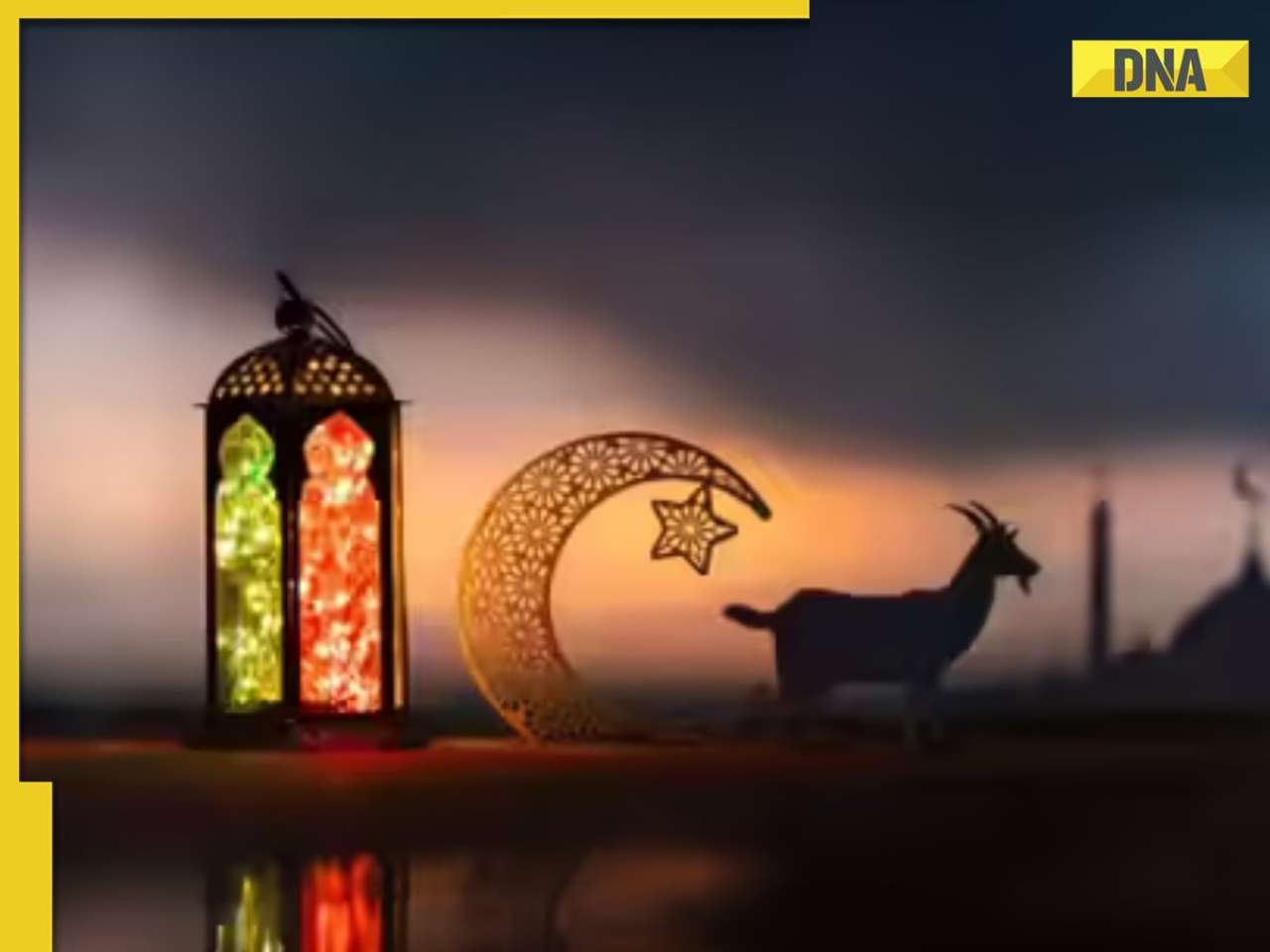
Mumbai, India – As the crescent moon heralds the approach of Eid-ul-Adha in 2026, Muslims worldwide prepare to observe one of the holiest festivals in the Islamic calendar. Also known as Bakrid, this sacred occasion is a profound commemoration of faith, sacrifice, and gratitude, embodying the spirit of devotion and compassion. Beyond its religious significance, Eid-ul-Adha serves as a powerful reminder of the willingness to surrender to divine will, a principle exemplified by the Prophet Ibrahim’s unwavering obedience. In anticipation of this joyous celebration, we present a comprehensive exploration of the festival’s essence, its historical context, and a collection of heartfelt Eid Mubarak wishes, quotes, and messages designed to spread peace, joy, and blessings among loved ones.
The Profound Significance of Eid-ul-Adha
Eid-ul-Adha, translating to "Festival of Sacrifice," holds immense spiritual weight within Islam. Its observance is intrinsically linked to the Quranic narrative of Prophet Ibrahim (Abraham), who, in a supreme act of faith, was commanded by Allah to sacrifice his beloved son, Ismail. Just as Ibrahim was about to fulfill this divine command, Allah intervened, providing a ram to be sacrificed in place of his son. This profound story underscores the virtues of absolute submission to God, patience, and the ultimate reward of faith.

The festival is celebrated on the 10th day of Dhu al-Hijjah, the twelfth month of the Islamic lunar calendar. It marks the culmination of the Hajj pilgrimage, the annual pilgrimage to Mecca that is a mandatory religious duty for all adult Muslims who are physically and financially able to undertake it. The concurrent observance of Eid-ul-Adha by Muslims globally, regardless of their participation in Hajj, amplifies its universal message of submission and brotherhood.

A Chronology of Devotion: Tracing the Roots of Eid-ul-Adha
The origins of Eid-ul-Adha are deeply embedded in the history of Islam, tracing back to the era of Prophet Ibrahim, considered a patriarch in Judaism, Christianity, and Islam. The narrative of his willingness to sacrifice his son is recounted in the Holy Quran and serves as the foundational pillar of this festival.

- The Divine Command: According to Islamic tradition, Prophet Ibrahim was tested by Allah through a series of trials to ascertain his devotion. The most significant of these was the dream in which he was instructed to sacrifice his only son, Ismail, who was then a young boy.
- Ibrahim’s Resolve: Faced with this agonizing command, Prophet Ibrahim did not falter. He discussed the divine directive with his son, who, in a testament to his own piety and faith, readily agreed to his father’s will, urging him to obey Allah’s command.
- The Test of Sacrifice: As Ibrahim prepared to carry out the sacrifice, his faith was put to its ultimate test. He blindfolded himself and raised his knife.
- Divine Intervention and Blessing: At the crucial moment, Allah, pleased with Ibrahim’s unwavering devotion and willingness to sacrifice what was dearest to him, intervened. He sent the Archangel Jibril (Gabriel) with a ram to be sacrificed in Ismail’s place. This act not only saved Ismail but also established the tradition of animal sacrifice as a symbolic representation of one’s willingness to give up worldly possessions and desires for the sake of Allah.
- The Establishment of Eid-ul-Adha: This pivotal event became the basis for the annual observance of Eid-ul-Adha, a festival that commemorates Ibrahim’s ultimate sacrifice and the mercy of Allah.
The practice of Qurbani (animal sacrifice) during Eid-ul-Adha is a direct reflection of this historical event. It serves as a tangible reminder of the willingness to surrender personal desires and material possessions in obedience to God’s commands, fostering a spirit of generosity and empathy.

The Pillars of Celebration: Practices and Traditions of Bakrid
Eid-ul-Adha is a multifaceted festival characterized by a series of significant practices that reinforce its spiritual and communal dimensions.

H2: The Sacred Ritual of Qurbani
The central act of observance during Eid-ul-Adha is Qurbani, the ritualistic sacrifice of an animal. Typically, goats, sheep, cows, or camels are sacrificed. The meat from the sacrificed animal is then divided into three parts:

- For the family: One-third of the meat is kept for the family’s consumption.
- For relatives and friends: Another third is distributed among relatives, friends, and neighbors.
- For the poor and needy: The remaining third ischaritably given to the poor, the destitute, and those in need.
This division emphasizes the festival’s commitment to social justice, charity, and the equitable distribution of blessings. It ensures that the spirit of Eid-ul-Adha extends beyond those who can afford to perform the sacrifice, encompassing the entire community.

H2: Eid Prayers and Community Gatherings
The day begins with the congregational Eid prayers (Salat al-Eid) performed at mosques or open grounds. These prayers are a time of collective devotion, seeking Allah’s blessings and forgiveness. Following the prayers, families and communities gather to share meals, exchange greetings, and celebrate together. The spirit of togetherness and communal harmony is a defining feature of Eid-ul-Adha.

H2: The Significance of Charity and Generosity
Beyond the ritual of Qurbani, Eid-ul-Adha is a period of heightened emphasis on charity (Sadaqah) and acts of kindness. Muslims are encouraged to extend their generosity to the less fortunate, ensuring that everyone can partake in the joy and bounty of the festival. This practice reinforces the Islamic principle of compassion and social responsibility.

H2: Wearing New Clothes and Exchanging Gifts
As with many festive occasions, wearing new clothes is a common practice, symbolizing a fresh start and a renewed sense of joy. Exchanging gifts and sweets among family and friends further strengthens social bonds and fosters a spirit of goodwill.

Supporting Data and Global Observance
Eid-ul-Adha is celebrated by over 1.8 billion Muslims worldwide, making it a significant global event. While specific dates vary annually due to the lunar calendar, the underlying principles of faith, sacrifice, and gratitude remain constant. The festival’s observance transcends geographical boundaries and cultural differences, uniting Muslims in a shared spiritual experience.

In many Muslim-majority countries, Eid-ul-Adha is a public holiday, allowing people ample time to participate in religious observances and spend time with their families. Governments and religious bodies often organize community events and facilitate the distribution of sacrificial meat to ensure widespread participation and adherence to the festival’s spirit.

Official Responses and Statements
While there are no specific "official responses" in the traditional sense for a religious festival, statements from religious leaders and organizations often highlight the core messages of Eid-ul-Adha. These statements typically emphasize:

- The importance of sacrifice: Leaders often remind the faithful of the profound meaning behind the sacrifice, urging them to reflect on their own lives and their willingness to surrender to divine will.
- The call for unity and compassion: Emphasis is placed on fostering brotherhood, extending kindness to all, and remembering the less fortunate.
- The pursuit of peace and harmony: Messages often call for prayers for peace, understanding, and the well-being of humanity.
These pronouncements serve to guide the faithful and reinforce the ethical and spiritual dimensions of the festival.

Implications of Eid-ul-Adha
The implications of Eid-ul-Adha extend far beyond the immediate celebration, impacting individuals, communities, and society at large.

- Spiritual Growth: For individuals, the festival offers an opportunity for introspection, spiritual renewal, and a deepening of their connection with Allah. The act of sacrifice, both literal and metaphorical, encourages selflessness and detachment from worldly desires.
- Strengthened Social Bonds: Eid-ul-Adha is a powerful catalyst for reinforcing family ties and community cohesion. The shared meals, greetings, and acts of charity bring people closer, fostering a sense of belonging and mutual support.
- Promotion of Empathy and Social Justice: The distribution of sacrificial meat to the poor and needy instills a strong sense of empathy and social responsibility. It serves as a tangible reminder of the inequalities that exist and the importance of sharing blessings with those less fortunate.
- Cultural Preservation: The traditions and rituals associated with Eid-ul-Adha play a vital role in preserving Islamic cultural heritage and transmitting it to future generations.
- Economic Impact: The festival has a notable economic impact, particularly in sectors related to livestock, food, and retail, as families prepare for the celebrations.
Heartfelt Eid Mubarak Wishes, Quotes, and Messages for 2026
As you prepare to celebrate Eid-ul-Adha 2026, here are 30 heartfelt wishes, quotes, and messages to share with your loved ones, spreading joy, peace, and blessings:

H2: 10 Best Eid Mubarak Wishes:
- "May your days be filled with immense joy, your heart with boundless love, and your life with countless blessings. Eid Mubarak!"
- "Wishing you a very happy and blessed Eid-ul-Adha. May Allah accept your sacrifices and shower you with His divine grace."
- "On this auspicious occasion of Bakrid, may your faith be strengthened, and your prayers be answered. Eid Mubarak!"
- "May the spirit of Eid-ul-Adha fill your home with peace, prosperity, and happiness. Eid Mubarak to you and your family!"
- "Sending you warmest wishes on Eid-ul-Adha. May this festival bring you closer to your loved ones and fill your life with divine blessings."
- "May the divine blessings of Allah be with you always. Wishing you a joyful and peaceful Eid-ul-Adha."
- "Eid Mubarak! May the sacrifices you make today bring you closer to Allah and fill your life with happiness and contentment."
- "Wishing you a Bakrid filled with laughter, love, and togetherness. May Allah’s blessings be upon you always."
- "May this Eid-ul-Adha be a time of reflection, gratitude, and immense joy for you and your entire family. Eid Mubarak!"
- "On this blessed day, I pray that Allah illuminates your path with wisdom and guides you towards righteous deeds. Eid Mubarak!"
H2: The Best Eid Mubarak Quotes:
- "The greatest of feasts is the feast of faith, the greatest of sacrifices is the sacrifice of self. Eid Mubarak!" – Anonymous
- "Eid is not just a day of celebration, but a reminder of our devotion and the sacrifices we are willing to make for what we believe in." – Unknown
- "May your life be as beautiful and fragrant as the flowers that bloom in the gardens of paradise. Eid Mubarak!" – Inspirational Quote
- "The best way to celebrate Eid is by sharing its joy with others, especially those in need." – Islamic Scholar
- "Let the spirit of Eid-ul-Adha inspire us to be more compassionate, more generous, and more devoted to our faith." – Spiritual Leader
- "When Allah asks for a sacrifice, He is testing our love for Him. May we always pass the test with flying colors. Eid Mubarak!" – Quote on Faith
- "Eid Mubarak! May the lessons of Prophet Ibrahim’s sacrifice guide us in all aspects of our lives." – Religious Text Reflection
- "The essence of Eid lies not just in feasting, but in giving and sharing with a heart full of gratitude." – Wisdom of the Ages
- "May your faith be your shield and your love for Allah be your guiding light. Eid Mubarak!" – Spiritual Guidance
- "This Eid, let’s reaffirm our commitment to humanity, compassion, and the pursuit of righteousness. Eid Mubarak!" – Call to Action
H2: 10 Best Eid Messages:
- "Dear [Name], on this blessed Eid-ul-Adha, I wish you and your family a day filled with divine blessings, joy, and togetherness. May Allah’s grace be with you always."
- "May the spirit of sacrifice and devotion that defines Eid-ul-Adha inspire you to lead a life of purpose and gratitude. Eid Mubarak!"
- "Sending you my warmest wishes on Bakrid. May your home be filled with laughter, your heart with love, and your life with peace. Eid Mubarak!"
- "Wishing you a joyous Eid-ul-Adha! May this festival bring you closer to Allah and strengthen the bonds of love and friendship."
- "On this sacred occasion, I pray that Allah accepts all your good deeds and blesses you with immense happiness and prosperity. Eid Mubarak!"
- "May the divine light of Eid-ul-Adha illuminate your path and guide you towards success and fulfillment. Eid Mubarak to you and your loved ones."
- "Wishing you a Bakrid filled with the sweetness of dates, the warmth of family, and the blessings of Allah. Eid Mubarak!"
- "May your faith be unwavering and your heart be filled with peace on this auspicious day. Eid Mubarak!"
- "As we celebrate Eid-ul-Adha, let’s remember the importance of compassion and sharing. Wishing you a blessed and meaningful celebration."
- "Eid Mubarak! May the spirit of this holy festival bring you closer to your dreams and fill your life with endless joy and contentment."
As the world prepares to celebrate Eid-ul-Adha 2026, the festival serves as a profound reminder of the enduring values of faith, sacrifice, and compassion. It is a time to reflect on our blessings, strengthen our bonds with loved ones, and extend our generosity to those in need. May this Bakrid be a source of immense joy, peace, and spiritual fulfillment for all.