The Unprecedented Challenge Facing Nvidia
MAIN FACTS
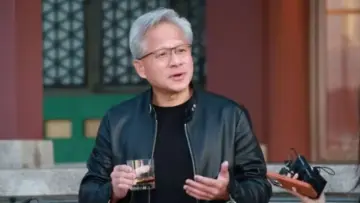
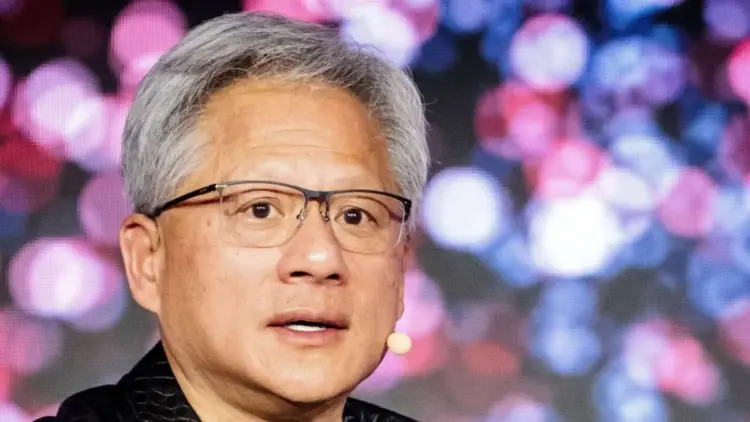
Nvidia, the undisputed titan of the artificial intelligence revolution, finds itself at an unexpected and critical juncture. Its revered co-founder and long-standing CEO, Jensen Huang, a visionary credited with steering the company to unparalleled heights, is reportedly facing an imminent departure. The catalyst for this seismic shift is an explosive allegation: Huang’s admitted involvement in an affair with an individual identified as Alice Huang, who is purported to be a Chinese intelligence operative. This revelation sent immediate shockwaves through the market, causing Nvidia’s shares to tumble and erasing an estimated $6 billion from its market capitalization, igniting a frantic search by the board for a successor to one of the tech industry’s most iconic figures.
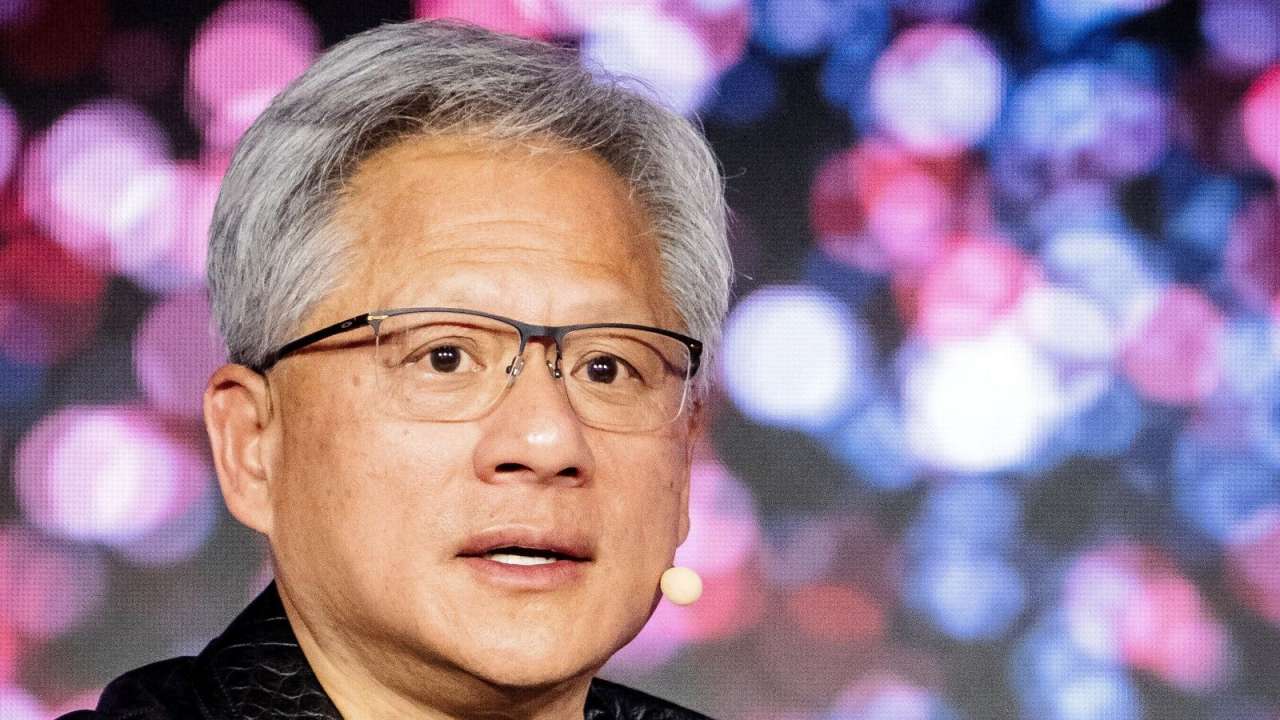
The extraordinary circumstances surrounding Huang’s potential exit – marrying personal conduct with grave national security implications – have thrust Nvidia into an intense spotlight. The board, facing immense pressure to safeguard the company’s integrity and market standing, has reportedly initiated an expanded search, considering both formidable internal candidates and a slate of prominent external executives. Among the leading internal contenders are Colette Kress, Nvidia’s Executive Vice-President and Chief Financial Officer, and Ian Buck, Vice President overseeing the company’s critical data center and AI chip products. The external field, though broader and largely undisclosed, prominently features Sanjay Mehrotra, the seasoned CEO of Micron Technology, whose extensive experience in the semiconductor industry positions him as a compelling option. The looming leadership transition presents an unprecedented challenge, as the new CEO will be tasked with stepping into the shoes of a founder who has not only designed the company’s core business strategy and technological direction but also forged its most crucial relationships over three decades.
A Timeline of Turmoil and Transformation
CHRONOLOGY
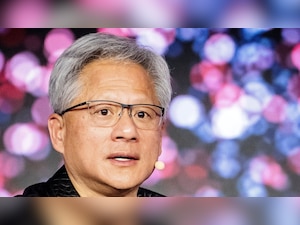
The narrative of Jensen Huang and Nvidia is one of audacious vision and relentless execution, now punctuated by sudden scandal.
1993: The Genesis of a Giant
Jensen Huang co-founded Nvidia in April 1993 with Chris Malachowsky and Curtis Priem. From its inception, the company focused on graphics processing units (GPUs), initially targeting the burgeoning PC gaming market. Huang’s early foresight in recognizing the potential of parallel computing, a capability inherent in GPUs, laid the groundwork for Nvidia’s future dominance.

Early 2000s: The Dawn of GPU Computing
As the demand for increasingly realistic graphics grew, Nvidia’s GPUs evolved rapidly. However, it was Huang’s strategic pivot to leverage GPUs for general-purpose computing that proved revolutionary. In 2006, Nvidia introduced CUDA (Compute Unified Device Architecture), a parallel computing platform and programming model that allowed developers to use Nvidia GPUs for non-graphics tasks, unlocking their potential for scientific research, data analytics, and eventually, artificial intelligence. This was a critical turning point, transforming Nvidia from a mere graphics card manufacturer into a platform company.
2010s: The AI Revolution and Nvidia’s Ascent
The mid-2010s saw the explosion of deep learning and artificial intelligence. Nvidia’s GPUs, specifically designed for parallel processing, proved uniquely suited to the computationally intensive demands of training AI models. Under Huang’s leadership, Nvidia aggressively invested in AI research, software development, and building an ecosystem around its GPUs. This strategic foresight positioned Nvidia at the epicenter of the AI boom, making its hardware indispensable for virtually every major AI initiative globally. The company’s market capitalization soared, reflecting its pivotal role in shaping the future of technology.

November 2026: The Allegations Emerge
The precise timing and manner in which the allegations against Jensen Huang surfaced remain largely obscured by corporate discretion. However, reports indicate that Huang’s admission of an affair with an individual identified as Alice Huang, who was subsequently alleged to be a Chinese spy, became known to the Nvidia board around this period. The immediate concern wasn’t merely the personal conduct but the potential implications for national security, intellectual property, and geopolitical relations, given Nvidia’s critical role in advanced semiconductor technology, particularly AI chips. The sensitivity around Chinese influence in the tech sector, already a prominent global issue, amplified the severity of the situation.
Immediate Aftermath: Market Reaction and Board Action
Following the internal disclosure and subsequent market whispers, Nvidia’s stock experienced a sharp decline. The reported $6 billion loss in market capitalization underscored investor anxiety over leadership stability, potential reputational damage, and the unprecedented nature of the allegations. The board, confronted with a crisis of this magnitude, promptly initiated a confidential search for Huang’s replacement. A meeting held on a recent Wednesday, though details remain scarce, reportedly focused on the succession plan, signaling the board’s resolve to address the issue decisively. The swiftness of the board’s reaction indicates the gravity with which they view the situation, acknowledging that a prolonged period of uncertainty could inflict further damage on the company’s standing.

Examining the Contenders: Supporting Data and Profiles
SUPPORTING DATA
The task of replacing Jensen Huang is not merely filling a CEO position; it is about finding a steward for a company that has become a foundational pillar of modern technology. Nvidia’s current market valuation hovers around the trillions, a testament to its dominance in GPUs, AI, and data center infrastructure. The next leader will inherit a complex ecosystem, a fiercely competitive landscape, and the immense pressure of sustaining innovation at the forefront of AI.

Jensen Huang’s Indispensable Legacy
To understand the challenge of succession, one must first grasp the depth of Jensen Huang’s impact. Beyond co-founding Nvidia, Huang has been its strategic architect, technological visionary, and chief evangelist. His foresight in committing to GPU computing for parallel processing and later for AI was a gamble that paid off spectacularly, transforming Nvidia from a niche graphics company into an enterprise valued in the trillions. He cultivated a culture of relentless innovation, often personally driving key product decisions and forging deep relationships with developers, researchers, and enterprise clients. His iconic leather jacket and charismatic presence made him synonymous with Nvidia’s brand. Stepping into these shoes requires not just operational acumen but a similar blend of technical vision, strategic courage, and charismatic leadership – a rare combination indeed.
Internal Front-Runners: Continuity and Expertise
The board’s initial focus on internal candidates reflects a desire for continuity and a deep understanding of Nvidia’s unique culture and technological roadmap.

Colette Kress: The Financial Architect and Steady Hand
Colette Kress, Nvidia’s Executive Vice-President and Chief Financial Officer, emerges as a leading internal candidate, particularly favored by investors for her financial acumen and steady leadership. Joining Nvidia in September 2013, Kress quickly ascended, becoming one of the most recognizable executives alongside Huang. Her tenure at Nvidia has coincided with the company’s most explosive growth phase, during which she has meticulously managed its financial strategy, investor relations, and operational efficiency, navigating complex market conditions and significant R&D investments.
Before her pivotal role at Nvidia, Kress served as Senior Vice-President and CFO of Cisco’s Business Technology and Operations Finance division. Her extensive experience also includes 13 years at Microsoft, where she held various finance executive positions, including CFO of its Server and Tools division for four years, a critical period for Microsoft’s enterprise software expansion. Earlier in her career, she honed her skills as a finance executive at Texas Instruments, a foundational semiconductor company. This robust background in finance across diverse, large-scale tech enterprises equips Kress with an unparalleled understanding of complex financial ecosystems, M&A strategies, and global market dynamics. Her potential appointment, perhaps initially as interim CEO, would signal a move towards stability and fiscal discipline, reassuring investors amidst uncertainty. However, her primary challenge would be transitioning from a financial leadership role to overseeing the full spectrum of Nvidia’s technical innovation and product strategy, a domain traditionally dominated by Huang.

Ian Buck: The Technical Visionary and CUDA Architect
Ian Buck, Nvidia’s Vice President, stands as the quintessential technical leader within the company, a strong internal candidate whose influence on Nvidia’s core technology is profound. He oversees products for data centers, a segment that has become Nvidia’s primary revenue driver, encompassing its highly sought-after AI chips. Buck is perhaps best known as the architect behind CUDA (Compute Unified Device Architecture), the groundbreaking software framework that unlocked the parallel processing power of Nvidia’s GPUs for a myriad of computing applications beyond graphics. CUDA is not merely a product; it is the foundational ecosystem that has cemented Nvidia’s dominance in AI and high-performance computing, enabling developers worldwide to harness the power of Nvidia’s hardware.
Buck’s journey at Nvidia showcases a deep technical expertise and an intimate familiarity with the company’s product development lifecycle and its customer base. His leadership in data center products means he is at the forefront of the AI chip arms race, understanding the intricate demands of hyperscalers, researchers, and enterprises deploying advanced AI. His candidacy represents a continuity of Nvidia’s tech-first philosophy, ensuring that innovation remains at the core of its strategy. The challenge for Buck would involve broadening his remit from a technical and product-focused role to encompass global business strategy, investor relations, and navigating the complex geopolitical landscape that now directly impacts semiconductor companies.

External Power Players: New Perspectives and Proven Track Records
While internal candidates offer continuity, the board is also exploring external talent, seeking fresh perspectives and proven leadership from outside Nvidia’s established culture. The consideration of "eight outsiders" and high-profile executives from companies like Arm, AMD, Apple, Amazon, and Google underscores the desire to cast a wide net for the right fit.
Sanjay Mehrotra: The Semiconductor Veteran with a Turnaround Touch
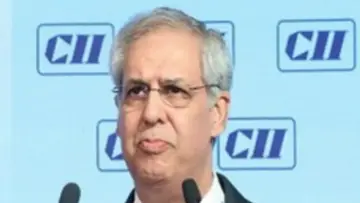
Sanjay Mehrotra, the current CEO of Micron Technology, is arguably the most prominent external candidate publicly mentioned. An Indian-origin technology expert, Mehrotra brings an invaluable depth of experience from the semiconductor industry, having navigated its notoriously cyclical nature through periods of weak demand and robust growth. His career includes co-founding SanDisk in 1988, serving as its CEO until its acquisition by Western Digital in 2016. He then took the helm at Micron Technology in 2017.

Under Mehrotra’s leadership, Micron has undergone a significant transformation. He skillfully guided the company through volatile memory markets, implementing strategies that diversified its product portfolio and strengthened its financial position. Notably, during his tenure, Micron’s shares soared by more than 2,700%, capitalizing on the increased demand for memory and storage solutions driven by the AI boom and cloud computing. His proven track record as a CEO, coupled with his deep understanding of semiconductor manufacturing, supply chain complexities, and global market dynamics, makes him a highly attractive candidate. Mehrotra would bring a blend of operational excellence, strategic vision, and the experience of running a large, publicly traded semiconductor company. His challenge would be adapting to Nvidia’s unique software-hardware co-design model (CUDA) and integrating into a culture shaped by a singular founder for three decades.
Other Potential External Profiles (Categorical)
While specific names beyond Mehrotra are not disclosed, the mention of companies like Arm, AMD, Apple, Amazon, and Google suggests a search for leaders with particular strengths:

- Arm/AMD: Executives with deep expertise in chip design, IP licensing, and CPU/GPU competition, understanding the competitive landscape intimately.
- Apple/Amazon/Google: Leaders from these tech giants could bring experience in large-scale product ecosystems, cloud infrastructure, AI development, and consumer electronics, offering a broader market perspective. Such candidates would need to demonstrate a deep understanding of Nvidia’s specific technological niche and its B2B focus.
The Silence and Its Echoes: Official Responses
OFFICIAL RESPONSES
In the face of such extraordinary allegations and a potential leadership crisis, Nvidia’s official response has been characterized by a profound silence. The company’s board has "kept mum" regarding the alleged affair, the national security implications, and the ongoing search for a replacement. This lack of public statement, while understandable given the sensitivity and legal complexities involved, creates an information vacuum that fuels speculation and anxiety among investors, employees, and the broader tech community.

Typically, public companies facing allegations involving executive conduct or national security concerns would launch internal investigations, often engaging external legal counsel, and issue carefully worded statements to address shareholder concerns and maintain transparency. The absence of such public communication from Nvidia suggests several possibilities:
- Ongoing Internal Investigation: The company may be in the midst of a rigorous internal investigation, the details of which are being kept strictly confidential to protect the integrity of the process and mitigate legal risks.
- Strategic Discretion: Given the alleged involvement of a "Chinese spy," the matter likely involves sensitive intelligence considerations, potentially involving government agencies. Public statements could complicate ongoing investigations or diplomatic efforts.
- Crisis Management: The board and legal team are likely meticulously managing the communication strategy, recognizing that any misstep could exacerbate the situation. The priority is to secure a smooth transition and stabilize the company before making definitive public statements.
Jensen Huang himself has not publicly addressed the allegations or his potential departure, maintaining a low profile during this tumultuous period. This collective silence, while strategic, undoubtedly adds to the pressure on the board to expedite the succession process and provide clarity as soon as feasible. The "Wednesday meeting" where the issue was discussed but "kept mum" highlights the internal containment strategy in play.

Implications for Nvidia and the AI Ecosystem
IMPLICATIONS
The potential departure of Jensen Huang and the subsequent search for a new CEO carry profound implications, not only for Nvidia but for the entire technology landscape, particularly the burgeoning artificial intelligence sector.

Immediate and Long-Term Impact on Nvidia
- Stock Volatility and Investor Confidence: The initial $6 billion market cap loss underscores the immediate financial reaction. Prolonged uncertainty could lead to continued stock volatility. Investors, while upset by the controversy, are equally concerned about the impact of losing a visionary leader who has been integral to the company’s identity and success for decades. The new CEO’s ability to quickly articulate a compelling vision and execute effectively will be crucial for restoring confidence.
- Strategic Direction and Innovation: Huang’s strategic foresight, particularly in championing GPUs for AI, has been Nvidia’s north star. A new CEO, whether internal or external, will face the "uphill task" of either maintaining this aggressive innovation trajectory or potentially pivoting in new directions. While Kress offers financial stability and Buck offers technical continuity, an external hire like Mehrotra might bring a different operational emphasis. The challenge lies in sustaining Nvidia’s competitive edge in a rapidly evolving market without its founding visionary.
- Talent Retention: Leadership transitions, especially under controversial circumstances, can sometimes lead to talent drain. Nvidia’s ability to retain its top engineers, researchers, and executives will be critical to its ongoing success. The new CEO will need to inspire loyalty and a shared vision.
- Customer and Partner Relationships: Huang has personally forged many of Nvidia’s most critical business relationships. The new CEO will need to quickly establish rapport and trust with hyperscalers, cloud providers, automotive companies, and other key partners who rely on Nvidia’s technology.
Broader Industry and Geopolitical Ripples
- AI Ecosystem Stability: Nvidia’s hardware and software (CUDA) are fundamental to the global AI ecosystem. A period of instability at the top could have ripple effects across the industry, potentially delaying innovation or altering supply chain dynamics. Competitors like AMD, Intel, and a host of AI chip startups will be watching closely, potentially seeking to capitalize on any perceived weakness.
- National Security and Supply Chain Integrity: If the allegations of a "Chinese spy" are substantiated or even continue to loom, it raises significant questions about the security of intellectual property in the advanced semiconductor sector. This incident could prompt heightened scrutiny from governments, particularly in the US, on executive vetting processes and potential foreign influence in critical technology companies. It could further exacerbate existing tensions around semiconductor supply chains and technological competition between global powers.
- Corporate Governance and Executive Conduct: The incident serves as a stark reminder of the increasing scrutiny on corporate governance and executive conduct, especially in high-stakes industries. Boards are under immense pressure to act swiftly and decisively when personal conduct intersects with corporate integrity and national security. This case may set new precedents for how companies handle such extraordinary circumstances.
The search for Jensen Huang’s replacement is far more than a typical CEO transition; it is a quest to find a leader capable of navigating unprecedented challenges, sustaining a legacy of innovation, and safeguarding Nvidia’s pivotal role in the future of technology, all while under the shadow of a deeply unsettling controversy. The chosen successor will not only lead Nvidia but will also influence the trajectory of the global AI revolution for years to come.