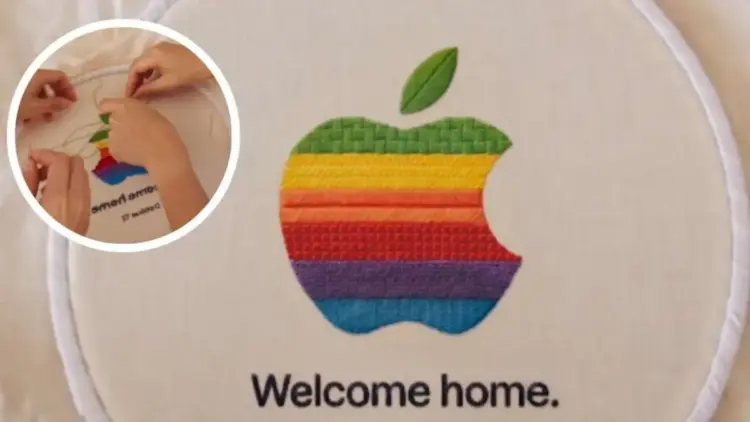
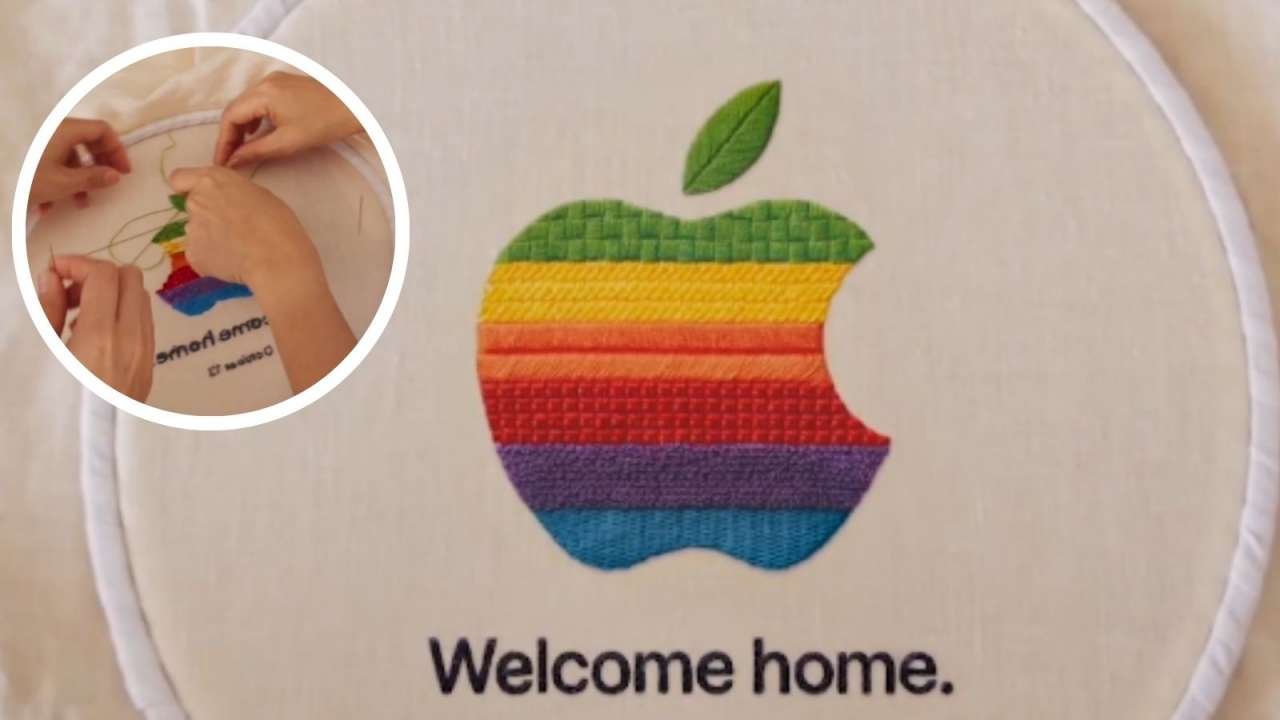
New York, October 9, 2026 – Apple Inc. is poised to redefine the smart home landscape with its highly anticipated "Welcome Home" event, scheduled for October 13, 2026, in New York. The tech giant is expected to unveil a suite of innovative products, headlined by a groundbreaking new HomePad hub, alongside significantly updated versions of the HomePod mini and Apple TV 4K. This event, teased by Apple’s marketing chief Greg Joswiak with a cryptic retro logo and branded as an "Apple Experience," signals a profound strategic pivot towards integrating Apple’s formidable ecosystem more deeply into the heart of consumers’ living spaces.
The event, commencing at 9 am ET (6:30 pm IST), is not merely another product launch; it represents Apple’s most comprehensive and ambitious foray into the connected home arena to date. With persistent rumors and analyst predictions painting a vivid picture of the upcoming announcements, the focus is squarely on establishing Apple as a dominant force in the increasingly competitive smart home market, leveraging its unparalleled blend of hardware, software, and services.
The Main Facts: Apple’s Ambitious Smart Home Blueprint
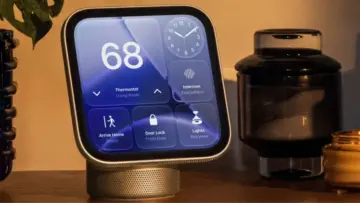
At the core of the "Welcome Home" event lies the introduction of the new HomePad hub, a device anticipated to serve as the central nervous system for Apple’s smart home ecosystem. This innovative hub is rumored to feature a versatile 6-inch screen, offering both wall-mountable and table-top configurations (the latter with an integrated speaker base). Running on a specialized operating system dubbed homeOS, reportedly based on tvOS, the HomePad hub is expected to provide an intuitive interface for widgets, native Apple applications, a calendar, and comprehensive smart home controls. Its capabilities are said to extend to a built-in camera for FaceTime calls and recipe videos, alongside advanced presence sensors employing voice and facial recognition to personalize experiences for different family members. Pricing is speculated to begin around USD 350 (approximately Rs 33,000) in the United States, positioning it as a premium offering in the smart display market.
Complementing the HomePad hub, Apple is also expected to refresh its popular HomePod mini. While maintaining its familiar design, the updated mini is projected to receive substantial internal upgrades, including a faster processor, the advanced N1 networking chip, support for next-generation Wi-Fi 7 and Bluetooth 6, and crucial integration of the Thread smart home standard. Enhanced AI features for Siri and a palette of new color options are also anticipated, further cementing its role as an accessible entry point into Apple’s smart home.
The Apple TV 4K is another pivotal device slated for a significant overhaul. Reports suggest it will incorporate the same N1 chip as the HomePod mini, a powerful A19 or A19 Pro chip, and a generous 12GB of RAM. These enhancements are expected to dramatically boost its performance, particularly for gaming and demanding applications, while also integrating enhanced Siri AI functionalities to provide a more intuitive and responsive entertainment and smart home control experience.
Beyond these core devices, the event may also feature teasers for LG-related accessories, such as an indoor camera, thermostat, and video doorbell, hinting at Apple’s broader strategy to expand its smart home hardware offerings through partnerships. These accessories are anticipated to become available for purchase a few months after the event. Furthermore, industry watchers are already looking ahead to October 27, when Apple is rumored to host another presentation, focusing on new Macs and an OLED iPad mini, underscoring a busy autumn product cycle for the Cupertino giant.

A Chronological Evolution: Apple’s Journey to the Smart Home Zenith
Apple’s engagement with the smart home market has been a journey marked by both innovation and cautious exploration. Its initial forays were primarily through HomeKit, introduced in 2014, providing a framework for developers to integrate their smart home accessories with Apple devices and Siri. While lauded for its security and privacy focus, HomeKit’s adoption was initially slower than competitors, partly due to stringent certification requirements and a relatively closed ecosystem.
The launch of the original HomePod in 2018 marked Apple’s direct entry into the smart speaker market, aiming to deliver unparalleled audio quality alongside Siri integration. However, its high price point and limited smart home capabilities compared to rivals like Amazon Echo and Google Home led to a lukewarm reception. Learning from this, Apple introduced the more affordable HomePod mini in 2020, which, despite its compact size, offered robust sound, U1 chip integration for precise location sensing, and improved Siri responsiveness. The mini proved to be a more successful strategic move, expanding Apple’s footprint in homes.

The subsequent years saw Apple subtly yet consistently reinforce its smart home ambitions. The inclusion of Thread networking support in the HomePod mini and Apple TV 4K (later models) was a significant step, laying the groundwork for greater interoperability. Thread, a low-power mesh networking protocol, enables devices to communicate directly, forming a robust and self-healing network. This commitment to open standards culminated in Apple’s pivotal role in the development and adoption of Matter, the industry-unifying smart home connectivity standard, which officially launched in late 2022. Matter aims to solve the fragmentation issues that have plagued the smart home market for years, allowing devices from different manufacturers to work seamlessly together.
The "Welcome Home" event in 2026, therefore, is not an isolated incident but the culmination of years of strategic development, iterative improvements, and a clear vision to overcome past challenges. The new HomePad hub, HomePod mini, and Apple TV 4K are designed to capitalize on the mature Matter ecosystem, offering a coherent, user-friendly, and secure smart home experience that Apple believes will differentiate it from its rivals. This event signals Apple’s intent to move beyond individual smart devices and towards a fully integrated, intelligent home environment managed effortlessly through its familiar interfaces.

Supporting Data and Technological Underpinnings
The smart home market is experiencing exponential growth, driven by increasing consumer demand for convenience, security, and energy efficiency. According to recent industry reports, the global smart home market is projected to reach well over USD 200 billion by 2027, with a compound annual growth rate (CAGR) exceeding 20%. Key drivers include the proliferation of IoT devices, advancements in AI and machine learning, and the growing ecosystem of interoperable products. Apple’s renewed push comes at an opportune time, as consumer awareness and acceptance of smart home technologies have never been higher.
The N1 Networking Chip and Wi-Fi 7: A critical component mentioned in the upcoming HomePod mini and Apple TV 4K is the N1 networking chip. This chip is likely Apple’s custom silicon designed to enhance connectivity, security, and efficiency within the smart home. It’s expected to provide robust support for Thread, ensuring low-latency, reliable communication between smart home devices, and likely plays a role in advanced Wi-Fi 7 capabilities. Wi-Fi 7 (802.11be), also known as Extremely High Throughput (EHT), offers significantly faster speeds, lower latency, and greater capacity compared to Wi-Fi 6E, making it ideal for bandwidth-intensive applications like 4K/8K video streaming, augmented reality, and supporting a multitude of connected devices simultaneously in a smart home environment. The N1 chip, coupled with Wi-Fi 7, ensures that Apple’s new devices are future-proofed and capable of handling the demands of an increasingly complex smart home network.

Thread and Matter Integration: The emphasis on Thread support in the new HomePod mini and Apple TV 4K, along with the implied full Matter compatibility for the HomePad hub, underscores Apple’s commitment to open standards. Matter, backed by major tech players, aims to simplify the smart home experience by allowing devices from different brands to communicate seamlessly. For Apple, embracing Matter means its devices can interact with a wider array of third-party accessories, addressing one of HomeKit’s historical limitations. This interoperability is crucial for mass market adoption, as it reduces consumer friction and enhances the overall value proposition of Apple’s smart home ecosystem.
homeOS: The rumored homeOS for the HomePad hub is a significant development. While based on tvOS, its dedicated focus on home management suggests a tailored user experience. This could involve enhanced multitasking for smart home controls, richer widget support for glanceable information (weather, calendar, security camera feeds), and deeper integration with Apple services like Apple Music, Apple Fitness+, and even Apple Arcade. The ability to run Apple apps directly on the hub implies a more powerful and versatile device than a typical smart display, potentially bridging the gap between a smart speaker, a tablet, and a dedicated control panel.

A19/A19 Pro Chip and 12GB RAM: The inclusion of an A19 or A19 Pro chip and up to 12GB of RAM in the new Apple TV 4K positions it as a powerhouse. The A19 chip, likely a derivative of Apple’s latest mobile processors, will deliver console-grade gaming performance, rapid app loading, and seamless streaming of high-resolution content. The generous RAM allocation further supports these capabilities, enabling complex applications, advanced AI processing for Siri, and smooth multitasking, solidifying the Apple TV’s role as both an entertainment hub and a capable smart home controller.
Official Responses and Strategic Teasing
While Apple maintains its characteristic secrecy leading up to major events, official communications offer tantalizing clues. Marketing chief Greg Joswiak’s tweet, featuring a retro Apple logo, was more than just a nostalgic nod. The retro rainbow stripes have long been associated with Apple’s early pioneering spirit and, in this context, could symbolize a return to fundamental innovation in a new frontier – the home. More pointedly, many analysts interpret the tweet as a subtle hint at the Thread smart home standard, given Thread’s multi-color logo and its foundational role in the Matter ecosystem. This strategic tease aligns perfectly with the expected focus on robust, interoperable smart home connectivity.

The branding of the event as an "Apple Experience" rather than a traditional keynote also speaks volumes. It suggests a more immersive, hands-on, and perhaps less formal presentation style, designed to allow attendees (and viewers) to truly grasp the integrated nature of the new home products. This approach aims to showcase not just individual devices, but how they seamlessly work together to create a cohesive and enhanced living environment, emphasizing the user journey and the overall "experience" of an Apple-powered home.
Apple’s consistent messaging over the years regarding privacy and security will undoubtedly be a cornerstone of the "Welcome Home" narrative. In an era of increasing concerns about data collection in smart homes, Apple is expected to highlight how its new devices are designed with privacy at their core, from on-device processing of voice and facial recognition data to end-to-end encryption for sensitive home information. This official stance on privacy serves as a key differentiator against competitors and reinforces consumer trust.

Furthermore, the rumored LG-related accessories suggest a deliberate strategy of expanding the Apple Home ecosystem through trusted partners. By teasing these accessories, Apple is not only showcasing its own hardware but also demonstrating the open and interoperable nature of its smart home platform, encouraging broader adoption and choice for consumers. This partnership model is a pragmatic "official response" to the need for a diverse range of smart home devices that complement Apple’s core offerings.
Implications: Reshaping the Smart Home and Apple’s Future
The "Welcome Home" event carries profound implications for consumers, Apple, and the broader smart home industry.

For Consumers: The introduction of the HomePad hub and enhanced HomePod mini and Apple TV 4K promises a more unified, intuitive, and secure smart home experience. The move towards homeOS with its dedicated interface, coupled with robust Matter support, means less frustration with incompatible devices and more seamless control. Features like presence detection with facial and voice recognition offer unprecedented personalization and automation, adapting the home environment to individual family members. However, the premium pricing, especially for the HomePad hub, will continue to position Apple’s smart home solutions at the higher end of the market, potentially limiting mass adoption compared to more budget-friendly alternatives. Privacy concerns surrounding always-on cameras and microphones, even with Apple’s strong privacy commitments, will also be a key consideration for users.
For Apple: This event represents a critical moment in solidifying its position in a lucrative and rapidly growing market. A successful smart home strategy could unlock significant new revenue streams, not just from hardware sales but also from expanded services like Apple Music, Apple Fitness+, and potentially even new subscription tiers related to home security or automation. By establishing the HomePad hub as the central control point, Apple strengthens its ecosystem lock-in, making it more appealing for users to invest further in Apple products and services. This move also broadens Apple’s appeal beyond its traditional mobile and computing strongholds, extending its brand influence directly into the living spaces of millions. The emphasis on Thread and Matter is a strategic concession to interoperability, demonstrating Apple’s willingness to adapt its "walled garden" approach where it benefits the overall user experience and market growth.

For the Smart Home Industry: Apple’s aggressive push is likely to accelerate the adoption of the Matter standard. When a giant like Apple fully commits, it signals confidence and legitimacy, encouraging other manufacturers to follow suit. This could finally usher in an era of true interoperability, simplifying the smart home for everyone. Competitors like Amazon and Google will be forced to innovate further, potentially leading to a new wave of advanced smart displays and hubs. The premium features and design aesthetics of Apple’s offerings will also likely raise the bar for the entire industry, pushing for higher quality hardware and more sophisticated software experiences. The rumored LG accessories also highlight a potential future where Apple acts as a curated platform for third-party smart home hardware, much like its App Store model for software.
Looking beyond October 13, the rumored October 27 event for new Macs and an OLED iPad mini suggests that Apple is not just focusing on the home but is undertaking a comprehensive refresh of its entire product line. This integrated approach, where home devices, personal computing, and mobile devices are all deeply intertwined, is Apple’s long-term vision for a seamless digital life.

Challenges and Opportunities Ahead
Despite the immense potential, Apple’s smart home journey is not without challenges. The high price point of the HomePad hub could deter many consumers, especially when more affordable smart displays from competitors offer similar basic functionalities. Overcoming the perception of past HomeKit complexities and fragmentation will also be crucial. Furthermore, maintaining a balance between advanced features (like facial recognition) and stringent privacy protections will be a constant tightrope walk, requiring transparent communication and robust security measures.
However, the opportunities far outweigh the challenges. Apple’s brand loyalty, reputation for design and quality, and deeply integrated ecosystem provide a formidable advantage. Its strong emphasis on user experience and privacy resonates deeply with a growing segment of consumers. By leveraging the power of its A-series chips, the versatility of homeOS, and the universality of Matter, Apple has the potential to deliver a smart home experience that is not only intelligent and convenient but also genuinely delightful and secure.

Conclusion: A New Chapter for Apple in the Connected Home
The "Welcome Home" event on October 13, 2026, marks a pivotal moment for Apple. With the introduction of the HomePad hub, alongside significantly enhanced HomePod mini and Apple TV 4K, Apple is making its boldest statement yet in the smart home arena. This isn’t just about launching new gadgets; it’s about weaving Apple’s technological prowess and design philosophy into the very fabric of daily living. By embracing interoperability through Thread and Matter, while simultaneously innovating with homeOS and advanced AI, Apple is setting the stage to transform how we interact with our homes. The question isn’t whether Apple will enter the smart home market, but whether it will finally come home and claim its rightful place as a leader in this critical technological frontier. The world watches eagerly to see if this "Apple Experience" truly brings the future of the connected home to our doorsteps.