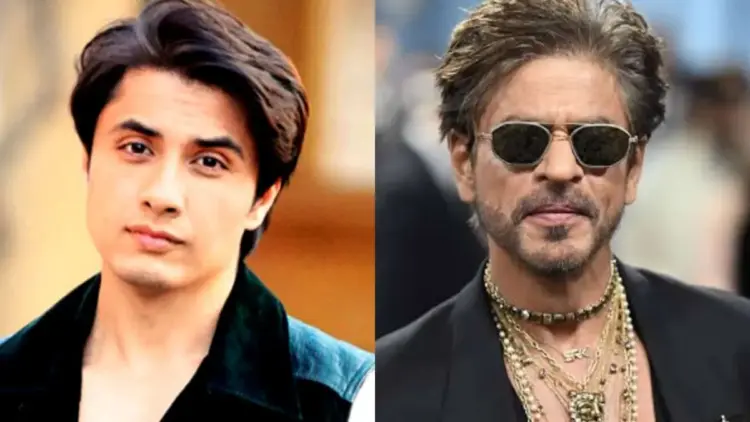
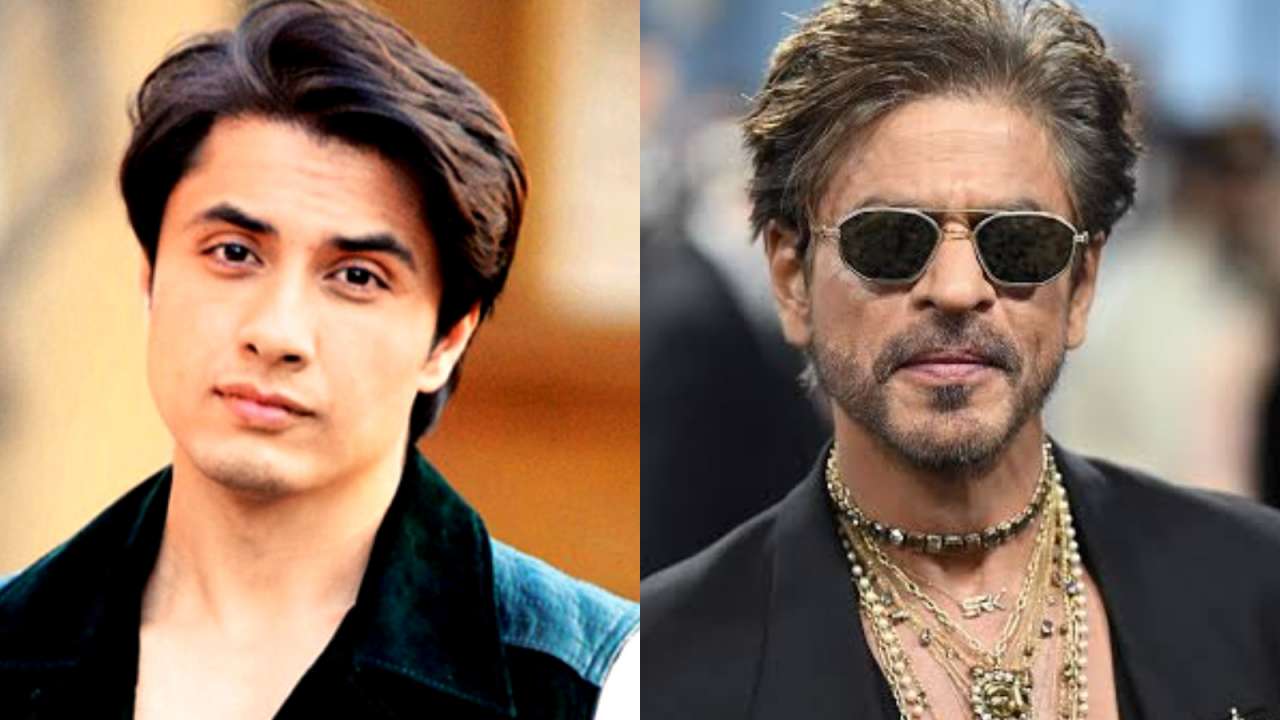
Mumbai, India – In a candid revelation that casts a spotlight on the complexities of cross-border artistic collaboration, Pakistani actor Ali Zafar has shared a significant anecdote from his Bollywood career. Zafar revealed that his role in the critically acclaimed 2016 film "Dear Zindagi," starring alongside Alia Bhatt and Shah Rukh Khan, was initially slated for replacement following the heightened diplomatic tensions between India and Pakistan after the Uri attack. However, Zafar credits the unwavering support of the film’s director, Gauri Shinde, and crucially, the intervention of superstar Shah Rukh Khan, for ensuring his continued presence in the film. This disclosure comes at a time when a new Pakistani Netflix series, "Jo Bachay Hain Sang Samait Lo," is facing calls for a ban in India, reigniting debates around Pakistani artists working in the Indian entertainment industry.
The Shadow of Geopolitics Over Artistic Endeavors
The year 2016 marked a significant inflection point in India-Pakistan relations. Following the deadly Uri attack in September of that year, which claimed the lives of several Indian soldiers, a wave of nationalistic sentiment swept across India. This sentiment quickly translated into a strong demand for a halt to all cultural exchanges and collaborations with Pakistan. The Indian Motion Picture Producers Association (IMPPA) swiftly passed a resolution advocating for a complete ban on Pakistani artists working in Indian films. This resolution, coupled with a prevailing public mood, created an atmosphere of considerable uncertainty and pressure for Pakistani artists who had established careers in Bollywood.
It was within this charged political climate that Ali Zafar, who had carved a niche for himself in the Indian film industry as a leading man and singer, found himself in a precarious position. His role as Rumi, a free-spirited musician, in Gauri Shinde’s directorial venture "Dear Zindagi," which also featured a pivotal role by Shah Rukh Khan, was reportedly considered for recasting. The film, a poignant exploration of mental health and self-discovery, was nearing completion, and the geopolitical fallout threatened to erase Zafar’s contribution.

A Director’s Vision and a Superstar’s Steadfastness
Speaking on the podcast hosted by Waseem Abbas, Ali Zafar recounted the challenging circumstances. "Dear Zindagi was my last film," Zafar stated, reflecting on his tenure in Bollywood. "It featured Shah Rukh Khan with Alia Bhatt. At that time, the Pulwama attacks happened," he mistakenly referred to, although the Uri attack occurred in 2016 and "Dear Zindagi" was released that same year. The Pulwama attack, which led to a further escalation of tensions, took place in 2019. Regardless of the specific attack referenced, the context of heightened India-Pakistan animosity was undeniable.

Zafar elaborated on the critical juncture: "Politically, all those things ended. In fact, my part in Dear Zindagi was completely reshot with another actor. I was playing the character of Rumi, a musician. But the director took the stand that she wanted me, and Shah Rukh Khan also requested the makers to keep my part." This statement highlights a crucial aspect of the narrative: Zafar’s role was not merely a supporting one; it was integral to the film’s narrative arc. The director’s conviction in Zafar’s performance and Shah Rukh Khan’s willingness to leverage his considerable influence to advocate for an artist demonstrate a profound commitment to artistic integrity over political expediency.

The anecdote suggests that the reshoots were initiated due to the prevailing anti-Pakistan sentiment. However, the ultimate decision to retain Zafar was a testament to the creative team’s belief in his talent and the film’s vision. Zafar’s gratitude was palpable as he spoke about the respect he received during his time in Bollywood. "I was lucky and blessed that I worked there (Bollywood) as a leading man for four, five, six years. I got a lot of respect for my work," he said. This sentiment underscores his positive experience in the industry, making the near-removal from "Dear Zindagi" an even more poignant memory.

Chronology of Events and the Shifting Landscape
To fully appreciate the significance of Ali Zafar’s revelation, it is essential to place it within a chronological framework:

- September 18, 2016: The Uri attack occurs, resulting in a significant deterioration of India-Pakistan relations.
- September 2016 onwards: The Indian Motion Picture Producers Association (IMPPA) passes a resolution calling for a ban on Pakistani artists working in Indian films. This leads to a wave of cancellations and withdrawals of Pakistani artists from various projects and events in India.
- November 25, 2016: "Dear Zindagi," featuring Ali Zafar, Alia Bhatt, and Shah Rukh Khan, is released in cinemas. While Zafar’s presence in the film was noted, the internal complexities of his casting process were not widely known until now.
- February 14, 2019: The Pulwama attack occurs, further escalating tensions between India and Pakistan and leading to renewed calls for a ban on Pakistani artists.
- Present Day: Ali Zafar’s recent interview brings to light the behind-the-scenes efforts that ensured his participation in "Dear Zindagi," offering a counter-narrative to the prevailing sentiment at the time.
This timeline illustrates the volatile nature of the relationship between the two nations and its direct impact on the entertainment industry. Zafar’s account provides a crucial counterpoint, showcasing instances where artistic merit and personal relationships transcended political divides.

Supporting Data and the Wider Context of Cultural Exchange
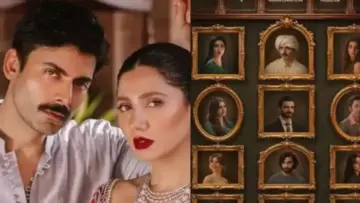
Ali Zafar’s experience is not an isolated incident but rather a microcosm of a larger phenomenon. Numerous Pakistani artists, including Fawad Khan, Mahira Khan, and Atif Aslam, had gained significant popularity and respect in India prior to 2016. Their contributions to Bollywood were widely appreciated, and they had built substantial fan bases. However, the political climate of 2016 and subsequent years led to their almost complete exclusion from the Indian film industry.

The IMPPA’s resolution, while a significant step, reflected a broader societal sentiment. Many Indian organizations and individuals called for a complete cessation of cultural ties, arguing that such exchanges were inappropriate in the face of cross-border terrorism. This led to the cancellation of concerts, film screenings, and other cultural events involving Pakistani artists.

Zafar’s revelation about "Dear Zindagi" suggests that while the public and industry bodies might have called for bans, there were influential figures within the industry who were willing to fight for artistic freedom and talent. Shah Rukh Khan, a global icon and a producer himself, understanding the nuances of filmmaking and the value of an artist’s contribution, likely played a pivotal role. His intervention, as described by Zafar, was not just a personal favor but a statement of solidarity with artistic integrity.

Official Responses and Shifting Stances
While there has been no official statement from Shah Rukh Khan or Gauri Shinde regarding Ali Zafar’s specific claims about "Dear Zindagi," the current controversy surrounding the Pakistani Netflix series "Jo Bachay Hain Sang Samait Lo" provides a stark contrast. The All India Cine Workers Association (AICWA) has written to Prime Minister Narendra Modi, urging a ban on the series’ release in India. The AICWA has gone a step further, advocating for a permanent legislative ban on Pakistani entertainment content on Indian screens.

This demand for a blanket ban reflects the persistent hardline stance held by some factions within the Indian entertainment industry and civil society. The AICWA’s appeal highlights the ongoing debate about whether cultural exchange should be contingent on geopolitical stability or if it can exist independently. The association’s statement about "permanent banning of Pakistani entertainment content" signifies a desire to sever all cultural ties, a sentiment that was also prevalent in 2016 but which Zafar’s experience suggests was not universally adopted within the industry’s core.

The differing approaches – Shah Rukh Khan’s alleged intervention in 2016 versus the current calls for outright bans – underscore the ebb and flow of political tensions and their impact on cultural policies. While the government’s stance on such matters is often influenced by diplomatic relations, the industry itself exhibits a spectrum of opinions and actions.

Implications and the Future of Cross-Border Collaboration
Ali Zafar’s story about "Dear Zindagi" carries significant implications for the future of cross-border artistic collaboration. It serves as a reminder that even in times of intense political strain, individuals and institutions can champion talent and artistic merit. Shah Rukh Khan’s alleged advocacy for Zafar demonstrates that within the Indian film industry, there exists a space for nuanced decision-making that prioritizes creative vision over immediate political pressures.

However, the current calls for banning Pakistani content, as exemplified by the AICWA’s stance, suggest that the pendulum has swung back towards a more restrictive approach. This creates a challenging environment for Pakistani artists seeking opportunities in India and for Indian filmmakers looking to cast talent from across the border.

The debate raises fundamental questions:

- Should art and politics be separated? Can cultural exchange serve as a bridge for dialogue and understanding, even amidst diplomatic crises?
- What is the role of influential figures like Shah Rukh Khan? Can their actions set precedents for a more inclusive and artistically driven approach?
- What are the long-term consequences of a complete ban on cultural exchange? Does it foster goodwill or deepen divisions?
Ali Zafar’s revelation offers a valuable historical perspective, highlighting a moment when empathy and artistic conviction prevailed. As the entertainment industries of India and Pakistan navigate the complexities of their bilateral relationship, his story provides a crucial point of reference, urging a consideration of the human element and the enduring power of art to transcend borders. The challenge remains to find a sustainable path that allows for artistic expression while acknowledging the realities of international relations, a balance that continues to be elusive.