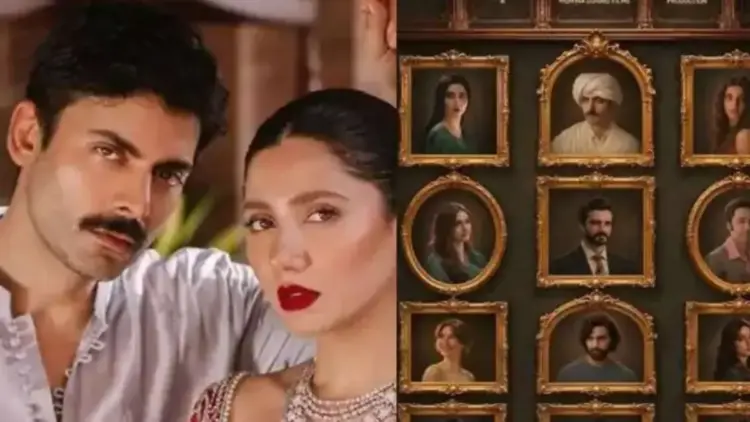
Mumbai, India – The much-anticipated trailer for Netflix’s first Pakistani original series, "Jo Bachay Hain Sang Samait Lo," starring acclaimed actors Fawad Khan and Mahira Khan, has ignited a firestorm of controversy in India. The All Indian Cine Workers Association (AICWA) has formally requested Prime Minister Narendra Modi to ban the show’s release in India, citing national security concerns and a precedent set by previous advisories against Pakistani content. The move underscores the delicate geopolitical climate that continues to cast a shadow over cultural exchanges between the two nations.
The series, based on the beloved Urdu novel by Farhat Ishtiaq, promises a sweeping narrative of intertwined love stories across generations. However, its impending debut on the global streaming giant has been met with a fervent call for prohibition, threatening to disrupt the flow of cross-border entertainment.
The Allure of "Jo Bachay Hain Sang Samait Lo": A Tale of Love and Legacy
"Jo Bachay Hain Sang Samait Lo," a title that translates to "Gather Those Who Are Left Behind," is not merely a new series; it is an adaptation of a literary phenomenon. The novel, first serialized in Khawateen Digest in 2009 and published in book form in 2013, has garnered a devoted following for its intricate plotlines and poignant exploration of human relationships. The series, directed and produced by Momina Duraid under Momina Duraid Films, aims to translate this literary magic onto the screen, with filming locations spanning the picturesque landscapes of the UK, Italy, and Pakistan.
The trailer, released on November 24th, offers a tantalizing glimpse into the show’s rich tapestry. Its opening line, "Every love tale begins before it starts," sets a tone of profound romanticism and foreshadowing. Complementing the visual narrative, a six-song original soundtrack was also unveiled on the same day, hinting at the emotional depth the series intends to evoke. The world premiere of "Jo Bachay Hain Sang Samait Lo" is slated for December 4th, leaving a question mark over its accessibility for Indian audiences, given the current opposition.
A Stellar Ensemble Cast: Bringing Literary Characters to Life
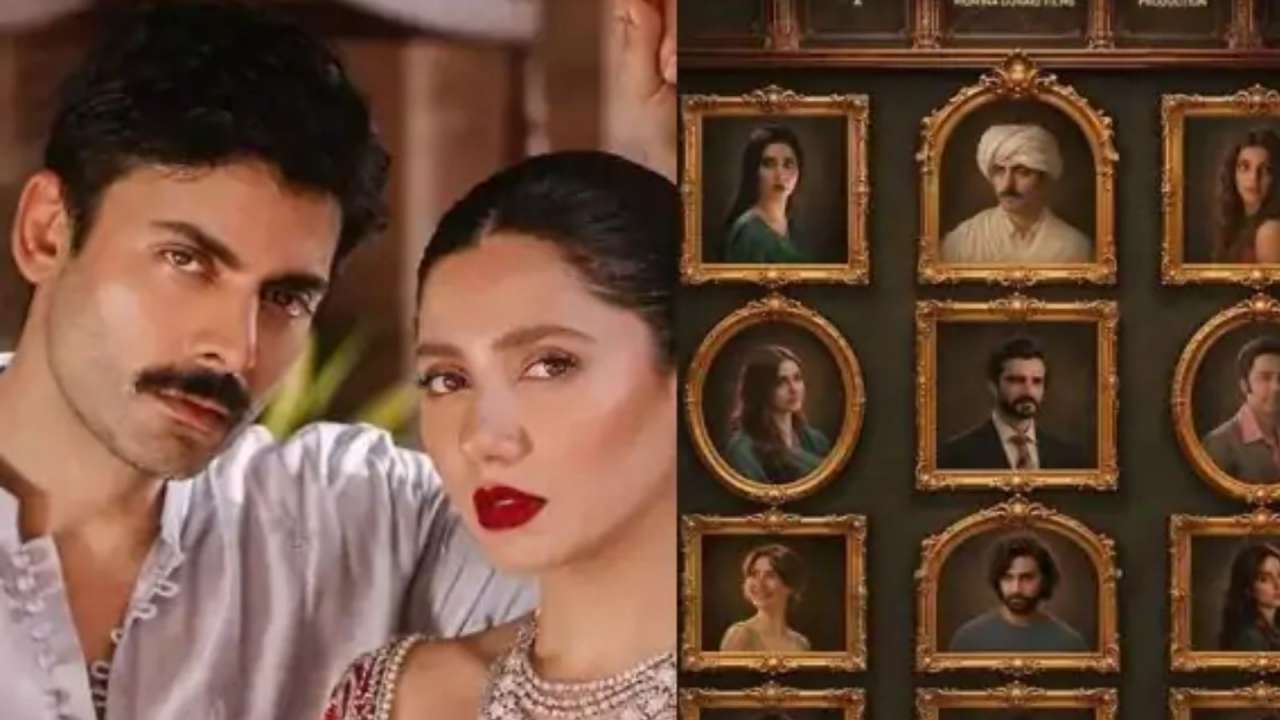
The casting of "Jo Bachay Hain Sang Samait Lo" is a significant draw, featuring some of the most prominent actors from Pakistan’s entertainment industry. The series boasts a star-studded ensemble, each bringing their unique charisma to complex characters:
- Ahad Raza Mir portrays Sikandar, a lawyer grappling with past trauma in Rome, whose life intertwines with that of Liza, an artist brought to life by Iqra Aziz.
- Fawad Khan, a familiar face to Indian audiences for his roles in films like "Khoobsurat" and "Ae Dil Hai Mushkil," plays Mahmood. He is paired with Sanam Saeed as Vittoria.
- Mahira Khan, who made a memorable Bollywood debut opposite Shah Rukh Khan in "Raees," takes on the role of Rahat. Her storyline is linked to Ahmed Ali Akbar, and she has a past connection with Bilal Ashraf, who plays Waqar.
- Hania Aamir embodies Kulsoom, who navigates a challenging relationship with Khushhal Khan‘s character, Zain.
- Hamza Ali Abbasi plays the controlling Shehryar, married to Maya Ali‘s character, Amna.
This confluence of talent promises a visually and emotionally engaging viewing experience, further amplifying the anticipation surrounding the series.

The Specter of Conflict: AICWA’s Demand for a Ban
The burgeoning excitement around "Jo Bachay Hain Sang Samait Lo" has been abruptly met with a formidable obstacle. The All Indian Cine Workers Association (AICWA), a prominent body representing film industry workers in India, has vociferously called for a ban on the show’s release in India. In a formal letter addressed to Prime Minister Narendra Modi on November 24th, the same day the trailer was released, AICWA articulated its concerns, urging swift government intervention.
The association’s plea is rooted in a history of strained diplomatic relations and security concerns that have led to a significant reduction in cultural exchanges between India and Pakistan. AICWA pointed to the Ministry of Information and Broadcasting’s advisory issued on May 8th, 2025, following the Pulwama attack, which had urged OTT platforms to cease the broadcast of Pakistani content. This advisory, AICWA argues, established a precedent that should be upheld and, ideally, strengthened.

Furthermore, the association expressed a desire for a more robust and permanent legal framework to govern such situations. They are advocating for the implementation of a permanent law that imposes strict penalties for any violation of the directive against Pakistani content. This demand reflects a broader sentiment within certain sections of the Indian entertainment industry that have historically called for a complete moratorium on Pakistani artists and content in India, particularly in the aftermath of cross-border terrorist attacks. AICWA’s recall of its 2019 ban on Pakistani artistes post-Pulwama underscores this long-standing stance.
A Chronology of Cultural Sanctions and Shifting Tides
The call for a ban on "Jo Bachay Hain Sang Samait Lo" is not an isolated incident but rather the latest chapter in a complex and often fraught history of cultural engagement between India and Pakistan.

- Pre-2016: For years, there was a relatively free flow of cultural content, with Pakistani actors and artists frequently featuring in Indian films and television shows, and Pakistani dramas enjoying significant viewership in India. Fawad Khan and Mahira Khan themselves are prime examples of this era, having achieved considerable popularity in India.
- September 2016 (Uri Attack): Following the Uri surgical strikes, a strong nationalist sentiment emerged in India, leading to calls for a boycott of Pakistani artists. The Maharashtra Navnirman Sena (MNS) played a significant role in pressuring Indian film producers to refrain from casting Pakistani talent. While not a government ban, this period saw many Pakistani artists voluntarily or involuntarily step back from Indian projects.
- February 2019 (Pulwama Attack): The dastardly Pulwama attack further intensified anti-Pakistan sentiment in India. In response, the All Indian Cine Workers Association (AICWA) officially announced a ban on Pakistani actors and technicians working in the Indian film industry. The Indian government also suspended the trade of certain goods and withdrew the Most Favoured Nation (MFN) status granted to Pakistan.
- May 8, 2025 (Advisory): The Ministry of Information and Broadcasting issued an advisory to OTT platforms, urging them to "stop broadcasting or promoting content from Pakistan." This advisory was a direct response to the prevailing security concerns and the ongoing tensions between the two nations. It signaled a more direct approach from the government in regulating cross-border content on digital platforms.
- November 24, 2026 (Trailer Release and Ban Demand): The release of the trailer for "Jo Bachay Hain Sang Samait Lo" and AICWA’s subsequent demand for a ban highlights that the advisory from 2025 continues to be a point of reference for such demands. The current situation suggests that the geopolitical climate remains conducive to such restrictive measures being proposed and potentially enforced.
This chronological overview illustrates a clear pattern: significant geopolitical events and security concerns have consistently led to a hardening of stances regarding cultural exchange, culminating in official advisories and industry-led bans.
Supporting Data and Precedents: The Justification for the Ban Demand
AICWA’s demand for a ban on "Jo Bachay Hain Sang Samait Lo" is not an arbitrary one. It is buttressed by existing government advisories and a historical precedent of prioritizing national security over cultural exchange during periods of heightened tension.

The Ministry of Information and Broadcasting’s advisory dated May 8, 2025, is a key piece of supporting data. This advisory explicitly directed OTT platforms to cease the broadcast or promotion of content originating from Pakistan. The rationale behind this directive was clearly linked to the prevailing security environment and the need to demonstrate solidarity with national security imperatives. By referencing this advisory, AICWA is essentially arguing that allowing "Jo Bachay Hain Sang Samait Lo" to be accessible in India would directly contravene a standing government directive.
Furthermore, AICWA’s reference to its 2019 ban on Pakistani artistes after the Pulwama attack serves as a significant precedent. This industry-led ban, while not legally binding in the same way as a government advisory, reflects the collective sentiment of a substantial portion of the Indian film fraternity. It underscores a willingness to self-regulate and to take a firm stance against cultural collaboration with Pakistan when perceived national interests are at stake.

The argument for a ban also implicitly draws upon the broader discourse surrounding the impact of cross-border terrorism on bilateral relations. Proponents of the ban often argue that allowing Pakistani content to be consumed freely in India can be seen as indirectly supporting an industry that, in turn, may indirectly benefit a nation perceived as harboring elements hostile to India. This perspective often emphasizes the need for a unified national response to security threats, which includes curtailing cultural ties.
While specific data on the economic impact of Pakistani content on the Indian entertainment industry is not readily available, the prevailing sentiment is that such content competes for audience attention and, in some cases, can dilute the market share for Indian productions.

Official Responses and the Path Forward
As of now, there has been no official statement from the Indian government directly addressing AICWA’s demand regarding "Jo Bachay Hain Sang Samait Lo." The Ministry of Information and Broadcasting, which issued the 2025 advisory, has yet to comment on the specific case of this Netflix series.
However, the Ministry of External Affairs (MEA) has historically been the primary government body to comment on matters pertaining to bilateral relations with Pakistan, including cultural exchanges. Any official response would likely emanate from or be coordinated through the MEA, reflecting the geopolitical implications of the issue.

Netflix, the global streaming giant, has also remained silent on the controversy. As a platform that operates in numerous countries, Netflix often navigates complex geopolitical landscapes. Its strategy typically involves adhering to local regulations and advisories. The company’s stance on "Jo Bachay Hain Sang Samait Lo" in India will likely depend on any explicit directives issued by the Indian government. If a ban is officially mandated, Netflix would be compelled to comply.
The silence from both the government and the platform suggests that the situation is still evolving. The decision to ban or allow the series will undoubtedly be a nuanced one, weighing security concerns against the principles of open access to content on digital platforms.

Implications and the Broader Landscape of Cultural Diplomacy
The controversy surrounding "Jo Bachay Hain Sang Samait Lo" has significant implications that extend beyond the fate of a single television series. It highlights the persistent challenges in navigating cultural diplomacy between India and Pakistan, particularly in the current geopolitical climate.
- The Impact on Cross-Border Cultural Exchange: A ban would further restrict the already limited avenues for cultural exchange between the two nations. This could lead to a further disconnect and a missed opportunity for fostering understanding and dialogue through shared artistic experiences.
- The Role of OTT Platforms: The situation underscores the growing influence of OTT platforms as conduits for global content and the challenges they face in balancing their global reach with national sensitivities. It raises questions about the responsibility of these platforms in curating content that might be politically sensitive.
- The Precedent for Future Content: A ban on "Jo Bachay Hain Sang Samait Lo" could set a precedent for future Pakistani content on Indian OTT platforms, potentially leading to a more stringent vetting process and further limitations.
- The Power of National Sentiment: The strong reaction from AICWA and the potential for government intervention demonstrate the significant sway that national sentiment and security concerns hold in shaping cultural policy. It highlights how geopolitical tensions can directly impact the arts and entertainment industries.
- The Future of Pakistani Talent: For actors like Fawad Khan and Mahira Khan, who have a significant fan base in India, such controversies can impact their career prospects and their connection with Indian audiences.
Ultimately, the decision regarding "Jo Bachay Hain Sang Samait Lo" will be a reflection of India’s ongoing approach to its relationship with Pakistan, where national security and political considerations often take precedence over cultural collaboration. As the situation unfolds, it will be closely watched as an indicator of the future trajectory of cultural exchanges between the two neighboring countries.