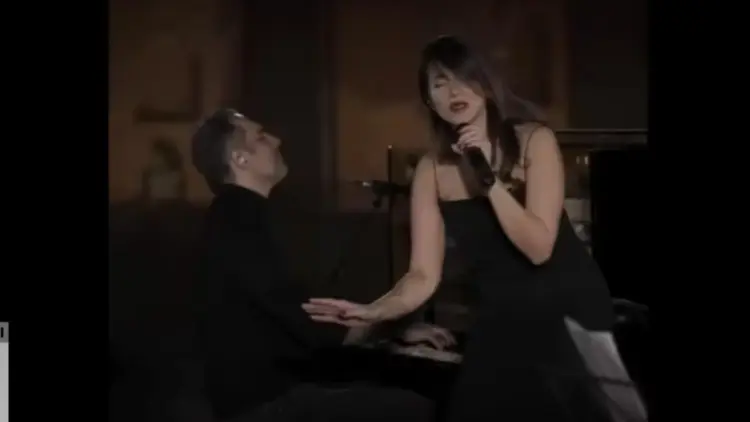
Tehran, Iran – In a stark illustration of the Islamic Republic’s stringent social and artistic regulations, Iranian singer Parastoo Ahmadi and four members of her production team have reportedly been subjected to a brutal punishment of 74 lashes each. The conviction stems from an online performance held in December 2024, where Ahmadi sang without adhering to the compulsory hijab and was accompanied by male musicians. This severe sentence highlights the ongoing crackdown on perceived moral transgressions and the deep-seated restrictions placed upon women in Iran’s creative landscape.
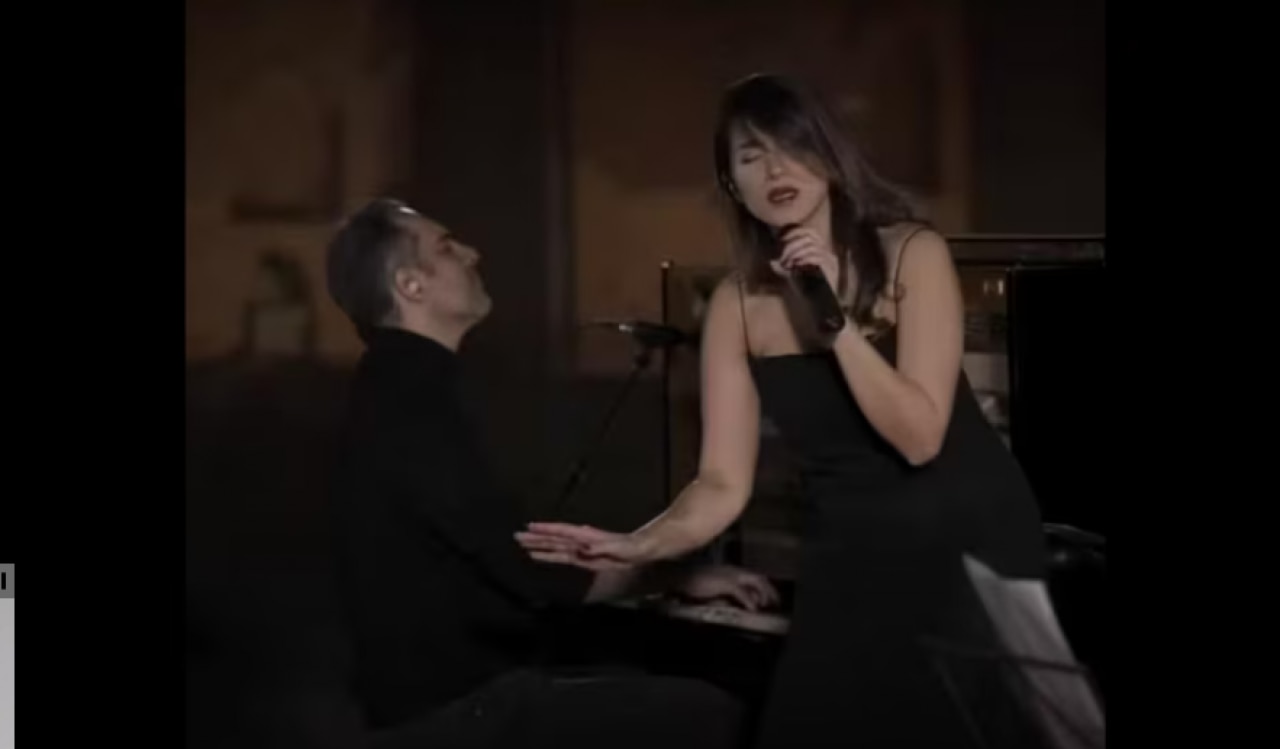
The punitive measures were implemented following a court ruling that found the group guilty of producing and disseminating content deemed "obscene and immoral" by the authorities. The sentencing, which occurred in June, was reportedly upheld by an appeals court in September, underscoring the judiciary’s resolve in enforcing its interpretation of Islamic law and public decency. The individuals were also reportedly handed a two-year ban from artistic and musical activities, as well as travel, further stifling their creative and personal freedoms.

The Genesis of the Condemnation: An Unveiled Performance
The case revolves around an online concert filmed and subsequently uploaded to YouTube by Parastoo Ahmadi in December 2024. The performance, recorded at the historically significant Deir-e Gachin Caravanserai near Qom – a site traditionally used as a resting place for travelers – was presented on a dimly lit stage adorned with a large Persian carpet. Notably, there was no live audience present for the recording.

The visual and auditory content that triggered the judicial backlash featured Ahmadi performing with her hair uncovered, a direct defiance of Iran’s mandatory hijab laws for women. She was also accompanied by male musicians, another element that contravenes the country’s strict social codes, particularly concerning the mixing of genders in public performances. The video, intended for online distribution, quickly garnered significant attention, reigniting discussions and drawing renewed focus to the pervasive restrictions faced by women singers and performers in Iran.

The judiciary-affiliated Mizan News Agency swiftly condemned the performance, labeling it an "illegal concert" that failed to comply with the nation’s legal and religious standards. This official denouncement signaled the commencement of formal proceedings against Ahmadi and those involved in bringing the performance to the public.

A Chronology of Legal Proceedings and International Condemnation
The legal proceedings against Parastoo Ahmadi and her team unfolded over several months, culminating in the severe lashings.

- December 2024: Parastoo Ahmadi films and uploads her online concert to YouTube. The performance features her singing without a hijab and with male musicians.
- Early 2025: The performance gains traction online, attracting the attention of Iranian authorities. The judiciary initiates an investigation into the matter.
- June 2025: A court sentences Ahmadi and members of her production team to 74 lashes each, along with a two-year ban from artistic activities and travel. Initial reports indicated that nine individuals, including Ahmadi, musicians, and production staff, were sentenced.
- September 2025: An appeals court reportedly upholds the initial sentencing, confirming the severity of the punishment.
- October 2025: Amnesty International publicly calls on Iranian authorities to halt the planned punishment, denouncing flogging as a cruel, inhuman, and degrading act.
- Present: Reports emerge that Parastoo Ahmadi and four members of her production team have undergone the flogging, with the punishment being carried out. The status of the other individuals initially sentenced remains unclear.
The international response to the case has been largely critical. Human rights organizations, including Amnesty International, have vehemently condemned the use of flogging, classifying it as torture and a violation of fundamental human rights and international law. Western governments have also voiced their disapproval, echoing concerns about Iran’s human rights record.

Supporting Data: The Context of Restrictions on Women in Iran
The conviction and punishment of Parastoo Ahmadi are not isolated incidents but rather symptomatic of a broader pattern of repression and control exerted by the Iranian government over its citizens, particularly women.

- Compulsory Hijab Laws: The mandatory hijab was introduced after the 1979 Islamic Revolution and has been a cornerstone of the state’s efforts to enforce its interpretation of Islamic morality. In 2022, the death of Mahsa Amini in the custody of the "morality police" for an alleged dress-code violation ignited widespread protests across Iran. These demonstrations, which saw women openly defying the compulsory hijab, highlighted a growing demand for greater personal freedoms and autonomy. Despite the protests, the state has continued to enforce the dress code, albeit with varying degrees of selectivity in its application.
- Restrictions on Women in Arts and Culture: Iranian women have long faced significant hurdles in pursuing artistic careers, especially in public performance. Solo singing by women in public is largely prohibited, and their participation in musical ensembles is heavily regulated. These restrictions aim to limit women’s visibility and influence in public life and to prevent any expression that might be perceived as challenging traditional gender roles or societal norms. Ahmadi’s performance directly challenged both the compulsory dress code and these entrenched restrictions on female performers.
- Judicial Punishments: Flogging, stoning, and other forms of corporal punishment remain legal in Iran, despite widespread international condemnation. These punishments are often applied for offenses related to morality, social conduct, and religious observance. The judiciary, often seen as an instrument of state control, plays a crucial role in enforcing these policies.
Official Responses and International Repercussions
The Iranian government has historically rejected criticism of its human rights record, often deflecting such concerns by pointing to perceived human rights issues in Western countries. Official media outlets, such as the Mizan News Agency, have framed the actions against Ahmadi and her team as necessary measures to uphold public decency and religious values. They have characterized the online performance as an act of defiance against the state and its cultural norms, justifying the severe repercussions.

The international community, however, remains largely critical. Human rights organizations continue to document and report on abuses within Iran, advocating for greater accountability and an end to punitive measures like flogging. The consistent application of such harsh penalties for what many in the international community consider basic expressions of freedom serves to further isolate Iran on the global stage and strain its diplomatic relations.

Implications: A Chilling Effect on Artistic Expression and Individual Freedom
The flogging of Parastoo Ahmadi and her production team sends a chilling message to artists and individuals in Iran who dare to challenge the status quo. It underscores the precariousness of artistic freedom and the severe consequences faced by those who step outside the boundaries set by the Islamic Republic.

- Deterrent to Artistic Innovation: Such severe punishments are likely to stifle creativity and discourage artists from exploring controversial themes or pushing the boundaries of expression. The fear of retribution could lead to self-censorship, resulting in a less diverse and vibrant cultural landscape.
- Erosion of Personal Freedoms: The case highlights the ongoing struggle for individual liberties in Iran, particularly for women. The state’s continued insistence on controlling personal choices, including dress and public expression, signifies a deep-seated resistance to societal evolution and a commitment to maintaining a rigid ideological framework.
- International Scrutiny and Pressure: While the Iranian government remains largely dismissive of international criticism, persistent condemnation from human rights organizations and governments can contribute to a gradual shift in public opinion and potentially influence future policy. The ongoing focus on such cases keeps the human rights situation in Iran under international scrutiny.
The story of Parastoo Ahmadi is a poignant reminder of the ongoing fight for freedom of expression and personal autonomy in Iran, where artistic defiance can lead to severe and brutal punishment. The international community continues to watch, hoping for a future where creativity and individuality are not met with the lash.