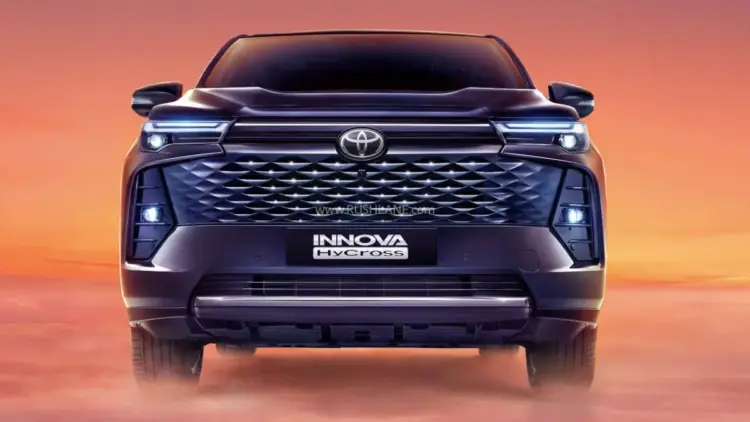
The Indian automotive landscape has long been dominated by a few iconic nameplates, but perhaps none carry the weight of reliability and aspirational value quite like the Toyota Innova. In a significant move to consolidate its leadership in the Multi-Purpose Vehicle (MPV) segment, Toyota Kirloskar Motor (TKM) has officially launched the updated Innova Hycross. This is not merely a cosmetic facelift; it is a comprehensive mechanical and technological overhaul that introduces flex-fuel compatibility, a transition in battery chemistry, and a strategic restructuring of variants to make hybrid technology more accessible to a broader demographic.
Main Facts: The Core of the Transformation
The updated Toyota Innova Hycross arrives at a pivotal time when the Indian government is aggressively pushing for alternative fuel adoption and higher ethanol blending. The headline feature of this update is the E20–E85 flex-fuel compatibility, making the Hycross one of the most future-ready vehicles in its class. However, the changes go far deeper than the fuel tank.
Key Highlights of the Update:
- Powertrain Evolution: The hybrid system has been recalibrated to deliver a higher power output of 147 kW (197.1 hp), up from the previous 137 kW (183.7 hp).
- Battery Technology Shift: Toyota has moved away from the 168-cell Nickel-Metal Hydride (Ni-MH) battery pack in favor of a more modern, 56-cell Lithium-ion battery for the GX, VX, and ZX hybrid grades.
- Enhanced Technology Suite: The interior receives a massive boost with the introduction of 31.2 cm (12.3-inch) infotainment screens and fully digital instrument displays for the higher trims.
- Democratizing Hybrids: The introduction of the G-SLF and GX hybrid variants has slashed the entry-level price for a Hycross hybrid by several lakhs, targeting both fleet operators and budget-conscious private buyers.
- Aesthetic and Safety Tweaks: From projector LED headlamps to the inclusion of an Acoustic Vehicle Alert System (AVAS), the update refines the vehicle’s safety and premium appeal.
Chronology: From Launch to Flex-Fuel Future
To understand the significance of this update, one must look at the trajectory of the Innova brand. For nearly two decades, the Innova was synonymous with diesel efficiency and body-on-frame ruggedness.

- Late 2022: Toyota shocked the market by introducing the Innova Hycross, a monocoque, front-wheel-drive MPV that ditched the diesel engine in favor of a sophisticated 5th-generation strong hybrid system.
- 2023–2024: The Hycross saw unprecedented demand, leading to long waiting periods, particularly for the top-tier ZX and ZX(O) variants. During this period, Toyota introduced the GX(O) trim to bridge the gap between the petrol and hybrid offerings.
- Late 2024 (The Current Update): Recognizing the shifting regulatory environment and consumer feedback regarding interior tech, Toyota has released this updated version. This version aligns the Hycross with India’s "Mission LiFE" and the Ethanol Blending Programme (EBP), while simultaneously addressing the "premium-ness" of the cabin to compete with newer three-row SUVs.
Supporting Data: A Granular Look at Specifications and Pricing
The updated Hycross presents a complex but logical restructuring of its lineup. Below is a detailed breakdown of the technical and financial data that defines this new iteration.
The Pricing Paradigm Shift
Toyota has strategically lowered the barrier to entry for hybrid ownership. Previously, the hybrid range started with the VX trim at approximately Rs 26.76 lakh. Now, the hybrid journey begins at just Rs 19.99 lakh.
| Variant | New Price (Ex-showroom) | Change/Comparison |
|---|---|---|
| G-SLF (Hybrid) | Rs 19.99 Lakh | New entry-level (80 km/h limited) |
| GX (Hybrid) | Rs 23.99 Lakh | Rs 2.77 Lakh lower than old entry hybrid |
| VX (Hybrid) | Rs 28.79 Lakh | Rs 2.03 Lakh increase (includes VX-O features) |
| ZX (Hybrid) | Rs 31.99 Lakh | Rs 79,000 increase (includes ZX-O features) |
| GX (Petrol) | Rs 19.59 Lakh | Rs 6,000 increase |
Note: The G-SLF is primarily aimed at the commercial fleet segment, featuring a factory-fitted speed governor.

Mechanical Specifications: Lithium-Ion and Flex-Fuel
The transition to a Lithium-ion battery is a significant engineering shift. While the previous 1.7 kWh Ni-MH battery was reliable, Lithium-ion offers better energy density and faster charging/discharging cycles. This contributes to the increased system output, which now peaks at 197.1 hp at a lower 6,000 rpm, improving mid-range responsiveness.
The flex-fuel capability (up to E85) requires specialized components, including modified fuel injectors, fuel pumps, and engine head valves to withstand the corrosive nature of high-ethanol blends. This ensures that as India moves toward E20 and beyond, Hycross owners will not face compatibility issues.
Feature Distribution by Grade
The "screen war" in the Indian automotive market has finally reached the Innova.

- VX & ZX: Now feature a 31.2 cm touchscreen (up from 8 or 10.1 inches) and a 12.3-inch digital cluster. They also benefit from Wireless Android Auto and Apple CarPlay.
- ZX: Consolidates the "Toyota Safety Sense" (ADAS) suite, which was previously exclusive to the ZX(O).
- Petrol GX: Receives a significant value boost with 17-inch alloys (replacing 16-inch), a 7-inch digital instrument display, and front/rear parking sensors as standard.
Official Responses and Strategic Positioning
While Toyota Kirloskar Motor has positioned this launch as an "evolution of sustainable mobility," industry analysts view it as a multi-pronged defensive and offensive strategy.
Toyota’s official stance emphasizes their "Multi-Pathway" approach. By offering a vehicle that can run on high ethanol blends, Toyota is supporting the Indian agricultural sector and reducing the national fuel import bill. An official spokesperson noted that the goal is to provide "practical and sustainable mobility solutions" without compromising the performance and comfort the Innova brand is known for.
Furthermore, the introduction of lower hybrid trims is a direct response to the "taxation disadvantage" hybrids face in India compared to EVs. By lowering the sticker price, Toyota is neutralizing some of the price gaps, making the high-efficiency hybrid (offering 23.24 km/l) a more logical choice for high-mileage users who are not yet ready for full electrification.

Implications: Impact on the Market and Competition
The launch of the updated Innova Hycross sends ripples across several segments of the Indian auto industry.
1. The Death Knell for Diesel?
The Innova was once the poster child for diesel dominance. With the Hycross now offering nearly 200 hp, superior fuel economy, and E85 compatibility, the incentive to choose a diesel MPV (like the Innova Crysta or Kia Carens diesel) continues to diminish for private buyers. The hybrid’s refinement and lower NVH (Noise, Vibration, and Harshness) levels are setting a new benchmark that diesel engines struggle to match.
2. Fleet Market Transformation
The G-SLF hybrid variant at Rs 19.99 lakh is a masterstroke. Premium fleet operators, who currently rely on the Innova Crysta diesel, now have a viable hybrid alternative that is cheaper to run and future-proof against potential diesel bans in major NCR regions. The 80 km/h speed limit on this trim is a standard requirement for commercial "Yellow Plate" registrations, showing Toyota’s intent to dominate the taxi market once again.

3. Pressure on Three-Row SUVs
The updated tech—specifically the massive 31.2 cm screens and ADAS—directly targets the Mahindra XUV700 and the Tata Safari. Previously, tech-savvy buyers might have looked away from the Innova due to its functional but dated infotainment system. With the new digital cockpit, the Hycross now matches its SUV rivals in "gadgetry" while maintaining its superior third-row space and luggage capacity.
4. Environmental and Economic Impact
As India moves toward its goal of E20 blending by 2025, the Hycross stands as a bridge. If a significant portion of the MPV market shifts to E85-compatible hybrids, the reduction in CO2 emissions and crude oil dependency would be substantial. This update places Toyota at the forefront of the government’s green agenda, potentially earning the brand "brownie points" in future policy discussions.
Conclusion
The updated Toyota Innova Hycross is more than just a model year refresh. It is a strategic realignment of one of India’s most successful automotive brands. By upgrading the battery chemistry, boosting power, embracing flex-fuels, and radically expanding the hybrid variant list, Toyota has ensured that the Innova remains the "gold standard" of the MPV segment. Whether for a luxury-seeking family or a cost-conscious fleet operator, the new Hycross offers a compelling, future-proof package that is likely to keep Toyota’s order books full for years to come.