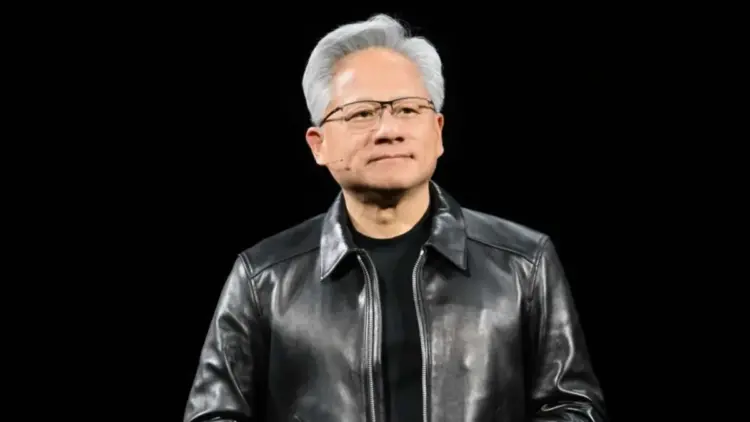
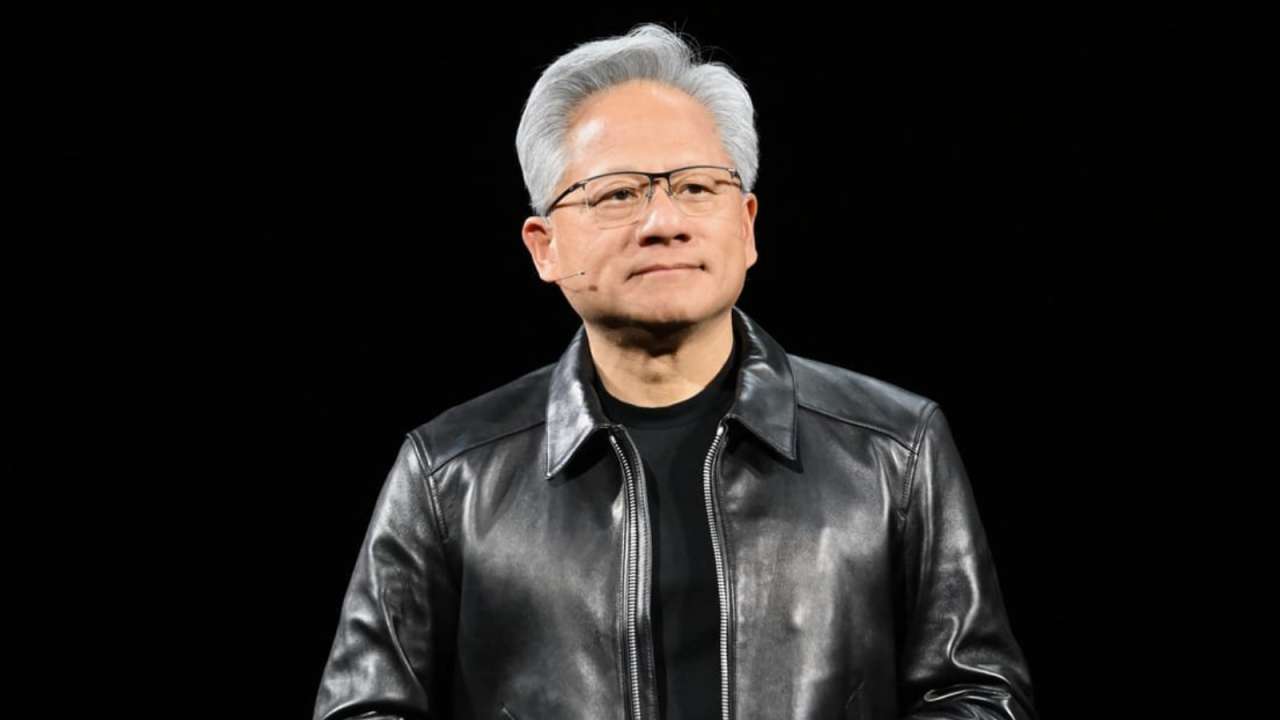
SANTA CLARA, CALIFORNIA – In a dramatic turn of events that has sent ripples through the global technology sector, Jensen Huang, the visionary co-founder of Nvidia, has returned to his post as Chief Executive Officer, barely two weeks after a sudden and unexplained departure. His comeback was marked by a candid company-wide meeting where he offered a profound apology to employees, admitting to breaching the company’s code of conduct and describing the gathering as "the hardest company meeting" he had ever faced. While his return initially sparked a significant rally in Nvidia’s shares, the euphoria proved fleeting, with the stock plummeting by over 7% the following day, underscoring the deep uncertainty surrounding this unprecedented leadership saga.
The episode has thrust Nvidia, a company at the forefront of the artificial intelligence revolution and a titan of chip manufacturing, into an intense spotlight, raising critical questions about corporate governance, the accountability of powerful founders, and the intricate interplay between personal conduct and public perception.
Main Facts: A Whirlwind of Apologies and Market Swings
Jensen Huang, 63, addressed Nvidia employees at the company’s Santa Clara headquarters on Tuesday, November 26, 2026, delivering an emotional apology for the behavior that led to his brief, unannounced absence. According to sources familiar with the meeting, Huang expressed deep regret, acknowledging that his actions had disappointed the workforce and explicitly stating that he had breached Nvidia’s stringent code of conduct. He also revealed a personal commitment to improvement, informing employees that he was attending therapy daily.
His return to the helm on Monday, November 25, had been met with a surge of optimism from investors, propelling Nvidia’s shares up by an astonishing 31% in a single trading session. This immediate rally, indicative of the market’s perceived indispensability of Huang to Nvidia’s continued success, briefly added billions to the company’s valuation. However, the initial relief gave way to apprehension. The subsequent day saw a sharp reversal, with shares falling more than 7%, wiping out a significant portion of the gains and highlighting lingering concerns among investors. The company’s market capitalization, which had soared to record highs in October, has since receded by nearly $2 trillion, signaling a period of profound re-evaluation by the financial markets.
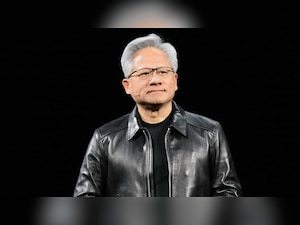
The backdrop to Huang’s departure and return involves complex allegations of relationships with a subordinate and another woman reportedly linked to Chinese intelligence, a factor that injects a geopolitical dimension into what might otherwise be viewed as a purely internal corporate governance matter. His reinstatement, while ultimately a board decision, also involved an intervention by President Donald Trump, adding another layer of political intrigue to the narrative.
Chronology: From Abrupt Departure to Contrite Comeback
The timeline of Jensen Huang’s recent journey has been swift and tumultuous, unfolding over less than a month and captivating the attention of the tech world.

Early November 2026: Reports begin to surface regarding Huang’s unexpected and unexplained departure from his role as Nvidia CEO. Details are initially sparse, leading to widespread speculation and concern among investors and employees alike. The vacuum created by his absence immediately triggers anxieties about the stability of Nvidia’s leadership, especially given its pivotal role in the burgeoning AI industry.
Mid-November 2026: While Huang’s absence continues, further revelations emerge concerning the alleged reasons for his departure. These reports, citing unnamed sources, point to relationships with a subordinate and another woman who was reportedly connected to Chinese intelligence. These allegations immediately escalate the gravity of the situation, transforming it from a potential personal matter into one with significant corporate governance, ethical, and even national security implications. During this period, Chief Financial Officer Colette Kress steps up to oversee the company’s operations, providing a steady hand amidst the uncertainty. Executives reportedly worked to reassure stakeholders that Nvidia could maintain its strong performance even without its iconic founder at the helm, attempting to project an image of resilience and robust operational continuity.

Monday, November 25, 2026: Jensen Huang makes his official return to Nvidia’s headquarters in Santa Clara, California. His arrival is captured in footage circulated by employees, showing staff greeting him with cheers and applause – a clear indication of the deep loyalty and affection he commands within the company. Addressing workers briefly in one of the building’s entrance areas, he makes a concise but potent pledge: "I will do a better job." This public statement, though brief, sets the tone for his re-engagement and signals a commitment to address the issues that led to his departure. Nvidia’s board confirms his reinstatement, citing a thorough review of the evidence and assurances that his return poses no national security concerns. The market reacts with overwhelming enthusiasm, pushing Nvidia’s shares up by an unprecedented 31%.
Tuesday, November 26, 2026: Huang convenes a company-wide meeting, described by sources as "the hardest company meeting" he had ever presided over. During this gathering, he directly addresses the workforce, offering a heartfelt apology for his past behavior and acknowledging that he had disappointed them. Crucially, he admits to having breached Nvidia’s code of conduct. He expresses gratitude to Colette Kress for her stewardship during his absence and shares a personal detail: he is attending therapy every day, emphasizing his commitment to personal growth and accountability. Despite the internal expressions of remorse and commitment, the market reacts with a sharp correction, as Nvidia shares fall by over 7%, indicating that investor confidence remains fragile and that the full implications of this saga are still being digested.

Supporting Data: Nvidia’s Tumultuous Valuation and Market Indispensability
Nvidia’s journey through this period of leadership uncertainty has been a stark illustration of how deeply intertwined a company’s market valuation can be with the perception of its founder and CEO. The immediate 31% surge in shares on Huang’s return on Monday, a staggering leap for a company of Nvidia’s size, reflects the market’s belief in his irreplaceable leadership. Investors clearly view Huang as the architect of Nvidia’s dominance in the highly competitive and strategically vital chip industry, particularly its commanding position in the rapidly expanding artificial intelligence sector. His vision is credited with transforming Nvidia from a graphics card manufacturer into a powerhouse supplying the essential hardware for AI, data centers, and high-performance computing. The initial rally was likely driven by a collective sigh of relief, signaling that the perceived indispensable leader was back to steer the ship.
However, the subsequent 7% drop on Tuesday underscores the fragility of this optimism. This sharp correction suggests a more sober re-evaluation by investors, who may be weighing the long-term implications of the admitted code of conduct breach, the specifics of the allegations, and the potential for ongoing scrutiny. The volatility highlights a tension: while Huang’s return might quell immediate leadership anxieties, the circumstances of his departure and the nature of his apology introduce new uncertainties. Investors might be questioning the stability of corporate governance, the potential for reputational damage, and whether the underlying issues could resurface or distract from Nvidia’s core business objectives.

Furthermore, the context of Nvidia’s market value drop by nearly $2 trillion from its record high in October is crucial. In recent years, Nvidia has experienced meteoric growth, fueled by the insatiable demand for its GPUs in AI applications. Its market capitalization had soared to unprecedented levels, making it one of the most valuable companies globally. This previous peak established a high benchmark, and any significant deviation, particularly one linked to leadership controversy, is magnified. The current market fluctuations suggest that while Huang is undoubtedly a critical asset, the saga has introduced a premium on perceived risk, demanding greater transparency and assurance from the company’s leadership and board.
The allegations of connections to Chinese intelligence, while denied by Huang as the sole driver of his return, also introduce a layer of geopolitical risk for Nvidia. As a key supplier of advanced chips, Nvidia operates at the nexus of technological innovation and national security, especially in the context of U.S.-China tech rivalry. Any perceived vulnerability or compromise could have far-reaching consequences beyond internal corporate governance.

Official Responses: Huang’s Contrition and the Board’s Deliberation
Jensen Huang’s direct engagement with his employees at the Tuesday meeting served as the primary official response from the reinstated CEO. His apology was unequivocal, acknowledging not only that he had "disappointed the workforce" but also that his actions constituted a clear "breach of Nvidia’s code of conduct." This level of admission is rare for a CEO of such stature, particularly one returning from a controversial absence. His description of the gathering as "the hardest company meeting" he had ever faced conveys the personal toll and gravity of the situation, adding a human dimension to the corporate narrative. The revelation that he is "attending therapy every day" further underscores a commitment to personal accountability and change, aiming to rebuild trust through demonstrable effort.
Crucially, Huang also addressed the contentious aspect of his reinstatement being linked to political intervention. While acknowledging that President Donald Trump had "intervened in support of his reinstatement," Huang emphatically denied that his return was solely "driven by his status as a ‘tech bro’ or any belief that he was above the law, nor was it simply the result of pressure from senior government officials." Instead, he asserted that Nvidia’s board made the decision to reinstate him after a thorough review of "the available evidence." He further emphasized that the board had "assessed the facts and received assurances that his reinstatement posed no national security concerns." This statement attempts to frame his return as a legitimate corporate governance decision based on merit and risk assessment, rather than solely a political directive or an assertion of unchecked power.

The Nvidia board’s decision to reinstate Huang, announced on Monday, November 25, represents their official stance. While the specific details of their review process and the "assurances" received remain largely private, their action signals a conclusion that Huang’s return is in the best interest of the company, weighing his leadership against the risks associated with his conduct. The fact that "much of the company’s senior leadership [was] caught off guard" by his return suggests that the board’s deliberations and decision-making process may have been highly contained, or that the final outcome was unexpected even by those closest to the company’s operations. This could indicate a rapid decision-making process or a deliberate effort to control information flow during a sensitive period.
During Huang’s brief absence, Chief Financial Officer Colette Kress played a significant role in overseeing the company, and Huang publicly expressed his gratitude to her at the Tuesday meeting. This acknowledgment reinforces the idea of a structured, if temporary, transition of leadership responsibilities, despite the underlying turmoil.

Implications: Corporate Governance, Trust, and Nvidia’s Future
The dramatic return of Jensen Huang carries profound implications for Nvidia’s corporate governance, its internal culture, external market perception, and potentially the broader tech industry.
Corporate Governance Under Scrutiny: The circumstances surrounding Huang’s departure and return place Nvidia’s board of directors under intense scrutiny. While they ultimately decided to reinstate him after a review, the lack of immediate transparency regarding the specific code of conduct breach and the nature of the "allegations of relationships with a subordinate and another woman allegedly linked to Chinese intelligence" could raise questions about the board’s commitment to full disclosure and shareholder protection. The board’s assertion of having received "assurances that his reinstatement posed no national security concerns" is critical, especially given Nvidia’s strategic importance. However, without more detailed information, questions about the thoroughness and independence of this review may persist. The fact that "much of the company’s senior leadership [was] caught off guard" by Huang’s return also suggests potential communication breakdowns or a highly centralized decision-making process, which can be detrimental to internal cohesion and trust. This episode challenges the balance between an indispensable founder’s vision and robust, transparent corporate oversight.

Rebuilding Employee Trust and Culture: Huang’s apology and admission of guilt to his employees are crucial first steps in rebuilding internal trust. His acknowledgment of disappointment, breach of code, and commitment to therapy signal a personal acceptance of responsibility. However, the impact on Nvidia’s corporate culture could be complex. While many employees evidently cheered his return, some may harbor concerns about the implications of his actions for workplace ethics, particularly regarding relationships with subordinates. Reassuring employees that the company’s values are upheld, even by its most senior leaders, will be an ongoing challenge. The emphasis on therapy could normalize mental health support, but also highlights the intense pressure and potential personal costs of leadership at this level.
Market Perception and Shareholder Confidence: The volatile market reaction – an initial surge followed by a sharp decline – illustrates the dilemma facing investors. On one hand, Huang is seen as irreplaceable, his leadership vital for Nvidia’s continued innovation and market dominance, particularly in AI. On the other hand, the controversy introduces an element of risk and unpredictability. Shareholders will be looking for sustained stability, clear communication from the board, and tangible evidence that the underlying issues have been definitively addressed and will not resurface. The $2 trillion market value drop from October’s peak underscores that even for a company as successful as Nvidia, leadership crises can significantly impact investor confidence and valuation. The "political shadows" cast by President Trump’s intervention could also complicate investor sentiment, as it blurs the lines between corporate autonomy and external influence.

Nvidia’s Strategic Position and Geopolitical Risks: The allegations of links to Chinese intelligence add a serious geopolitical dimension to the crisis. Nvidia operates at the heart of the U.S.-China technology rivalry, supplying critical chips that power advanced AI systems globally. Any perceived security vulnerability or compromise related to its leadership could have significant national security implications and invite further scrutiny from government agencies. Huang’s denial that his return was solely due to government pressure attempts to mitigate this, but the fact that the issue was raised at all highlights the delicate geopolitical tightrope Nvidia walks. Moving forward, the company will likely face enhanced demands for transparency and assurances regarding its security protocols and leadership integrity, particularly from U.S. policymakers.
The "Founder Worship" Phenomenon: This saga also sheds light on the broader trend in the tech industry of "founder worship," where the vision and personality of a founder become inextricably linked to the company’s identity and success. While this can foster innovation and drive, it can also create blind spots in governance and accountability. Huang’s return, despite the serious allegations and admitted code of conduct breach, may be interpreted by some as a reinforcement of the idea that certain founders are deemed too valuable to be held to the same standards as other executives. This could set a challenging precedent for corporate ethics and accountability across the tech landscape.

Conclusion: A Precedent-Setting Return in a High-Stakes Era
Jensen Huang’s return to Nvidia is more than just a leadership change; it is a complex narrative weaving together personal conduct, corporate governance, market dynamics, and geopolitical intrigue. His public apology and commitment to personal improvement mark a critical step in attempting to mend fractured trust, both internally and externally. However, the initial market euphoria quickly giving way to apprehension signals that the implications of this dramatic episode are far from fully resolved.
Nvidia, under Huang’s renewed leadership, faces the daunting task of navigating these turbulent waters while maintaining its preeminent position in the AI race. The board’s decision, the nature of the allegations, and the political undertones will continue to be dissected, setting potential precedents for how powerful founders are held accountable in an era where technological leadership increasingly intersects with national security and global competition. The long-term impact on Nvidia’s corporate culture, its standing in the market, and the broader expectations for executive conduct in the tech industry remain to be seen, making this one of the most compelling and closely watched corporate sagas of the decade.