Sooraj Barjatya’s Latest Offering Attempts a Modern Reimagining of Family Values, But Ultimately Succumbs to a Bloated Narrative and Uneven Execution.
Mumbai, India – In the landscape of Hindi cinema, the name Sooraj Barjatya is synonymous with grand family dramas, infused with a potent blend of tradition, emotion, and unwavering moral compass. For decades, his films, including iconic titles like "Maine Pyar Kiya," "Hum Aapke Hain Koun..!," and "Vivah," have resonated deeply with audiences, establishing a benchmark for wholesome, family-friendly entertainment. However, his latest directorial venture, "Yeh Prem Mol Liya," marks a significant departure, attempting to inject contemporary sensibilities into his signature style. While the film boasts a novel concept and a commendable ensemble cast, it ultimately struggles to connect, weighed down by an overlong narrative, inconsistent writing, and a dramatic arc that frequently veers into the unrealistic. This ambitious reboot, unfortunately, falls short of expectations, becoming one of Barjatya’s weaker offerings, surpassed only in its perceived shortcomings by "Main Prem Ki Diwani Hoon."
The Premise: A Modern Twist on Traditional Roles
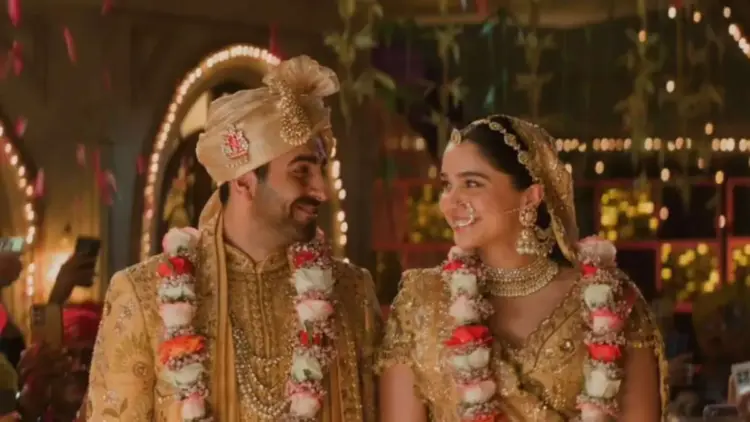
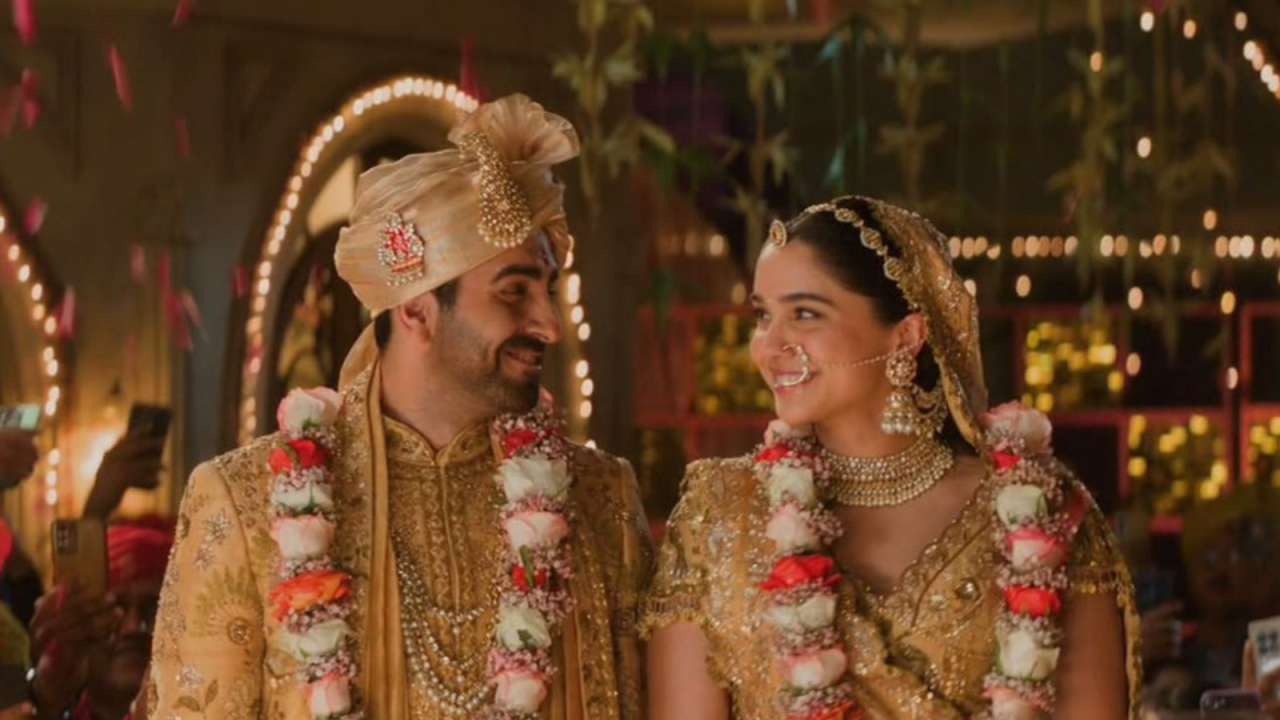
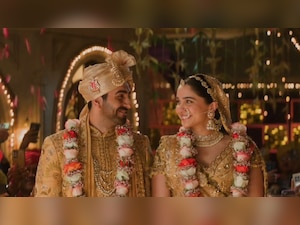
"Yeh Prem Mol Liya" introduces us to Prem Mishra (Ayushmann Khurrana), a struggling musician who finds himself instantly smitten with the spirited Purva Solanki (Sharvari). Their burgeoning romance faces an immediate hurdle: Purva, as the sole breadwinner of an all-women household, is hesitant about lifelong commitment. In a bold departure from convention, Prem proposes a radical solution – he will move into Purva’s home with his family after their marriage. This unconventional setup forms the crux of the narrative, exploring the intricate dynamics and challenges that arise when two families, with their ingrained traditions and expectations, attempt to forge a new, blended unit within a pre-existing familial structure. The film aims to question societal norms and explore evolving perspectives on relationships and togetherness, setting the stage for a potentially thought-provoking exploration of modern Indian family life.
The Barjatya Legacy: A High Bar Set for Expectations
The release of any Sooraj Barjatya film is typically met with a sense of anticipation, a promise of a cinematic experience that is both heartwarming and universally appealing. His films have cultivated a unique brand of storytelling, characterized by its groundedness, its emphasis on cultural values, and its ability to tug at the heartstrings. The consistent success and enduring popularity of his previous works have created a powerful goodwill among viewers, who have come to expect a certain level of emotional depth and narrative cohesion. This established legacy, therefore, amplifies the disappointment when a film fails to meet these elevated standards. "Yeh Prem Mol Liya," despite its commendable intentions to evolve with the times, finds itself in the unenviable position of being compared to the filmmaker’s most beloved creations, a comparison that, in this instance, highlights its significant narrative and tonal shortcomings.
What Shines Through: A Stellar Ensemble Cast
Despite the film’s overarching narrative issues, "Yeh Prem Mol Liya" is not without its merits, the most significant of which is its exceptionally talented ensemble cast. These actors, through their sheer dedication and skill, manage to salvage moments that would otherwise have been lost in the film’s sprawling runtime.
Ayushmann Khurrana as Prem Mishra: Stepping into the shoes of a quintessential Barjatya "Prem," Ayushmann Khurrana delivers a performance that largely lives up to expectations. He navigates the character’s journey with a commendable grasp of emotion, particularly in scenes of confrontation and heartfelt expression. Khurrana effectively portrays the innocence, simplicity, and deep affection that define his character. While there are moments in the latter half where his expressions lean towards the theatrical, his overall contribution is a strong anchor for the film.

Sharvari as Purva Solanki: As the new "Rajshri girl," Sharvari makes a significant impression. She handles the dramatic demands of her role with grace and conviction, holding her own even when sharing screen space with seasoned veterans. Her ability to convey a range of emotions, from vulnerability to strength, is noteworthy and adds a much-needed layer of depth to the proceedings.
Anupam Kher’s Enduring Presence: A perennial favorite in Barjatya’s films, Anupam Kher once again proves his mettle. He delivers a powerful performance, providing a crucial emotional anchor for both Prem and the narrative itself. His scenes are impactful and contribute significantly to the film’s few emotionally resonant moments.

Geeta Agrawal Sharma: A Scene-Stealer: Geeta Agrawal Sharma emerges as a true standout, delivering a performance that is both heartwarming and deeply affecting. Her ability to evoke laughter and tears with equal measure makes her a joy to watch and a vital contributor to the film’s emotional tapestry.
The Supporting Pillars: Seema Pahwa and Supriya Pathak, stalwarts of Indian cinema, deliver reliable performances, embodying their characters with the expected gravitas. Swanand Kirkire, however, presents a more mixed bag. While he delivers his lines effectively, his character’s consistent disapproval and negativity become increasingly grating as the film progresses, bordering on unbearable by the interval.

Himesh Reshammiya’s Melodious Contribution: On the musical front, Himesh Reshammiya’s soundtrack deserves commendation. The songs are well-integrated with the narrative and possess a sensitivity that appeals to a contemporary audience. Tracks like the title song, "Jhumka Patola," and "Bulaye Chhathi Maa" are particularly memorable and linger long after the credits roll, offering a welcome respite from the dramatic doldrums.
The Cracks in the Foundation: Narrative Woes and Execution Issues
Despite the commendable efforts of the cast and the musical score, "Yeh Prem Mol Liya" falters significantly in its execution, primarily due to fundamental issues with its narrative structure and pacing.

The Trailer’s Double-Edged Sword: Perhaps the most glaring misstep is the film’s trailer. In a move that significantly undermines the viewing experience, the trailer divulges nearly every significant plot point, including the central conflict and its eventual resolution. This preemptive revelation strips the film of any element of surprise, rendering the viewing a predictable and somewhat tedious affair. When the core premise, the challenges, and the solutions are laid bare in the trailer, the audience is left with little incentive to invest in the unfolding drama.
An Eviscerated Emotional Core: In stark contrast to the emotional resonance of Barjatya’s earlier works, "Yeh Prem Mol Liya" suffers from a profound lack of emotional impact. The film fails to evoke genuine tears or profound empathy, even during moments that are clearly intended to be emotionally charged. The small, intimate moments that are meant to build connection and foster emotional investment often fall flat, leaving the audience feeling detached rather than moved. This absence of a strong emotional core is a critical flaw for a film that hinges on familial bonds and relationships.

A Muddled Direction: Sooraj Barjatya’s direction, usually a source of strength, appears lost and confused in "Yeh Prem Mol Liya." The filmmaker’s evident desire to appeal to a younger, modern audience while retaining his signature style results in a muddled and inconsistent tone. As the film progresses, particularly in the second half, the narrative veers into territory that feels increasingly unrealistic, bordering on fantastical. The ambition to reinvent his cinematic language seems to have led him astray, suggesting that perhaps staying true to his established strengths might have been a more effective approach.
The Drag of Overlong Pacing: The film’s runtime of a staggering 173 minutes (2 hours and 53 minutes) is a significant contributor to its tediousness. The narrative is stretched thin, with scenes that could have been efficiently condensed. The slow pacing often leads to moments of boredom, making the already predictable plot feel even more arduous. The editing, too, appears to be a contributing factor to this sluggishness, failing to inject the necessary momentum into the storytelling.

Swanand Kirkire’s Unbearable Character: As mentioned earlier, Swanand Kirkire’s performance, while technically sound, becomes a significant detractor. His character’s constant negativity and disapproval of the central couple, though perhaps intended to represent traditional resistance, quickly devolves into an irritating presence. By the end of the first half, his character’s disposition becomes a mood killer, detracting from any potential for emotional connection or familial warmth.
The Broader Implications: A Missed Opportunity
"Yeh Prem Mol Liya" ultimately represents a significant disappointment. While the film possesses a potentially strong and relevant story, its execution is severely hampered by an immature approach to storytelling and a lack of focus. The film’s attempt to blend traditional values with contemporary themes, though laudable in intent, feels forced and ultimately unsuccessful.

The movie might experience a moderate opening due to the inherent curiosity surrounding a Barjatya film and the star power of Ayushmann Khurrana. However, its inability to connect with its target audience on an emotional level and its predictable narrative trajectory will likely prevent it from sustaining any significant box office run. The film’s clashing release with "Gunmaaster G9" also poses a challenge, with the latter expected to gain more traction over the weekend due to its potentially more engaging content.
In conclusion, "Yeh Prem Mol Liya" stands as a testament to the challenges of artistic evolution. While Sooraj Barjatya’s desire to innovate and adapt is commendable, this particular endeavor falls short, offering a cautionary tale about the perils of over-ambition when divorced from cohesive execution. The film serves as a stark reminder that while concepts may be novel, the art of storytelling – its pacing, emotional resonance, and unwavering clarity – remains paramount.