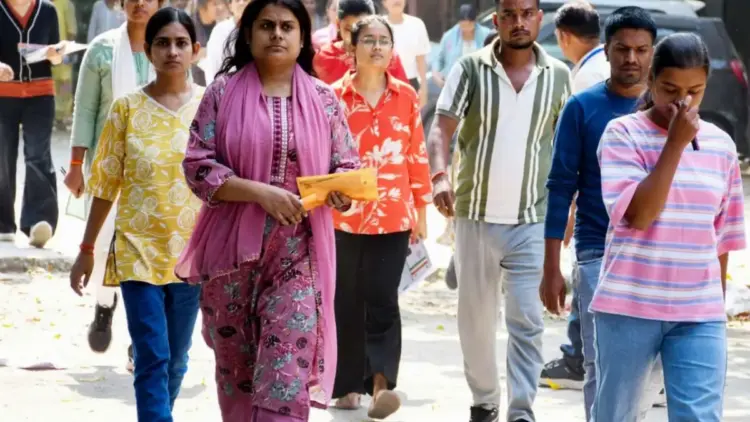
Allahabad, Uttar Pradesh – In a significant ruling that promises to reshape the recruitment landscape for the Uttar Pradesh Civil Services Examination (UPPCS) 2025, the Allahabad High Court has mandated a fresh selection process. The order, delivered by Justice Manish Kumar Nigam, is a resounding victory for reserved category candidates who had vociferously challenged the Uttar Pradesh Public Service Commission’s (UPPSC) initial selection methodology. At the heart of the controversy was the alleged denial of opportunities to deserving candidates from reserved communities, who, despite achieving higher marks than their unreserved counterparts, were purportedly overlooked for selection in the open category.
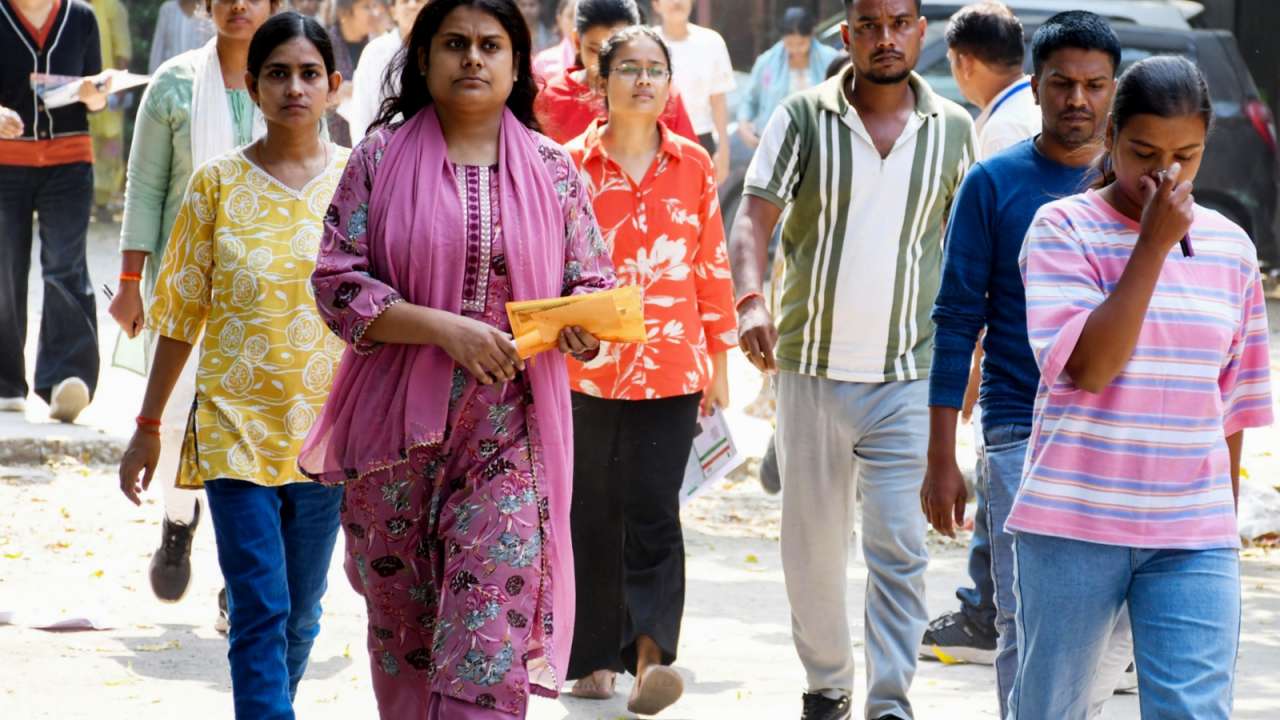
The court’s directive mandates the UPPSC to re-evaluate and re-declare the results of the UPPCS-2025 Preliminary Examination. Crucially, candidates will not be required to re-sit for the preliminary examination. Instead, the commission is tasked with preparing a revised merit list that meticulously adheres to both reservation policies and the principle of merit, ensuring that candidates from reserved categories are appropriately placed based on their performance. This landmark decision underscores the court’s commitment to ensuring fairness, equity, and adherence to constitutional mandates within public service recruitment.
The Core Grievance: Merit Overlooked in Favor of Category?
The genesis of this legal battle lies in the claims of reserved category candidates who felt systematically disadvantaged by the UPPSC’s initial selection process. They argued that the commission had failed to implement the "rule of merit" effectively, particularly concerning the open category. The open category, by its very definition, should be accessible to all candidates based on their merit, irrespective of their social or economic background. However, the petitioners alleged that the UPPSC’s interpretation and application of reservation rules had inadvertently or deliberately excluded them from this merit-based pool, even when their scores surpassed those of candidates who secured positions in the unreserved category.

This grievance is particularly potent as it strikes at the foundational principles of competitive examinations designed to select the most capable individuals for public service. When candidates with demonstrably superior academic performance are sidelined in favor of those with lower scores, solely due to their category, it erodes public trust in the integrity of the selection process. The Allahabad High Court’s intervention aims to rectify this perceived injustice and reaffirm the supremacy of merit, while simultaneously ensuring that the benefits of affirmative action are extended equitably.

A Chronology of Legal Recourse and Judicial Intervention
The journey from the UPPSC’s initial selection notification to the Allahabad High Court’s decisive order is a testament to the perseverance of the affected candidates and the judiciary’s role in upholding constitutional rights.

- Initial UPPSC-2025 Notification and Examination: The Uttar Pradesh Public Service Commission announced the recruitment for 814 posts through the UPPCS-2025 examination. This prestigious examination saw a massive turnout, with 6,26,387 candidates applying and 2,65,270 appearing for the Preliminary Examination.
- Preliminary Examination and Initial Result Declaration: Following the conduct of the Preliminary Examination, the UPPSC declared the results, identifying 11,727 candidates as successful for the Mains Examination.
- Mains Examination and Interview Shortlisting: Subsequently, the Mains Examination was conducted, with 10,284 candidates participating. Of these, 2,297 candidates were shortlisted for the interview stage.
- Filing of Petitions by Reserved Category Candidates: At various stages of this process, candidates belonging to reserved categories began to voice their concerns. Alleging discrepancies in the application of reservation and merit principles, they approached the Allahabad High Court with petitions challenging the UPPSC’s selection methodology. Their primary contention was that they were not being considered for the open category on the basis of their higher marks, effectively being denied opportunities that their merit warranted.
- Court’s Scrutiny and Directive for Re-evaluation: The High Court, after hearing the arguments presented by both the petitioners and the UPPSC, recognized the validity of the concerns raised. Justice Manish Kumar Nigam, presiding over the case, issued a comprehensive order directing the UPPSC to undertake a fresh selection process. This included a mandate to prepare a revised merit list, ensuring that candidates from reserved categories who scored higher than the last selected candidate in the unreserved category are appropriately included.
- Order for Fresh Mains Examination and Interviews: The court further stipulated that the Mains Examination and subsequent interview process would need to be conducted afresh based on the revised preliminary results. This ensures that the entire selection cascade is aligned with the court’s directive on merit and reservation.
This chronological progression highlights a systematic challenge to the UPPSC’s initial process and the subsequent judicial intervention to correct any perceived flaws, reinforcing the principles of fairness and equal opportunity.

Data and Statistics: The Numbers Behind the Controversy
To understand the scale and impact of the UPPCS-2025 recruitment and the court’s decision, examining the available data is crucial. The examination aimed to fill a significant number of vacancies, attracting a vast pool of aspirants.

- Total Vacancies: 814 posts
- Preliminary Examination Applicants: 6,26,387
- Preliminary Examination Appeared Candidates: 2,65,270
- Candidates Qualified for Mains (Initial): 11,727
- Mains Examination Appeared Candidates: 10,284
- Candidates Qualified for Interview (Initial): 2,297
The court’s order implies that these numbers, particularly those related to Mains and interview qualifications, are subject to change. The revised preliminary results, based on a more equitable application of merit and reservation, will directly influence who qualifies for the subsequent stages. The specific number of reserved category candidates who were allegedly overlooked for the open category, and how many might now be accommodated, will become clearer once the UPPSC implements the court’s directive.

The counsel for the candidates, Abhishek Shukla, emphasized that the Preliminary Examination itself would not be repeated. This means the revised results will be derived from the marks already secured by the candidates in the initial preliminary test. This aspect of the order is significant, as it avoids the logistical and financial burden of conducting another preliminary examination and provides a faster path to rectifying the situation.

Official Responses and Implications for Future Recruitment
While the UPPSC has not issued a detailed public statement beyond acknowledging the court’s order, its actions will be closely scrutinized. The commission is now under a legal obligation to implement the High Court’s directive with diligence and transparency. The implications of this ruling extend far beyond the UPPCS-2025 cycle, potentially setting a precedent for how reservation and merit are to be balanced in future public service examinations in Uttar Pradesh.

Key Implications:

- Reinforcement of Merit-Cum-Reservation Principle: The court’s decision strongly reiterates the principle that reservation policies are meant to supplement, not supplant, merit. Reserved category candidates who demonstrate merit should be recognized and rewarded accordingly, including their rightful place in the open category if their scores permit.
- Increased Scrutiny of UPPSC Processes: This ruling is likely to lead to heightened vigilance and scrutiny of the UPPSC’s selection procedures by candidates, legal experts, and civil society. The commission may need to revisit and refine its internal mechanisms for applying reservation rules to ensure absolute fairness.
- Potential for Reordering of Merit Lists: The most immediate impact will be the reordering of merit lists for the UPPCS-2025 examination. This could lead to the inclusion of new candidates in the Mains examination and interviews, and potentially the exclusion of some who were initially shortlisted.
- Emphasis on Transparency: The court’s demand for details on category-wise marks obtained by candidates suggests an emphasis on greater transparency in the UPPSC’s data management and result declaration processes.
- Empowerment of Reserved Category Aspirants: This judicial victory serves as a powerful message to aspirants from reserved categories, validating their rights and encouraging them to pursue legal recourse if they believe their opportunities are being unfairly curtailed.
The UPPCS-2025 recruitment saga, now significantly altered by the Allahabad High Court’s intervention, underscores the critical role of the judiciary in safeguarding the principles of fairness, equity, and meritocracy in public employment. As the UPPSC embarks on the revised selection process, the nation will be watching to see how effectively it upholds these fundamental tenets.