

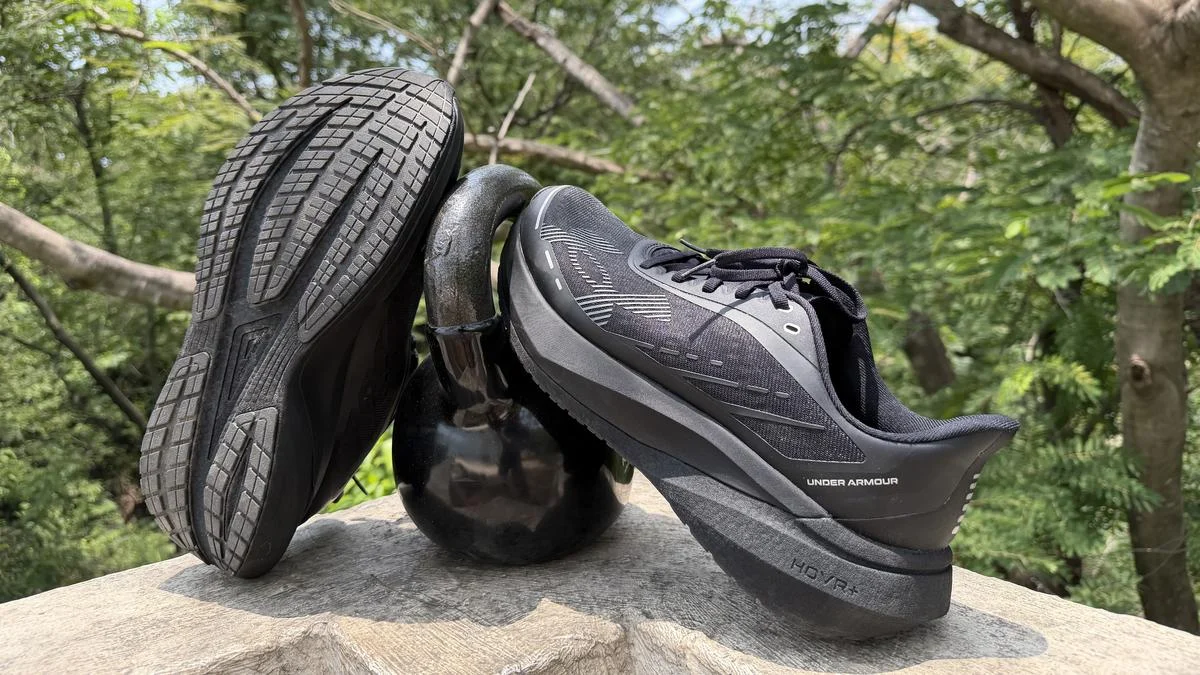
Under Armour continues its pursuit of a dominant presence in the competitive running shoe market with the introduction of the Velociti Distance. This latest offering aims to cater to serious runners tackling high-mileage training and long-distance events. While the shoe boasts impressive technical capabilities and a comfortable ride, its defining characteristic is a polarizing stability system that promises to either elevate the running experience or create a significant point of contention for its wearers.
The athletic footwear landscape is a fiercely contested arena, with established giants often dominating the conversation. Under Armour, despite its technical prowess and occasional standout products, has consistently positioned itself as the challenger brand. The Velociti Distance represents a deliberate and ambitious stride to carve out a more significant niche, particularly for those runners who log considerable weekly mileage and demand a shoe that can endure the rigors of extended efforts. This shoe, in many ways, embodies a philosophy of confident engineering, making choices that are both commendable and potentially divisive, ultimately shaping the narrative of its performance.
H2: First Impressions: A Foundation of Cushioning and Security
Upon first handling the Under Armour Velociti Distance, an immediate impression is its substantial build. Weighing in at 298 grams, it doesn’t position itself as a minimalist featherweight but rather as a robust companion for endurance. This deliberate weight is intrinsically linked to its core purpose: absorbing the relentless impact of high mileage. The shoe features a generous stack height of 38mm, cradling the foot with Under Armour’s proprietary Hovr+ foam. This supercritical TPU material, also found in their elite racing shoes, is engineered to provide a harmonious blend of softness and responsiveness, a crucial combination for long runs where fatigue can set in.
The upper of the Velociti Distance is a testament to thoughtful design. A breathable woven mesh is expertly integrated into the forefoot, ensuring ample airflow, a critical feature for maintaining comfort as body heat rises during extended efforts. The tongue is gusseted, ensuring it remains precisely in place without any unwanted shifting. The heel collar is generously padded and anatomically structured, providing a secure and supportive embrace. This thoughtful construction culminates in a confident lockdown that effectively secures the foot without feeling overly restrictive or constricting.
In contrast to some competitors that prioritize a more relaxed, accommodating fit, the Velociti Distance leans heavily into a secure, locked-down sensation. This is precisely the kind of embrace many runners seek on their longest outings, offering a sense of stability and control when the miles begin to accumulate. While the overall quality of the upper is commendable, a minor detractor is the feel of the laces, which, when compared to the premium materials used elsewhere in the shoe, appear to be of a noticeably lower grade. This is a small detail, but in a shoe that aims for a high-end experience, it’s a point that could be refined.
H2: On the Run: A Versatile Ride with Enduring Durability
The true performance of the Velociti Distance unfolds once it hits the pavement. The Hovr+ foam lives up to its promise, delivering a ride that is both luxuriously soft and surprisingly firm. The impact absorption is exceptional, providing a welcome buffer against the repetitive stress of long-distance running. Crucially, this cushioning doesn’t come at the cost of energy return. The foam effectively rebounds, maintaining a lively turnover and preventing the sensation of sluggishness that can plague overly soft shoes.
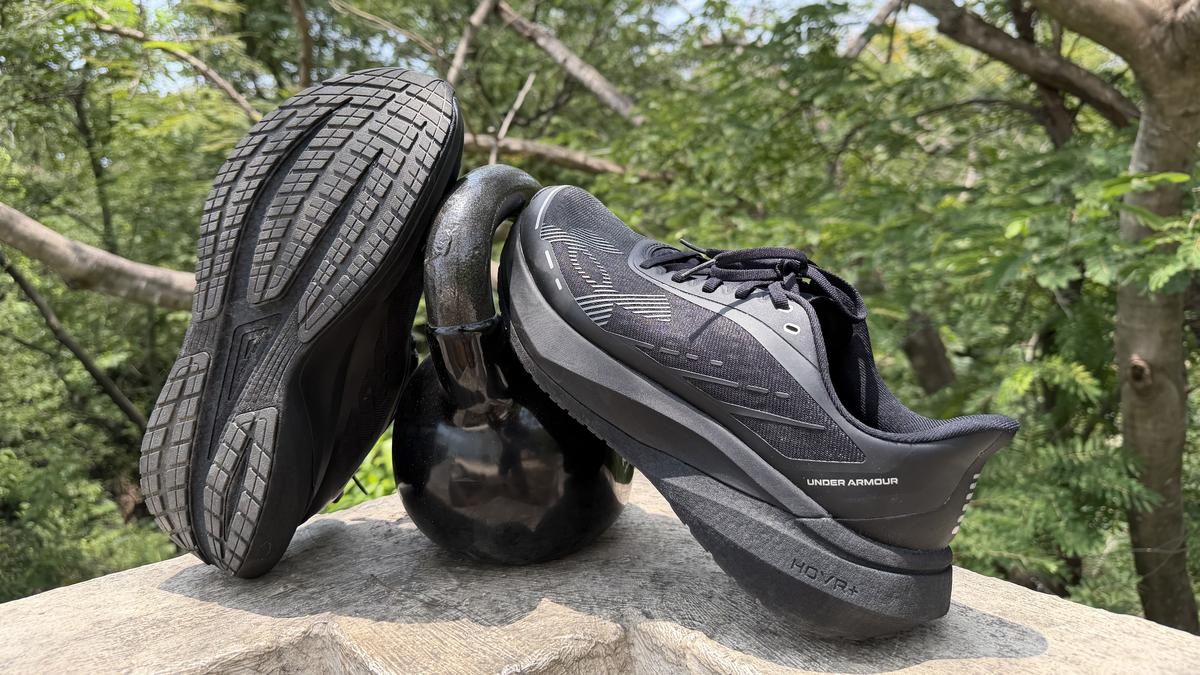
What elevates the Velociti Distance beyond the realm of a typical maximalist cushioning shoe is its surprising versatility. While marketed primarily as a long-run trainer, it demonstrates an impressive ability to adapt to different paces and intensities. It performs admirably during tempo efforts and steady-state runs, suggesting that it can serve as a true daily trainer rather than being relegated to a single purpose. This adaptability means runners could potentially integrate the Velociti Distance into their weekly training rotation more broadly, rather than reserving it solely for their signature Sunday long run.
The outsole is another area where Under Armour has been generous. Extensive rubber coverage provides a robust platform that inspires confidence across varied terrains. Whether navigating the uneven surfaces of gravel paths or the consistent texture of pavement, the shoe grips with equal assurance. This comprehensive rubber application, while contributing to the overall weight, directly translates into enhanced durability. For runners who have experienced outsoles that wear out prematurely, leaving the midsole exposed and compromising traction, the longevity offered by the Velociti Distance’s outsole is a significant selling point. It suggests a shoe built to withstand serious mileage, offering a long-term investment in performance.
H2: The Polarizing Core: Stability Rails and Gait Guidance
The aspect of the Velociti Distance that is most likely to elicit strong opinions and define the wearer’s experience is its integrated stability system. Under Armour has incorporated firm TPU inserts along both the lateral and medial sides of the midsole. The stated intention behind these "stability rails" is to guide the foot through its natural gait cycle, thereby mitigating excessive motion within the plush Hovr+ foam. In theory, this is an elegant engineering solution designed to enhance stability without resorting to traditional, often rigid, support structures.
However, the practical application of these rails can be more assertive than the term "guide" might imply. For runners whose natural foot mechanics align seamlessly with the intended motion prescribed by the rails, the experience is one of controlled support and a smooth, guided stride. The shoe effectively assists in maintaining an efficient gait.
Conversely, for those whose natural running form deviates from the rails’ prescriptive path, the experience can be jarring. The inserts may force a supinated landing, leading to an unnatural and uncomfortable sensation. This is not a subtle correction; the shoe possesses a distinct vision for how the foot should move. If this vision clashes with an individual’s biomechanics, runs that should ideally feel effortless can transform into a source of discomfort, detracting from the intended release and enjoyment of running. This inherent tension between the shoe’s design and the runner’s natural gait is where the Velociti Distance either earns unwavering loyalty or becomes a source of frustration.
H2: Chronology of Development and Market Positioning
Under Armour’s journey in the running shoe market has been characterized by a persistent drive to innovate and compete. The brand has consistently invested in research and development, leveraging advanced materials and technologies to create footwear that can stand toe-to-toe with established leaders. The Velociti Distance can be seen as a culmination of this effort, building upon previous iterations and learnings to address a specific segment of the running community.

The development process likely involved extensive biomechanical analysis and material testing. The choice to employ Hovr+ foam, a material also utilized in their high-performance racing shoes, signals a commitment to integrating cutting-edge cushioning technology across their product lines. The decision to implement stability rails, rather than a more traditional medial post, suggests a forward-thinking approach to stability, aiming for a more dynamic and integrated solution. This choice reflects a trend in the industry towards more subtle and adaptive stability features, though the execution in the Velociti Distance appears to be on the more assertive end of this spectrum.
The market positioning of the Velociti Distance places it in direct competition with a range of highly regarded daily trainers from brands with longer-established running pedigrees. Many of these competitors offer a more naturally neutral ride, often without the potentially polarizing influence of such pronounced stability interventions. This means that for the Velociti Distance to succeed, it must not only offer compelling performance but also clearly communicate its unique value proposition and the specific runner profile it is best suited for.
H2: Supporting Data and Technological Insights
The core technology driving the Velociti Distance is the Hovr+ foam. This supercritical TPU (thermoplastic polyurethane) material is engineered to offer a superior balance of energy return and impact absorption. Supercritical foaming processes involve using a gas under high pressure to create a foam with a finer cell structure, leading to lighter weight, enhanced cushioning, and greater responsiveness compared to traditional EVA foams. The 38mm stack height is indicative of a maximalist design, providing ample cushioning for long distances.
The stability rails, constructed from firm TPU, are strategically placed to influence the foot’s roll. TPU is chosen for its durability and rigidity, providing a stable element within the softer foam. The specific placement and shape of these rails are crucial to their function. While the article doesn’t detail the exact geometry, their integration aims to create a controlled transition from heel strike to toe-off, potentially benefiting runners who exhibit mild overpronation or whose biomechanics naturally complement the rails’ guiding effect.
The outsole’s generous rubber coverage is a practical design choice focused on durability and traction. High-abrasion rubber compounds are typically used in these areas to withstand the wear and tear of extensive running. The emphasis on grip across varied surfaces suggests a compound formulation that offers good traction on both dry and slightly wet conditions, without compromising on wear resistance.
H2: Official Responses and Brand Philosophy
While direct quotes from Under Armour representatives regarding the Velociti Distance are not provided in the original text, the shoe’s design philosophy can be inferred. Under Armour’s consistent effort to challenge established brands suggests a willingness to take calculated risks and innovate. The brand’s technical capabilities are evident in the advanced materials and construction methods employed in the Velociti Distance.

The inclusion of prominent stability rails indicates a belief that providing a guided and controlled ride is a valuable feature for a significant segment of runners. This approach may stem from a belief that a more controlled gait can lead to greater efficiency and reduced injury risk for certain individuals. The brand’s focus on creating a shoe that "does a lot of things well" and can be used across different training intensities also points to a desire to offer versatile footwear that maximizes value for the consumer.
However, the inherent risk in such a distinct stability system is that it might alienate runners who prefer a more neutral and uninhibited feel. The "strong opinions about your foot" metaphor used in the article perfectly encapsulates this potential divergence between the shoe’s design intent and the runner’s individual biomechanics. For Under Armour to succeed with such a product, clear communication about its target audience and the specific benefits of its stability system will be paramount.
H2: Implications for Runners and the Market
The Under Armour Velociti Distance presents a compelling option for a specific demographic of runners. Its robust cushioning, durable construction, and versatile performance make it a strong contender for high-mileage training. The potential for it to serve as a reliable daily trainer, capable of handling various paces, adds to its appeal.
For Runners:
- Potential Benefit: Runners who have a biomechanically neutral gait or a mild pronation that aligns with the shoe’s stability rails could find the Velociti Distance to be a highly supportive and rewarding training partner. The enhanced cushioning and controlled ride could lead to reduced fatigue and improved comfort on long runs. The durability of the outsole also suggests a shoe that will last through many miles.
- Potential Drawback: Runners with a distinctly different foot strike or gait pattern may find the stability rails to be intrusive and uncomfortable. The forced supination could lead to an unnatural feel and potential discomfort, negating the benefits of the otherwise impressive cushioning.
For the Market:
- Innovation in Stability: The Velociti Distance highlights a continuing trend towards integrated and dynamic stability solutions in running shoes. While some brands opt for more subtle approaches, Under Armour’s bold implementation suggests a belief in the efficacy of more pronounced guidance.
- Challenger Brand Strategy: This product exemplifies Under Armour’s strategy of entering established market segments with technically advanced and differentiated offerings. By making bold design choices, they aim to capture attention and appeal to runners seeking alternatives to the status quo.
- Importance of Fit and Biomechanics: The polarized reception of the Velociti Distance underscores the critical importance of individual fit and biomechanics in running shoe selection. It serves as a reminder that even technically brilliant shoes are not universally suited for all runners, and that personal testing and understanding of one’s own gait are essential.
In conclusion, the Under Armour Velociti Distance is a shoe that commands attention. It is a technically impressive piece of footwear that excels in cushioning and durability, offering a versatile ride for high-mileage runners. However, its defining feature—the assertive stability system—introduces an element of calculated risk. Whether this bold engineering choice becomes a celebrated innovation or a divisive characteristic will ultimately be determined by the individual runner and the unique rhythm of their stride.
