

New Delhi, India – May 09, 2026 – The literary landscape of 2026 has been profoundly shaped by a collective consciousness wrestling with pervasive grief, unsettling global instability, and the often-uncomfortable truths that define our contemporary existence. This year’s Pulitzer Prize winners, announced earlier this week, offer a potent testament to this zeitgeist, showcasing a daring amalgamation of experimental narrative forms and deeply human storytelling that resonates with an almost visceral immediacy. These are not books designed for mere escapism; they are literary investigations that dissect the fraying edges of societal structures, the seismic shifts in personal and collective identities, and the persistent human quest for meaning amidst profound uncertainty.
The prestigious awards, a benchmark for literary excellence, have this year illuminated a constellation of works that refuse to shy away from the complexities of the human condition. From the harrowing realities of war to the quiet devastation of personal loss, and from the intricate tapestry of American democracy to the urgent conversations surrounding gender and identity, the 2026 Pulitzer laureates have collectively presented a powerful, and at times disquieting, reflection of our times. In an era where the narratives of perfection often feel hollow, these chosen works champion honesty, vulnerability, and the unflinching examination of both societal ills and individual resilience.
The Singular Sentence That Captivated the Literary World: "Angel Down" and the Art of Extreme Conciseness
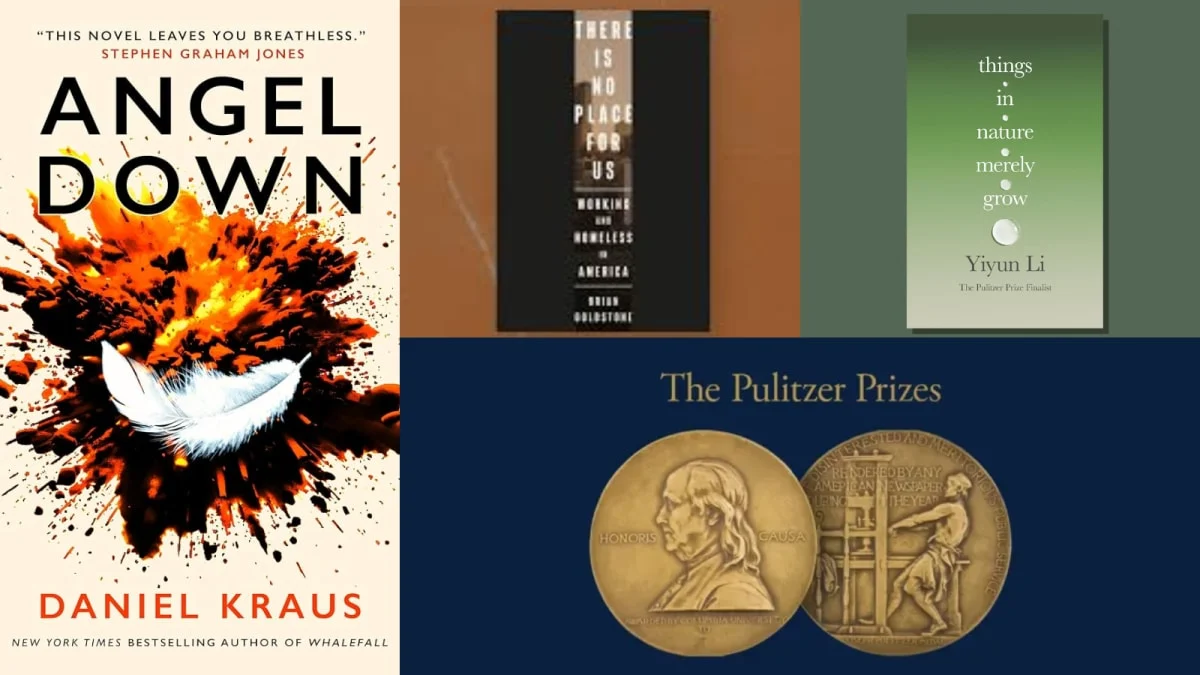
The undisputed center of gravity in this year’s fiction awards is Daniel Kraus’s "Angel Down," a novel that has not only clinched the Pulitzer Prize for Fiction but has also ignited a fervent literary debate. Set against the brutal backdrop of World War I, "Angel Down" achieves a feat of narrative compression and emotional intensity by unfolding its entire epic across a single, unbroken sentence. This audacious structural choice, blending elements of horror, magical realism, and the stark imagery of warfare, crafts an immersive and deeply unsettling reading experience.
The Pulitzer board lauded the work as a "stylistic tour-de-force," recognizing its innovative approach to storytelling. However, the reception beyond the hallowed halls of the Pulitzer committee has been a fascinating study in audience engagement. Online forums and literary discussions reveal a dual fascination and trepidation surrounding the novel’s unique format. On platforms like Reddit, initial reactions often bordered on skepticism, with some readers confessing to dismissing the "one-sentence" concept as a mere gimmick. Yet, the subsequent Pulitzer win has undeniably amplified curiosity, prompting a deeper engagement with the novel’s profound thematic explorations and its remarkable execution. The single sentence, rather than being a limitation, becomes a crucible where the horrors and disorientations of war are compressed, forcing the reader to confront them without respite, mirroring the relentless nature of trench warfare itself. This bold experimentation challenges conventional notions of narrative pacing and reader expectation, pushing the boundaries of what a novel can achieve.
Nonfiction and Memoir: Unearthing Raw Vulnerability and Societal Scars
This year’s Pulitzer Prize for General Nonfiction underscores the profound and often overlooked human struggles within contemporary society. Brian Goldstone’s "There Is No Place for Us" has been recognized for its incisive and empathetic exploration of homelessness among working American families. The book delves into the systemic failures and personal tragedies that push individuals and families into precarious living situations, offering a stark and urgent portrait of a crisis that often remains invisible in mainstream discourse. Goldstone’s meticulous research and deeply humanistic approach humanize statistics, bringing to light the individual stories behind the national issue of housing insecurity. The book serves as a powerful indictment of societal neglect and a compelling call for greater empathy and action.
Complementing this societal focus, the memoir award shines a light on profound personal grief. Yiyun Li’s "Things in Nature Merely Grow" is a devastatingly intimate reflection on the artist’s journey through immense personal loss, specifically the suicides of both her sons years apart. Li’s prose, known for its quiet power and unflinching honesty, navigates the labyrinthine landscape of grief, memory, and resilience. The memoir is not merely an account of sorrow but a testament to the enduring human spirit and the complex process of finding a way to continue living in the shadow of unimaginable pain. The title itself, "Things in Nature Merely Grow," evokes a sense of cyclical existence and the persistent, albeit often painful, march of time, suggesting that even in the face of profound devastation, life, in its most fundamental sense, continues. This work offers solace not through platitudes but through the shared vulnerability of profound human experience, a powerful testament to the enduring strength found in confronting and articulating one’s deepest pain.
The Democratic Fabric Under Scrutiny: History and the Constitution
The influence of political discourse and the health of democratic institutions are palpable themes woven into the fabric of this year’s Pulitzer winners. Historian Jill Lepore’s "We the People: A History of the U.S. Constitution" has secured the Pulitzer Prize for History, a timely and critical examination of America’s foundational document. Lepore’s work delves into the historical evolution of the Constitution, paying particular attention to the myriad voices, both those historically included and those deliberately excluded, that have shaped and contested its meaning.
In an era where the very foundations of democratic governance are being debated and challenged globally, Lepore’s book is being hailed by critics as essential reading. It provides a nuanced historical perspective on the ongoing struggles for representation and equality, urging a contemporary audience to understand the enduring relevance of these historical battles. The book challenges simplistic interpretations of American history and underscores the dynamic, often contentious, nature of constitutional interpretation. Lepore’s rigorous scholarship and compelling narrative bring to life the ongoing dialogue between the past and the present, highlighting the critical need for vigilance in safeguarding democratic principles and ensuring that the promise of "We the People" extends to all. The award recognizes not just a historical account, but a vital intervention in contemporary civic discourse, reminding us that the Constitution is not a static relic but a living document, constantly being reinterpreted and fought for.
Theatre’s Echoes: "Liberation" and the Resonance of Feminist Consciousness
The Pulitzer Prize for Drama, awarded to Bess Wohl for her play "Liberation," reflects the ongoing and evolving conversations around gender, identity, and societal power structures. The play revisits the feminist consciousness-raising groups of the 1970s, drawing compelling parallels between the struggles and awakenings of that era and the contemporary dialogues surrounding gender, identity, and the persistent specter of misogyny.
"Liberation" offers a theatrical exploration of how past feminist movements inform and resonate with present-day activism and personal growth. Wohl’s script is praised for its ability to capture both the historical context of second-wave feminism and its enduring relevance to contemporary issues. The play delves into themes of empowerment, solidarity, and the ongoing fight for equality, demonstrating how the conversations initiated decades ago continue to shape our understanding of gender roles and societal expectations. By juxtaposing historical moments with contemporary concerns, Wohl highlights the cyclical nature of certain struggles and the ongoing need for collective action and critical self-reflection. The award recognizes a play that not only entertains but also provokes thought and fosters a deeper understanding of the historical trajectory of feminist movements and their continued impact on modern society.
The Emotional Resonance of 2026: Why These Books Matter Now
The collective impact of the 2026 Pulitzer Prize winners lies in their profound emotional honesty and their unflinching engagement with the complexities of the contemporary human experience. This year’s selections move beyond the realm of mere entertainment, offering instead a deeply immersive and often unsettling exploration of the challenges that define our current moment. The books celebrate daring experimentation, as seen in "Angel Down," but more importantly, they champion deeply human stories that grapple with themes of societal collapse, shifting identities, and the universal search for meaning in times of profound instability.
The prevalence of narratives centered on grief, personal loss, and the erosion of societal structures speaks volumes about the collective anxieties and emotional landscapes of 2026. Readers are increasingly seeking literature that mirrors their own experiences of uncertainty and vulnerability, literature that acknowledges the messiness and imperfection of life. The online literary communities, often at the forefront of cultural shifts, have already demonstrated a strong appetite for these narratives, with many of the winning titles rapidly climbing "to be read" lists. This indicates a growing desire for authenticity and a move away from purely escapist fiction.
Ultimately, the 2026 Pulitzer Prize winners reveal a fundamental shift in what readers are seeking from literature: not flawless narratives or easy answers, but a profound and often challenging honesty. These books, in their diverse forms and subject matter, collectively offer a powerful mirror to the world we inhabit, urging us to confront uncomfortable truths, to empathize with shared struggles, and to find meaning in the enduring power of human connection and storytelling. They are a testament to the vital role literature plays in helping us navigate, understand, and ultimately, grapple with the complexities of our shared reality.
