

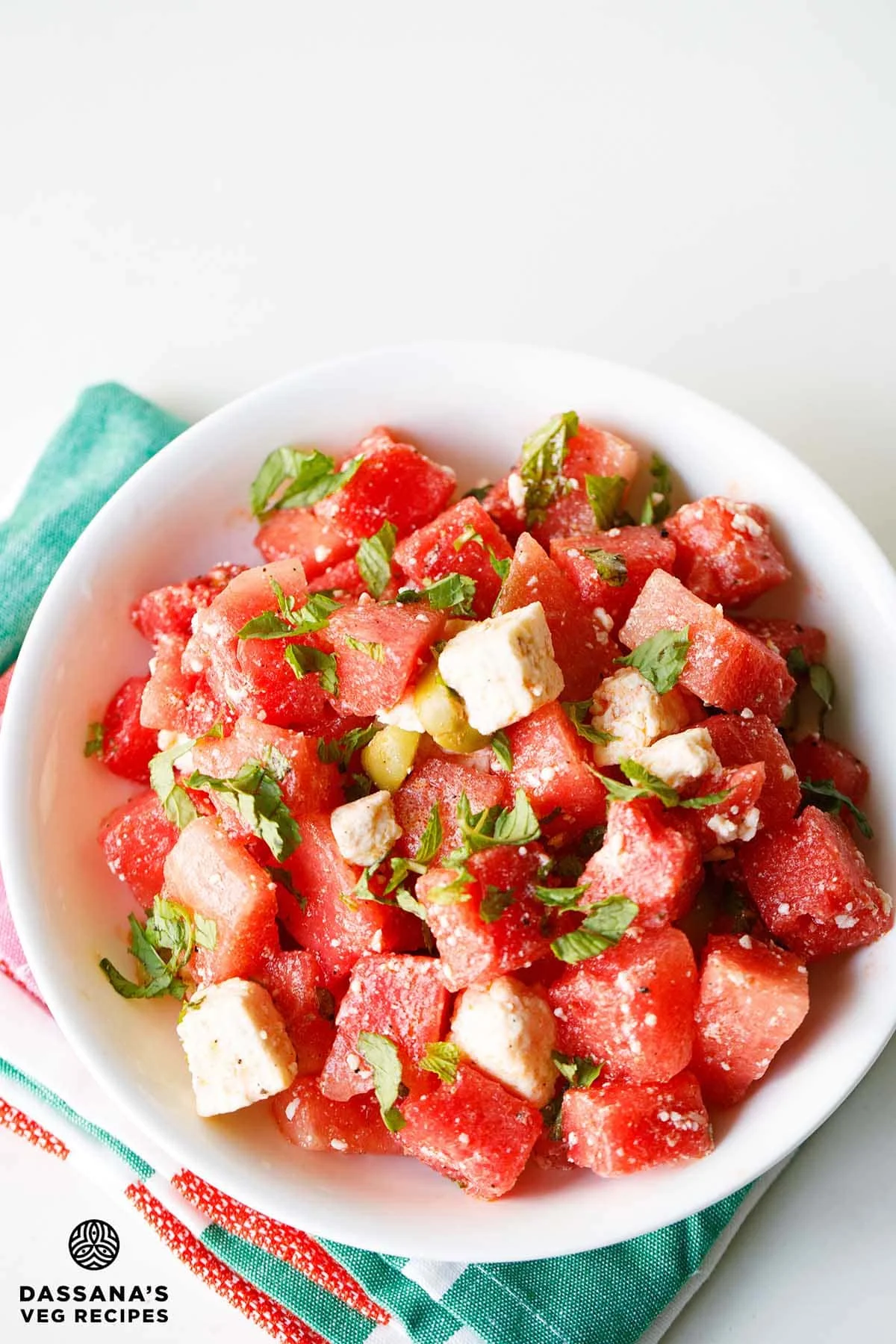
In the landscape of contemporary summer gastronomy, few dishes have achieved the ubiquitous status and cultural resonance of the watermelon feta salad. Once a localized staple of the Greek islands and the broader Mediterranean basin, this assembly of sweet fruit, brined cheese, and aromatic herbs has transitioned from a rustic regional tradition to a global culinary phenomenon. As heatwaves intensify across the Northern Hemisphere, the dish has emerged as the definitive solution to the modern diner’s demand for hydration, nutritional density, and a sophisticated flavor profile that requires zero thermal processing.
The salad represents a masterclass in culinary contrast. By pairing the high-water content and natural sugars of the watermelon with the sharp, acidic salinity of sheep’s milk feta, the dish engages multiple gustatory receptors simultaneously. This phenomenon, often referred to by food scientists as "flavor layering," is further enhanced by the addition of fresh mint and a minimalist dressing of extra virgin olive oil and lemon juice.
Main Facts: A Symphony of Contrasts
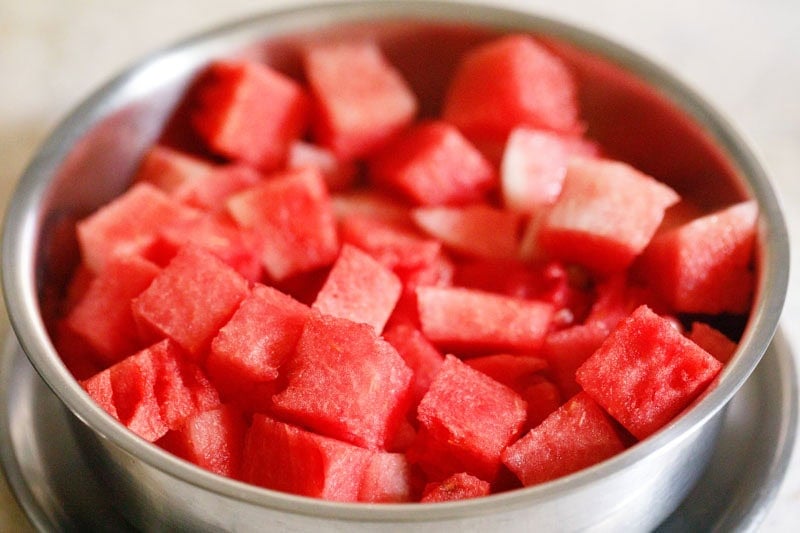
At its core, the watermelon feta salad is a study in simplicity. The primary ingredient, watermelon (Citrullus lanatus), provides a structural base that is roughly 92% water, making it one of the most hydrating foods available. When chilled, the fruit offers a crisp, refreshing texture that serves as a canvas for the more assertive elements of the dish.
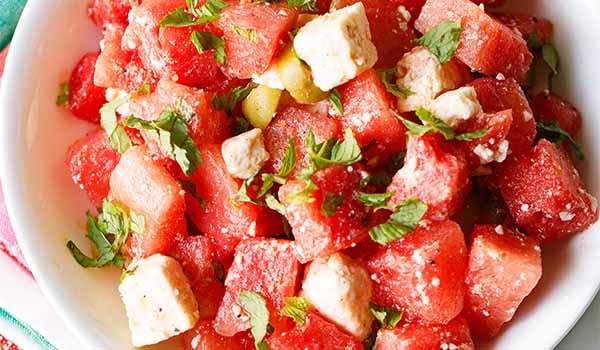
The secondary component, feta cheese, brings a necessary complexity. To be classified as authentic under European Union Protected Designation of Origin (PDO) status, feta must be produced in specific regions of Greece using at least 70% sheep’s milk, with the remainder often being goat’s milk. This composition results in a crumbly yet creamy texture and a tangy finish that cuts through the saccharine nature of the melon.
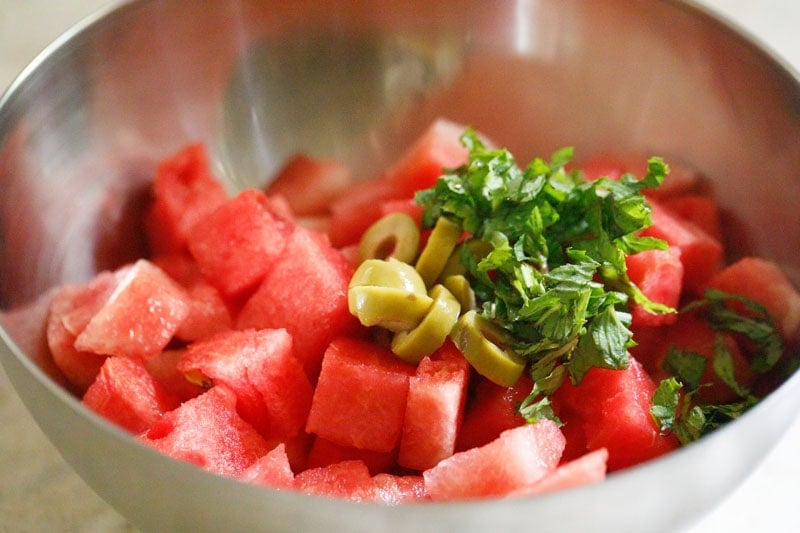
The auxiliary ingredients—fresh mint, olives, and a citrus-based vinaigrette—are not merely garnishes but essential balancers. The mint introduces menthol notes that provide a cooling sensation on the palate, while the olives (ranging from the buttery Castelvetrano to the robust Kalamata) add a necessary earthy bitterness. The final drizzle of olive oil acts as a lipid bridge, carrying the fat-soluble aromas of the dried oregano and black pepper across the tongue.
Chronology: From Ancient Shores to Digital Viralism
The lineage of combining fruit with salty cheese can be traced back centuries across the Levant and the Mediterranean. In Greece, the combination of karpouzi (watermelon) and feta has long been a staple of the summer "mesimeri" (afternoon) meal, particularly among agricultural workers who required quick energy and electrolytes to combat the Mediterranean sun.
The Rural Roots (Pre-20th Century)
Historically, this was a dish of convenience. In rural Greek households, feta was a primary source of protein, stored in barrels of brine. Watermelons were abundant during the peak of summer. The pairing was a pragmatic marriage of what was available and what was physically necessary for survival in a hot climate.
The Mid-Century Mediterranean Diet Discovery (1950s–1970s)
As the "Seven Countries Study" led by Ancel Keys began to highlight the health benefits of the Mediterranean diet, international interest in Greek culinary habits grew. However, the watermelon feta salad remained largely a "hidden gem," overshadowed by the more famous Horiatiki (traditional Greek salad with tomato and cucumber).
The Modern Renaissance (2010–Present)
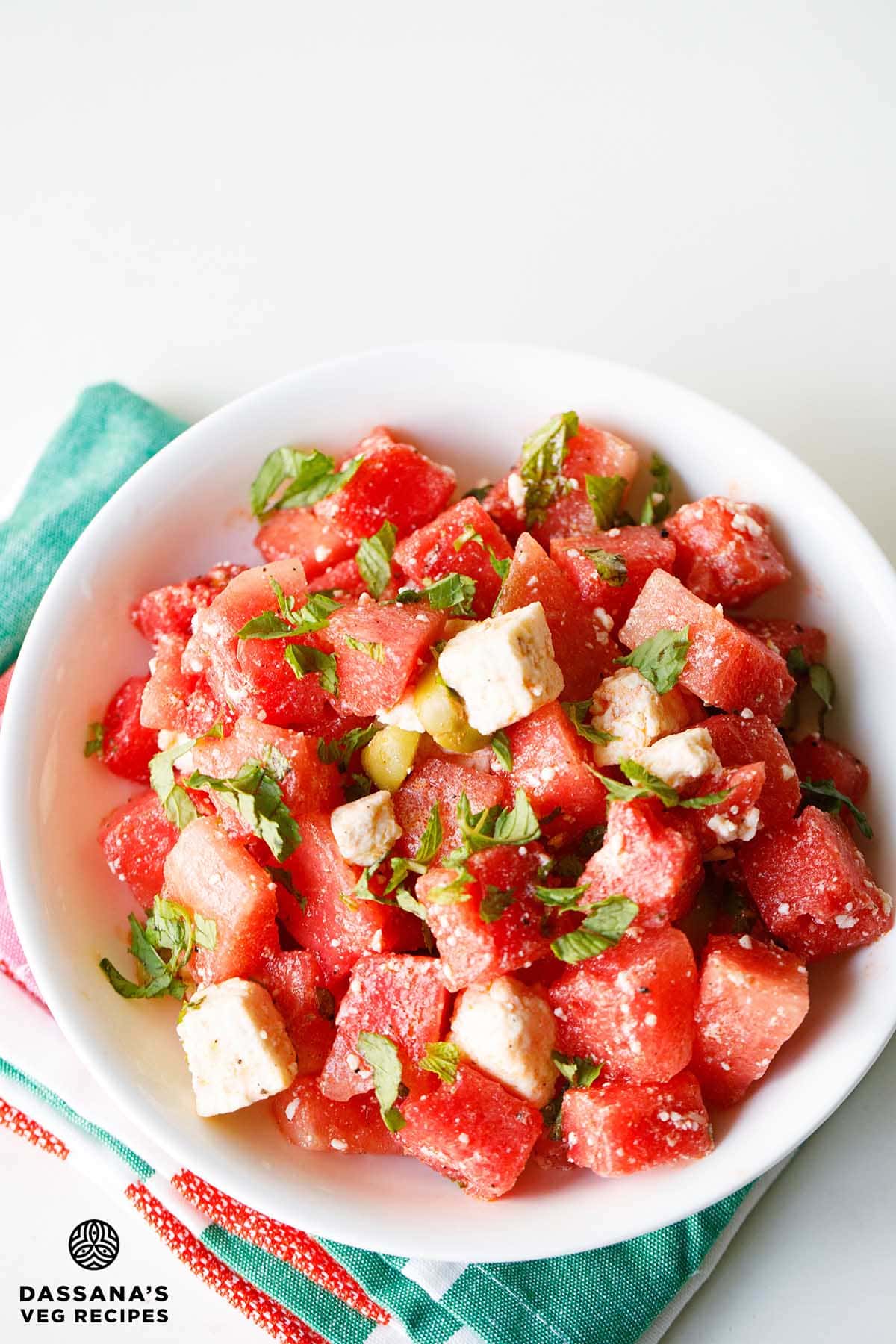
The dish’s transition into the global mainstream can be attributed to the rise of visual-centric social media. The striking visual contrast—the vibrant ruby red of the watermelon against the stark white of the feta and the emerald green of the mint—made it an "Instagrammable" sensation. By the early 2020s, the salad had become a permanent fixture on the menus of high-end coastal bistros from the Amalfi Coast to the Hamptons.
Supporting Data: The Science of the "Bliss Point"
Culinary experts point to the "Bliss Point"—a specific ratio of salt, sugar, and fat—as the reason for the salad’s addictive quality. According to nutritional data, a standard serving of this salad (approximately 3 cups of watermelon and 100g of feta) provides a balanced profile:
- Caloric Efficiency: Approximately 184 kcal per serving, making it a light yet satisfying option.
- Micronutrient Density: A single serving offers significant amounts of Vitamin A (1232 IU) and Vitamin C (15 mg), both of which are crucial for skin health and immune function during summer months.
- Hydration and Electrolytes: With 683 mg of sodium (primarily from the feta) and 228 mg of potassium (from the watermelon), the salad functions as a natural electrolyte replacement, superior to many synthetic sports drinks.
- Lycopene Content: Watermelon is one of the richest sources of lycopene, a powerful antioxidant associated with heart health and protection against UV-induced skin damage.
The inclusion of extra virgin olive oil is particularly significant from a bio-availability standpoint. Lycopene and Vitamin A are fat-soluble; therefore, the healthy monounsaturated fats in the oil ensure that the body can effectively absorb these nutrients.
Official Responses and Culinary Standards
As the dish has grown in popularity, culinary institutions and agricultural boards have weighed in on the "correct" way to prepare and serve the salad to maintain its integrity.
The Hellenic Food Authority Perspective
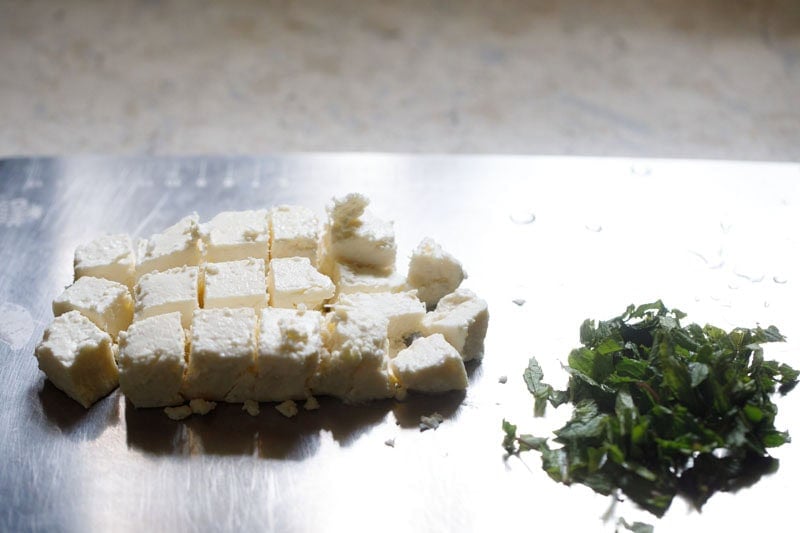
While the dish is adaptable, Greek culinary purists emphasize the quality of the feta. "Using pre-crumbled feta in a watermelon salad is a disservice to the tradition," notes one regional culinary consultant. "The cheese should be cut into bite-sized chunks from a block kept in brine. This preserves the moisture and prevents the salad from becoming a muddled, grey mess."
The "No-Cook" Movement
Professional chefs have championed the watermelon feta salad as the vanguard of the "no-cook" movement. In an era where energy conservation and heat reduction in the kitchen are becoming priorities, the ability to assemble a gourmet-level meal using only a chef’s knife and a mixing bowl is highly valued. The official recommendation from culinary academies is to "serve immediately." Because watermelon is structurally fragile, the introduction of salt (via the feta and seasoning) begins to draw out water through osmosis. If left to sit, the salad loses its crunch and the dressing becomes overly diluted.
Agricultural Guidelines
Watermelon growers’ associations suggest that the success of the dish depends entirely on fruit selection. The "field spot"—the yellow patch where the melon rested on the ground—should be a creamy gold color, indicating ripeness. A dull skin and a "hollow" sound when tapped are further indicators of a fruit that has reached its peak sugar content, essential for the sweet-salty balance.
Implications: A Sustainable and Health-Conscious Future
The rise of the watermelon feta salad carries broader implications for global eating habits and the food industry.
Environmental Impact
The dish aligns with the growing trend toward plant-forward diets. By utilizing a fruit as a "main" component and using cheese as a flavorful accent rather than a bulk protein, the carbon footprint of the meal is significantly lower than traditional meat-based summer fare like grilled burgers or steaks. Furthermore, the lack of cooking reduces the household’s carbon emissions and energy consumption.
The "Feta Effect" on Global Markets
The global demand for feta cheese has surged, partly driven by viral recipes like this salad and the "baked feta pasta" trend. This has bolstered the Greek dairy export economy but has also led to increased scrutiny over PDO protections. It underscores the importance of geographical indications in protecting traditional farming methods against mass-produced imitations.
Health and Wellness Trends
As consumers move away from processed sugars, the watermelon feta salad offers a way to satisfy "sweet" cravings using natural fructose. Nutritionists suggest that the salad’s high fiber and water content promote satiety, preventing overeating during social gatherings. It is naturally gluten-free, making it an inclusive choice for diverse dietary needs.
Culinary Versatility
Looking forward, the implications for menu development are vast. Chefs are already experimenting with "evolved" versions of the dish, incorporating heirloom watermelon varieties, balsamic reductions, or even a hint of tajin (chili-lime seasoning) to bridge Mediterranean and Latin American flavors.
In conclusion, the watermelon feta salad is more than a fleeting seasonal trend; it is a testament to the enduring power of Mediterranean culinary logic. By respecting the raw ingredients and understanding the science of flavor, this simple assembly has secured its place as a modern classic, proving that in the world of high gastronomy, sometimes the most profound innovations are those that require no heat at all.
